Vietnamese cuisine is renowned globally for its complex flavors, fresh ingredients, and regional diversity. From the aromatic broths of the north to the spicier, seafood-rich dishes of the south, the country offers a wide array of culinary experiences. This guide presents a selection of essential Vietnamese dishes that visitors should consider trying to truly appreciate the nation's gastronomic heritage.
A Culinary Overview of Vietnamese Dishes
Vietnam's culinary identity has been shaped by centuries of cultural exchange, notably with Chinese and French influences. This history has contributed to a sophisticated food culture characterized by a balance of sweet, sour, salty, and spicy elements, often achieved through fresh herbs, fish sauce, and a variety of chilies. The country's elongated geography also results in distinct regional cooking styles, each with its own signature dishes and flavor preferences.
Northern Vietnamese cooking, particularly from Hanoi, often emphasizes subtle and balanced flavors, with staple dishes like Pho embodying this characteristic. Central Vietnam, with Hue as its historical imperial capital, is known for more elaborate and spicier preparations, frequently featuring intricate presentations. Southern Vietnamese cuisine, influenced by a warmer climate and extensive waterways, tends to be sweeter and incorporates more coconut milk and fresh seafood, reflecting the agricultural bounty of the Mekong Delta.
Iconic Main Courses: Hearty Soups and Rice Plates
Vietnamese main courses offer a spectrum of satisfying meals, from comforting noodle soups to flavorful rice dishes.
- Bun Cha: Originating in Hanoi, this dish features grilled pork, both minced patties and sliced pieces, served alongside rice vermicelli, a medley of fresh herbs, and a dipping sauce crafted from fish sauce, sugar, lime, and garlic. The pork is typically marinated and cooked over charcoal, imparting a distinctive smoky flavor.
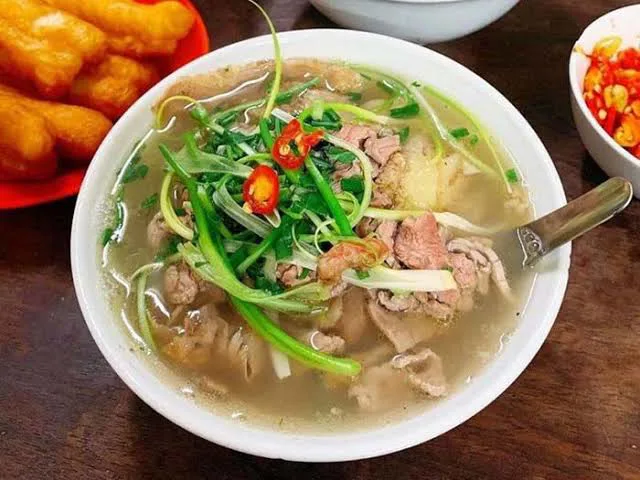
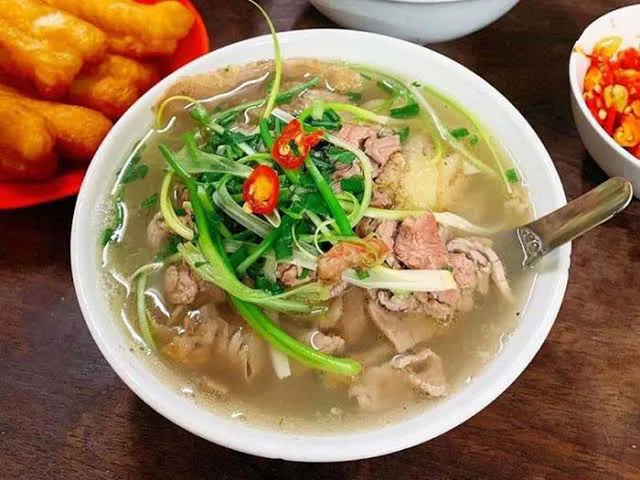
- Pho: An internationally recognized Vietnamese noodle soup, Pho originated in Hanoi and holds significant culinary status. This comforting dish consists of broad rice noodles served in a transparent, fragrant broth, typically prepared from either beef or chicken bones slow-cooked for extended periods to develop profound savory notes. The stock acquires its characteristic aromatic quality from spices such as star anise, cinnamon, and cloves. Customization is integral to the Pho experience, with fresh additions like basil, cilantro, lime wedges, and chili slices provided for individual preference. For a deeper understanding of this dish, consider Hanoi's iconic noodle soup varieties.
- Bun Dau Mam Tom: A northern Vietnamese specialty, this dish is known for its distinctive shrimp paste. It comprises rice vermicelli, fried tofu, pork trotter, Vietnamese sausage, and various herbs, all arranged on banana leaves. Diners can choose between shrimp paste or a milder fish sauce for dipping.
- Bun Bo Hue: Hailing from Hue, the former imperial city, this beef noodle soup is celebrated for its robust and spicy broth. It includes beef, pork trotters, pork balls, and congealed pig blood, garnished with herbs like bean sprouts and coriander. The noodles used are typically thicker than those in Pho, and the broth offers a unique sweet and savory profile.
- Hu Tieu Go: A popular street food in Saigon, this noodle dish is often sold from mobile carts. Influenced by Chinese cuisine, it features Chinese noodles, pork, Vietnamese sausage, onions, bean sprouts, coriander, and egg, creating a flavorful snack enjoyed late into the night.
- Bun Mam: A Southern Vietnamese creation, this noodle soup is characterized by its rich broth made from fermented fish. It's a hearty meal filled with various seafood like shrimp, squid, and fish, complemented by rice vermicelli, eggplant, and fresh herbs.
- Com Tam: Also known as Vietnamese Broken Rice, this dish utilizes fractured rice grains, traditionally a byproduct of milling. It is commonly served with grilled pork, a steamed egg meatloaf, fresh cucumber, pickled carrot, and a drizzle of fish sauce. Saigon is particularly famous for its expertly prepared Com Tam, known for its perfectly grilled pork.
- Cao Lau: This special noodle dish originates from Hoi An, a UNESCO World Heritage site. It features distinctive yellow or grey noodles, which are thicker and chewier than typical rice noodles, served with slices of pork or shrimp, fresh greens, and bean sprouts in a minimal amount of broth.
- Bun Thit Nuong: A dry noodle dish popular in Southern Vietnam, Bun Thit Nuong consists of rice vermicelli topped with tender, smoky grilled pork. It is accompanied by fresh herbs like lettuce and coriander, crunchy carrots and cucumber, and a savory dipping sauce, offering a lighter yet equally satisfying meal.
- Com Ga: Hoi An Chicken Rice showcases the historical culinary fusion of the town, blending Vietnamese flavors with East and Southeast Asian influences. It features tender shredded chicken, crisp onions, tangy Vietnamese coriander, and turmeric-infused yellow rice cooked in chicken stock.
- Mi Quang: From Quang Nam Province, Mi Quang is distinguished by its thick, golden rice noodles served with a small amount of rich, savory broth. It typically includes pork, shrimp, or chicken, garnished with fresh herbs, peanuts, and crispy rice crackers.
- Cha Ca La Vong: This iconic Hanoi dish features fish fillets marinated in turmeric and galangal, then cooked with copious amounts of fresh dill and green onions. It is traditionally served sizzling at the table with vermicelli noodles, roasted peanuts, and a fish sauce-based dip.
- Com Hen: A specialty from Hue, Com Hen combines rice with tender baby mussels sautéed in aromatic spices. It is typically garnished with roasted peanuts, crispy fried pork skin, fresh herbs, and a hint of chili, offering a mix of textures and savory flavors.
- Bun Rieu: This traditional Northern Vietnamese crab noodle soup is known for its rich and tangy broth, made from crab, tomatoes, and shrimp paste. It is served with vermicelli noodles and often topped with fried tofu and fresh herbs.
Popular Sides and Street Food Delights
Beyond main courses, Vietnamese cuisine excels in its array of convenient and flavorful side dishes and street food options.
- Banh Mi: This famous Vietnamese sandwich represents a fusion of French and local culinary traditions. A crispy baguette is filled with various ingredients, such as grilled meats, pâté, pickled vegetables, cilantro, and chili sauce, offering a delightful combination of savory, tangy, and spicy notes.
- Banh Cuon: These delicate steamed rice rolls are filled with minced pork, wood ear mushrooms, and shallots. The thin, soft rolls are typically served with nuoc cham, a tangy dipping sauce, along with fresh herbs and crispy fried shallots, often enjoyed as a breakfast item.
- Banh Goi: Known as Fried Pillow Cake, this Hanoi street food is a crispy pastry filled with minced pork, glass noodles, wood ear mushrooms, and quail eggs. Its golden, crunchy exterior contrasts with a juicy, flavorful interior, making it an ideal snack when served with dipping sauce and herbs.
- Nem Ran: These Fried Spring Rolls, a popular item from northern Vietnam, contain a filling of minced pork, shrimp, vermicelli, mushrooms, and carrots, all wrapped in rice paper and deep-fried until golden. They are typically enjoyed with nuoc cham and fresh herbs.
- Pho Cuon: A lighter version of Pho, this Hanoi specialty features fresh rice noodle sheets wrapped around tender beef, crisp lettuce, and aromatic herbs. It is served with a dipping sauce and offers a refreshing alternative to the soup.
- Banh Xeo: Referred to as a Vietnamese crêpe or pancake, Banh Xeo is made by pouring rice batter into hot oil, creating a sizzling sound (hence 'xeo'). It is typically stuffed with shrimp, boiled pork, bean sprouts, and spring onions. Diners often wrap pieces of the crispy pancake in rice paper with vegetables and herbs before dipping.
- Banh Trang Nuong: Often called Vietnamese Pizza, this Southern Vietnamese street food features a rice paper base topped with ingredients like onions, shrimp, sausage, quail eggs, and chili sauce. It's a crispy, flavorful snack.
- Trung Vit Lon: This unique delicacy, also known as Balut, is a fertilized duck egg embryo that is boiled and eaten from the shell. It is considered nutritious and is typically consumed with salt, laksa leaves, and ginger. While it may appear unusual to some, it is a popular local choice.
- Com Chay: A traditional dish from Ninh Binh, Com Chay consists of crispy fried rice, often topped with pork floss, green onions, and chili. Its satisfying crunch makes it a popular regional snack. For those planning a trip, understanding how to get from Ninh Binh to Halong Bay can be helpful.
- Banh Khot: These savory mini pancakes are bite-sized and crispy, often filled with shrimp and served with fresh greens. They are a versatile snack enjoyed throughout the day.
- Banh Bao Banh Vac: Known as White Rose Dumplings, these delicate, rose-shaped dumplings are a Hoi An specialty. Made from rice flour, they are filled with shrimp or pork and served with crispy fried shallots and a special dipping sauce.
- Goi Cuon: Fresh Spring Rolls are a healthy and light dish, particularly popular in Southern Vietnam. These rolls are made with rice paper, filled with shrimp, pork, vermicelli noodles, and fresh herbs, and typically dipped in peanut sauce or nuoc cham. For visitors observing Islamic dietary laws, finding Halal cuisine in Ho Chi Minh City is increasingly possible.
Unique Beverages and Sweet Endings
Vietnamese culinary offerings extend to distinctive drinks and desserts that provide a refreshing conclusion to any meal.
- Che: This sweet soup is a versatile dessert enjoyed across Vietnam, particularly on warm days. Available in numerous variations, Che can include beans, jellies, fruits, and coconut milk, offering a customizable sweet treat from street vendors to restaurant menus.
- Ca Phe Trung: Egg Coffee is a unique Hanoi invention, blending strong Vietnamese coffee with a creamy, rich layer of whipped egg yolk and condensed milk. Best enjoyed warm, this innovative beverage offers a distinct texture and flavor profile that has captivated both locals and visitors for decades.
- Banh Ran: These Vietnamese donuts are popular street snacks. Made from glutinous rice flour, they are deep-fried until golden and crispy, often filled with sweet mung bean paste or left hollow, then coated with sesame seeds. They provide a delightful contrast of crispy exterior and soft, chewy interior.
- Ca Phe Sua Da: Iced Coffee with Condensed Milk is a quintessential Vietnamese drink. Prepared with a traditional Vietnamese coffee filter, robust coffee is combined with sweetened condensed milk and ice, resulting in a potent yet balanced beverage. It is a staple for energizing mornings and leisurely afternoons, often enjoyed at casual street-side cafes.
Practical Tips for Enjoying Vietnamese Food
To fully appreciate Vietnam's diverse culinary landscape, consider these practical suggestions:
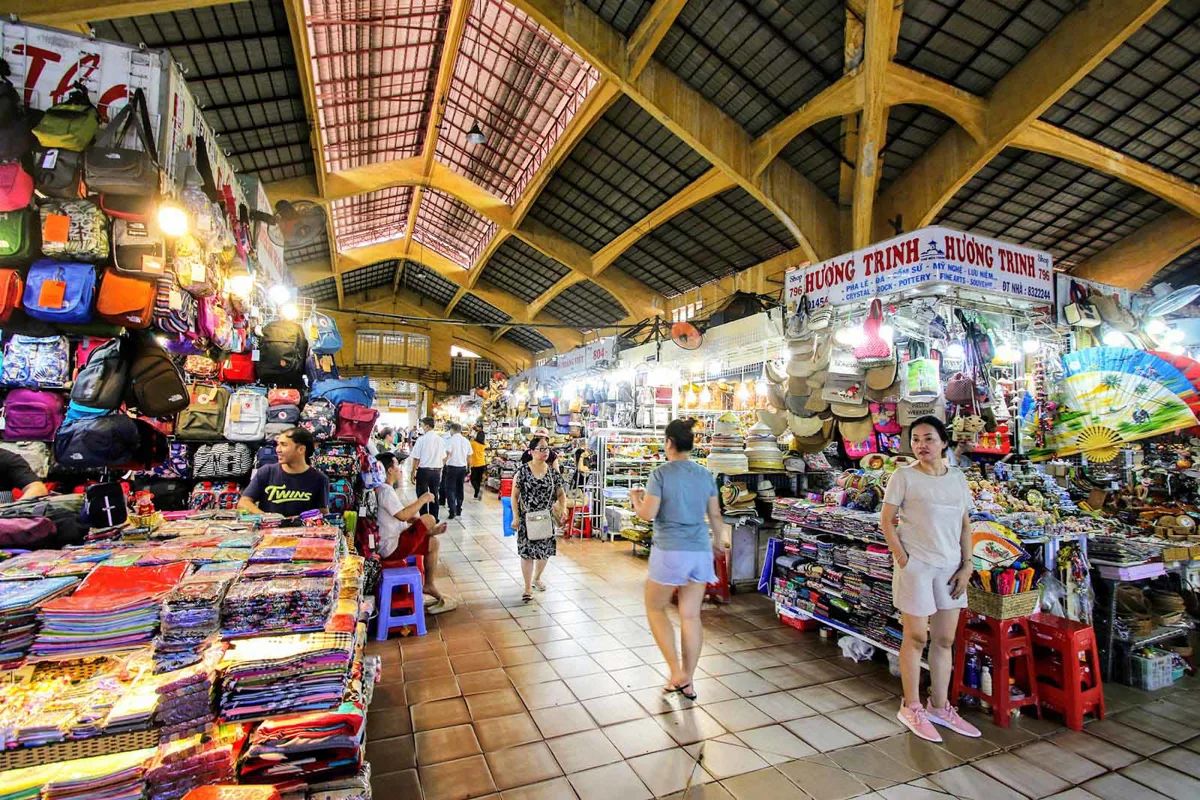
- Embrace Street Food: Many of Vietnam's most authentic and delicious dishes are found at street stalls and local markets. Don't hesitate to try these establishments, often identified by crowds of locals.
- Master Dipping Sauces: Nuoc cham, the ubiquitous fish sauce-based dip, is key to many dishes. Learn to customize it with chili, lime, and sugar to suit your taste. Different dishes also come with specific accompanying sauces, such as peanut sauce for fresh spring rolls or the pungent mam tom for Bun Dau.
- Regional Specialties: Be aware that dishes can vary significantly by region. For instance, Pho in Hanoi might differ from its Southern counterpart, and Hue's cuisine tends to be spicier. Allow yourself to explore these regional distinctions.
- Hygiene Awareness: While street food is generally safe, observing where locals eat and choosing stalls with high turnover can help ensure freshness. Look for vendors who cook food to order.
- Learn to Roll and Wrap: Many dishes, like Banh Xeo or Goi Cuon, are designed to be wrapped in fresh lettuce and herbs before dipping. Observing locals or asking for guidance can enhance your eating experience.
Frequently Asked Questions
Is Vietnamese food generally considered healthy?
Vietnamese food is widely regarded as healthy due to its strong emphasis on fresh vegetables, lean proteins, and cooking methods that aim to retain the nutritional value of ingredients. Dishes typically feature a harmonious balance of flavors and are often prepared with minimal oil.
Which areas of Vietnam are noted for their exceptional food?
Hue is particularly celebrated for its royal cuisine and for dishes characterized by rich and often spicy flavors. Nearby Hoi An also boasts distinct specialties like Cao Lau and Banh Mi. However, both Hanoi in the north and Ho Chi Minh City in the south offer unique must-try dishes, making the entire country a destination for culinary exploration. You can learn more about Vietnam's premier urban destinations for food and culture.
What is considered the most popular Vietnamese dish?
Pho is frequently cited as the most popular Vietnamese dish, having achieved widespread international recognition as a symbol of the country's cuisine. This noodle soup, which originated in Hanoi, features flat rice noodles in a fragrant broth, traditionally made by simmering beef or chicken with spices like star anise and cinnamon.
Are there popular vegetarian options available in Vietnamese cuisine?
Yes, Vietnamese cuisine offers several popular vegetarian and vegan choices, especially among side dishes and desserts. Examples include Goi Cuon Chay (Vegetarian Fresh Spring Rolls), which are light rolls filled with rice paper, tofu, vermicelli noodles, and fresh herbs, often served with a peanut or soy-based dipping sauce. Che (Vietnamese Sweet Soups and Puddings) also provides many vegan-friendly options, typically made with coconut milk, mung beans, sweet potatoes, tapioca pearls, and various fruits. Additionally, Cha Gio Chay (Vegan Fried Spring Rolls) are deep-fried rolls filled with mushrooms, tofu, and vegetables.
| Dish Name | Region of Origin | Main Protein/Feature | Broth Characteristics | Approximate USD Price Range |
|---|---|---|---|---|
| Pho | North (Hanoi) | Beef or Chicken | Clear, aromatic, subtly spiced (star anise, cinnamon) | $1.2 - $4.0 |
| Bun Bo Hue | Central (Hue) | Beef, Pork (trotter, balls) | Spicy, savory, slightly sweet, lemongrass-infused | $1.2 - $2.4 |
| Mi Quang | Central (Quang Nam) | Pork, Shrimp, or Chicken | Small amount of rich, savory, turmeric-infused | $1.6 - $2.4 |
| Bun Mam | South (Mekong Delta) | Seafood (shrimp, squid, fish), Pork | Bold, rich, fermented fish-based | $1.6 - $2.8 |