Sapa, a jewel nestled high in Northern Vietnam's Hoàng Liên Sơn mountains, captivates travelers with its dramatic terraced rice fields, mist-shrouded peaks, and the vibrant cultural tapestry of its diverse ethnic communities. Choosing the 'best' time to visit this enchanting highland town isn't just about avoiding rain or finding sunshine; it's about aligning your journey with the specific Sapa experience you dream of. From blooming valleys to golden harvests, and even rare winter snowfalls, Sapa transforms with each passing month.
To truly unlock Sapa's secrets and navigate its unique climate, we've consulted with Nga, a seasoned local guide whose family has lived in the region for generations. Her insights offer an invaluable perspective, helping you plan a visit that resonates with your personal preferences and ensures a memorable adventure.
Understanding Sapa's Unique Climate: A Local's Perspective
Positioned at a significant elevation, Sapa offers a refreshing escape, particularly during Vietnam's warmer months, and is renowned for its clean mountain air. The area experiences a highly defined seasonal climate, transitioning from subtropical conditions in summer to more temperate characteristics during winter. This elevation contributes to Sapa's reputation as a preferred location for summer getaways, providing cooler temperatures when other regions are experiencing intense heat.
"Sapa offers such a unique climate; it truly feels like a different world compared to the rest of tropical Vietnam, especially in winter," shares Nga. "It's why preparing for rapid weather changes is key. The average temperature recorded in Sapa town is approximately 15.4ºC, but temperatures can swing dramatically, reaching a high of about 29.4ºC and dropping to a minimum of 1ºC, sometimes even below freezing on the highest peaks. While Sapa welcomes visitors year-round, understanding these shifts is crucial."
Seasonal Deep Dive with Nga's Insights
Sapa's natural environment undergoes remarkable transformations with each passing season, offering unique spectacles for visitors. Here’s a breakdown, enriched by Nga’s local expertise:
Early Spring: The Misty 'Kingdom of Azaleas' (January - March)
"For first-time visitors, January to March is the season of flowers," Nga explains. "Sapa truly becomes the 'Azalea Flowers Kingdom.' You'll see countless species of orchids and azaleas, especially when you take the cable car up the mountains to Fansipan. The vibrant blossoms create a stunning contrast against the often-misty backdrop."
However, be prepared for Sapa to live up to its nickname, 'the city in the cloud,' during these months. The weather tends to be very misty, cold, and heavy with humidity. While the fog can lend a mysterious, ethereal beauty to the landscape, it can also obscure distant views. Temperatures can be quite chilly, making warm clothing essential.
- Scenery: Blooming fruit trees (pear, peach, apricot, plum), vibrant azaleas and orchids, mystical misty landscapes.
- Activities: Flower viewing, cable car ride for unique perspectives, quiet exploration of the town.
- Nga's Tip: "Embrace the mist! It creates incredible photographic opportunities, but pack plenty of warm layers and waterproof gear."
Late Spring: Clear Skies & The Rice Field Awakening (April - May)
"April, May, and early June often offer the best chances to experience a crystal-clear Sapa," Nga advises. "The weather is typically sunny and dry, making it ideal for taking stunning photos and hiking to local villages without the intense heat of summer or the deep chill of winter."
While you won't see the rice fields at their peak green or golden yet – you'll mostly observe leftover straws on the terraces from the previous harvest – this period marks the beginning of the agricultural cycle. Local communities commence the intricate process of cultivating new rice crops. When observed from a distance, these 'mirror fields' (as they're often called when flooded for planting) begin their transformation into living natural artwork, captivating observers with their ever-changing hues as water reflects the sky.
- Scenery: Clear mountain views, newly planted rice fields (water reflections), early spring blossoms.
- Activities: Hiking, photography, cultural excursions to witness planting.
- Nga's Tip: "This is a fantastic time for trekking. The trails are usually dry, and the air is crisp. Don't miss the chance to see the farmers at work, a truly authentic experience."
Summer: Lush Green Terraces & A Domestic Escape (June - August)
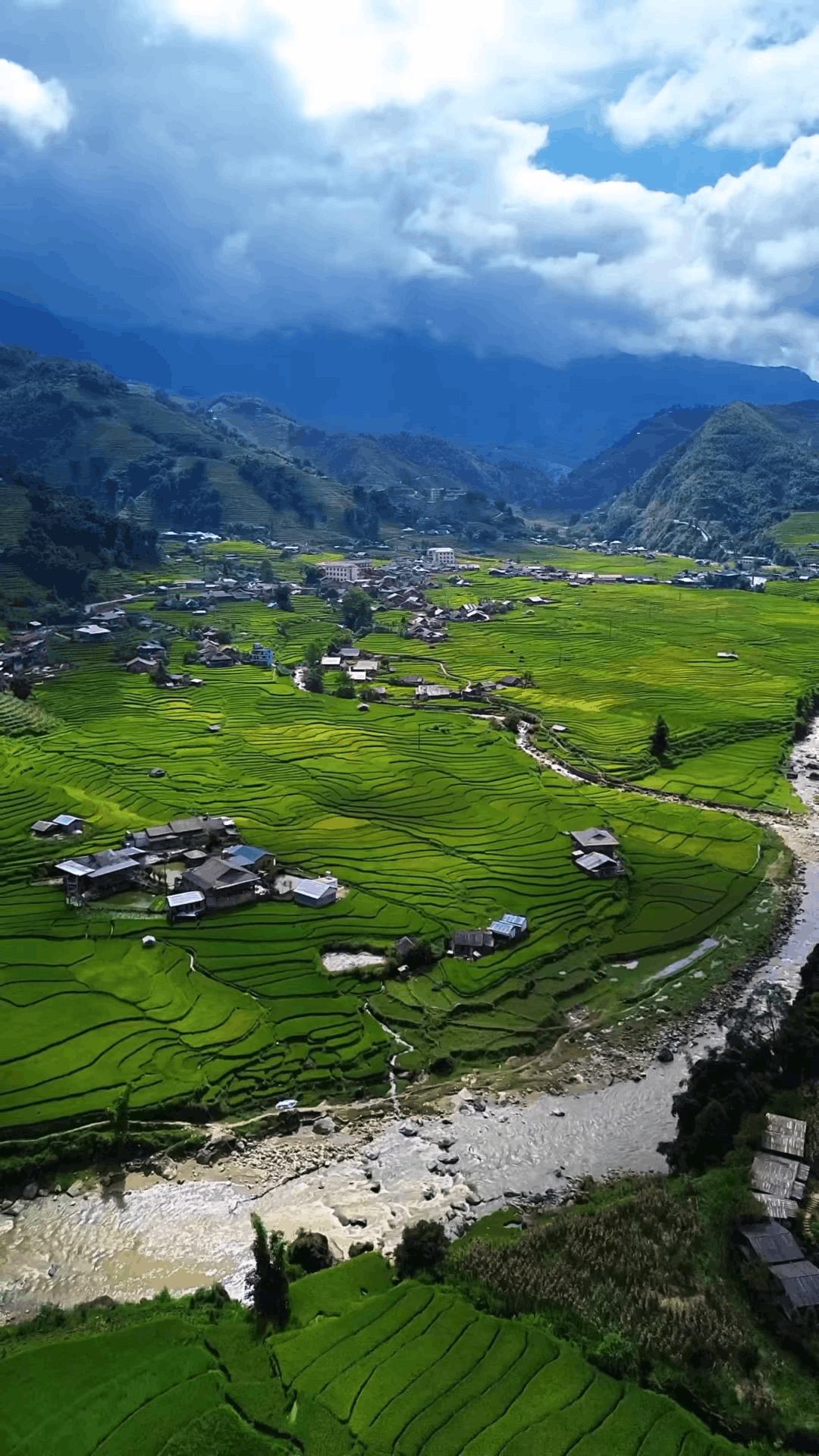
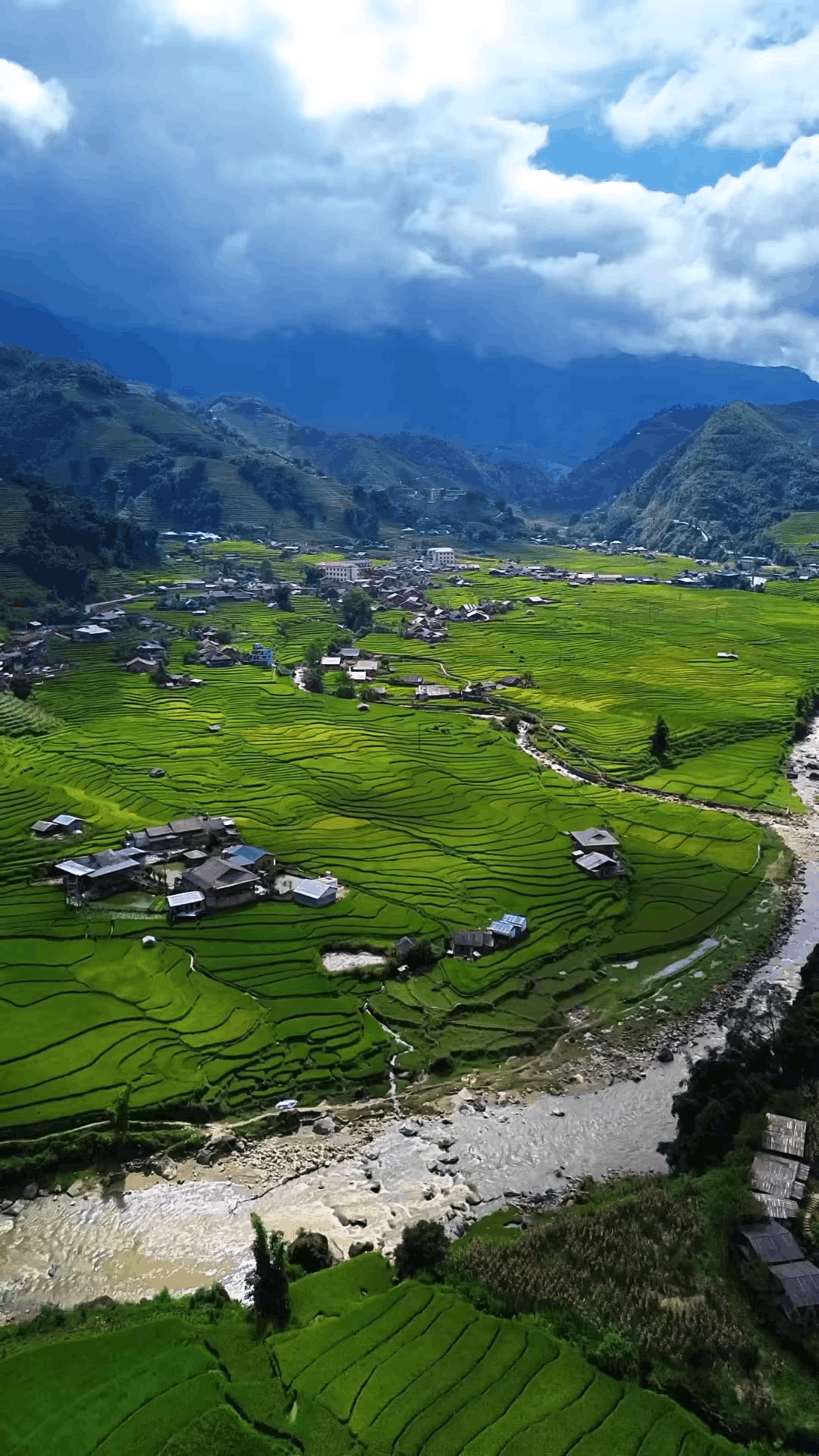
"July, August, and September are, without a doubt, the best time to witness the rice field terraces at their peak beauty," Nga enthuses. "The mountain steps turn into a lush, vibrant green, creating an expansive, undulating carpet across the slopes. You can observe locals working diligently in the fields with their buffaloes, a timeless scene that truly defines Sapa."
This period is also Sapa's busiest. While major cities like Hanoi swelter in 40-42°C heat, Sapa remains a refreshing escape, typically 5 to 7°C cooler. This makes it a hugely popular summer getaway for domestic tourists, so expect crowds. The region experiences its wet season from May to September, with the heaviest precipitation occurring in July and August. Sapa's summer weather is notably unpredictable, often shifting rapidly. Visitors during this time might encounter what feels like all four seasons within a single day: cool, spring-like mornings and afternoons, warm and clear noons, and chilly evenings. Sudden, intense thunderstorms can also occur at midday, frequently followed by rainbows that illuminate the entire area, lending a poetic charm to the landscape.
- Scenery: Verdant green rice terraces, abundant seasonal flowers (pansies, dahlias, sunflowers), lush tropical fruits, dramatic rainbows.
- Activities: Trekking among green fields, escaping city heat, waterfall visits, enjoying vibrant nature.
- Nga's Tip: "If you're visiting in summer, I strongly recommend avoiding weekends, as accommodation prices can spike by 20-25% or even sell out completely. Book well in advance and consider weekdays for a more relaxed experience. Always carry a rain jacket, even if it looks sunny!"
Early Autumn: The Golden Harvest Spectacle (September - October)
As early autumn concludes, specifically from late August through October, Sapa exudes a sense of abundance. The rice in the terraced fields matures and takes on a breathtaking golden-yellow hue. During this time, the expansive rice terraces appear like shimmering golden silks undulating across the green mountain slopes, presenting an exceptionally beautiful mountainous vista. This period is often considered the most picturesque for photographers and nature lovers.
This period is also known for foraging perfume mushrooms, wood ear mushrooms, and various medicinal plants, adding to the region's natural bounty. The weather is generally cool, dry, and sunny, making it ideal for extended treks and outdoor activities.
- Scenery: Iconic golden ripe rice terraces, clear skies, vibrant autumn foliage.
- Activities: Photography, trekking among golden fields, experiencing local harvest traditions.
- Nga's Tip: "This is my personal favorite for photography. The light on the golden fields is simply magical. It’s also a great time to learn about local foraging traditions."
Late Autumn & Early Winter: Chilly Mists & Quiet Beauty (November - December)
"October, November, and December mark the coldest time of the year in Sapa," Nga cautions. "It truly feels like a completely different world compared to the rest of tropical Vietnam. While still good for trekking, the rice fields will have been harvested, leaving behind a starker, more subdued landscape. The weather is often very misty, cold, and heavy with humidity and moisture in the air."
During these months, Sapa offers a quieter, more introspective beauty. The absence of the rice fields' vibrant colors allows the dramatic mountain contours and the unique local architecture to stand out. The persistent mist creates an atmospheric, mysterious ambiance that appeals to those seeking solitude and a different kind of natural beauty.
- Scenery: Mysterious misty landscapes, stark mountain beauty, quiet local villages.
- Activities: Quiet trekking, exploring local markets, enjoying warm local cuisine.
- Nga's Tip: "Visitors during these months are strongly advised to pack very warm clothing and ensure their hotel rooms have reliable heaters or electric blankets. Many older establishments might not have adequate heating, so check reviews carefully."
Deep Winter: Icy Fairytales & Snowfall Dreams (December - February)
From late December through February, Sapa experiences its most severe winter, where temperatures can fall below freezing. This often results in tree branches and grasses becoming covered in ice, creating a stunning, frosty landscape. Sapa during these icy conditions draws numerous tourists and photographers seeking to capture the unique beauty of its winter scenes. In recent years, snowfall, particularly in late December and January, has made it an appealing destination for those seeking a distinctive Christmas or New Year holiday experience reminiscent of a winter fairy tale.
- Scenery: Frosted trees, icy landscapes, possibility of snow-covered peaks and villages.
- Activities: Winter photography, quiet exploration, enjoying cozy indoor activities, seeking rare snowfall.
- Nga's Tip: "If you're hoping for snow, late December to January is your best bet, but it's never guaranteed. Be prepared for extremely cold conditions – thermal layers, waterproof boots, and good quality outerwear are non-negotiable."
Sapa's Agricultural Heartbeat: A Timeless Rhythm
The terraced rice fields are central to Sapa's identity and visual appeal, offering different spectacles depending on the agricultural cycle. The beauty of these fields transforms seasonally, reaching their most captivating appearance when new crops are just beginning to grow (late spring) and again when the rice is fully ripe and verdant (summer) or golden (early autumn). This continuous cycle provides dynamic scenery throughout much of the year.
Observing the local farming practices offers profound insight into the rhythm of life in this mountainous region. The precision and dedication required to cultivate rice on such steep terrain highlight the deep connection between the ethnic communities and their land. Travelers interested in rural life and agricultural landscapes will find Sapa particularly rewarding during the planting and harvest seasons, offering a glimpse into centuries-old traditions that have shaped this incredible landscape.
Nga's Essential Practical Advice for Your Sapa Journey
Given Sapa's variable climate, preparation is essential for a comfortable journey. Nga emphasizes that regardless of the season, being ready for rapid weather changes is key.
- Check Forecasts: "Always consult weather predictions close to your travel dates," Nga advises, "but be aware that mountain weather can be unpredictable and change quickly."
- Layer Your Clothing: "Layered clothing is always recommended, allowing you to adapt to temperature fluctuations throughout the day, even in summer."
- Waterproof Gear: "A waterproof jacket and sturdy, waterproof shoes are advisable for trekking, especially during the wet season or winter when mist and potential ice are common."
- Comfortable Footwear: "Comfortable walking shoes are a must for exploring the town and surrounding trails, regardless of the season."
- Sun Protection: "Even on cloudy days, the sun's rays can be strong at altitude; bring sunscreen, a hat, and sunglasses."
- Local Guides: "Consider hiring a local guide for treks," Nga suggests, "not only for safety and navigation but also to gain deeper insights into our culture and traditions."
- Accommodation Heating (Winter): "For visits between November and February, double-check that your hotel provides adequate heating or electric blankets. It makes a huge difference!"
- Summer Crowds: "If you're visiting in July or August, especially on weekends, book your accommodation and transport well in advance to avoid disappointment and higher prices."
Sapa Season-by-Season: A Quick Comparison
Each season in Sapa presents distinct advantages and considerations for travelers. Understanding these differences, particularly with Nga's local insights, can help you tailor your trip to your preferences.
| Season | Typical Weather | Primary Scenery | Key Activities | Local Guide's Insight |
|---|---|---|---|---|
| Early Spring (Jan-Mar) | Cold, very misty, damp | Blooming fruit trees, azaleas, orchids, mystical fog | Flower viewing, cable car, quiet exploration | "The 'Azalea Flowers Kingdom' but be ready for the 'city in the cloud' mist." |
| Late Spring (Apr-May) | Mild, often clear, dry | Clear mountain views, newly planted rice fields (water reflections) | Hiking, photography, observing planting | "Best for crystal-clear photos and trekking, but rice fields are just starting." |
| Summer (Jun-Aug) | Warm days, cooler evenings, frequent rain | Lush green rice terraces, abundant flowers, dramatic rainbows | Escape heat, waterfall visits, trekking among green fields | "Peak green rice fields, but very crowded with domestic tourists. Avoid weekends!" |
| Early Autumn (Sep-Oct) | Cool, generally sunny and dry | Golden ripe rice terraces ready for harvest, clear views | Photography, trekking among golden fields, harvest experiences | "The most picturesque for golden fields and photography." |
| Late Autumn & Early Winter (Nov-Dec) | Cold, misty, damp, harvested fields | Stark mountain beauty, persistent mist, quiet landscapes | Quiet trekking, exploring local markets, enjoying warm cuisine | "Coldest time, no rice fields. Pack very warm clothes and ensure hotel heating." |
| Deep Winter (Dec-Feb) | Very cold, possibility of ice and snow | Frosted trees, icy landscapes, potential snow-covered peaks | Winter photography, seeking snowfall, cozying up indoors | "Unique winter fairytale, but extreme cold requires serious warm gear." |
While the visual appeal of the terraced fields is a major draw, Sapa also offers rich cultural interactions with its ethnic communities. Your choice of season will largely dictate the type of landscape and climate you encounter, from the verdant growth of summer to the stark beauty of a winter snowfall.
Frequently Asked Questions
When is the warmest period in Sapa?
The warmest months in Sapa are typically July and August, when average temperatures are at their highest (around 20-25°C), although the evenings still tend to be cool due to the altitude. As Nga notes, it's significantly cooler than major cities during this time, making it a popular escape.
Does it snow in Sapa?
Yes, Sapa can experience snowfall, particularly in late December and through January or February in some years, especially on the higher peaks, when temperatures drop below freezing. It's a rare and beautiful phenomenon that draws many visitors.
What is the rainy season like in Sapa?
Sapa's rainy season extends from May to September, with the heaviest rainfall usually occurring in July and August. During this time, expect frequent, short, and sometimes intense showers, though they are often followed by clear spells and even rainbows. Nga advises carrying a rain jacket at all times.
Are the rice terraces always green in Sapa?
No, the rice terraces change color with the agricultural cycle. They are green during the growing season (typically late spring through summer, peaking July-August) and turn a stunning golden yellow as the rice ripens in early autumn (late September to mid-October) before being harvested.
What activities are best in Sapa during winter?
During winter, activities in Sapa focus on experiencing the cold, misty atmosphere and unique frosted landscapes. Photography of the icy scenery and exploring local markets are popular, as well as enjoying warm local cuisine. Nga strongly recommends ensuring your accommodation has proper heating for comfort.
Why is Sapa so crowded in summer?
As Nga explains, Sapa's significantly cooler temperatures (5-7°C lower than big cities) make it an extremely popular summer getaway for domestic tourists escaping the intense heat of Vietnam's lowlands. This leads to higher visitor numbers, especially on weekends, and can impact accommodation availability and prices.
Ultimately, as Nga wisely concludes, "the 'best time' to visit Sapa depends entirely on what kind of scenery and weather you prefer to experience." Whether you seek the vibrant hues of the rice fields, the mystical charm of the mist, or the crisp air of a clear mountain day, Sapa awaits. Plan your trip with these insights, and prepare for an unforgettable adventure in Vietnam's northern highlands.