Meo Vac is a district situated in Vietnam's remote northeastern mountains, close to the Chinese border, within Ha Giang province. This area forms a significant part of the Dong Van Karst Plateau Geopark, a site recognized by UNESCO for its striking geological features. Visitors to Meo Vac encounter impressive limestone peaks, deep valleys, and the presence of diverse ethnic minority groups.
Experiencing Meo Vac often feels like stepping into a different world, where each turn reveals captivating mountain vistas, traditional settlements, and authentic daily life. For those travelers seeking excursions away from common routes, Meo Vac presents a distinctive combination of natural splendor and cultural engagement.
Understanding Meo Vac: Location and Landscape
The district of Meo Vac is situated within the Dong Van Karst Plateau Geopark, an area of Ha Giang province. It represents a highland region in the northernmost part of Vietnam, characterized by its impressive views and tranquil atmosphere. Meo Vac is not merely an attractive locale, but also a prime destination for visitors interested in exploration and new experiences.
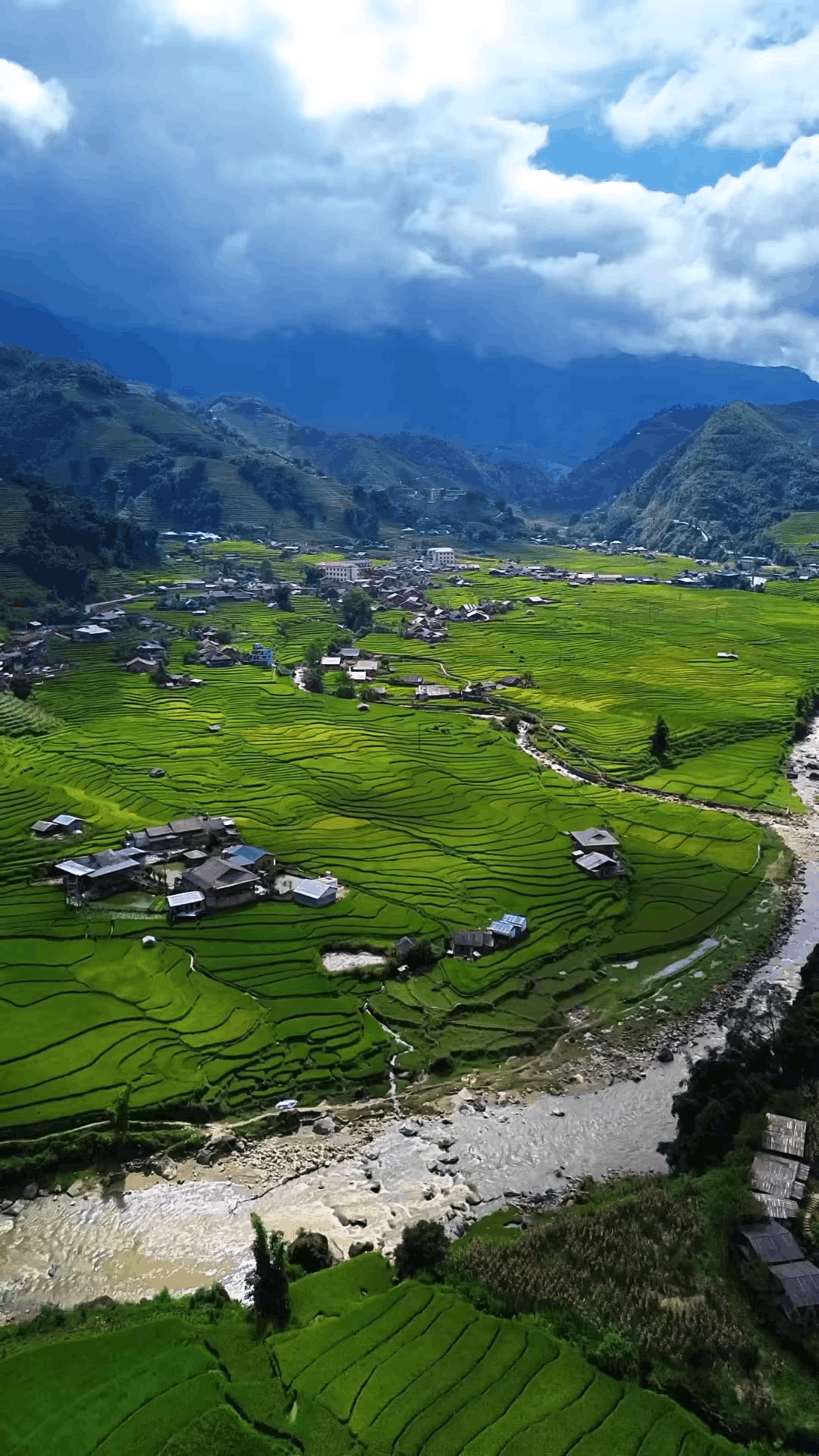
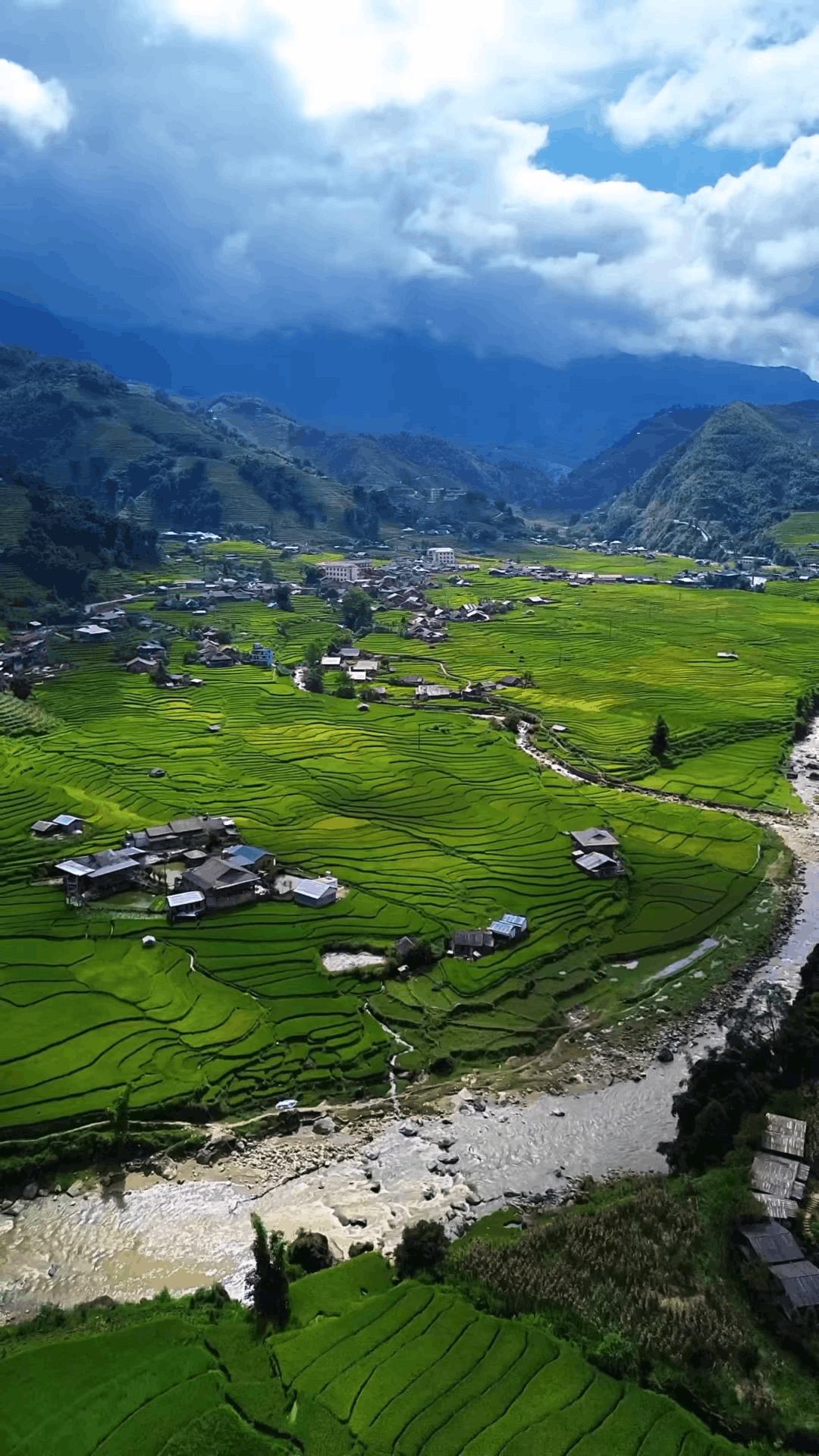
The central settlement of Meo Vac lies in a small valley at the base of rocky mountains. The predominant terrain in Meo Vac is a karst landscape, primarily composed of limestone, with the Nho Que River flowing through it. Most of the land here, approximately 12,100 hectares, is utilized for agricultural purposes. Local communities cultivate various medicinal plants, herbs, and ginseng. In recent years, governmental efforts have also focused on significantly expanding tourism development in the Meo Vac area.
Navigating to Meo Vac: Transport Options
Reaching Meo Vac typically involves a multi-stage journey, beginning from Hanoi. Travelers can opt for a bus or private car from Vietnam's capital city to Ha Giang City, which generally takes between six to seven hours across scenic mountainous roads. This initial segment provides an introduction to the northern landscapes.
From Ha Giang City, the onward journey to Meo Vac is commonly undertaken by motorbike or private car, following the route towards Dong Van. This path meanders through various villages, valleys, and terraced fields, offering continuous visual interest. It is advisable to factor in additional time for stops along the way, particularly at viewpoints overlooking the Ma Pi Leng Pass, to fully appreciate the scenery. For those planning an extensive northern loop adventure, understanding these transport choices is crucial.
Travel Routes to Meo Vac
| Route Segment | Mode of Transport | Estimated Duration | Notes |
|---|---|---|---|
| Hanoi to Ha Giang City | Bus | 6-7 hours | Multiple daily departures, generally comfortable |
| Hanoi to Ha Giang City | Private Car | 6-7 hours | Offers flexibility and direct travel, higher cost |
| Ha Giang City to Meo Vac | Motorbike | 3-4 hours | Scenic but challenging roads, popular for adventurers |
| Ha Giang City to Meo Vac | Private Car | 3-4 hours | Comfortable, driver navigates difficult terrain |
Seasonal Visits and Key Experiences
Ha Giang experiences four distinct seasons, each offering a unique perspective on its mountains and local lifestyle. The period from September to November is characterized by the buckwheat flower season and harvest time. During these months, hillsides are often covered in white and purple buckwheat blossoms, and the rice terraces adopt a golden hue as crops ripen, creating iconic vistas.
From March to May, the weather is warm, and the valleys and terraces appear lush and green. This period is often considered ideal for photography and for walking through the scenic local villages. December to February brings winter, a season often cold and misty, which imparts a quiet, atmospheric charm to the mountains, typically with fewer visitors present.
Should a visit coincide with a Sunday, the Meo Vac Market is an experience not to be missed. This lively weekly fair brings together local residents from surrounding villages to trade goods, socialize, and share stories. It provides an authentic glimpse into mountain community life.
Exploring Meo Vac: Activities and Landmarks
A visit to Meo Vac allows travelers to not only appreciate the remarkably attractive environment but also to engage with the distinct cultures of its ethnic communities. Opportunities to experience this include attending events like the Vu Mong carnival or the Khau Vai or Phong Luu love markets. However, a journey to Meo Vac would be incomplete without traversing the Ma Pi Leng Pass.
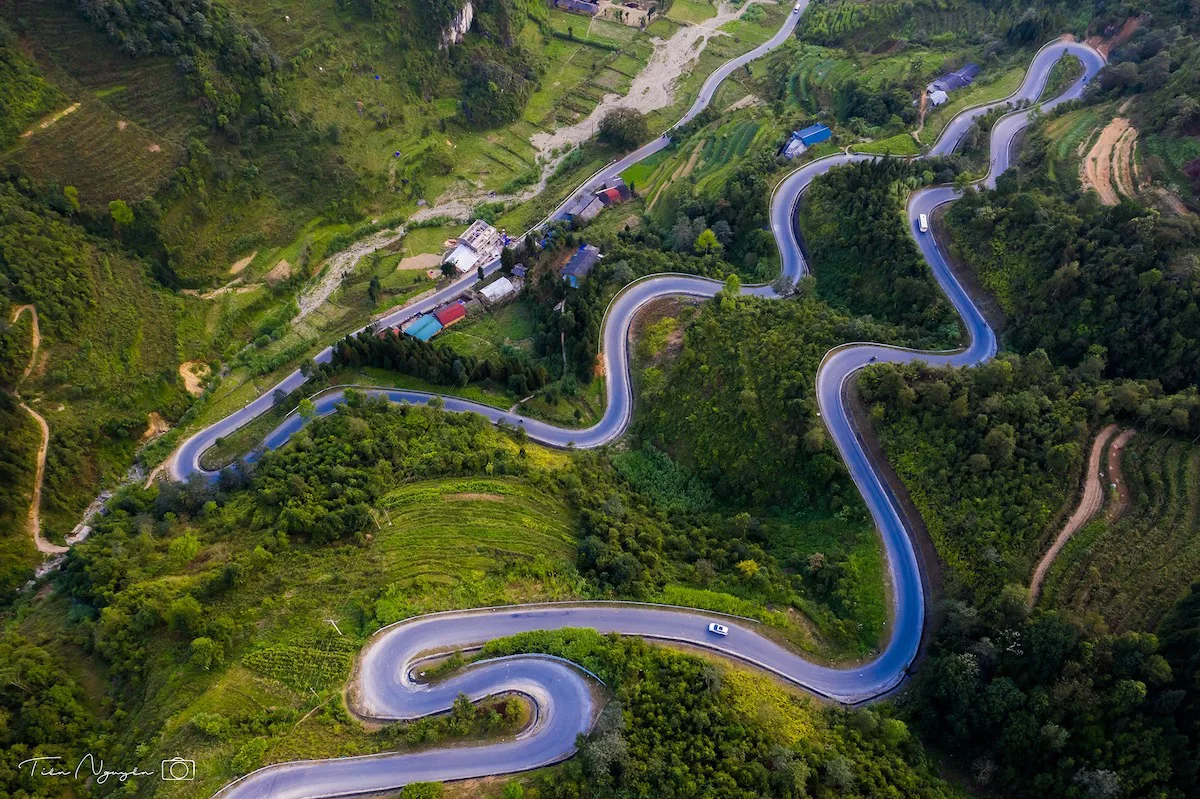
Ma Pi Leng refers to a mountain range reaching an elevation of 2,000 meters above sea level, situated within the Ba Vi commune of Meo Vac district. This pass is widely regarded as one of the most formidable mountain passes and an extraordinary natural wonder in Ha Giang. Ma Pi Leng draws considerable attention from travelers, particularly international visitors, who come to witness the magnificent natural scenery at one of northern Vietnam's premier mountain peaks. Such regional highlights contribute to the allure of Vietnam's premier urban destinations and natural wonders.
Ma Pi Leng Pass
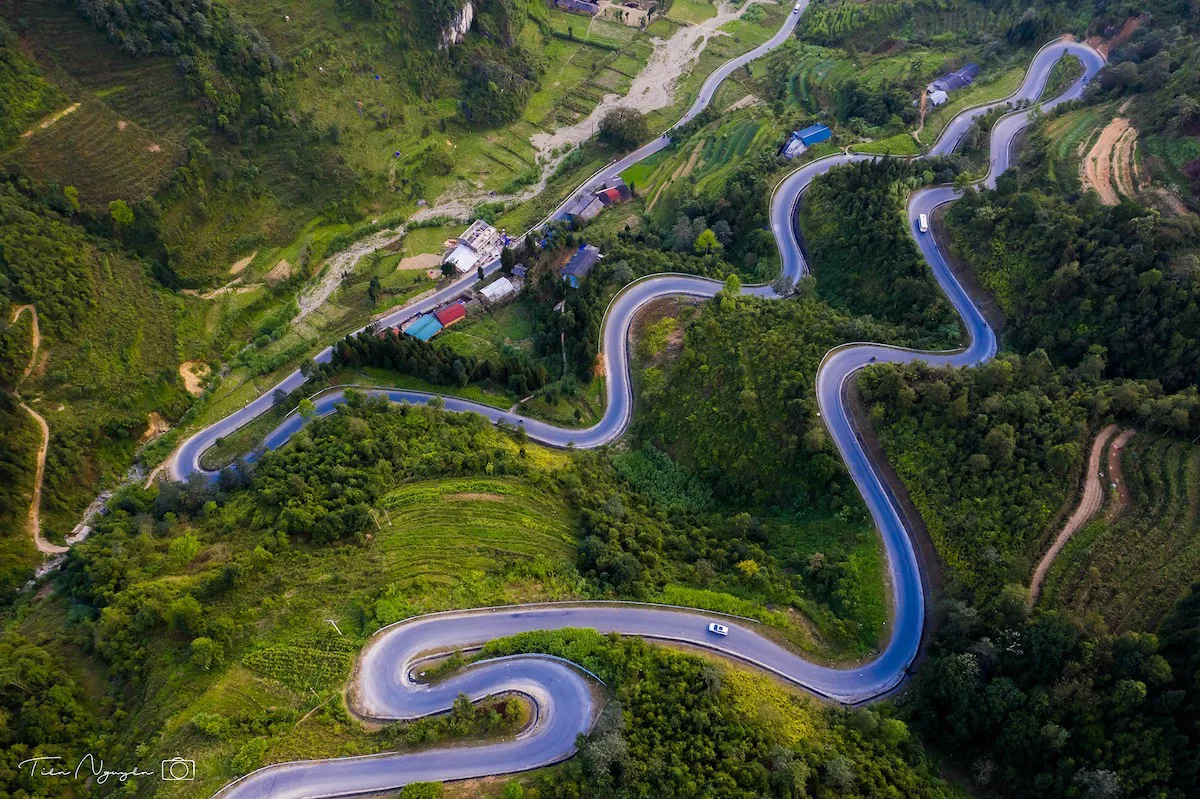
The Ma Pi Leng Pass ranks among Vietnam’s most impressive mountain roads, providing expansive viewpoints over the Nho Que River and dramatic limestone cliffs. The winding roads necessitate careful navigation, yet each turn rewards travelers with sweeping panoramic views.
Meo Vac Sunday Market
Operating every Sunday, this market serves as a lively center for ethnic culture and daily activities. Guests can observe the colorful attire of H’Mong, Dao, and Tay communities, taste regional dishes, see farm animals, and purchase handcrafted items. It offers a genuine portrayal of mountain life, excellent for photography and cultural engagement.
Nho Que River Boat Trip
Taking a boat trip through Tu San Canyon on the Nho Que River reveals emerald-colored waters flanked by towering limestone formations. Tickets are generally affordable and readily available for purchase locally. The excursion provides exceptional opportunities for photography; visitors often find the best light and fewer crowds in the early morning, when the water perfectly mirrors the mountains.
Pa Vi Village Stay
Pa Vi Village is home to H’Mong families who offer traditional stilt-house homestays. Here, visitors can engage with local customs, participate in cooking, and observe daily life. Walking through the terraced fields and interacting with villagers often becomes a memorable aspect of any trip to Meo Vac.
Dong Van and Lung Cu Flag Tower
Nearby Dong Van features a charming old town, notable for its colonial architecture and lively local atmosphere. The Lung Cu Flag Tower, situated close to the Chinese border, offers extensive mountain views and holds symbolic importance for Vietnam. Both locations make excellent additions for those planning a Ha Giang Loop itinerary.
Culinary Delights and Accommodation
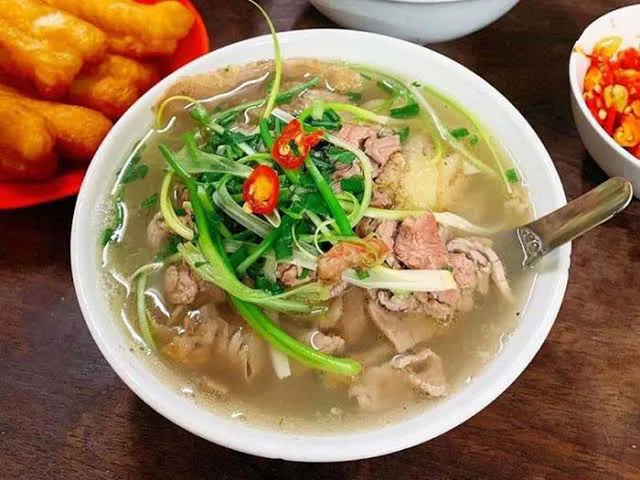
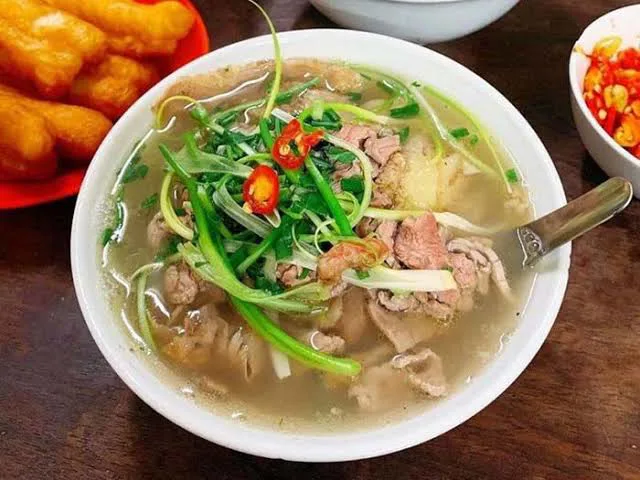
Meo Vac offers a distinctive range of local dishes, reflecting the highland culture. Among these, Thang Co, a traditional horse stew, provides a rich and robust flavor for those with an adventurous palate. Men men, a porridge made from corn powder, serves as a staple food throughout the northern highlands. Sweet or savory buckwheat cakes are frequently prepared by hand in local villages. Additionally, sour pho presents a unique regional variation of Vietnam's classic noodle soup. For beverages, corn wine, a potent and aromatic specialty of Ha Giang, is a local favorite.
Accommodation options in Meo Vac cater to different preferences, from authentic cultural experiences to more conventional comforts. Homestays, such as Pa Vi Homestay and Auberge de Meo Vac, offer cozy, genuine encounters, allowing visitors to experience local mountain life firsthand. For those seeking standard hotel amenities, Hoa Cuong Hotel provides comfortable and centrally located lodging with convenient access to markets and other points of interest. Furthermore, some smaller eco-lodges and boutique stays combine scenic surroundings with architecture inspired by local designs, providing a tranquil retreat.
Practical Advice for Travelers
Much like exploring Dong Van, discovering Meo Vac involves navigating challenging roads and elevated mountain terrain. Therefore, when preparing for a trip to Meo Vac, it is important to pack essential items such as sturdy footwear, necessary medications, a camera, and adequate provisions.
- Pack appropriate clothing: Even during summer, evenings in Meo Vac can be cool, so bringing warm layers is advisable.
- Carry sufficient cash: Automated teller machines are scarce in remote areas, and many homestays or markets primarily accept cash payments.
- Respect local traditions: Always request permission before taking photographs of individuals, and dress modestly when visiting ethnic villages. Understanding a guide to tipping practices in Vietnam can also be helpful for cultural interactions.
- Drive with caution: Mountain roads are typically narrow, winding, and steep, so take your time if operating a motorbike or driving a vehicle.
- Ensure offline navigation: Mobile phone reception is often unreliable, so having offline maps readily available is recommended.
Frequently Asked Questions
How far is Meo Vac from Ha Giang City?
The distance is approximately 110 kilometers, typically requiring a three to four-hour drive along winding, scenic mountain routes.
Is Meo Vac suitable for solo travelers?
Generally, Meo Vac is considered safe for solo travelers. However, it is recommended to remain on main roads, travel during daylight hours, and consider hiring a local guide for exploring more remote areas.
Is a permit needed to visit Meo Vac?
No special permit is generally required for most parts of Meo Vac, though some border regions might have specific restrictions. It is always wise to inquire locally if planning to venture close to the Chinese border.
Which month is best for a visit?
For golden terraces and buckwheat flowers, September to November is ideal. Alternatively, March through May offers lush green scenery.
Can Meo Vac be explored in two days?
A two-day itinerary allows visitors to see major attractions such as Ma Pi Leng Pass, the Meo Vac Market, and nearby villages. However, a three-day trip is often recommended for a more relaxed pace and deeper exploration.