Vietnamese architecture presents a compelling fusion of Asian traditions and European aesthetics, reflecting the nation's complex historical narrative. Its development can be understood through distinct periods, encompassing ancient indigenous forms, French colonial imprints, and various contemporary expressions. These architectural styles are not merely decorative but embody the country's diverse topography, climatic conditions, and evolving cultural identity.
Understanding these different stages offers a comprehensive view of Vietnam's artistic and structural legacy, revealing how external influences were adapted and integrated into a uniquely Vietnamese framework. Visitors seeking to appreciate the nation's heritage will find its buildings tell a story of resilience, innovation, and cultural synthesis.
The Foundations of Vietnamese Architecture
Situated on the Indochina Peninsula, Vietnam's building practices have consistently adapted to its varied geographical and environmental conditions. The dramatic differences between the northern highlands and the southern plains, along with a climate characterized by distinct thermal and humidity levels, necessitated highly adaptable architectural solutions. Structures were thoughtfully conceived to withstand the elements, whether constructed on basalt plateaus, along extensive coastlines, or within the fertile Red River Delta.
Early Vietnamese design principles, as noted by the Vietnam Architecture Association, were deeply intertwined with the natural surroundings and the socio-economic circumstances of the time. From modest traditional dwellings to grand palatial complexes, indigenous materials were predominantly utilized. Initially, this included resources like bamboo, various woods, leaves, and stone. Over time, more refined materials such as bricks, ceramics, and pottery became common. Essential structural components like pillars, frames, and beams were meticulously proportioned and interconnected, demonstrating a sophisticated understanding of construction.
Ancient Dynasties: Shaping Early Vietnamese Design
The progression of Vietnamese architecture varied significantly across different historical eras. The earliest forms of indigenous design are believed to have emerged during the Hung Kings dynasty. During this period, wooden structures were primarily built to offer protection from wildlife. These early homes were often designed in two distinctive shapes: one resembling a boat and another echoing the form of a tortoise shell.
The Ly Dynasty (11th Century)
The Ly dynasty, beginning in the 11th century, marked a significant advancement in architecture, coinciding with the rise of a developed feudal state. During this era, five primary architectural categories prevailed: citadels, royal palaces, fortresses, pagodas, and residential buildings. Buddhism exerted a profound influence, leading to many constructions serving religious purposes. Consequently, the cultural landscape of Thang Long Capital, modern-day Hanoi, prominently featured numerous towers and pagodas. Historical records indicate that King Ly Thai Tong oversaw the construction of 950 pagodas in 1031 alone.
Characteristic features of Ly dynasty architecture included elevated residential complexes, elaborate decorative elements on roofs, doorways, steps, and banisters, as well as distinct rounded statues. These design choices were thoughtfully integrated to suit Vietnam's climate and local customs, emphasizing both aesthetic appeal and practical functionality.
The Tran Dynasty
During the Tran Dynasty, prevalent architectural endeavors included pagodas, residential houses, temples, and citadels. Notable examples from this period include Binh Son Tower in Vinh Phuc province, Pho Minh Tower in Nam Dinh province, and Thai Lac Pagoda in Hung Yen province. The intricate design and structural layout of Pho Minh Temple stand as a remarkable testament to the artistic achievements of the Tran dynasty and subsequent centuries.
Pho Minh Temple's structure typically comprised three main sections: a reception area, a principal hall, and a sanctuary. Inner gardens and courtyards were integral to the overall complex, symbolizing a cosmic perspective. Royal palace designs often incorporated multiple stories and interconnected corridors within open-air spaces, a practical adaptation to the tropical climate.
The Le Dynasty
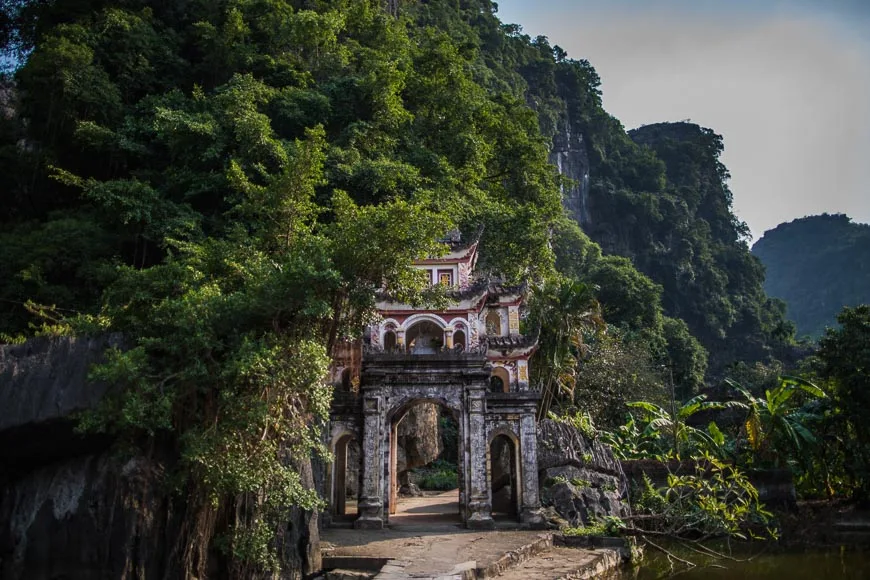
Under the rule of the Le kings, royal palaces and tombs represented the dominant architectural forms. The 16th and 17th centuries also saw considerable progress in religious architecture. But Thap Temple in Bac Ninh Province is particularly recognized for its structural elegance and ornate statues. While centralized social organization faced challenges, folk art continued to flourish, depicted in intricate carvings and paintings illustrating scenes of hunting, farming, wrestling, and other communal activities. The 18th century brought further advancements in pagoda and temple construction techniques, with Tay Phuong Pagoda and Bang Communal House emerging as exemplary works.
The Nguyen Dynasty
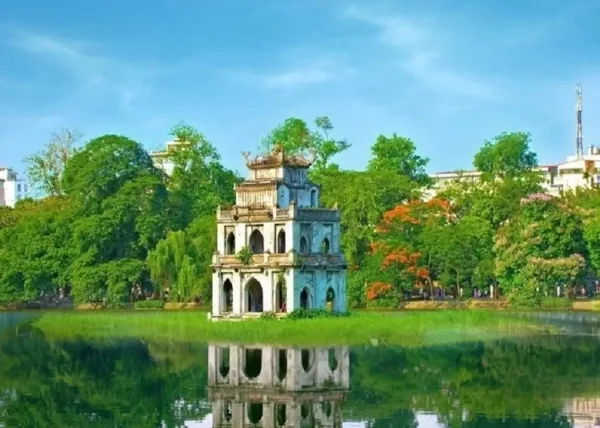
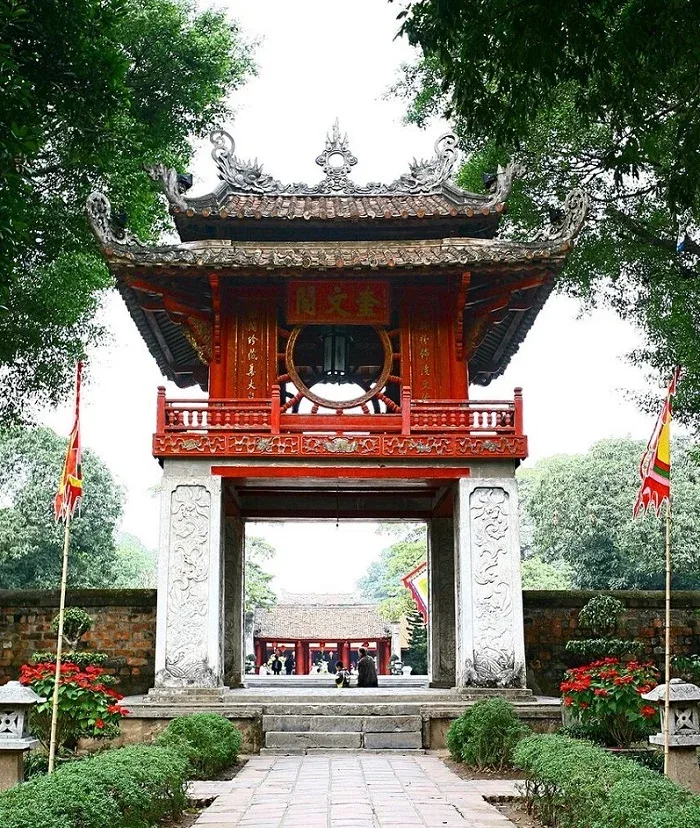
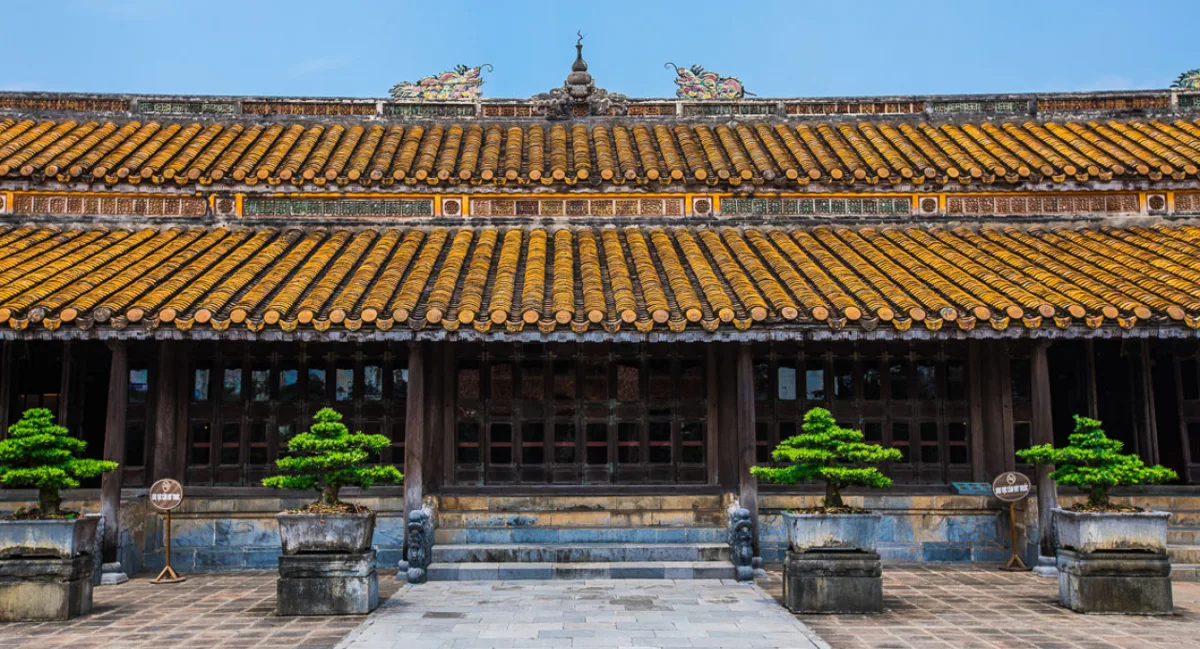
With Hue established as the capital during the Nguyen Dynasty, architectural development in the northern regions, particularly Thang Long, experienced a slowdown. However, significant structures like Khue Van Cac (Constellation of Literature pavilion) and Ngoc Son Temple were still erected in the former capital. In contrast, Hue witnessed extensive construction, with a particular emphasis on garden-house complexes. Today, visitors can still observe this distinctive design through the preserved citadels, palaces, tombs, and garden residences in Hue, which stand in contrast to the narrow, tube-style houses commonly found in Hanoi. The pavilion of the constellation of literature, Khue Van Cac, within the Temple of Literature, remains an iconic symbol of this era.
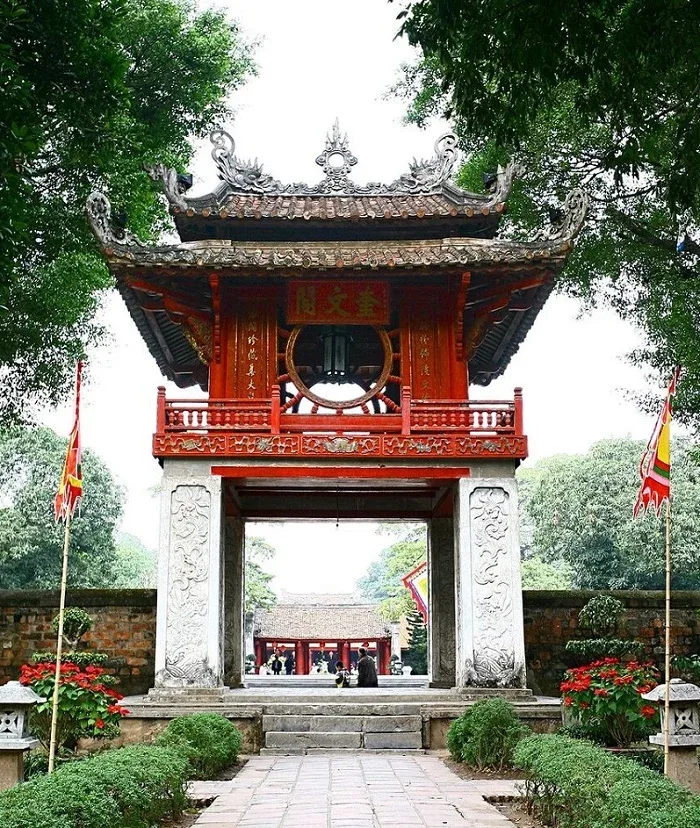
Khue Van Cac (Constellation of Literature pavilion)
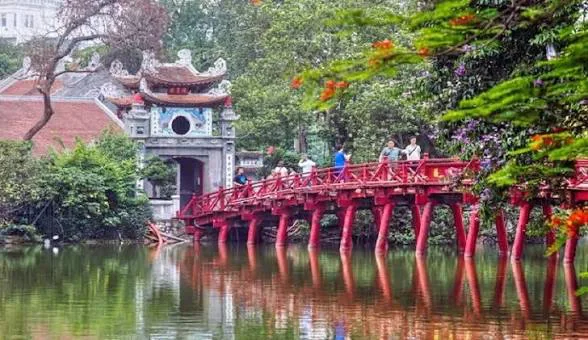
Ngoc Son Temple
Colonial Imprints: French Influence on Urban Landscapes
As one travels through Vietnam, the sudden appearance of distinctly French-style buildings often captures attention. French architecture left an enduring legacy across the country, with major cities featuring numerous grand structures from the colonial period. Many of these buildings continue to serve their original functions today, a testament to their robust construction and timeless design. This architectural style developed concurrently with the colonial administration's economic exploitation initiatives.
Given Vietnam's unique geographical and climatic conditions, which differed considerably from those in Europe, European architectural styles underwent specific modifications to suit the local weather. While many older French residences have deteriorated over time, others have been meticulously restored and repurposed as upscale hotels with French-inspired décor or fine dining establishments. A prominent example is the Hanoi Opera House, a grand structure that remains a cultural landmark.
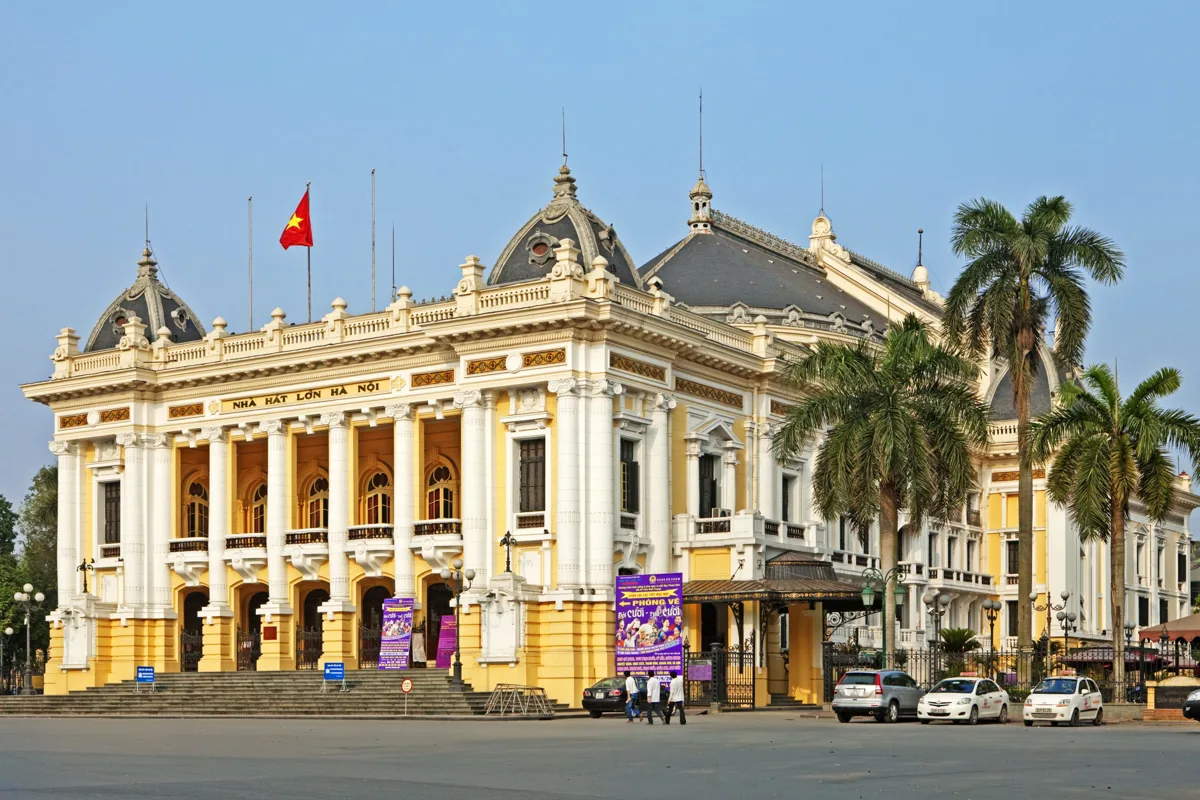
Hanoi Opera House
Vietnam's Contemporary Architectural Scene
With ongoing investment in its tourism sector, Vietnam has seen a proliferation of new architectural projects throughout the nation. This contemporary architectural phase largely began in the mid-20th century, following the conclusion of French colonial rule. Due to differing historical trajectories, architectural developments in the northern and southern regions were influenced in distinct ways. The country's economic growth and increasing global integration after the post-war renewal period led to the introduction of various international architectural trends, shaping a new design sensibility.
Initially, this period sometimes resulted in a somewhat disordered approach, characterized by the direct adoption of foreign architectural features. However, modern Vietnamese architects have increasingly sought to blend global influences with local contexts, creating innovative designs that respond to present-day needs while acknowledging the nation's heritage. Iconic structures like the Bitexco Financial Tower in Ho Chi Minh City exemplify this modern ambition, showcasing Vietnam's evolving skyline and its embrace of global design principles.
Comparing Architectural Eras in Vietnam
| Architectural Era | Key Influences | Typical Structures | Dominant Materials | Notable Characteristics |
|---|---|---|---|---|
| Ancient Dynasties | Indigenous traditions, Buddhism, Chinese (early) | Pagodas, temples, royal palaces, communal houses, stilt houses | Wood, bamboo, leaves, stone, later brick/ceramic | Adaptation to climate, intricate decoration, cosmic symbolism |
| Colonial (French) | European (Neoclassical, Art Deco) | Opera houses, post offices, villas, government buildings | Brick, concrete, steel, stucco | Grand scale, symmetrical facades, adaptation for tropics (high ceilings, verandas) |
| Modern/Contemporary | International styles, economic development | Skyscrapers, urban complexes, residential towers, public infrastructure | Concrete, steel, glass, modern composites | Functionalism, innovation, integration of global trends with local context |
Practical Insights for Architectural Enthusiasts
For those interested in exploring Vietnam's diverse architectural landscape, several locations offer exceptional opportunities. The Hanoi Old Quarter provides a window into various historical layers, showcasing traditional tube houses alongside French colonial buildings. The imperial city of Hue is paramount for understanding Nguyen Dynasty architecture, with its well-preserved citadels, palaces, and unique garden houses. Across the country, numerous temples and pagodas, such as But Thap Pagoda or Tay Phuong Pagoda, offer insights into religious building traditions and local artistry. To fully appreciate these sites, understanding the cultural etiquette and historical context is beneficial.
Beyond major urban centers, exploring ethnic stilt houses in rural areas reveals ingenious adaptations to local environments and traditional ways of life. When planning your architectural tour, consider the seasonal climate, as weather conditions can impact the comfort of your visit. Researching Vietnam entry requirements well in advance is also essential for a smooth travel experience. Each structure, from a humble communal house to a towering modern skyscraper, contributes to the rich narrative of Vietnamese architectural evolution, making every discovery a rewarding experience.
Frequently Asked Questions
What defines Vietnamese architecture?
Vietnamese architecture is characterized by its historical evolution, blending indigenous building traditions with significant influences from Chinese, French colonial, and contemporary international styles. It consistently adapts to the country's diverse climate and geography, using local materials and intricate decorative elements to reflect cultural values and historical periods.
How did climate influence traditional Vietnamese buildings?
Traditional Vietnamese buildings were designed with the tropical climate in mind, featuring elements like elevated structures to mitigate humidity and flooding, open-air layouts for natural ventilation, and wide eaves to provide shade and protection from rain. Materials such as wood, bamboo, and thatch were chosen for their availability and suitability for the local environment.
Where can I see French colonial architecture in Vietnam?
French colonial architecture is prominently visible in major Vietnamese cities like Hanoi, Ho Chi Minh City, and Da Lat. Key examples include the Hanoi Opera House, the Saigon Central Post Office, Notre Dame Cathedral in Ho Chi Minh City, and numerous former government buildings, villas, and railway stations found throughout these urban centers.
What are some examples of ancient Vietnamese structures?
Examples of ancient Vietnamese structures include the One Pillar Pagoda and Temple of Literature in Hanoi, which showcase Ly and Nguyen dynasty influences respectively. Historical pagodas like But Thap Pagoda and Tay Phuong Pagoda represent Le dynasty religious architecture, while the Imperial City in Hue stands as a significant example of Nguyen dynasty royal architecture.
How has modern architecture in Vietnam evolved?
Modern Vietnamese architecture, emerging post-colonialism, initially saw the adoption of various international styles. As the economy developed and global integration increased, it evolved to combine contemporary design principles with local context and innovation. Iconic skyscrapers and large-scale urban developments, such as the Bitexco Financial Tower, now define many cityscapes, reflecting Vietnam's forward-looking growth.