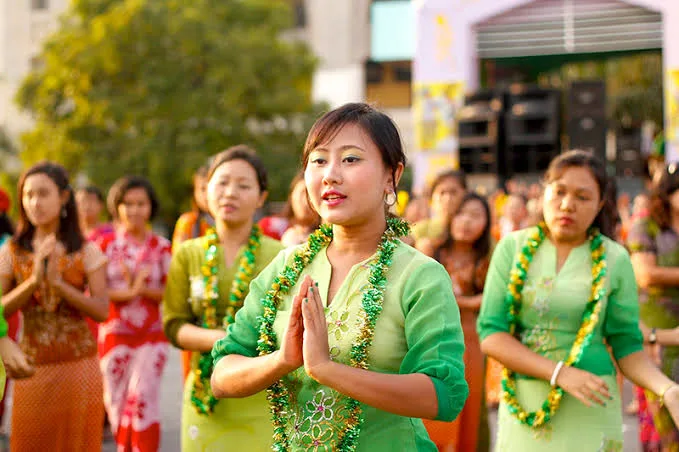
Thingyan, Myanmar's traditional New Year festival, is a significant cultural event celebrated annually around the middle of April. This festive period is widely recognized as the Water Festival, where individuals engage in throwing or spraying water at one another. This practice serves as a symbolic purification, washing away the misfortunes and impurities of the past year and welcoming a prosperous new one.
The celebration typically spans several days, usually from the 13th to the 16th of April, though exact dates can vary slightly based on the lunisolar calendar. It is a time of immense anticipation and collective joy for the Burmese populace. Travelers visiting Myanmar during this period have a unique opportunity to witness and participate in one of the country's most cherished traditions.
The Roots of Thingyan: A Cultural Overview
The origins of the Thingyan Festival are deeply embedded in ancient beliefs, drawing from a Buddhist interpretation of a Hindu myth. The term 'Thingyan' itself is derived from Sanskrit, signifying the 'transit of the Sun from Pisces to Aries,' marking a celestial shift that heralds the start of a new astrological year. According to lore, the festival commemorates a time when the head of Brahma, a powerful deity, changed hands after a divine gamble with the Devas.
This annual observance shares conceptual similarities with other New Year celebrations across Southeast Asia, such as Thailand's Songkran, Laos's Buon Pi Mai, and the Cambodian New Year. While each festival boasts its distinct local customs, the shared element of water as a purifier and a symbol of renewal connects these regional traditions, reflecting a common spiritual thread that runs through many cultures in the area.
Experiencing the Festival: Day-by-Day Celebrations
The Thingyan Festival unfolds over three to five days, with each day designated for specific customs and activities, culminating in the New Year itself.
Day 1: Thingyan Eve
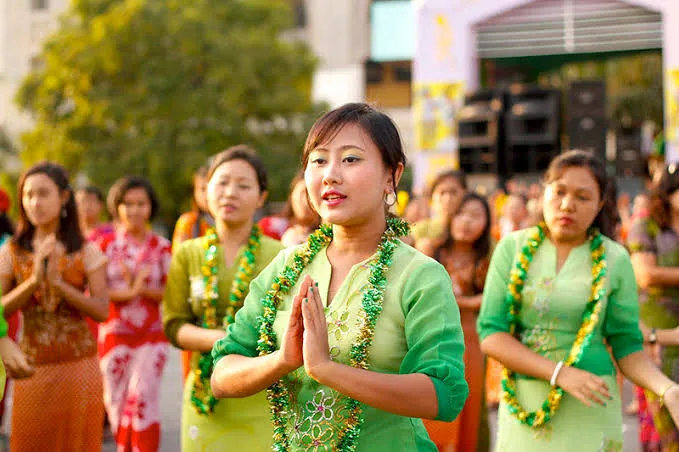
On the eve of the festival, the atmosphere is largely spiritual. People typically visit local temples and pagodas to perform acts of merit. They offer alms to monks, respectfully wash Buddha images, and engage in prayers for personal well-being and a fortunate year ahead. As evening approaches, a more secular celebration commences, with communities gathering in neighborhoods across the nation to enjoy public singing and dancing performances.
Day 2 & 3: The Main Water Fights
The second day is often considered the peak of the water-throwing festivities. It is believed that Thagya Min, revered as the King of Nat spirits, descends from the celestial realm to Earth on this day. Streets transform into lively arenas where participants equip themselves with buckets, hoses, and water guns, dousing anyone in sight. This widespread water splashing is thought to cleanse individuals of past misdeeds and ward off bad luck, thereby ensuring health and happiness in the coming year. The general sentiment is that receiving more water signifies greater blessings.
Throughout these days, temporary food stations are established in many areas, providing sustenance for revelers. These stalls offer a variety of traditional Burmese dishes and sweets. Even as Thagya Min is believed to return to the heavens on the third day, many continue the water-splashing activities until late afternoon. Locals sometimes joke about 'Thagya Min returning for his pipe,' a playful warning to run and avoid a final dousing.
Day 4: New Year's Day Observances
The final day of Thingyan, marking the official New Year, shifts focus toward acts of gratitude and compassion. Younger generations often show respect to their elders by bathing them, washing their hair, and trimming their nails. Offerings of food are made to monks, and Buddha statues receive ceremonial baths. A widespread tradition involves purchasing live fish and releasing them into rivers or lakes, a practice accompanied by the saying, 'I release you once, you release me ten times,' symbolizing mutual liberation and good karma.
Regional Celebrations and Culinary Traditions
Thingyan is celebrated across nearly all parts of Myanmar, making it a truly national event. While the festivities are widespread, the most elaborate and extensive celebrations typically occur in major urban centers such as Yangon and Nay Pyi Taw. However, other prominent destinations like Inle Lake, Mandalay, and Bagan also host significant public gatherings.
Visitors can easily identify celebration hubs by the presence of temporary bamboo stages, live music, and groups of people dancing and singing, all amidst a constant flow of water. These temporary kitchens serve traditional local dining experiences, offering a taste of Burmese culinary heritage. During the festival, specific culinary delights become widely available. These include Mont Lat Saung, a traditional Burmese beverage; Shwe-yin-aye & Mont-lat-saung, popular Burmese desserts; Mote Lone Yay Paw, a sweet snack; and Thingyan hta-min, a special savory dish often prepared for the occasion.
Navigating Thingyan: Essential Tips for Visitors
Participating in Thingyan can be an exhilarating experience, but understanding local customs and practical advice can enhance your enjoyment and ensure respectful engagement with the festivities.
- Appropriate Attire: Opt for lightweight, quick-drying clothing and comfortable, non-slip footwear. Consider wearing a swimsuit beneath your outer layers, as streets can become very slippery, and you may need to move quickly to avoid or engage in water fights. When preparing for a visit during this time, packing light, quick-drying clothes and waterproof protection for electronics is advisable, much like considering an essential packing guide for any Southeast Asian adventure.
- Safeguarding Valuables: It is crucial to protect personal items such as money and mobile phones by securing them in waterproof bags. These are readily available from street vendors. Keeping your bag visible and in front of you can help deter opportunistic theft. For added security, consider leaving your passport and other vital documents at your hotel's reception.
- Embrace Participation: Do not hesitate to join the water fun! Grab a water gun or a bucket and engage with both acquaintances and strangers. The festival is a communal experience, and participation is a sign of good spirits.
- Respectful Conduct: Certain individuals are exempt from water splashing. This includes monks, elderly individuals, pregnant women, and infants. Additionally, it is customary to avoid dousing people dressed in white shirts and brown longyis, as these often signify religious observers.
- Sacred Spaces: Refrain from throwing water inside or near pagodas and other religious sites. These are places of peaceful prayer and merit-making, where people often walk barefoot, making wet floors hazardous and disrespectful.
- Modest Dress: Myanmar culture is generally conservative. It is advisable to wear clothing that covers the shoulders and knees, even during the water festival. Avoiding overly revealing attire demonstrates respect for local customs. Adhering to local customs, such as showing deference to revered individuals and dressing appropriately, mirrors the cultural etiquette for travelers across the region.
- Safety First: It is strongly recommended to avoid driving if you plan to consume alcohol during the festival. This period unfortunately sees a rise in accidents due to impaired driving. Prioritizing personal safety is paramount.
Regardless of nationality, joining the Thingyan Festival offers a chance for significant enjoyment and a refreshing respite from the April heat. Beyond the fun, there is a deep-seated belief that participation ushers in a fortunate new year. A trip to Myanmar during this celebratory season promises a truly memorable cultural experience.
Regional New Year Festivals: A Comparison
| Festival Name | Country | Primary Activity | Approximate Dates |
|---|---|---|---|
| Thingyan | Myanmar | Water throwing, spiritual observances | Mid-April |
| Songkran | Thailand | Water throwing, temple visits | Mid-April |
| Buon Pi Mai | Laos | Water throwing, Buddhist ceremonies | Mid-April |
| Cambodian New Year | Cambodia | Traditional games, water rituals | Mid-April |
| Sinhalese New Year | Sri Lanka | Rituals, traditional games, food | Mid-April |
Frequently Asked Questions
When does Thingyan Festival usually occur?
The Thingyan Festival typically takes place in the middle of April each year. The specific dates can vary slightly based on the Burmese lunisolar calendar, but it generally falls between April 13th and 16th.
What is the significance of throwing water during Thingyan?
Throwing water during Thingyan is a deeply symbolic act. It is believed to wash away the previous year's sins, bad luck, and impurities, preparing individuals for a fresh start and a prosperous new year filled with health and happiness.
Are there specific customs for Thingyan Eve?
Yes, Thingyan Eve is primarily dedicated to spiritual practices. People visit temples and pagodas to make offerings to monks, wash Buddha images, and pray for good fortune. In the evening, communities often gather for cultural performances, including singing and dancing.
What kind of food is popular during Thingyan?
During Thingyan, various traditional Burmese delicacies are enjoyed. Popular items include Mont Lat Saung (a sweet drink), Shwe-yin-aye & Mont-lat-saung (desserts), Mote Lone Yay Paw (a sweet glutinous rice ball snack), and Thingyan hta-min (a special savory rice dish).
Is it safe for tourists to participate in the water festival?
Yes, it is generally safe and encouraged for tourists to participate in the Thingyan water festival. However, it's essential to follow local customs, protect valuables with waterproof bags, dress modestly, and avoid dousing certain individuals or sacred sites as a sign of respect.