Planning what to bring for a journey to Vietnam can often be a source of concern for travelers. With its varied geography and distinct seasonal weather patterns, selecting the right items is key to a comfortable and enjoyable visit. This comprehensive guide aims to simplify your preparations, offering clear recommendations on everything from important documents to appropriate attire and essential personal belongings.
Essential Travel Documents
Securing all necessary travel documents is the foremost step in preparing for your trip. Your passport is indispensable, and if required for your nationality, ensure you have a valid Vietnam visa. It is also prudent to carry travel insurance details, flight confirmations, and any other travel vouchers for accommodations or tours. As a precaution, keep digital and physical copies of your passport photos stored separately from your main documents. Always check for the latest travel information before departure to ensure you have all current requirements.
Clothing Considerations for Vietnam's Climate
Vietnam's elongated shape results in significant climatic differences across its regions and seasons. Before packing clothes, research the specific weather conditions for your travel dates and destinations. This will help you choose appropriate attire for the diverse environments you might encounter.
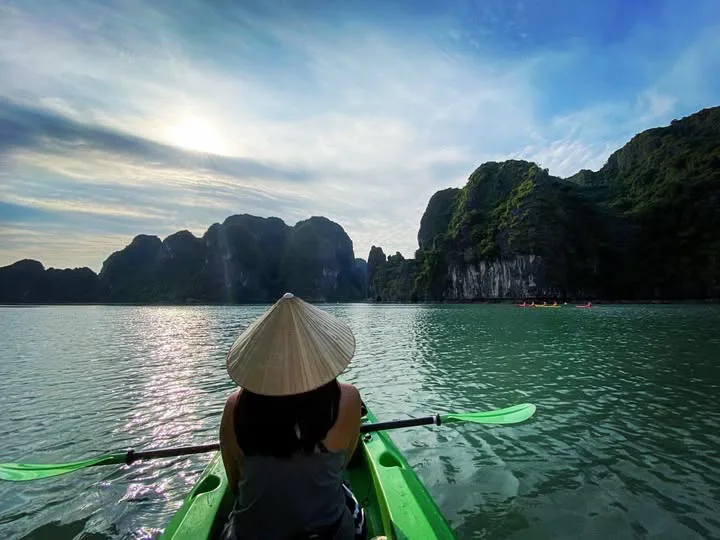
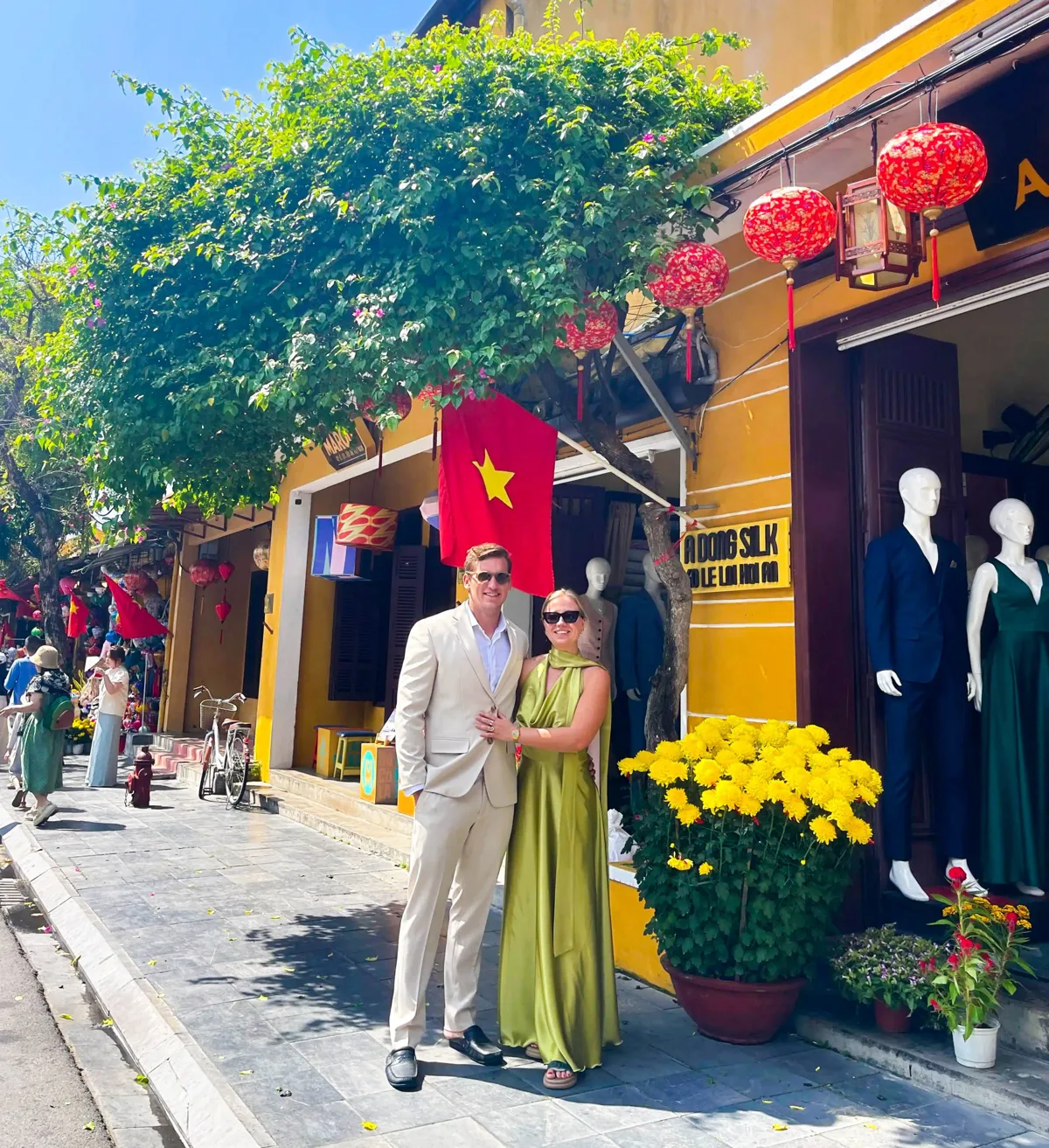
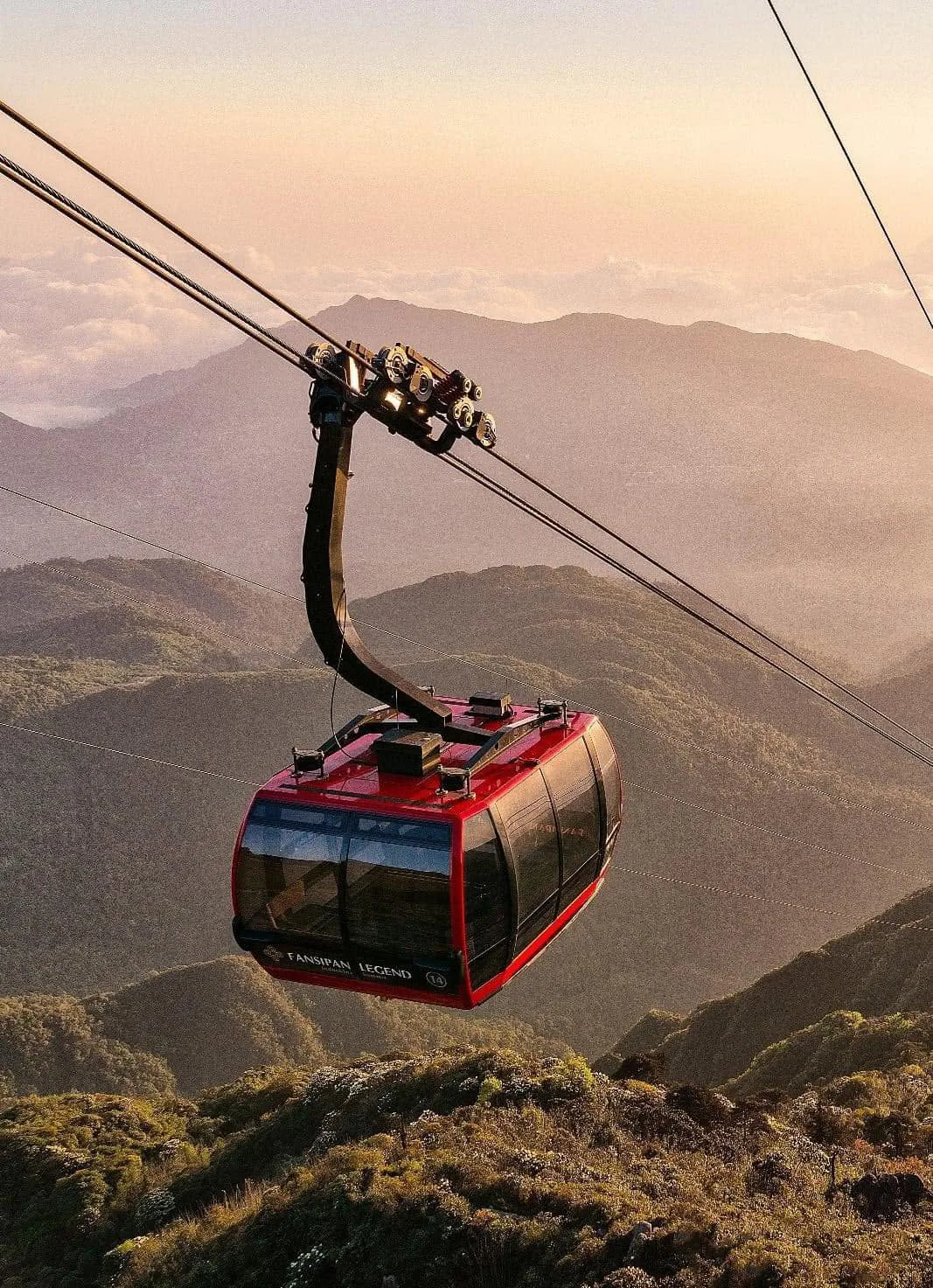
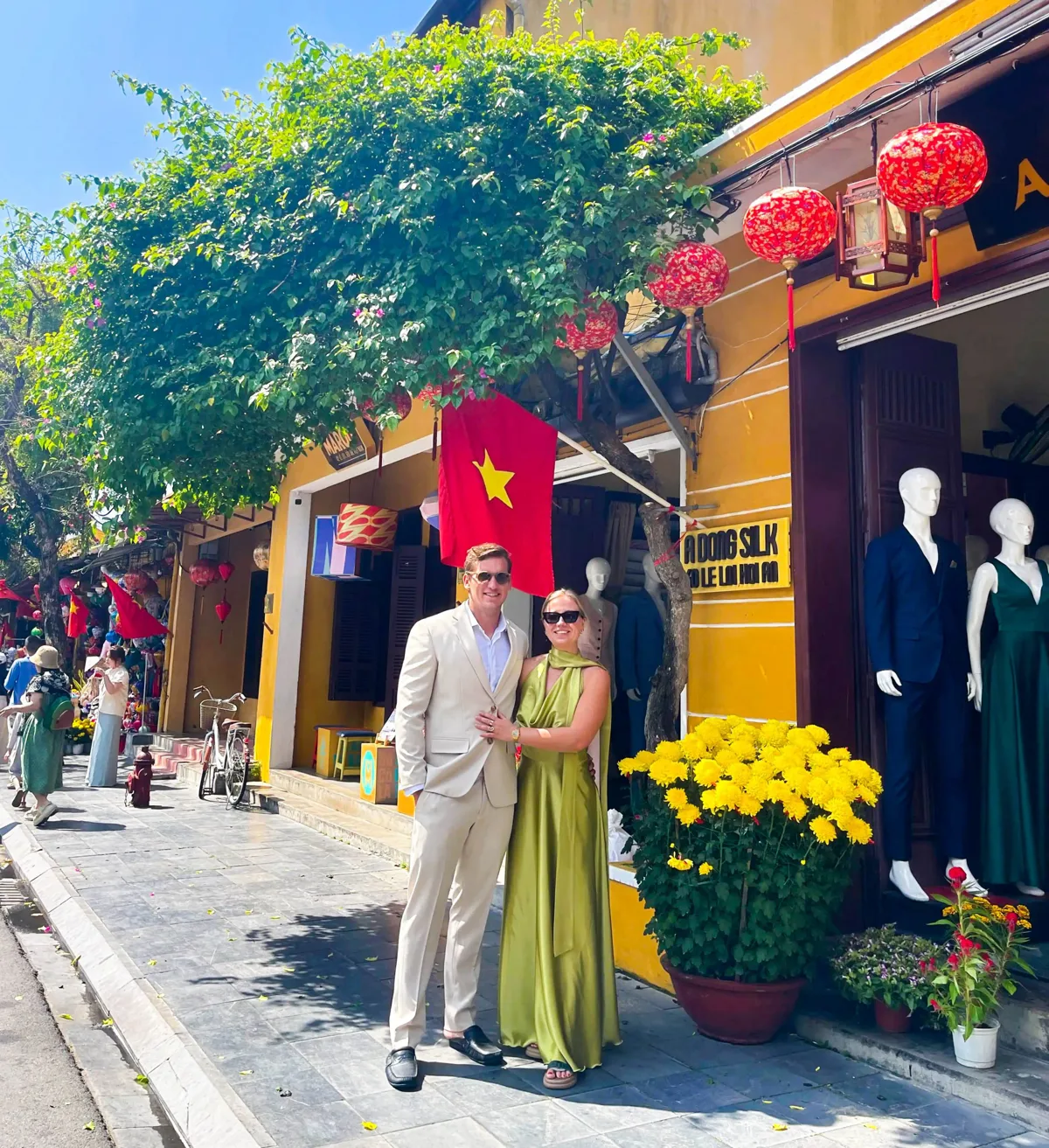
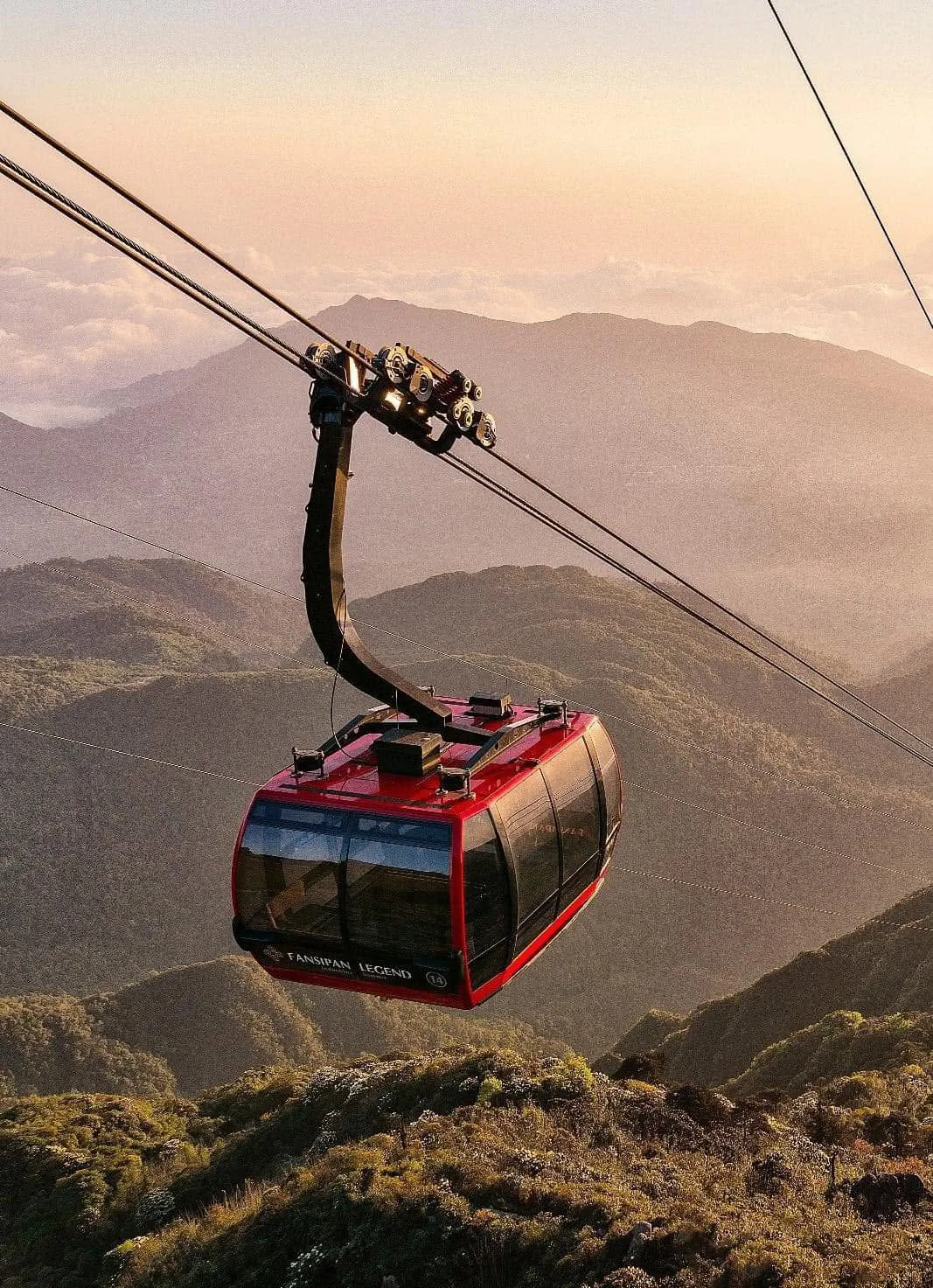
For urban centers like Ho Chi Minh City, Hanoi, Hue, and Hoi An during warmer months, light clothing such as shorts and t-shirts are suitable. If your itinerary includes coastal areas or islands like Nha Trang, Mui Ne, Phu Quoc, or Halong Bay, remember to include swimwear. Mountainous regions such as Sapa Town and Da Lat, along with evenings in Halong Bay, may require a light jacket. For visits to religious sites or significant cultural landmarks, including the Ho Chi Minh Complex, pagodas, or temples, long trousers and long-sleeved shirts are often expected. Comfortable footwear like flip-flops and sneakers are practical for daily walking, while specialized shoes are advisable for activities such as cycling, trekking, or climbing.
The sun in Vietnam can be intense, especially during summer. Packing a scarf for sun protection, a wide-brimmed hat, sunglasses, and sunscreen is highly recommended. For those traveling to northern Vietnam during winter, warmer items like an anorak, sweater, or micro-fleece are essential. Additionally, a lightweight raincoat and a compact umbrella are useful additions to your daypack, as sudden showers can occur.
When packing, aim for efficiency. Bringing one or two items of each clothing type is often sufficient, even for extended stays. Laundry services are widely available in major cities such as Ho Chi Minh City, Da Nang, Hanoi, and Nha Trang, and are known to be particularly quick and affordable in Hoi An. You can typically drop off clothes in the morning and collect them in the afternoon, regardless of the weather.
Managing Finances in Vietnam
While traveling in Vietnam, it is not necessary to carry large amounts of cash. Automated Teller Machines (ATMs) are readily accessible in most areas, offering convenient cash withdrawals at favorable exchange rates. However, it is advisable to keep a supply of smaller denomination Vietnamese Dong for minor purchases or transportation fares. For more detailed information on financial services, consider exploring guides on banking in Ho Chi Minh City.
Health and Personal Care Items
A selection of personal health items should be part of your packing list. This includes any specific prescription medications you require, alongside general remedies like lip balm, aspirin, rehydration salts, or motion sickness tablets. A basic first-aid kit is particularly important if you plan to visit more remote locations. Given Vietnam's tropical climate, antibacterial hand gel and insect bite cream are also highly recommended.
For personal hygiene, you may choose to bring your own travel hair dryer, bath towel, and shaving equipment. Many hotels and hostels in Vietnam provide these items, but having your own ensures comfort and availability. It is a good practice to keep essential toiletries in your daypack for excursions.
Electronic Devices and Adapters
Modern communication devices like smartphones or tablets are highly useful for travel in Vietnam, as internet and Wi-Fi access are widespread. Vietnam operates on a 220V electrical system, so travelers from countries with different voltage standards should bring an appropriate electrical adapter for their devices. Chargers and pre-charged portable power banks are crucial for maintaining device functionality, especially during longer travel days or when access to power outlets is limited.
Practical Packing Tips
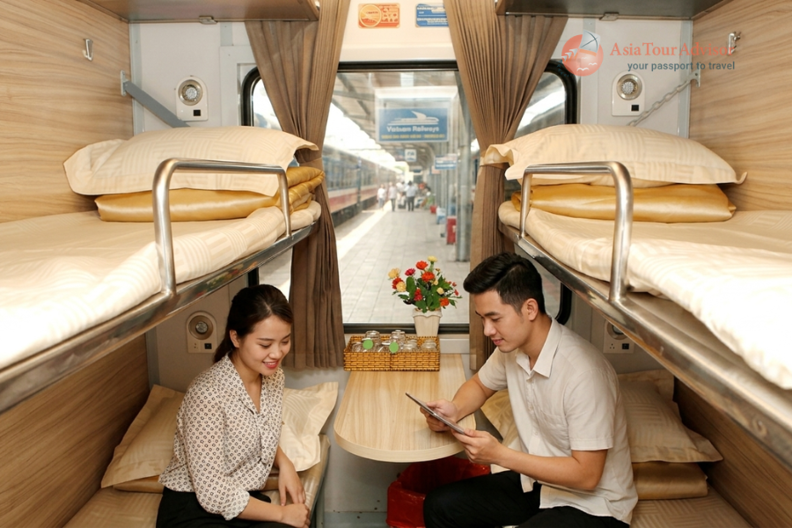
Efficient packing can greatly enhance your travel experience, particularly when utilizing various modes of transport such as buses or trains. Opting for lightweight luggage makes navigating terminals and transferring between locations much easier. Consider rolling clothes to save space and minimize wrinkles. Organize items into packing cubes or separate bags to keep your belongings tidy and easily accessible. Remember that many common items can be purchased locally upon arrival, reducing the need to pack everything from home.
Frequently Asked Questions
What type of electrical adapter do I need for Vietnam?
Vietnam uses a 220V electrical system with Type A, C, and G outlets. Travelers should bring a universal travel adapter that supports these plug types if their devices use a different standard.
Is it safe to drink tap water in Vietnam?
It is generally not recommended to drink tap water in Vietnam. Bottled water is widely available and should be used for drinking. Many hotels also provide complimentary bottled water.
Can I use my credit or debit card everywhere in Vietnam?
Credit and debit cards are accepted in larger hotels, restaurants, and shops in major cities. However, for smaller vendors, local markets, and rural areas, cash is the primary method of payment. ATMs are common for cash withdrawals.
What is the best way to carry money in Vietnam?
It is advisable to carry a mix of cash (Vietnamese Dong) for daily expenses and a credit/debit card for larger purchases or emergencies. Keep your money in a secure place, such as a money belt or a secure inner pocket, and avoid displaying large sums of cash.
Are there specific items I should avoid packing for cultural reasons?
While there are no strict prohibitions on common travel items, it's respectful to dress modestly when visiting religious sites. Avoid overly revealing clothing in such contexts. Otherwise, standard travel items are generally acceptable.