Vietnam presents a compelling destination for travelers seeking distinctive mementos and locally produced goods. Beyond its scenic landscapes and historical sites, the country offers a rich selection of items that reflect its cultural heritage and artisanal skill. Whether you are interested in custom-made apparel, traditional crafts, or unique culinary ingredients, Vietnam provides numerous opportunities to acquire items that will serve as lasting reminders of your travels.
Traditional Vietnamese Apparel and Textiles
Vietnam holds a reputation for its textile industry, with exports reaching significant figures annually. This expertise translates into a wide array of clothing and fabric products available to visitors, often at competitive prices.
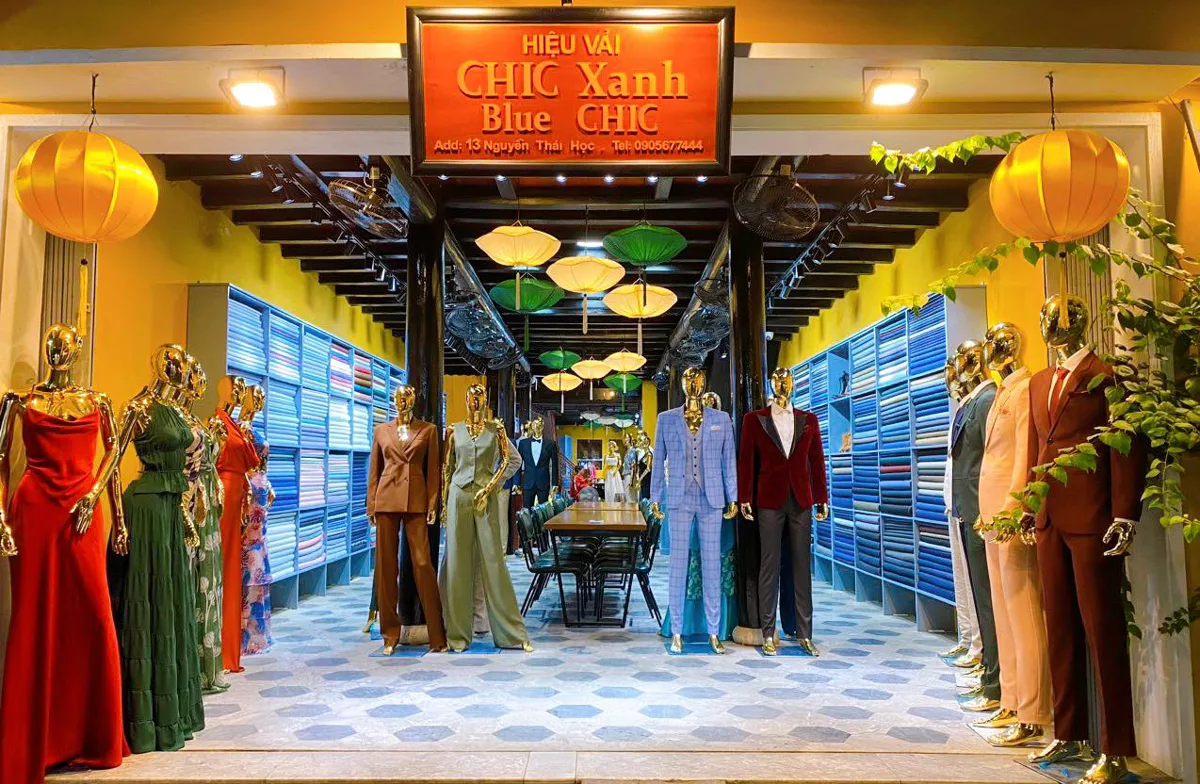
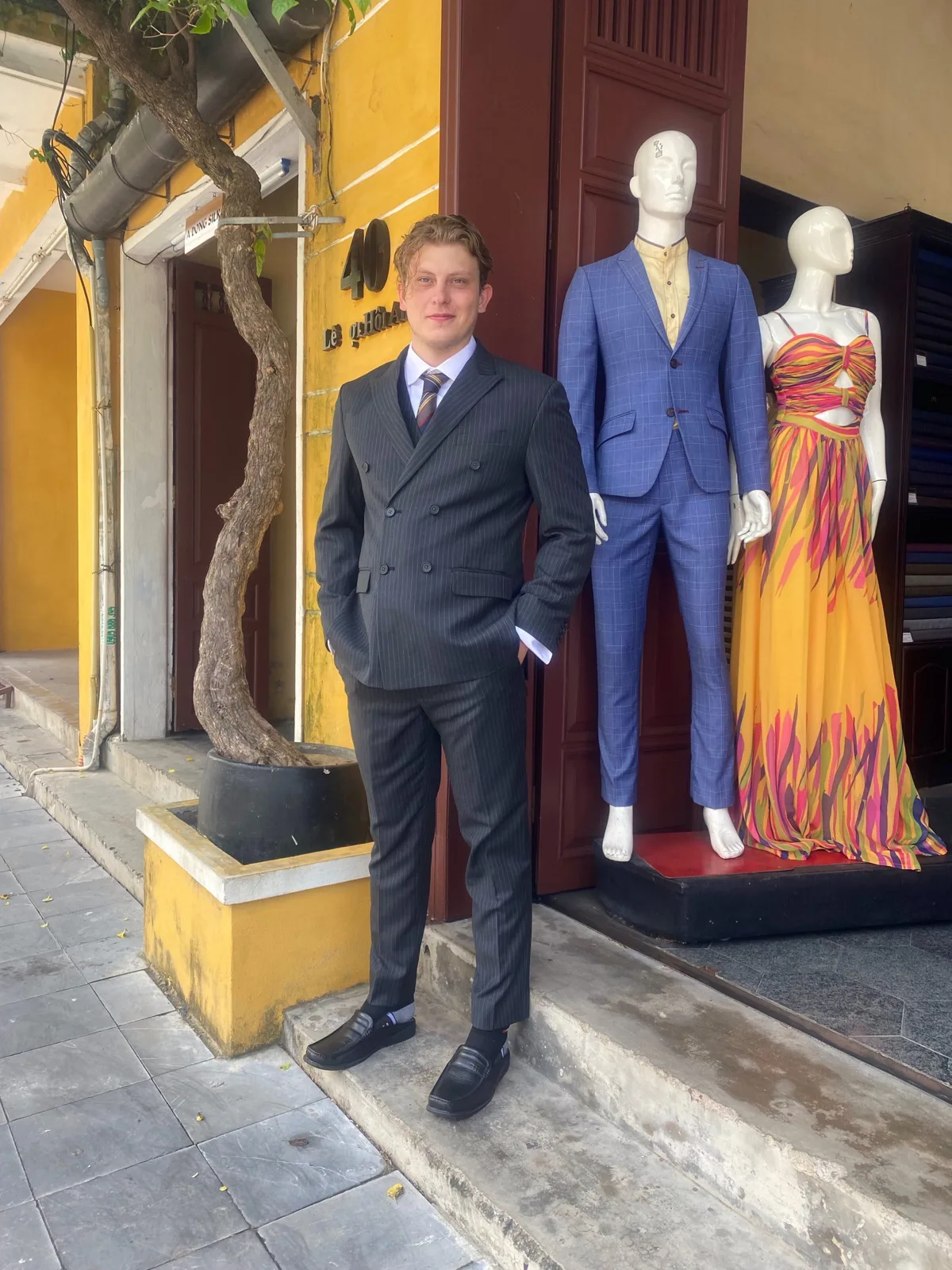
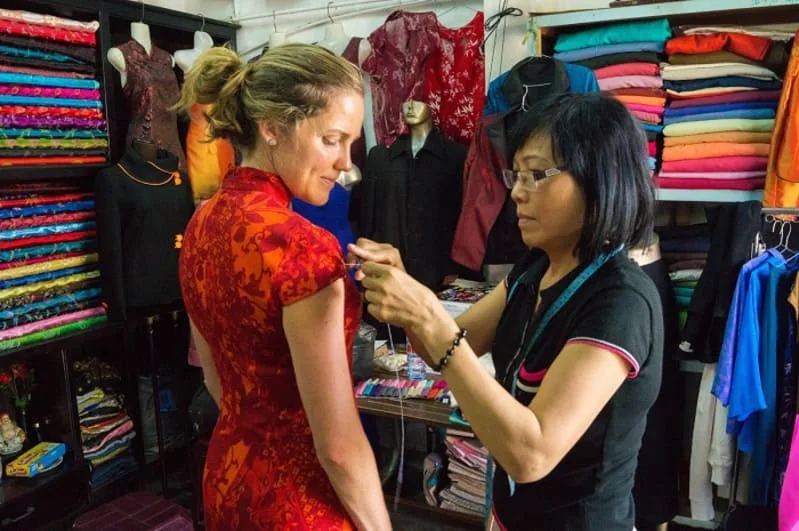
Custom Tailored Clothing
Many visitors choose to have garments custom-made, taking advantage of the country's skilled tailors. These establishments are known for their meticulous attention to detail and personalized service, guiding clients through fabric selection and design adjustments. The process is typically efficient, with many items completed within a few days.
- Cazo Tailor (Hanoi): Located at No.23 Ly Quoc Su, Hoan Kiem, Hanoi. Phone: 0967226825. This establishment focuses on a personalized bespoke experience, with consultations covering individual style and purpose. Suits begin at US $250 (price subject to change). Booking an appointment in advance via their website is advisable for those with limited time. They offer services like expedited tailoring and delivery.
- PAUL Bespoke Tailoring (Da Nang): Situated at 17 Hung Vuong, Hai Chau 1, Hai Chau, Da Nang. This shop is recognized for its custom-made apparel, prioritizing precise fit and individual style.
- Nhut Tailor (Ho Chi Minh City): Found at 106 Ly Tu Trong, Ben Thanh Ward, District 1, Ho Chi Minh City. Nhut Tailor is another respected option for custom suits, known for its focus on accurate fit and detailed work.
Ao Dai: The National Dress
The Ao Dai, Vietnam's national attire, is a graceful two-piece outfit comprising a long, form-fitting tunic worn over trousers. It is celebrated for its elegant silhouette that complements the wearer's figure while maintaining a modest appearance, suitable for formal occasions.
- Ao dai Minh Duc (Hanoi): Address: 41 Dang Tien Dong Street, Trung Liet Ward, Dong Da District.
- Ao dai Bich Thuy (Hue): Address: 47 Vo Thi Sau Street, Phu Hoi Ward.
- Ao dai Ngoc Chau (Ho Chi Minh City): Address: 148 Nguyen Thien Thuat Street, Ward 3, District 3.
Ready-made Ao Dai can be purchased at tourist markets, with prices typically ranging from US $15-30 (price subject to change).
Vietnamese Silk
Historically a luxury item, Vietnamese silk is now more accessible and widely used in various garments, including the Ao Dai. Its diverse colors and intricate patterns appeal to many shoppers.
- Van Phuc Silk Village (Hanoi): A traditional village specializing in silk production.
- Hoi An Silk Village (Hoi An): Another prominent location for acquiring silk products.
Silk fabric is generally available for US $3.5-5 per meter (price subject to change).
Embroidered Artworks
Vietnamese embroidery often features natural landscapes and wildlife, making for thoughtful gifts that are easy to transport. These handcrafted pieces vary in complexity, size, and subject matter.
Hand embroideries are commonly found in souvenir shops and art galleries throughout tourist areas. The price of an embroidered item, such as a small Vietnam flag patch, can be as low as US $2.5 (price subject to change), with larger or more intricate pieces costing more.
Artisanal Crafts and Home Decor
The country's rich artistic traditions are evident in its range of handcrafted items, from practical headwear to decorative lanterns.
Handmade Lanterns
Originating from Hoi An, where locals adapted Chinese lantern designs, these items have become a symbol of the ancient town. They are now popular across Vietnam and are considered meaningful gifts, believed to carry wishes.
- Hanoi: Hang Ma Street is known for its decorative items, including lanterns.
- Hoi An: The Hoi An Night Market on Nguyen Hoang Street offers a wide selection.
Lanterns typically cost between US $5-10 (price subject to change), with prices varying by size and design.
Non La: The Conical Hat
The Non La, or Vietnamese conical hat, is an iconic symbol associated with farmers and women wearing the Ao Dai. Traditionally made from palm leaves and bamboo, it offers protection from sun and rain. While authentic versions for agricultural use are thicker, souvenir hats are often lighter for easier transport.
- Hanoi: Lang Chuong village has a three-century history of making Non La.
- Ho Chi Minh City: Saigon Square and Nguyen Trai Street are popular places to find them.
Prices for Non La range from US $2-5 (price subject to change), depending on quality and size. Travelers often wear them to the airport to avoid packing difficulties.
Ethnic Handicraft Products
Vietnam is home to 54 ethnic groups, each contributing distinct cultural expressions to handicraft products. These items often feature unique patterns and styles, including scarf bags, textiles, paintings, clothing, and woodwork.
- Ho Chi Minh City: Duy Tan Saigon Artisan at 84 Le Loi, District 1.
- Hanoi: Craft-Link at 43-51 Van Mieu Street.
- Sapa: Ha Bac market offers local crafts. Visitors to Sapa can also explore the region's natural beauty, including ascending Mount Fansipan by cable car.
- Da Nang: Thanh Vinh Traditional Handicrafts Shop at 54 Nguyen Thai Hoc, Hai Chau District.
These products are widely available, with prices generally ranging from US $2-10 (price subject to change) for common items. Authentic handmade pieces may be more expensive.
Pottery and Ceramics
Vietnamese pottery and ceramics have evolved significantly over centuries, now meeting international standards and adorning homes globally. They represent both an art form and an important industry.
- Bat Trang (Hanoi): A traditional pottery village.
- Thanh Ha (Hoi An): Another historic pottery village.
- Phuoc Tich (Hue): Known for its traditional ceramics.
A simple water cup can cost around US $3-4 (price subject to change).
Musical Instruments
Vietnam's diverse ethnic groups have developed various musical instruments from materials like wood, bamboo, bronze, and even stone. These instruments offer a glimpse into the country's cultural depth.
- Hanoi: Hao Nam Street, near the Vietnam National Institute of Music, features many instrument shops.
- Ho Chi Minh City: Dien Bien Phu Street hosts several large musical stores.
For travelers with limited luggage space, miniature instruments or simple flutes are available, typically priced around US $5-10 (price subject to change).
Culinary Delights and Beverages to Bring Home
Vietnamese cuisine is renowned globally, and many of its distinctive flavors can be purchased to recreate dishes or enjoy as snacks long after your trip.
Nuoc Mam (Fish Sauce)
Fish sauce is a fundamental ingredient in Vietnamese cooking, often considered the essence of many dishes. It serves as both a seasoning and a dipping sauce, contributing to the unique taste of local food.
Notable regions and brands for fish sauce include Cat Hai island, Nha Trang, Phan Thiet, Phu Quoc island, and the Chinsu brand. A 520ml bottle typically costs between US $3-8 (price subject to change). When traveling with fish sauce, it is important to check airline policies and use sealed bags to prevent leaks.
Vietnamese Coffee Grounds and Phin Filter
Vietnamese coffee is celebrated for its strong, rich flavor. The traditional method involves a 'phin' filter, a metal device that allows hot water to slowly drip through coffee grounds into a cup below, producing a concentrated brew.
Coffee grounds and phin filters are readily available in most supermarkets. Popular brands include Trung Nguyen, Vinacaffe, and Art Coffee. A 500g pack of Trung Nguyen coffee grounds, a well-known brand, can be purchased for approximately US $4-5 (price subject to change).
Fresh Tropical Fruit
Vietnam's climate supports a wide variety of tropical fruits, many of which are available at low prices. Beyond familiar options like mangoes and bananas, visitors can try less common varieties.
Fruits are sold by street vendors and in markets across the country. Prices generally range from US $1-3 per kilogram (price subject to change), excluding durian. Consider trying rambutan, mangosteen, custard apple, soursop, or durian for a unique experience.
Coconut Candy
Ben Tre province is particularly known for its coconut candy. These sweet treats come in various flavors, including cocoa, ginger, peanuts, coffee, pandan, taro, and even durian. They are often enjoyed with a cup of tea.
While primarily produced in Ben Tre, coconut candies are available in supermarkets, grocery stores, and souvenir shops nationwide. A pack typically costs between US $1.5-4 (price subject to change).
Mung Bean Pastry (Banh Dau Xanh)
Banh Dau Xanh, a sweet mung bean cube that dissolves in the mouth, is a specialty of Hai Duong province. This buttery pastry is made from mung bean powder, pomelo essence, sugar, and fat, and is commonly consumed with afternoon tea.
As a common snack, it can be found in supermarkets or from well-known brands like Nguyen Huong, Minh Ngoc, and Hoa An. A small box (180-200gr) costs around US $1 (price subject to change).
O Mai (Candied Fruits)
O Mai refers to Vietnamese-style candied fruits. Fruits are prepared, then marinated with sugar or salt, sometimes with ginger or licorice, and cooked until the sugar crystallizes to coat the fruit. O Mai is a traditional snack, especially popular during Tet (Lunar New Year).
Hang Duong Street in Hanoi is particularly famous for its O Mai producers, with recipes often passed down through generations. Prices range from US $7-10 per kilogram (price subject to change), depending on the fruit type and preparation complexity. Many vendors allow tasting before purchase.
Snake Wine
Some Asian cultures believe snake wine offers health benefits, including strength and longevity. In Vietnam, whole snakes are typically infused in rice wine or whiskey, with the high alcohol content acting as a preservative. While its appearance can be intimidating, the taste is often described as slightly fishy compared to regular rice wine.
Snake wine is sold in local stores and markets. A 350ml bottle may cost around US $20 (price subject to change), with higher prices in tourist shops. It is crucial to be aware that importing snake wine may be illegal in many countries, so it might be an item to try locally rather than attempting to bring home.
Vietnamese Rice Wine
Rice wine is a traditional alcoholic beverage in Vietnam, often shared during celebrations and social gatherings. The phrase "1,2,3 DZO" (cheers) is commonly heard when people toast. Being offered a shot of rice wine by locals is often a gesture of hospitality.
Rice wine can be purchased at supermarkets and reputable wine retailers. Vodka Nep Moi by HALICO (Hanoi Liquor Joint Stock Company) is a well-known brand, with a 500ml bottle starting from US $2.61 (price subject to change).
Vietnamese Tea
Tea has been integral to Vietnamese culture for millennia, symbolizing hospitality, respect, and connection with nature. It is often preferred over coffee and is central to family gatherings and celebrations. Vietnam produces various fine teas, including wild-grown varieties.
Numerous tea brands and flavors are available in supermarkets and convenience stores. Popular local brands include Tra Thai Nguyen, Tra Sen Tay Ho, Tra Tan Cuong, and Tra Phuc Long. Prices vary based on brand and quality, averaging US $2-11 for 100 grams (price subject to change).
Lotus tea, made by infusing green loose-leaf tea inside a lotus flower to absorb its fragrance, is a particularly recommended specialty, priced around US $20 per kilogram (price subject to change).
Jewelry and Personal Accessories
For those who appreciate adornments, Vietnam offers a selection of jewelry, including locally sourced pearls, often at attractive prices.
Jewelry
The country is a source for various jewelry items, including bracelets, necklaces, earrings, and rings. Pearls, in particular, are considered a local specialty and are often available at reasonable costs.
- Famous Vietnamese Brands: PNJ, DOJI, and Bao Tin Minh Chau operate numerous stores offering a range of designs and quality pieces.
- Affordable Options: Hang Bac Street in Hanoi is known for its jewelry, and The Weekend Nightmarket Hanoi can be a place to find more budget-friendly items, with prices starting from US $2 (price subject to change).
- Pearls: For high-quality local pearls, Halong Bay and Phu Quoc are recommended locations. Visitors exploring Halong Bay's beaches might find opportunities to purchase pearls.
Jewelry prices are largely influenced by the current gold market, with more affordable options available in local markets.
Elephant Print Pants
Given Vietnam's often warm climate, especially in central and southern regions, lightweight and airy long pants are a practical choice for travelers. Elephant print pants are a popular and comfortable option, contributing to a relaxed Southeast Asian aesthetic.
These widely available garments can be purchased online or at most small markets. With prices typically ranging from US $4-6 (price subject to change), they offer comfort and style. Visitors are advised to practice bargaining skills, as some vendors may quote higher prices to foreigners.
Key Shopping Destinations Across Vietnam
Vietnam provides diverse shopping environments, from historic markets to modern retail spaces, each offering a distinct experience and selection of goods.
Hanoi Old Quarter
The Hanoi Old Quarter is a significant shopping area, allowing visitors to experience the city's history alongside its commercial activity. Here, one can find handmade souvenirs, lacquerware, bamboo crafts, ceramics, silk items, traditional paintings, embroidered textiles, jewelry, and Vietnamese coffee.
Specific streets are known for certain goods: Hang Gai for silk and tailor shops, and Hang Ma for colorful decorations and lanterns. Dong Xuan Market, Hanoi's largest covered market, sells everything from clothing and household goods to local snacks and souvenirs.
Hoi An Night Market
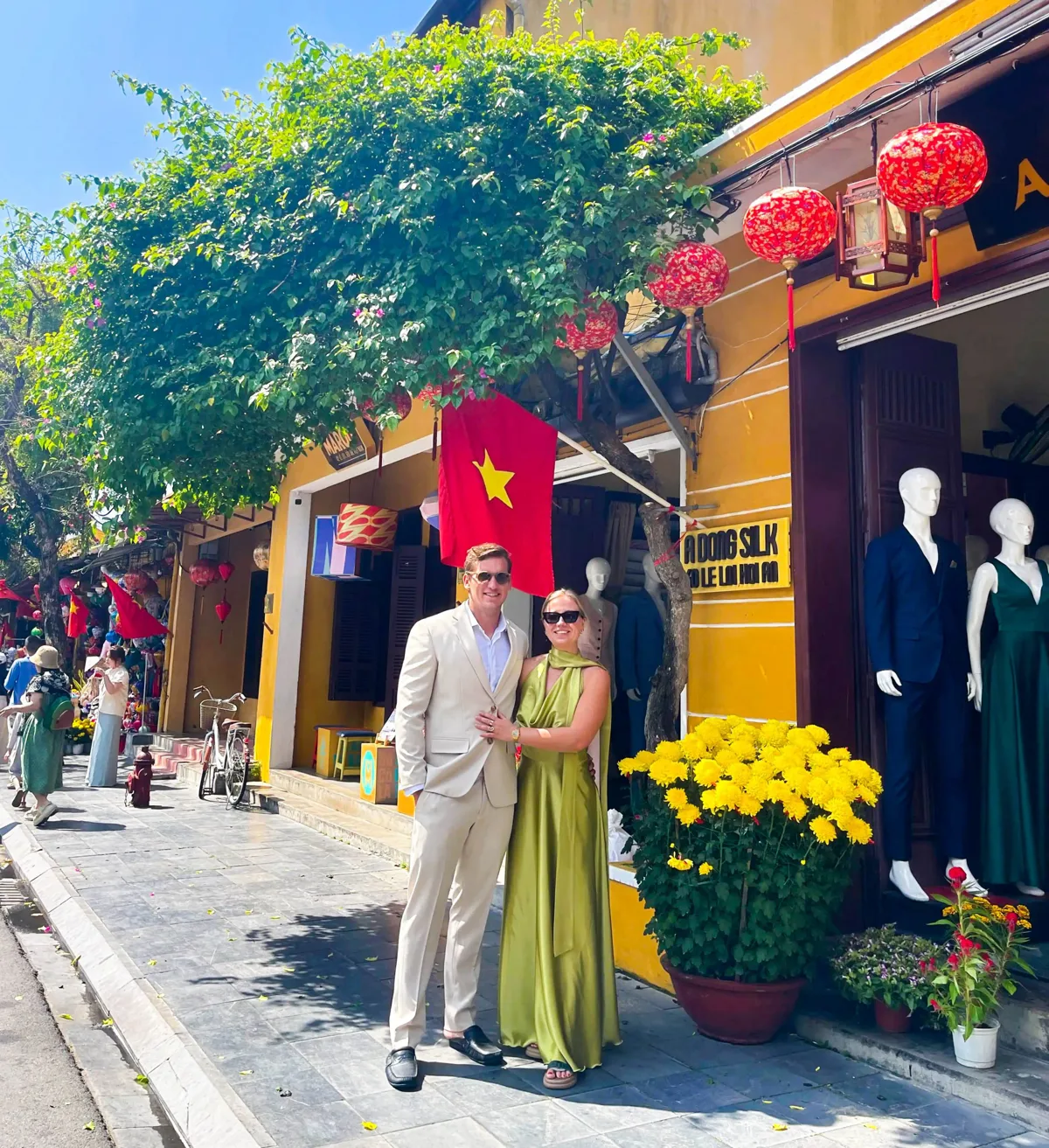
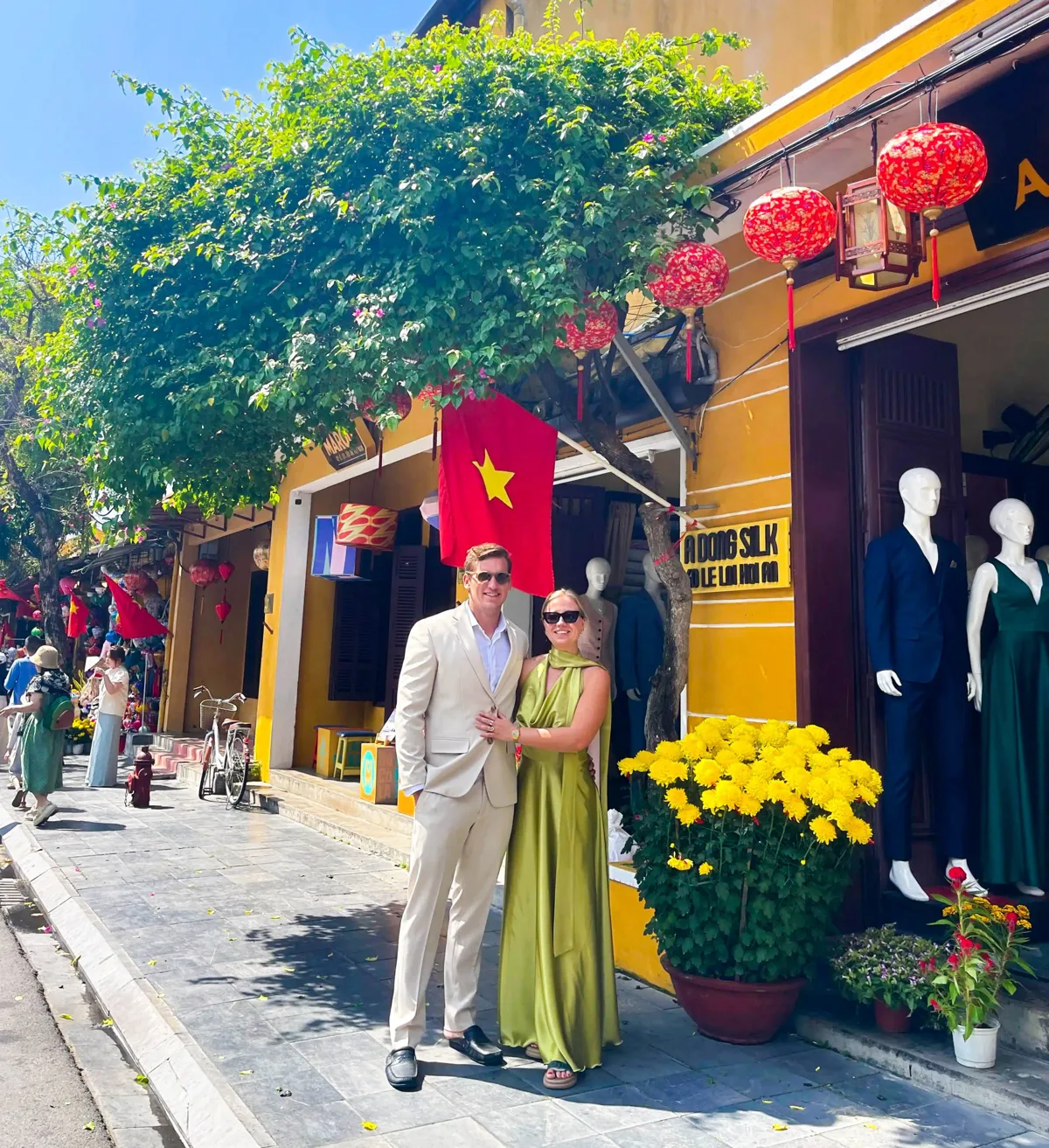
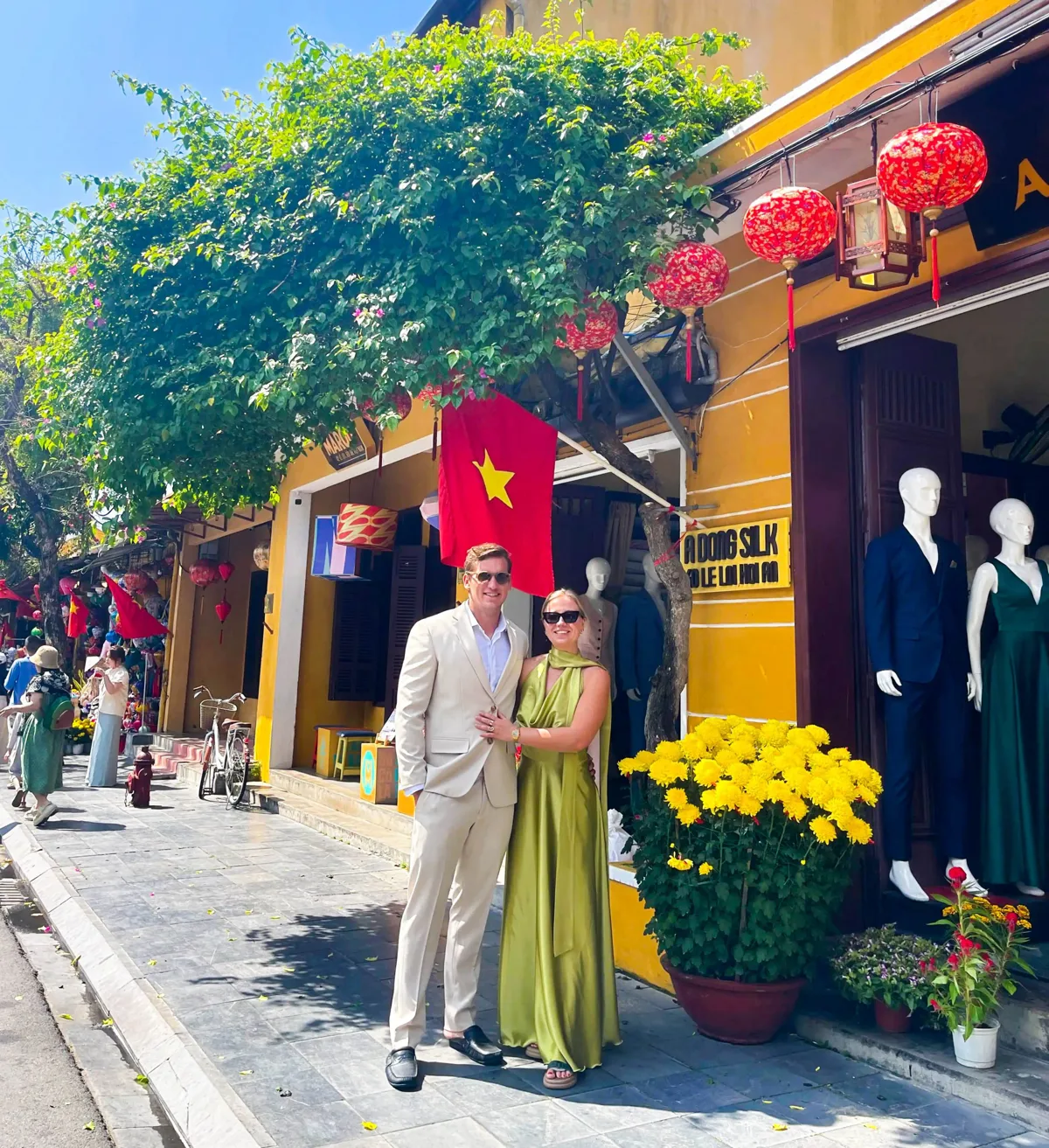
Located along the Thu Bon River, the Hoi An Night Market offers a unique shopping atmosphere. It is particularly known for its handcrafted lanterns, which are available in various shapes, sizes, and colors, many designed to fold flat for easy packing. Hoi An is also recognized as a premier destination for custom tailoring, where suits, dresses, shirts, and Ao Dai can be made within a few days, often at a lower cost than in Western countries. Silk products, including scarves, ties, and clothing, are also highly regarded for their quality and craftsmanship here. For those managing finances in the area, understanding local banking services in Hoi An can be beneficial.
Ben Thanh Market (Ho Chi Minh City)
Ben Thanh Market is a prominent landmark and shopping destination in Ho Chi Minh City, featuring hundreds of stalls. Products range from clothing and textiles to handicrafts, spices, coffee, tea, and souvenirs. Food enthusiasts will find a selection of Vietnamese specialties, including packaged coffee, dried fruits, coconut candy, lotus tea, fish sauce, and local spices. Textiles and fashion items like silk garments, embroidered products, handbags, and footwear are also popular. Bargaining is customary, and comparing prices between stalls is recommended to secure the best value.
Comparison of Major Shopping Markets
| Market Name | Location | Key Products | Typical Experience |
|---|---|---|---|
| Hanoi Old Quarter | Hanoi | Handicrafts, silk, tailored clothing, ceramics, coffee, lanterns | Street shopping, traditional crafts, specialized streets |
| Hoi An Night Market | Hoi An | Handmade lanterns, custom tailoring, silk products | Atmospheric evening market, artisan goods |
| Ben Thanh Market | Ho Chi Minh City | Souvenirs, food items, textiles, coffee, spices | Covered market, wide variety, bargaining expected |
Practical Shopping Advice for Travelers
To enhance your shopping experience in Vietnam, consider these practical tips:
- Bargaining: In traditional markets, night markets, and street stalls, bargaining is common and often expected. A polite and friendly approach is usually appreciated by vendors. However, bargaining is generally not appropriate in shopping malls, supermarkets, or stores with fixed prices.
- Currency: Carry small denominations of Vietnamese Dong for easier transactions, especially with smaller vendors. While credit cards are accepted in hotels, larger restaurants, and department stores, many local businesses and street vendors prefer cash. For visitors to Hanoi, understanding local banking options is helpful for managing finances.
- Quality Inspection: Carefully examine handcrafted items before purchasing to ensure their quality.
- Valuable Purchases: For items such as pearls, jewelry, or tailored clothing, request receipts and, if applicable, authenticity certificates.
- Luggage Space: Plan for extra luggage capacity if you intend to purchase larger items like ceramics, lanterns, or custom-made garments.
- Airline Policies: Be aware of airline regulations regarding certain items, such as fish sauce (due to potential leaks) and snake wine (which may be illegal to import into some countries).
Frequently Asked Questions
Is shopping in Vietnam generally affordable?
Yes, Vietnam is widely considered one of the more economical shopping destinations in Southeast Asia. Visitors can find a broad selection of products at reasonable prices, including handmade souvenirs, local snacks, custom-tailored clothing, and handcrafted home decor items.
Is bargaining acceptable in Vietnam?
Bargaining is a common practice in traditional markets, night markets, and street stalls across Vietnam. It is typically anticipated and forms part of the shopping interaction. However, it is usually not suitable in shopping malls, supermarkets, or establishments that display fixed prices. A respectful and courteous approach is always recommended, as most vendors respond positively to polite negotiations.
Can I bring Vietnamese coffee home with me?
Certainly. Vietnamese coffee is among the most popular items purchased by international visitors. Ground coffee, whole beans, and instant coffee varieties are readily available in supermarkets, specialized coffee shops, and at airports, making it convenient to take home.
How much time is needed to have a custom-tailored suit made in Vietnam?
The time required for a custom-tailored suit, dress, or shirt depends on the specific tailor and the garment's complexity. Many experienced tailors can complete an order within 24 to 72 hours. If custom tailoring is part of your travel plans, it is advisable to schedule it early in your trip.
Are credit cards widely accepted in Vietnam?
Credit cards are commonly accepted in major hotels, shopping malls, larger restaurants, and department stores. However, smaller businesses, local markets, and street vendors frequently prefer cash. Carrying some Vietnamese Dong is recommended, particularly when exploring markets or rural areas.
Are Vietnamese pearls a worthwhile purchase?
Yes. Vietnam, especially coastal regions like Halong Bay and Phu Quoc, is known for producing quality cultured pearls. When considering a pearl purchase, it is advisable to buy from reputable stores, request authenticity certificates, and compare the quality and pricing before making a final decision.