Quick service dining in Vietnam offers a distinct perspective on the global fast food phenomenon. While the concept of quickly prepared and served meals is universal, its application and popularity in Vietnam diverge significantly from Western norms. This guide explores the presence of international quick-service restaurant chains in the country and how they navigate a market deeply rooted in its own efficient and cost-effective culinary traditions.
The Unique Landscape of Quick Service Dining in Vietnam
The global fast food industry represents a substantial economic sector, with major brands operating thousands of locations worldwide. However, their expansion in Vietnam has followed a different trajectory. For instance, McDonald's, which debuted in Vietnam in 2014, currently operates around 25 outlets across a nation of over 90 million people. Burger King, entering in 2011, has approximately 17 locations. These figures suggest a slower market penetration than often seen in other regions.
Several factors contribute to this unique market dynamic. Firstly, the speed of traditional Vietnamese street food often surpasses that of international quick-service establishments. Dishes like Banh Mi (a baguette sandwich) or Pho (noodle soup) can be assembled and served in moments, making the "fast" aspect of global chains less of a competitive advantage. Secondly, local cuisine is widely accessible and more affordable, with typical Vietnamese meals costing around US$2, compared to international fast food options that might average US$5. This price difference, coupled with a preference for local beverages over options like soda, influences consumer choice.
Furthermore, Vietnamese dining culture emphasizes health-conscious choices, with many individuals prioritizing fresh ingredients, lower fat content, and vegetables. There is also a strong social component to eating out; local restaurants serve as gathering places for conversation and observation, fostering a communal atmosphere. International quick-service restaurants, with their typically more private dining environments, do not always align with this social preference. Despite these challenges, the market continues to evolve, particularly among younger generations who increasingly frequent these establishments for social occasions, modern aesthetics, and photo opportunities.
Adaptations by International Fast Food Chains in Vietnam
To succeed in the Vietnamese market, international quick-service brands have implemented various adaptations to align with local customs and preferences. Unlike their global counterparts, these restaurants typically do not operate 24 hours a day, as breakfast and late-night fast food consumption are not common local habits. Additionally, the prevalence of motorbikes for transportation means that drive-through services are generally absent.
The reasons for visiting these establishments also differ. While convenience and time-saving are primary drivers elsewhere, Vietnamese patrons often choose international fast food for special events like birthdays or anniversaries, or simply for a comfortable, air-conditioned space suitable for socializing and taking pictures. The menu offerings have also been modified to include dishes appealing to local palates, such as rice with chicken, grilled pork, fish nuggets, and fried fish burgers, which are not commonly found on menus in other countries. Packaging for takeaway orders often consists of plastic bags rather than paper boxes, and the flavor profile of condiments like ketchup might be sweeter than expected by international visitors. Availability of diet soda options can also vary.
Locating International Quick Service Restaurants
International fast food outlets in Vietnam are typically situated in high-traffic areas within city centers. Common locations include main thoroughfares, shopping centers, major tourist areas, and transport hubs such as train stations and airports. These establishments are usually identifiable by prominent signage featuring their well-known logos. For precise addresses and current operating hours, it is advisable for visitors to consult the official websites of the specific restaurant chains.
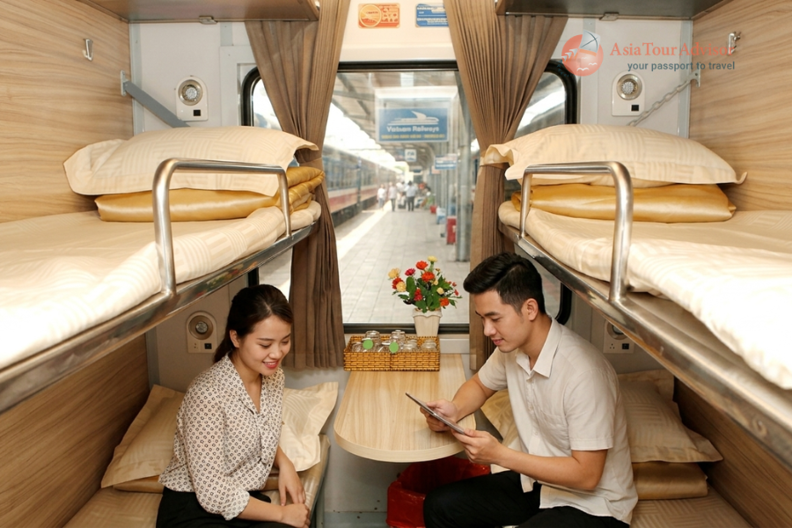
Travelers exploring Vietnam's extensive rail network might find these convenient options near major stations. For those planning an overnight rail journey across Vietnam, knowing where to grab a quick meal before or after a trip can be helpful.
Prominent International Fast Food Brands in Vietnam
Vietnam hosts a variety of well-known international quick-service restaurant brands, each offering its signature items alongside some localized adaptations. Below is an overview of some key players in the Vietnamese market.
| Brand | Entry Year (Vietnam) | Approx. Vietnam Locations (as of source) | Signature Items / Notes |
|---|---|---|---|
| McDonald’s | 2014 | 23-25 (HCMC & Hanoi) | French Fries, Big Mac, Chicken McNuggets. Adheres to global quality standards. |
| Lotteria | 2004 | >210 (across >30 provinces) | Burgers, fried chicken (Asian style), rice dishes (adapted for local taste). Part of Lotte Group. |
| KFC | (not specified, but established) | 140 (across 21 cities/provinces) | Traditional fried chicken (11 herbs and spices). Regularly updates hamburger flavors. |
| Burger King | 2011 | 17 (in 5 cities/provinces) | Whopper (charbroiled beef from Australia). First opened at Tan Son Nhat airport. |
| Pizza Hut | 2006 | >50 (nationwide) | Global pizza chain. |
| Domino's Pizza | (not specified, but established) | (in 5 cities/provinces) | Guaranteed 30-minute delivery (free voucher if late). Known for hot, crispy pizza. |
| Jollibee | 2005 | >100 (nationwide) | Filipino chain. Fried chicken, burgers, chips, peach mango pie, ice cream. |
| Popeyes | (not specified, but established) | (in 4 cities/provinces) | American chain. Spicy & mild fried chicken, Cajun Fries, seafood, red beans and rice. |
| The Pizza Company | 2013 | >50 (nationwide) | Minor Food Group brand. Seafood Deluxe Pizza, generous toppings, tailored for Vietnamese customers. |
| Carl’s Jr. Hamburger | ~2010 (open for 10 years as of 2020) | (not specified) | Known for charbroiled burgers. Less widespread but offers high-quality hamburgers. |
Each of these brands has made efforts to localize its offerings, from menu items to service style, to better integrate into the Vietnamese consumer landscape. While some, like Lotteria and Jollibee, have achieved significant reach, others like Carl's Jr. remain more niche, catering to specific preferences for premium burger experiences. Understanding these differences can enhance a traveler's dining choices.
When considering what to bring back from your travels, remember that essential souvenirs and unique purchases from a trip to Vietnam often reflect the country's rich culinary and craft traditions, offering a contrast to globalized fast food.
Frequently Asked Questions
Is fast food popular in Vietnam?
While international fast food chains are present, their popularity differs from Western countries. Traditional Vietnamese street food often holds a stronger appeal due to its speed, affordability, and cultural significance. However, younger generations increasingly visit international fast food restaurants for social gatherings and modern dining experiences.
What are typical fast food prices in Vietnam?
International fast food meals in Vietnam generally cost around US$5. This is notably higher than a typical local Vietnamese meal, which can often be purchased for US$2 or less. This price disparity is a significant factor influencing consumer choice.
How does Vietnamese fast food differ from Western fast food?
International fast food chains in Vietnam often adapt their menus to local tastes, incorporating dishes like rice with chicken or grilled pork. They also tend to operate with different hours, lack drive-through services, and are frequently chosen for social occasions rather than just quick convenience. Condiment flavors, such as ketchup, may also be sweeter.
Are there local fast food alternatives?
Absolutely. Traditional Vietnamese street food, often referred to as "flash food" due to its rapid preparation, serves as a primary local alternative. Dishes like Banh Mi, Pho, and various sticky rice preparations are readily available, quickly served, and highly competitive in terms of both price and flavor.
Why do Vietnamese consumers often prefer traditional food?
Vietnamese consumers frequently prefer traditional food due to its faster service, lower cost, perceived health benefits (fresh ingredients, less fat), and the social aspect of dining at local establishments. Eating out is often a communal activity, allowing for interaction and people-watching, which traditional venues facilitate more readily than typical international fast food settings.