
Visitors to Vietnam encounter a wide variety of items for purchase, ranging from custom apparel and artisanal creations to distinctive culinary ingredients and local beverages. These souvenirs provide a tangible connection to the journey, reflecting the nation's rich cultural heritage and skilled craftsmanship. Exploring the shopping landscape offers an engaging insight into Vietnamese daily life and traditions, making it an integral part of the travel experience.
Traditional Apparel and Artisanal Creations
Vietnam holds a long-standing global reputation for its textile production and tailoring expertise. In 2019, the country's textile exports reached 31.48 billion USD, demonstrating the high execution skills of Vietnamese artisans. Travelers frequently seek out custom-made clothing, appreciating the meticulous attention to detail and excellent customer service. Expert advice is often available, guiding clients through fabric selection and design adjustments, with completion times typically within a few days.
The national costume, the Ao Dai, represents Vietnamese fashion, embodying grace and elegance. This two-piece outfit, consisting of a long-sleeved, fitted tunic and accompanying trousers, subtly highlights a woman's silhouette while maintaining decorum for important events. Many shops specialize in creating custom Ao Dai, ensuring a perfect fit. Similarly, silk, once a luxury item, is now more accessible and utilized in various garments, including the Ao Dai. Locations like Van Phuc silk village in Hanoi and Hoi An silk village are renowned for their diverse colors and intricate patterns. For smaller keepsakes, hand embroidery offers beautiful natural scenes and wildlife motifs that fit easily into luggage.
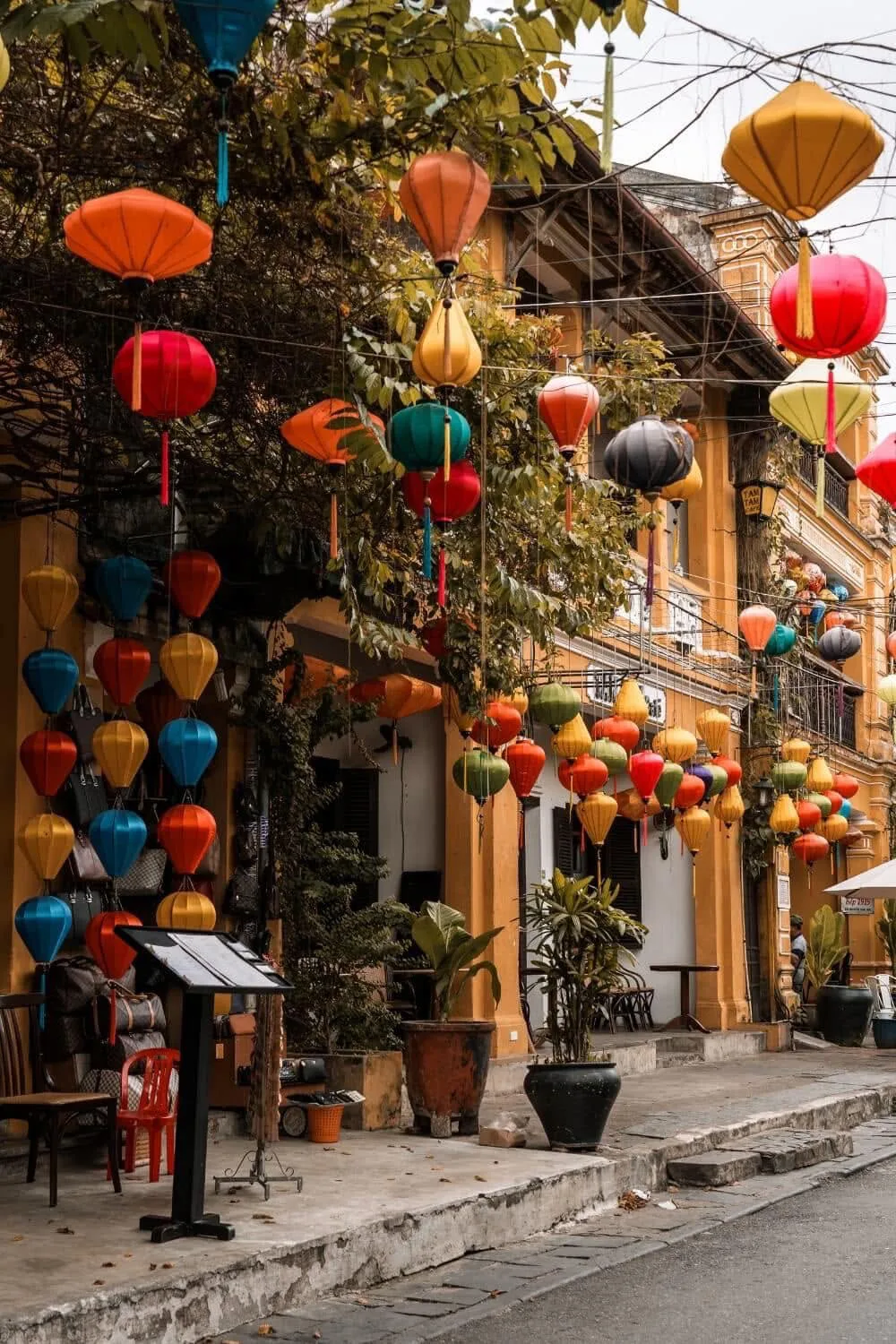
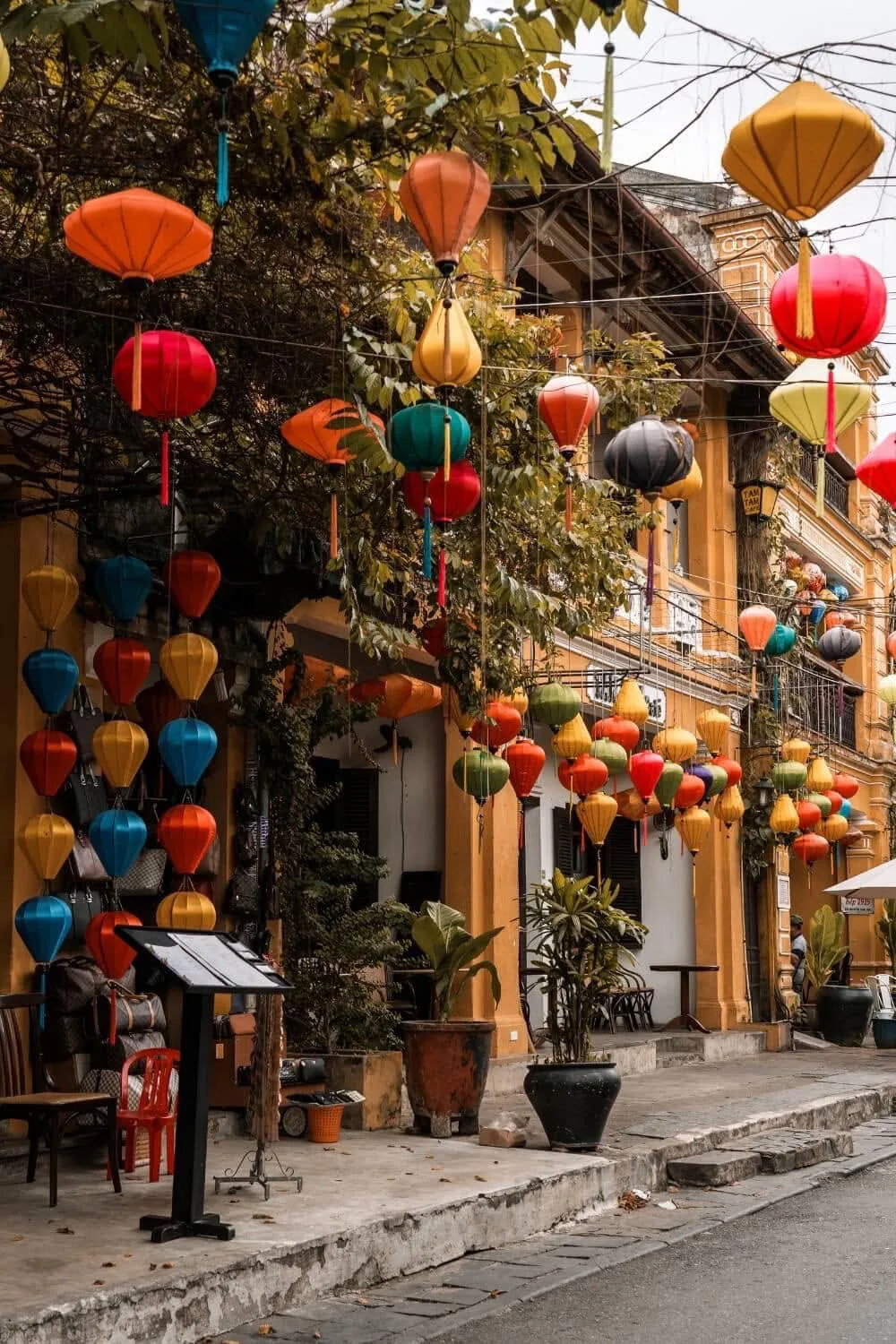
Beyond clothing, Vietnam showcases a rich tradition of handicrafts. The iconic Non La, or conical hat, crafted primarily from palm leaves and bamboo, served historically to protect farmers from sun and rain. Today, while still used in rural areas, thinner versions are popular souvenirs. Handmade lanterns, particularly famous in Hoi An, carry a history dating back centuries and are often associated with sending wishes. These can be found in various shapes and sizes, many designed to fold flat for convenient transport. Pottery and ceramics, an important art form and industry, have evolved to meet international standards, with traditional villages like Bat Trang near Hanoi, Thanh Ha in Hoi An, and Phuoc Tich in Hue offering authentic pieces.
Ethnic handicraft products, created by Vietnam's diverse minority groups, reflect distinct cultural patterns and styles in items such as scarves, bags, textiles, paintings, and woodwork. Additionally, jewelry, including locally sourced pearls, offers attractive options for those seeking glittering bracelets, necklaces, earrings, and rings at reasonable prices. Major cities host reputable jewelry retailers, while coastal areas like Halong Bay and Phu Quoc are known for their quality cultured pearls. For music enthusiasts, traditional musical instruments, crafted from wood, bamboo, bronze, or even stone, are available, often as miniatures or simple flutes ideal for travel.
Culinary Souvenirs and Local Beverages
Vietnamese cuisine is globally recognized for its distinct flavors, many of which can be brought home. Nuoc Mam, or fish sauce, is a fundamental element in Vietnamese meals, acting as both a seasoning and a dipping sauce. Renowned varieties come from regions like Cat Hai island, Nha Trang, Phan Thiet, and Phu Quoc island. Travelers intending to carry fish sauce should be mindful of airline regulations and consider using secure packaging.
Vietnamese coffee grounds and the Phin filter represent a globally celebrated tradition. This method involves hot water slowly dripping through a metal filter into a cup, yielding a strong, thick, dark, and highly aromatic brew. Popular coffee brands are widely available in supermarkets. Alongside coffee, tea holds deep cultural significance in Vietnam, linked to hospitality, respect, and communion with nature. Varieties range from plantation teas to special blends like Lotus tea, where green tea leaves are infused with lotus flower fragrance.
For sweet treats, coconut candy from Ben Tre province offers a taste of the tropics, available in flavors such as cocoa, ginger, peanut, coffee, pandan, taro, and even durian. These candies are often enjoyed with a cup of tea. Another regional specialty is Mung Bean Pastry (Banh Dau Xanh) from Hai Duong province, a buttery, melt-in-your-mouth cube typically made with mung bean powder, pomelo essence, sugar, and fat, often served with afternoon tea. Additionally, O Mai, or Vietnamese candied fruits, are popular snacks, particularly during Tet (Lunar New Year). These fruits are marinated with sugar or salt, sometimes ginger or licorice, then cooked until coated. Hang Duong Street in Hanoi is particularly noted for its generational O Mai producers, where tasting samples are often provided.
While some beverages are best enjoyed locally, they offer a unique cultural experience. Vietnamese rice wine, a traditional alcoholic drink, is a common feature at social gatherings, often accompanied by enthusiastic cheers of “1,2,3 DZO.” This beverage can be purchased from supermarkets and reputable retailers. Snake wine, believed by some to offer health benefits and vitality, involves infusing whole snakes into rice wine or whisky. Its flavor is described as mildly fishy compared to standard rice wine. However, due to international import restrictions, this item is generally recommended for sampling within Vietnam rather than for international transport.
Distinctive Local Fashion and Travel Essentials
Beyond formal wear, Vietnam offers practical and distinctive clothing items. Elephant print pants, known for their light and comfortable fabric, are widely available and well-suited for warm climates. These long, breezy trousers are popular for their comfort and distinctive Southeast Asian aesthetic. Travelers can find them in local markets at very accessible prices, where polite negotiation is often an option. These items serve as both a comfortable travel garment and a casual memento of the trip.
For those interested in unique personal adornments, local markets and artisan shops present a variety of options. From everyday accessories to items that reflect indigenous designs, these pieces often capture the essence of regional craftsmanship. While not always a prominent feature, items like simple bracelets or small embroidered patches offer a budget-friendly way to bring home a piece of Vietnamese style. When considering any purchase, inspecting the item's quality and understanding its origin can enhance the value and authenticity of the souvenir.
Premier Shopping Destinations Across Vietnam
Vietnam provides varied shopping environments, from historic markets to specialized craft villages.
- Hanoi Old Quarter: This area offers a rich experience of the city's history and street life. Visitors can explore numerous products, including handmade souvenirs, lacquerware, bamboo crafts, ceramics, silk items, traditional paintings, embroidered textiles, and Vietnamese coffee. Specific streets like Hang Gai are known for silk boutiques and tailor shops, while Hang Ma specializes in colorful decorations and lanterns. Dong Xuan Market, Hanoi's largest covered market, offers everything from clothing and household goods to local snacks.
- Hoi An Night Market: Situated along the Thu Bon River, this market is celebrated for its atmospheric setting. It is particularly famous for its handcrafted lanterns, available in various shapes, sizes, and colors, many designed for easy packing. Hoi An is also renowned for its tailoring services, where custom suits, dresses, shirts, and Ao Dai can be made quickly and affordably. Silk products, from scarves to clothing, are another significant draw, valued for their quality and craftsmanship.
- Ben Thanh Market (Ho Chi Minh City): As one of the city's most famous landmarks, Ben Thanh Market hosts hundreds of stalls. It sells a wide array of goods, including clothing, textiles, handicrafts, spices, coffee, tea, and souvenirs. Food enthusiasts will appreciate the selection of Vietnamese specialties like packaged coffee, dried fruits, coconut candy, lotus tea, and local spices. Textiles and fashion items, such as silk garments and embroidered products, are also popular. Comparing prices among stalls is advisable to ensure good value.
When planning your itinerary, considering the transport options between these key cities can enhance your travel experience. For example, understanding how to travel from Hanoi to Halong Bay can help you integrate shopping stops efficiently. Likewise, overnight train services can offer a comfortable way to journey between northern and southern regions, allowing more time for exploration during the day.
Key Shopping Destination Comparison
| Feature | Hanoi Old Quarter | Hoi An Night Market | Ben Thanh Market (HCMC) |
|---|---|---|---|
| Atmosphere | Historic street life, traditional shops | Lantern-lit, riverside, artisanal | Bustling, iconic, wide variety |
| Key Products | Handicrafts, silk, coffee, lacquerware | Lanterns, custom tailoring, silk items | Souvenirs, local food, textiles, fashion |
| Bargaining Expectation | Common | Common | Common |
| Payment Preference | Cash preferred, some card options | Cash preferred, some card options | Cash highly preferred, limited card options |
| Unique Highlights | Dong Xuan Market, Hang Gai silk street | Foldable lanterns, rapid custom tailoring | Extensive food stalls, central landmark |
Essential Shopping Guidance for Travelers
To optimize your shopping experience in Vietnam, keeping several practical tips in mind can be beneficial. In traditional markets, night markets, and street stalls, polite negotiation over prices is a common practice and often anticipated by vendors. However, this custom generally does not apply to modern shopping malls, supermarkets, or stores with clearly marked fixed prices.
For financial transactions, it is advisable to carry Vietnamese Dong in smaller denominations, as many local businesses and street vendors prefer cash. While major hotels, large restaurants, and department stores typically accept credit cards, cash remains essential for many smaller purchases. When acquiring handcrafted items, a careful inspection for quality is recommended. For more valuable purchases, such as pearls, custom jewelry, or tailored clothing, always request receipts and, if applicable, authenticity certificates.
Travelers intending to purchase larger or more delicate items, such as ceramics, lanterns, or custom-made garments, should plan for additional luggage space. Considering how these items will be transported home can prevent last-minute complications. For further general advice, refer to essential tips for first-time visitors planning a trip to Vietnam to ensure a smooth and enjoyable journey.
Frequently Asked Questions
Is shopping in Vietnam generally affordable?
Yes, Vietnam is frequently regarded as a cost-effective shopping destination in Southeast Asia. Visitors can typically find a broad spectrum of products, from handmade souvenirs and local snacks to custom apparel and home décor, at reasonable prices.
Is negotiating prices acceptable in Vietnamese markets?
Indeed, bargaining is a common practice in traditional markets, night markets, and street stalls throughout Vietnam. It is often expected and forms part of the interaction. A courteous and friendly demeanor is recommended during negotiations, as vendors usually appreciate respectful discussions and may adjust prices.
Can I bring Vietnamese coffee back to my home country?
Certainly. Vietnamese coffee is among the most popular items purchased by international travelers. Ground coffee, whole beans, and instant coffee are readily available in supermarkets, specialty coffee shops, and airports for transport home.
What is the typical timeframe for custom-tailored clothing in Vietnam?
The duration for creating custom-tailored garments varies depending on the tailor's expertise and the complexity of the design. Many skilled tailors can complete a bespoke suit, dress, or shirt within 24 to 72 hours. If custom tailoring is part of your travel plans, it is advisable to arrange it early in your trip.
Are credit cards widely accepted across Vietnam?
Credit cards are commonly accepted in larger establishments such as hotels, shopping malls, major restaurants, and department stores. However, smaller businesses, local markets, and street vendors often prefer cash. Carrying some Vietnamese Dong is recommended, particularly when visiting markets or rural areas.
Are Vietnamese pearls a good purchase?
Yes, Vietnam, especially coastal regions like Halong Bay and Phu Quoc, is recognized for producing quality cultured pearls. When considering pearl purchases, it is wise to buy from reputable establishments, request authenticity certificates, and compare quality and pricing before finalizing your decision.