
Ho Chi Minh City, a prominent urban center in Vietnam, serves as a gateway to a variety of nearby destinations that offer distinct experiences. Travelers looking to step away from the city's pace can find historical sites, tranquil coastal areas, agricultural heartlands, and elevated retreats, all accessible for short excursions or longer stays. These locations provide insights into Vietnam's history, natural environment, and regional cultures.
Historical Insights and Underground Networks
Approximately 57 kilometers from the center of Ho Chi Minh City lies the extensive Cu Chi Tunnels network. This underground system, stretching over 220 kilometers, played a crucial role during the Vietnam War. Visitors have the opportunity to explore a portion of this subterranean world, which once included facilities such as a school, a hospital, and operational offices. The site also features fighting bunkers and various historical traps.
Beyond the historical exploration, the Cu Chi Tunnels offer unique activities. Guests can observe different types of bunkers and learn about the ingenious booby traps used during the conflict. For those interested, there is a chance to experience shooting with various firearms, including AK47s, M16s, or machine guns. Additionally, local foods like steamed tapioca and hot tea, which were staple provisions during the war, are available for sampling. It is important for individuals who experience claustrophobia to be aware that some sections of the tunnels are quite narrow and enclosed.
Coastal Getaways and Island Adventures
Several coastal and island locations provide refreshing escapes from the city. Vung Tau, situated just two hours away by bus or shuttle, is a popular choice for a weekend visit. This seaside city, positioned on a peninsula, features multiple beaches, with Back Beach generally considered the most appealing due to its expansive shoreline. Front Beach, located centrally, is more easily accessible but typically sees more visitors. Vung Tau is also recognized for its fresh seafood offerings.
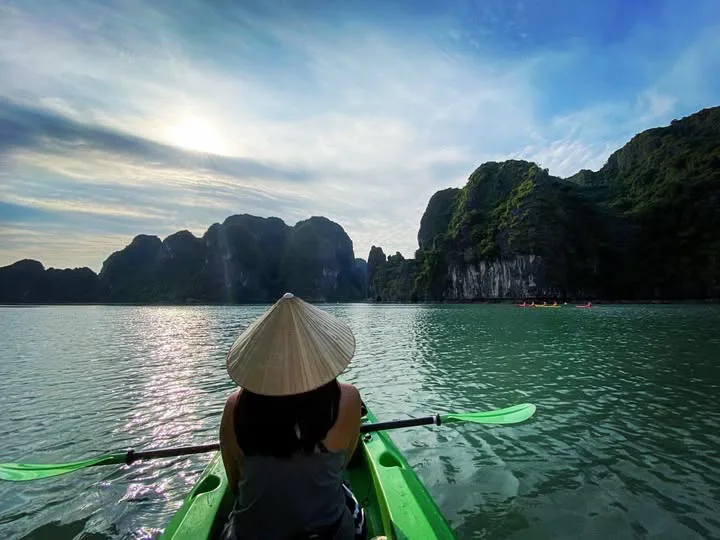
Further afield, Phu Quoc Island, located 45 kilometers west of Ha Tien, appeals to those who appreciate beaches. The island is characterized by its scenic coastlines, calm atmosphere, and verdant forests. The northern part of Phu Quoc remains largely untouched, designated as a UNESCO-listed national park, while the southern coast hosts a selection of resorts, bars, and cafes. Activities on the island include snorkeling, scuba diving, kayaking, and visiting the Vinpearl Land amusement park.
Con Dao Island, an archipelago of 16 islets, offers a peaceful retreat off Vietnam's southern coast. Approximately 230 kilometers from Ho Chi Minh City, its past as a penal colony contributed to its preserved natural state, with about 80% of the island still forested. Con Dao is known for its white sand beaches, diverse plant life, and opportunities for scuba diving, where marine life such as stingrays, barracudas, moray eels, and dugongs can be observed. Island hopping is also a favored activity. Visitors interested in turtle breeding grounds should inquire at the Con Dao National Park Headquarters (29 Vo Thi Sau, Con Dao District, Ba Ria - Vung Tau Province), particularly between June and September for a chance to witness turtles laying eggs.
Mui Ne, near Phan Thiet and about 200 kilometers north of Ho Chi Minh City, combines traditional fishing villages with developing leisure facilities. The long, quiet beach is suitable for walks and enjoying sunsets, and it is a prominent location in Southeast Asia for kitesurfing and other water sports. The area is also famous for its Red and White Sand Dunes, which offer unique landscapes for exploration.
Exploring the Mekong Delta's Richness
The Mekong Delta region, often referred to as Vietnam's 'rice bowl', is a significant agricultural area, producing two-thirds of the country's fruit. Tien Giang province is home to the Cai Be Fruit Orchard, recognized as the delta's largest, where visitors can sample various tropical fruits directly from the trees.
Ben Tre, known as the Mekong Delta's coconut capital, is accessible via a 20-minute boat trip from My Tho, followed by a short xe om ride. The area features numerous waterways and river islands. Ben Tre is particularly famous for its coconut candy, and tours of the production facilities and coconut farms are available. Sampan rides along the Mekong's waterways, shaded by lush canopies, are a common experience here. While exploring these regions, visitors often look for unique purchases and souvenirs to remember their travels.
Can Tho, located 197 kilometers from Ho Chi Minh City, functions as a major urban center and cultural hub for the Mekong Delta. It is notable for the Cai Rang floating market, where hundreds of boats trade a wide array of fruits and other goods. Despite its size, Can Tho also provides easy access to charming farming settlements for day trips. Travel to Can Tho from Ho Chi Minh City typically takes about four hours by bus. For those planning to manage their finances during a visit to Can Tho, resources are available to guide you through local banking services.
Bac Lieu, approximately 5 kilometers from its township, hosts a large bird sanctuary within a 951-acre mangrove habitat. This sanctuary is home to an estimated 40,000 birds, representing 46 species, including the painted stork and little king cormorant, both considered endangered. The optimal time to visit is during the rainy season, from May through October, with morning or dusk hours offering the best chance to observe large numbers of birds in flight.
Highland Retreats and Cultural Discoveries
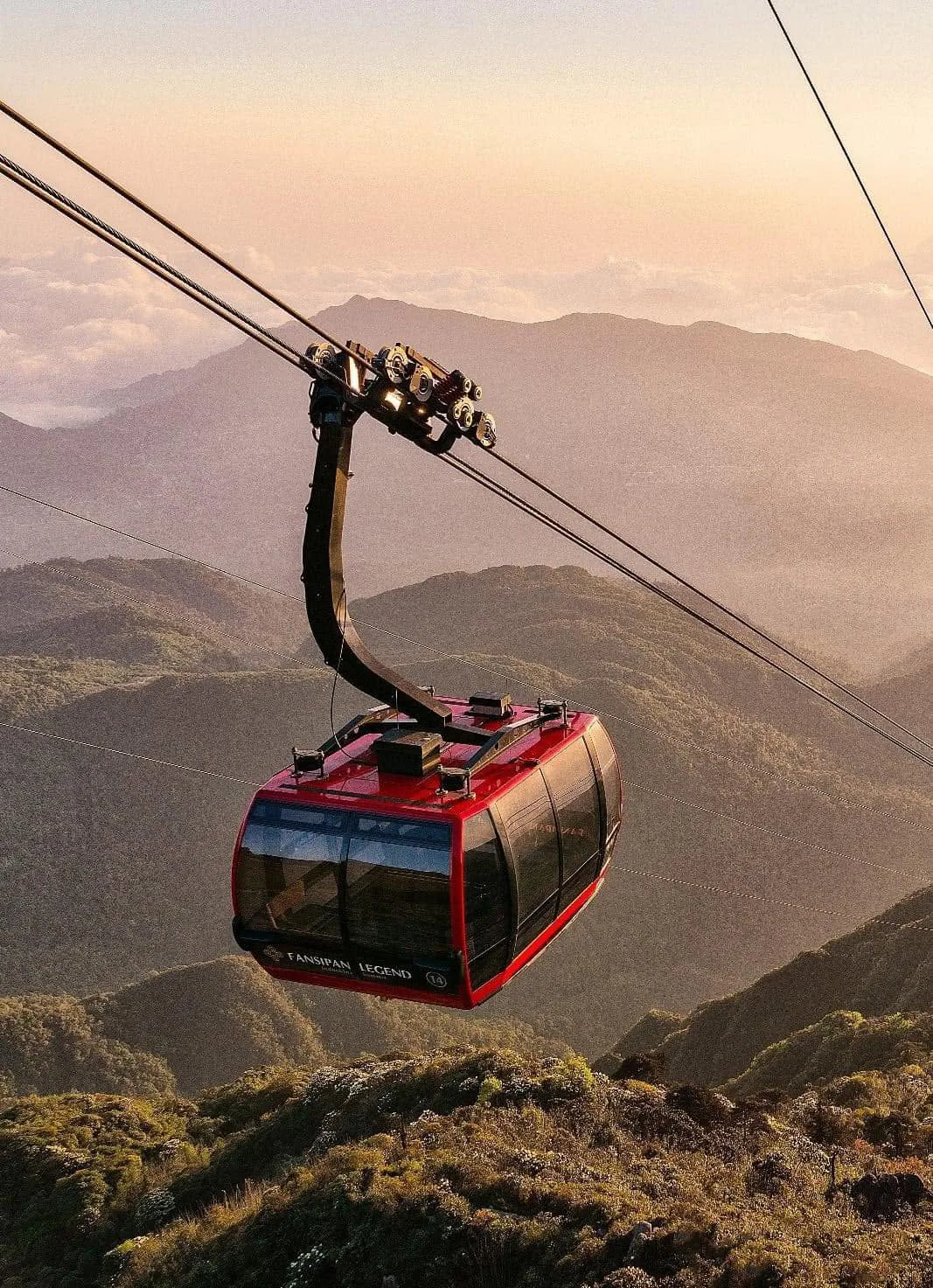
Dalat, a popular choice for weekend getaways, is easily reached from Ho Chi Minh City. The city is known for its landmarks, including lakes, waterfalls, Emperor Bao Dai's Summer Palace, and Buddhist pagodas. The French Quarter, close to the city center, contains many well-preserved French colonial structures. Dalat also provides opportunities for adventurous activities such as canyoning and white water rafting. Travelers seeking to understand banking options in Da Lat will find several institutions available.
Dong Nai province offers natural beauty with its waterfalls and streams, creating a serene landscape. Formed by the Dong Nai River, the fertile land supports a diverse ecosystem, much of which is protected within Nam Cat Tien National Park. The region's history has shaped a distinct cultural identity, and Dong Nai is rich in folklore, being home to various ethnic groups including Vietnamese, Chinese, Xieng, Cho Ro, and Cham communities.
Tay Ninh, situated 95 kilometers northwest of Ho Chi Minh City, is recognized as the center of Cao Daism, an indigenous Vietnamese religion established in 1926. This monotheistic faith reveres Cao Dai as the universe's creator. The main Cao Dai Temple, also known as the Holy See Temple, is located here. A smaller branch temple, established in the early 1970s, exists in My Tho. The Holy See Temple is notable for its brightly colored architecture, featuring intricate wooden sculptures of deities, detailed iron grillwork, and decorative tiles, presenting a striking visual experience.
Planning Your Excursion from Ho Chi Minh City
When planning a trip from Ho Chi Minh City, considering the distance and available transportation methods is key. Many destinations are suitable for day trips, while others warrant an overnight stay to fully experience their offerings. Buses and shuttles are common for land travel, with some coastal and island destinations requiring additional boat or flight connections.
Travelers should verify current transport schedules and accommodation availability, especially during peak seasons. Packing essentials will vary based on the destination; for coastal areas, swimwear and sun protection are advisable, while visits to historical sites might benefit from comfortable walking shoes. Should medical assistance be required while in Mui Ne or Phan Thiet, information on local healthcare services can be helpful.
Overview of Nearby Destinations
| Destination | Distance from HCMC | Approx. Travel Time | Primary Attraction Type |
|---|---|---|---|
| Cu Chi Tunnels | 57 km | ~1.5 - 2 hours | Historical Site, Cultural Experience |
| Vung Tau | ~100 km | ~2 hours (bus/shuttle) | Coastal City, Beaches, Seafood |
| Dalat | ~300 km | ~6-8 hours (bus) | Highland City, Nature, French Architecture |
| Dong Nai | Varies | ~1-2 hours | National Park, Waterfalls, Nature |
| Ben Tre | ~85 km | ~2-3 hours (bus + boat) | Mekong Delta, Coconut Industry, River Tours |
| Tien Giang | ~70 km | ~1.5-2 hours (bus) | Mekong Delta, Fruit Orchards |
| Can Tho | 197 km | ~4 hours (bus) | Mekong Delta Capital, Floating Market |
| Bac Lieu | ~280 km | ~5-6 hours (bus) | Bird Sanctuary, Mangrove Habitat |
| Tay Ninh | 95 km | ~2-2.5 hours (bus) | Religious Site (Cao Dai Temple), Cultural |
| Phu Quoc Island | ~400 km (by air) | ~1 hour (flight) | Island, Beaches, Resorts, National Park |
| Con Dao Island | 230 km (by air/sea) | ~1 hour (flight) / ~3-4 hours (ferry) | Archipelago, Beaches, Diving, National Park |
| Mui Ne (Phan Thiet) | ~200 km | ~3.5-4 hours (bus) | Coastal Town, Beaches, Sand Dunes, Water Sports |
Frequently Asked Questions
What are the most popular day trips from Ho Chi Minh City?
Among the most frequently chosen day trips from Ho Chi Minh City are visits to the Cu Chi Tunnels for historical exploration and excursions to Vung Tau for a seaside escape. Both destinations offer distinct experiences and are relatively accessible for a single-day return journey.
How far is the Mekong Delta from Ho Chi Minh City?
The Mekong Delta region begins relatively close to Ho Chi Minh City. Provinces like Ben Tre and Tien Giang are approximately 70-85 kilometers away, making them reachable within 1.5 to 3 hours, depending on the specific location and mode of transport. Larger cities within the delta, such as Can Tho, are further, around 197 kilometers.
Are there any islands near Ho Chi Minh City suitable for a short vacation?
Yes, Phu Quoc Island and Con Dao Island are excellent choices for short vacations from Ho Chi Minh City. While requiring a flight, they offer beautiful beaches, opportunities for water activities like diving and snorkeling, and a more relaxed atmosphere compared to the city. These islands are well-suited for travelers seeking a tranquil coastal retreat.
What kind of activities can I do in Dalat?
Dalat, known for its cooler climate and natural scenery, offers a range of activities. Visitors can explore lakes and waterfalls, visit historical sites like Emperor Bao Dai's Summer Palace, and see Buddhist pagodas. For those seeking adventure, activities such as canyoning and white water rafting are available, providing a thrill amidst the highland landscape.
When is the best time to visit the Bac Lieu bird sanctuary?
The optimal time to visit the bird sanctuary in Bac Lieu is during the rainy season, which typically spans from May through October. During these months, the sanctuary's mangrove habitat is most active, and visitors have the best chance to observe a large number of birds, particularly during the early morning or late afternoon hours when they are most active.