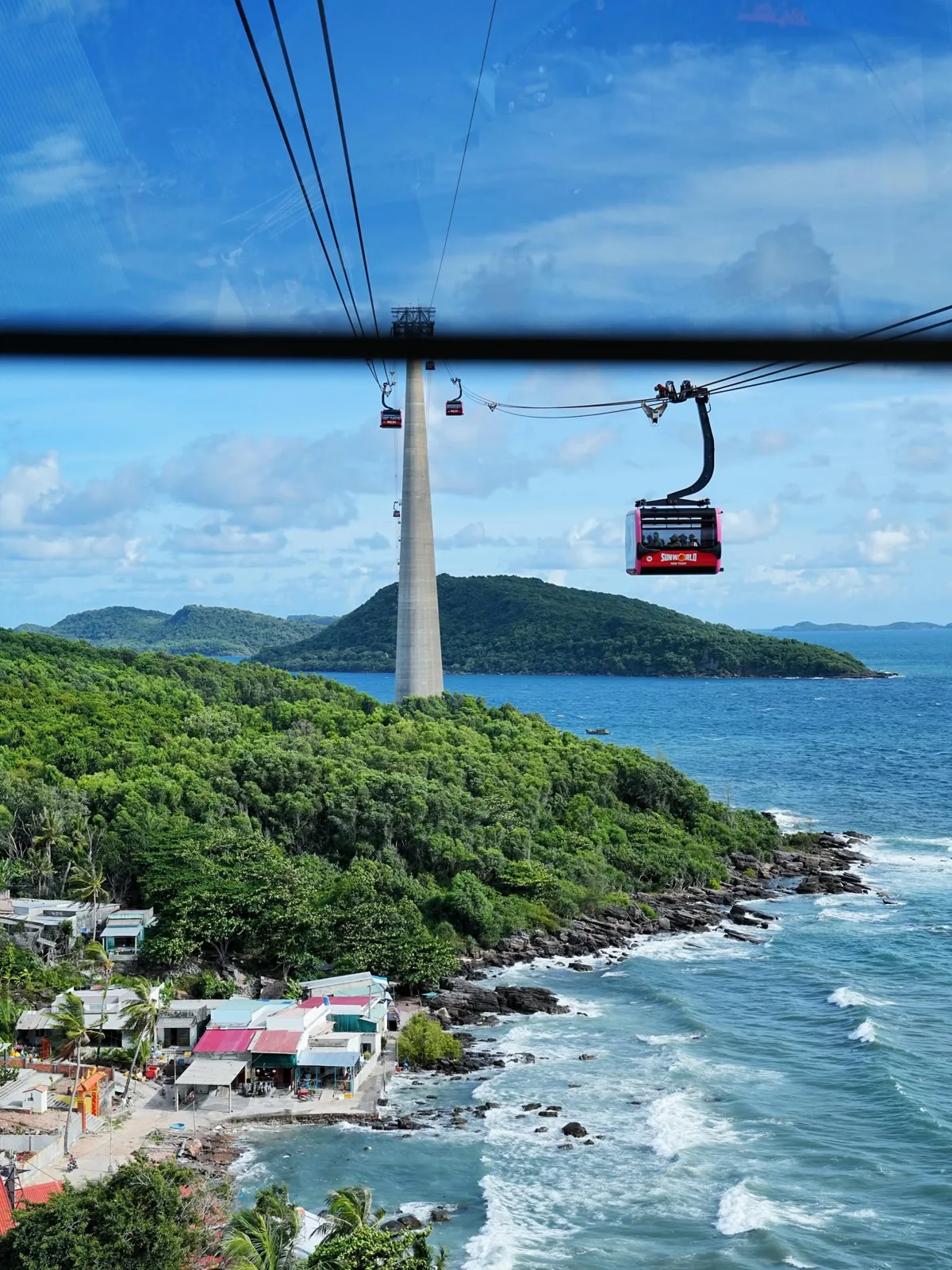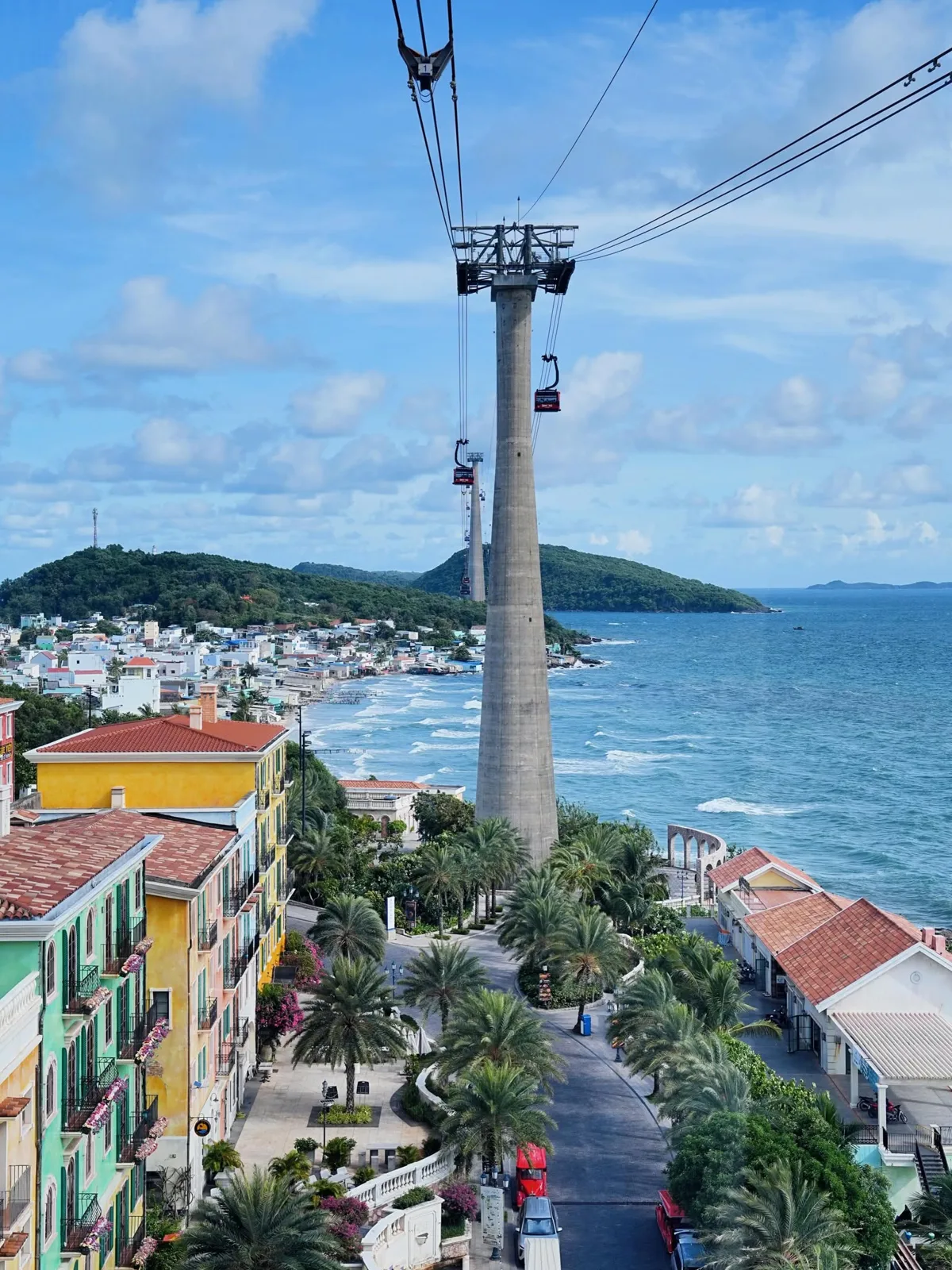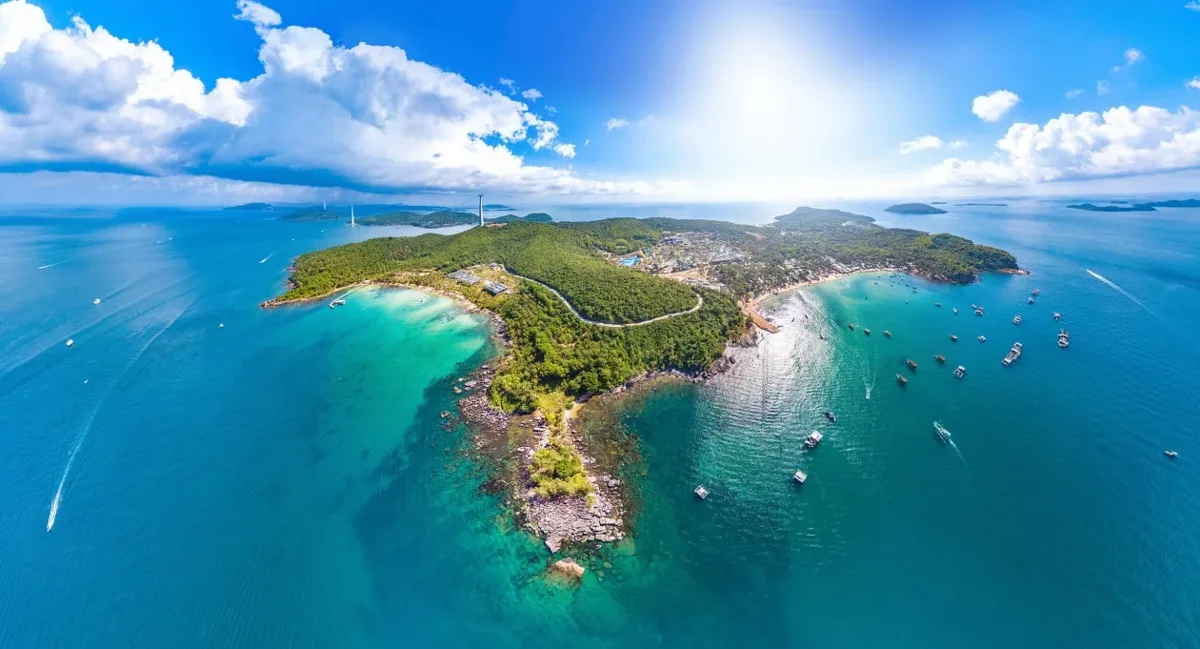
Phu Quoc, often referred to as Vietnam's 'Pearl Island' due to its transparent waters, stands as the nation's largest island. Its land area was comparable to Singapore's in the 1960s, making it a significant geographical feature. Renowned for its unspoiled shores and calm ambiance, this destination attracts numerous travelers seeking both relaxation and cultural engagement.
After a period of limited development, Phu Quoc has emerged as a prominent coastal destination, drawing numerous visitors. The island's alluring white sands meet brilliant blue waters, presenting stunning vistas at dawn or dusk. This locale balances serene coastlines with energetic tourist pursuits, offering a diverse experience for all who visit.
The Historical Landscape of Phu Quoc Island
Phu Quoc Island possesses a complex past, marked by periods of control by various nations, including Vietnam, Cambodia, France, and the United States. Historically, the island was recognized for its sea cucumbers, which Chinese traders transported via junks to the Chinese Emperor for an extended duration, highlighting its early economic significance.
From the 1760s to the 1780s, French missionaries established a presence on Phu Quoc. Considering its isolated, forested nature and limited economic prospects, the French colonial authorities opted to convert the tranquil island into a penal facility. The conflict between Vietnam and Cambodia commenced in 1975, with Khmer Rouge forces briefly seizing control of Phu Quoc Island. It served as a significant military base, housing more than 50,000 soldiers. The hostilities concluded by the late 1980s. Following the French colonial era, American forces assumed control, inheriting approximately 40,000 Viet Cong detainees left by the French. One notable facility was the Coconut Tree Prison (Nha Lao Cay Dua), which is now preserved as a historical monument. For an extended period, Phu Quoc remained an undeveloped rural island, but it has since transformed into a tourist destination, valued for its impressive coastlines, protected forests, and diverse natural settings.
Key Attractions and Experiences on Phu Quoc
Phu Quoc offers a variety of sites catering to different interests, from tranquil beaches to historical landmarks and bustling markets.
- Bai Sao: Bai Sao ranks among Phu Quoc's most appealing beaches, featuring brilliant white sand, transparent water, and clean air, offering opportunities for calm and repose. This location is an excellent option for those seeking a beach setting with swaying palm trees, a verdant forest background, and establishments for enjoying beverages by the ocean. Visitors keen on Phu Quoc's diverse coastlines will find Bai Sao particularly inviting.
- Phu Quoc Prison: Designated a special national monument, Phu Quoc Prison draws interest from both domestic and international visitors to the island. This site stands as a testament to the harsh realities of colonial rule and symbolizes the enduring spirit of Vietnamese combatants held captive during wartime, who fought for independence. It is also known as Cay Dua Prison, or Coconut Tree Prison.
- Duong Dong Market: For those interested in local customs, a visit to a market provides authentic insight. Phu Quoc hosts six primary markets: Cau Sau, An Thoi, Ganh Dau, Ham Ninh, Bai Thom, and Duong Dong. Among these, Duong Dong Market stands out as the largest and most recognized, serving as the island's premier marketplace for a variety of products and culinary offerings. To learn more about Phu Quoc's markets, Duong Dong is an excellent starting point.
- Ho Quoc Pagoda: Ho Quoc Pagoda, also identified as Truc Lam Ho Quoc, represents the largest and most tranquil Buddhist sanctuary on Phu Quoc Island, located in Kien Giang province. Positioned along a 10-kilometer coastal route north of Bai Sao, the temple offers unparalleled sweeping ocean views from its premises, making it a worthwhile stop. Exploring Phu Quoc's sacred sites often includes this significant pagoda.
Beyond these, the island also features Phu Quoc National Park, An Thoi Islands, Suoi Tranh Waterfall, Khem Beach, and Hon Thom Island, each offering distinct experiences for travelers.
Understanding Phu Quoc's Climate and Optimal Visit Times
The climate of Phu Quoc significantly influences travel experiences, with distinct dry and wet seasons.
The dry period on Phu Quoc extends from November through April, often leading to the highest tourist volumes between December and February. During this busy interval, accommodation costs can increase substantially, and availability may be limited due to high demand. The months of April and May can be uncomfortably warm. Therefore, some travelers might prefer a trip between June and August for summer vacations, benefiting from lower off-peak season prices. This timeframe is often suggested for visitors who wish to avoid the most crowded and expensive holiday periods. For a comprehensive overview, consult a Phu Quoc travel guide focusing on seasonal variations.
Conversely, the wet season spans from May to October, characterized by choppier waters and regular heavy rainfall. While some activities might be affected by weather conditions during this time, it can offer a quieter experience for those who prefer fewer crowds and are prepared for occasional showers.
Practical Travel Information and Local Insights
Navigating Phu Quoc involves understanding its transportation options and local customs to ensure a smooth journey.
Getting to and Around Phu Quoc
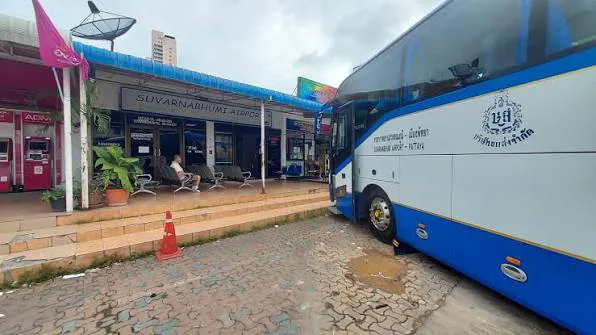
The island's recently established international airport offers a direct and convenient travel option for visitors. Alternatively, arriving by cruise ship presents another possible mode of entry to Phu Quoc. As a designated special economic zone, Phu Quoc permits a 30-day visa exemption for international guests. This exemption applies to all foreign nationals entering, departing, or transiting through the island, whether by air or sea. This policy simplifies travel logistics for many international visitors.
Essential Tips for Visitors
- Cash Availability: Beyond the airport, Long Beach, and Duong Dong town, which are the primary tourist hubs, cash machines are scarce across the rest of the island, and local vendors infrequently accept card payments. Consequently, it is advisable to carry sufficient cash prior to commencing explorations.
- Water Activities: Spending time in the ocean is highly recommended, whether one holds a PADI diving qualification or simply enjoys casual swimming. Activities such as surfing, reclining on the soft white sand, snorkeling, or merely playing in the water offer profound relaxation and pleasure, creating lasting pleasant memories.
Phu Quoc maintains a preserved character, partly due to its inclusion within the UNESCO Kien Giang World Biosphere Reserve. The local population primarily sustains itself through fishing and the tourism sector. The island generally presents a calm environment, with reduced traffic and fewer crowds, making it suitable for visitors seeking a peaceful escape and an opportunity to experience authentic local life.
Frequently Asked Questions
What is Phu Quoc known for?
Phu Quoc is widely recognized for its clear waters, extensive white-sand beaches, and serene atmosphere. It is Vietnam's largest island and is sometimes called 'Pearl Island' due to its natural beauty.
What is the best time of year to visit Phu Quoc?
The dry season, from November to April, is generally considered the most favorable time to visit Phu Quoc for pleasant weather. However, to avoid peak season crowds and higher prices, some travelers prefer the shoulder months or early wet season (June-August).
Are there any visa exemptions for international visitors to Phu Quoc?
Yes, as a special economic zone, Phu Quoc offers a 30-day visa exemption for international visitors entering, exiting, or transiting through the island, regardless of whether they arrive by air or sea.
What historical significance does Phu Quoc hold?
Phu Quoc has a rich history marked by periods of foreign occupation, including French and American influences. It served as a base for missionaries and later a colonial prison. The island was also a site of conflict during the Vietnam-Cambodia war, with historical sites like Phu Quoc Prison bearing witness to its past.
How can I experience local culture on Phu Quoc?
To experience local culture, visitors can explore markets like Duong Dong, where they can observe daily life and find local goods and food. Engaging with the fishing communities and visiting cultural landmarks such as Ho Quoc Pagoda also provides insight into the island's traditions and way of life.