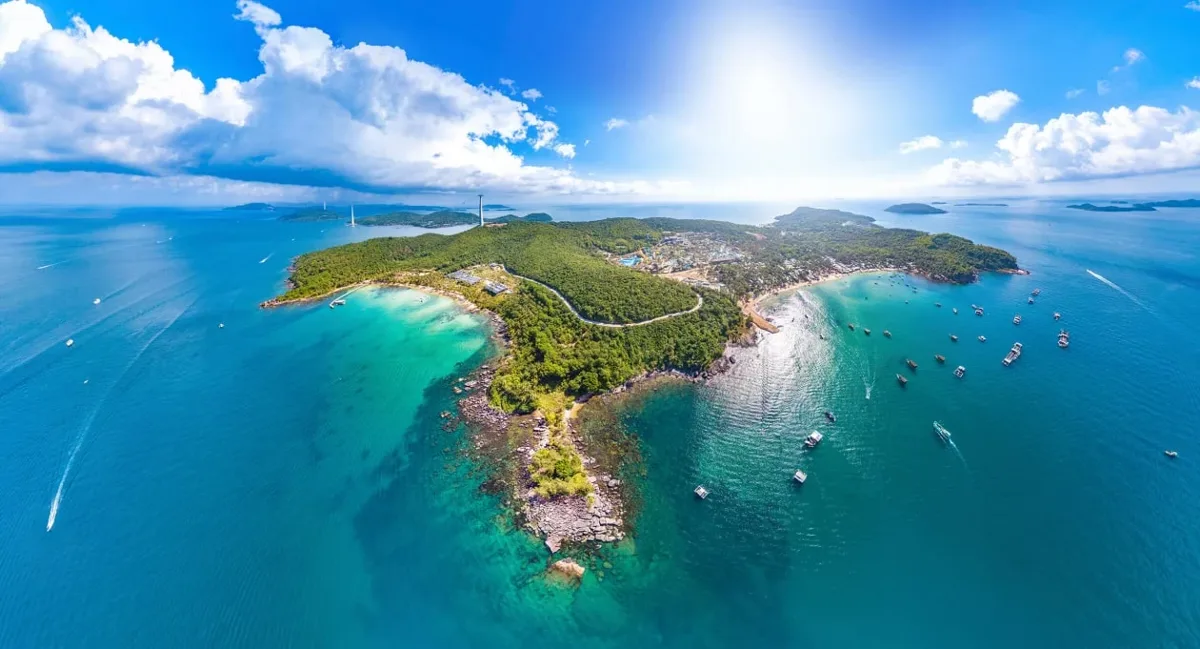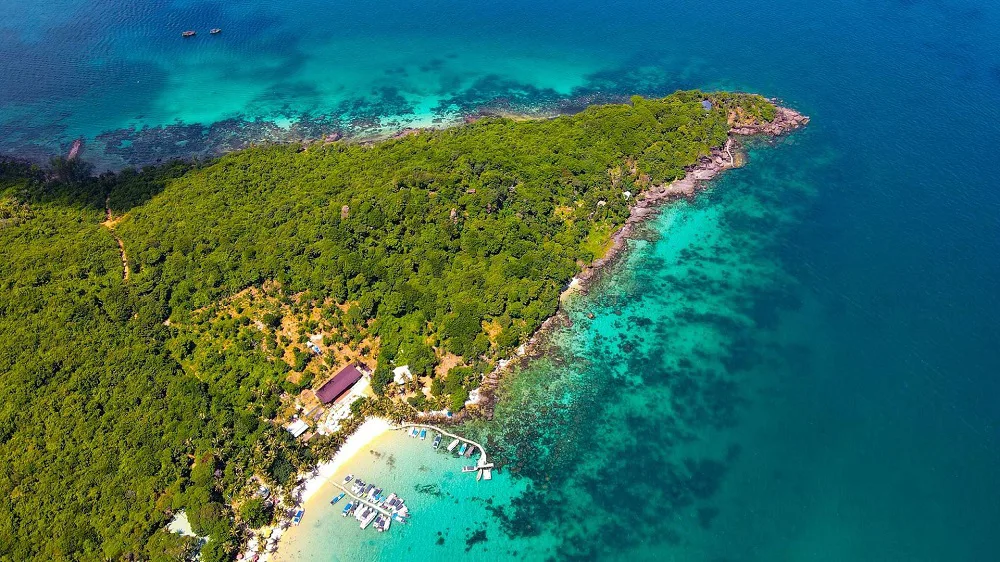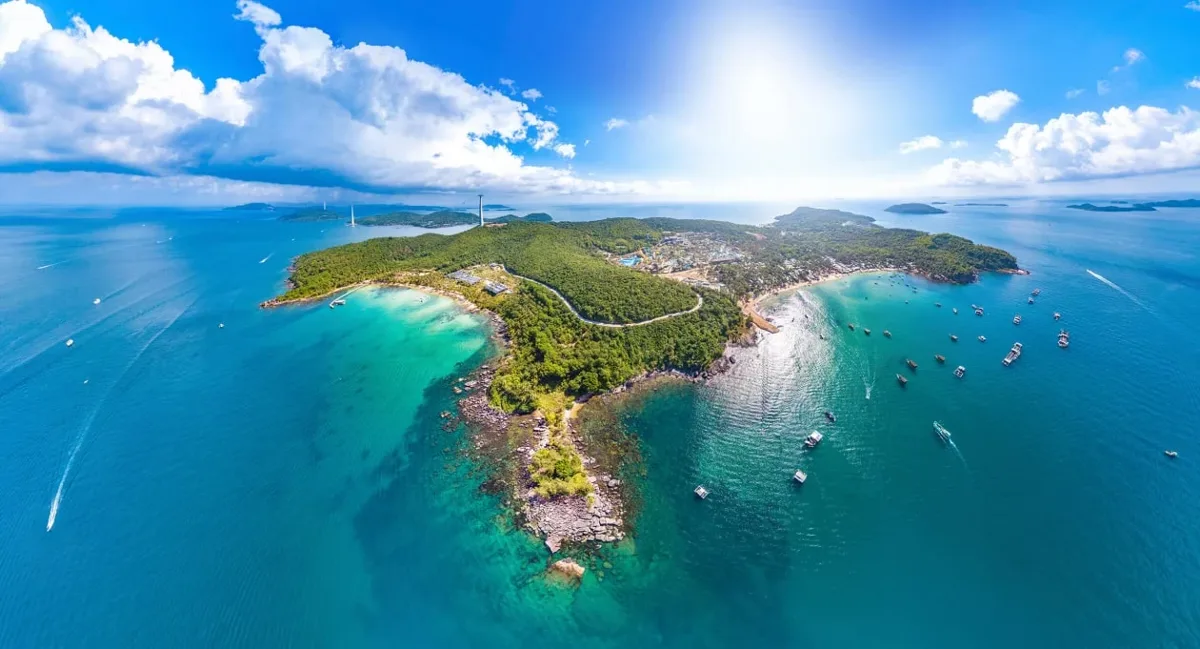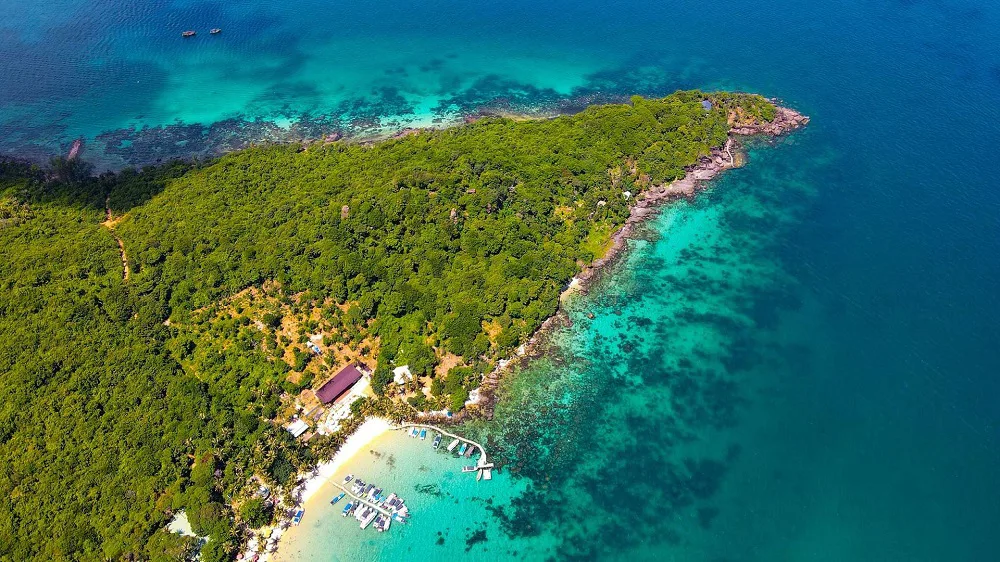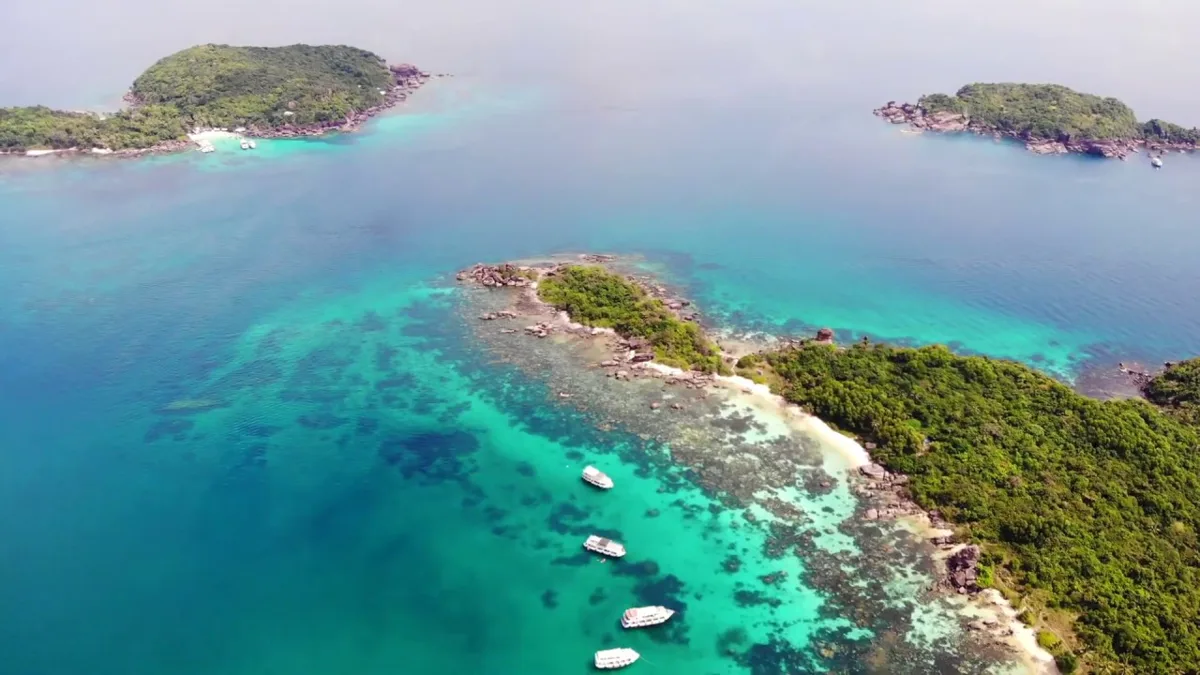
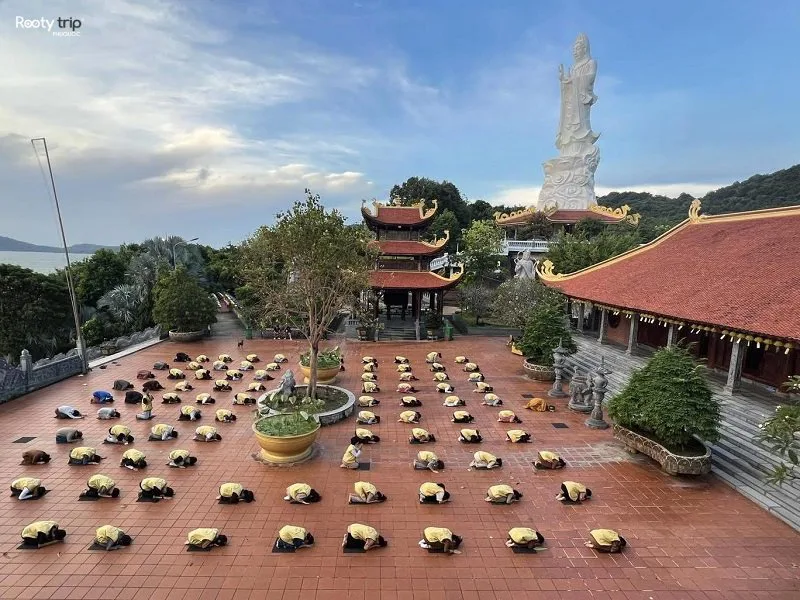
Phu Quoc, Vietnam's largest island, offers more than just coastal scenery and modern amenities; it also presents a rich array of historical and religious locations. Visitors to this destination can combine leisure at the shore with an exploration of Vietnamese spirituality and heritage. The island is home to numerous temples and pagodas that provide insight into local traditions and beliefs.
Overview of Phu Quoc's Sacred Sites
Phu Quoc's spiritual landscape comprises various temples and pagodas, each with its own story and architectural distinctiveness. These sites serve as important centers for local worship and meditation, while also drawing travelers interested in cultural exploration. From ancient structures that have witnessed centuries of change to more contemporary builds designed for spiritual tourism, the island provides a diverse range of religious experiences.
These religious landmarks are spread across the island, offering different perspectives on Vietnamese Buddhism, folk religions, and unique syncretic beliefs like Caodaism. Many are strategically positioned to offer not only spiritual solace but also impressive views of the surrounding natural environment, including mountains and the sea. Engaging with these sites offers a deeper appreciation for the island's cultural fabric beyond its popular beaches and resorts.
Notable Temples and Pagodas Across the Island
Phu Quoc hosts several significant religious structures, each contributing to the island's unique cultural identity. Exploring these sites reveals diverse architectural styles and devotional practices.
Ho Quoc Pagoda
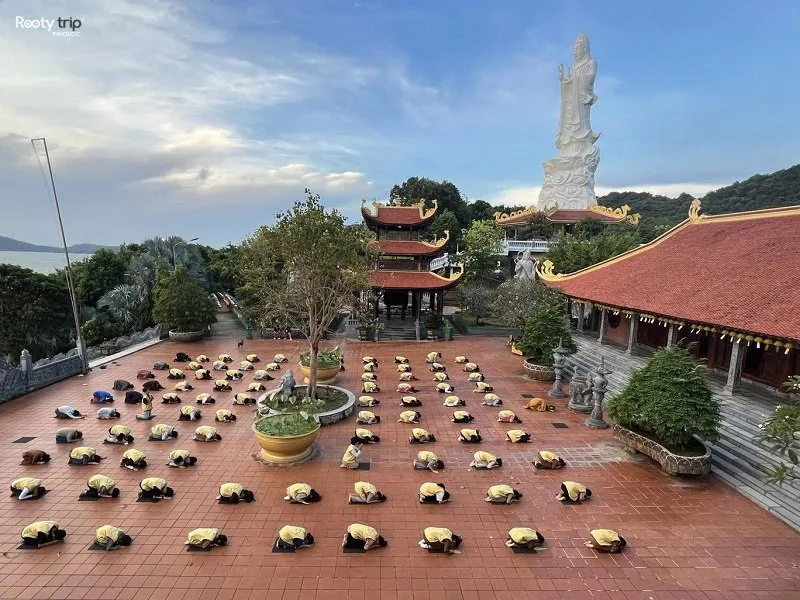
Among Phu Quoc's spiritual sites, Ho Quoc Pagoda, formally known as Truc Lam Ho Quoc, stands as the island's most expansive and serene Buddhist sanctuary. Completed in 2012, this temple was conceived as a spiritual tourism initiative, incorporating architectural elements reminiscent of the Ly and Tran Dynasties. Its location along a 10-kilometer coastal road north of Sao Beach provides a tranquil setting. The pagoda complex is notable for its detailed carvings and its harmonious integration with the natural landscape.
Thousands of individuals visit Truc Lam Ho Quoc annually, drawn to its main worship hall for prayer and to light incense before the substantial Buddha effigies. Many also ascend the dragon-adorned staircases to reach elevated points, where they can observe sweeping vistas of both the mountains and the ocean.
Dinh Cau Rock (Cau Temple)
Situated on a distinctive rock formation, Dinh Cau Rock, also referred to as Cau Temple, is a prominent landmark in Phu Quoc. This temple was established in 1937 to honor Thien Hau, the revered goddess of the sea, who is believed to safeguard local fishermen. The site is open daily from 7:00 AM to 6:00 PM and can be found on Bach Dang Street in Duong Dong.
The temple features a vividly colored lighthouse and a Buddhist shrine, making it a popular subject for photography. To reach the elevated terrace of Cau Temple, visitors must climb 29 winding stone steps. From this vantage point, expansive views of Dinh Cau Beach, traditional fishing vessels, Duong Dong Town, and nearby smaller islands are visible.
Sung Hung Pagoda
Sung Hung Pagoda holds the distinction of being the oldest religious edifice on Phu Quoc, with its origins tracing back to the early 10th century. This pagoda resulted from the consolidation of Sung Nghia and Hung Nhan Pagodas and has undergone two major restoration efforts over its long history. Despite these changes, a significant portion of its original architectural integrity has been preserved. The pagoda is located at 7 Tran Hung Dao, Duong Dong, and welcomes visitors from 7:00 AM to 6:00 PM daily.
The front courtyard of the temple grounds is adorned with numerous Bodhi trees, alongside a statue of the Goddess of Mercy positioned within a lotus pond. The sanctum features a bronze bell, various sculptures, and red lacquered panels inscribed with sacred texts. The main hall, spanning three levels, houses statues of three Buddhas—Amitabha, Mahasthamaprapta Bodhisattva, and Avalokitesvara Bodhisattva—and showcases intricate depictions of Buddhist mythical beings and narratives.
Hung Long Tu Pagoda (Su Muon Pagoda)
Hung Long Tu Pagoda, also known as Su Muon Pagoda, was constructed in the early 1930s, adhering to traditional folk architectural practices. Initially, it was a modest structure crafted from leaves and wood. The temple features a three-door entrance gate situated at the mountain's base, approximately 800 meters from the main temple structure. Visitors are required to ascend over 60 stone steps to reach the pagoda itself. This site is located in Suoi Da, Duong To commune, and operates from 7:00 AM to 7:00 PM.
A statue of Quan Am, prominently displayed on a lotus throne, greets visitors at the front of the pagoda. Adjacent to it lies a large rock sculpted to resemble a tiger resting beneath bamboo roots, referencing a local legend from Phu Quoc's past. Behind the main temple building, a statue of Thich Ca Buddha stands beside a venerable “Konia” tree, estimated to be 200 years old, known for its dense foliage. The primary worship hall is erected on a three-meter-high stone foundation, housing several substantial Buddha statues characterized by precise sculptural details, and enclosed by a sturdy railing. This elevated hall remains naturally cool and well-ventilated throughout the year due to the surrounding abundant forest. Local residents primarily visit for religious observances, while others seek the scenic environment for relaxation and to alleviate daily stress.
Nguyen Trung Truc Temple
Among the nine temples dedicated to Nguyen Trung Truc within Kien Giang province, the Phu Quoc location is the most substantial. This temple honors Nguyen Trung Truc, a revered national hero celebrated for his significant victories against the French Espérance. The construction of the temple commenced in 1869, following his passing. Its design reflects traditional Vietnamese architectural elements, featuring a curved roof adorned with yin and yang tiles. The roof's apex is decorated with a dragon motif, painted in a respectful red hue. The primary shrine contains artifacts typical of Southern Vietnamese temples.
Beyond the entrance gate, a dignified bronze statue of Nguyen Trung Truc stands, alongside his tomb, which was established in 1986. The temple also provides a medical facility staffed by skilled practitioners offering free treatments. Daily, numerous individuals visit for medical care, to collect remedies, or to perform acts of charity. Furthermore, a solemn festival commemorating his death is observed annually on the 27th, 28th, and 29th days of the lunar month, featuring traditional cultural activities such as boat races and chess games.
Cao Dai Temple Phu Quoc
Phu Quoc is recognized as a place of origin for Caodaism, making its Cao Dai temple an intriguing religious destination. Erected in 2008 on Nguyen Trai Street, this temple exhibits architectural similarities to the Cao Dai Temple in Ho Chi Minh City. Visitors can explore this site daily from 7:00 AM to 6:00 PM.
This particular temple distinguishes itself from other religious structures on Phu Quoc by incorporating a variety of symbols, including Buddhist swastikas, Christian crosses, and Islamic crescent moons, in addition to Buddhist effigies. The temple also pays tribute to a diverse group of esteemed figures, such as Vietnamese poet Trang Trinh, Chinese president Sun Yat-Sen, French poet Victor Hugo, and Jesus Christ, who are revered as patron saints within the Caodaist faith.
Dinh Ba Temple
Approximately three kilometers north of Duong Dong, Dinh Ba Temple is a smaller, yet culturally significant, religious site. Its principal purpose is to honor Thuy Long Thanh Mau, believed to be the individual who first explored and settled the island. Thuy Long Thanh Mau is understood to have been a woman from a Cambodian royal family who sought refuge on Phu Quoc from adversaries. During her time on the island, she reportedly cultivated grazing lands for her buffalo herds and encouraged others to clear wilderness for farming and animal husbandry. The temple is open daily from 12:00 PM onwards.
The inhabitants of Phu Quoc regard her as the island's founder and developer, revering her as Thuy Long Thanh Mau. Consequently, a ceremonial tribute is held in her honor on the full moon day of January each year. Prior to this annual observance, local residents customarily redecorate her altar, ensuring it appears splendid and dignified.
Phap Quang Pagoda
Phap Quang Pagoda, a Chinese Buddhist temple, is conveniently located near Phu Quoc Island's primary tourist areas on Tran Hung Dao, Duong To. Established in 1986 by Minh Phap citadel, the temple has undergone multiple refurbishments, with the most recent updates occurring in 1992.
Upon entering, visitors will encounter numerous arhat statues, each displaying distinct and imposing expressions. The halls dedicated to the Bodhisattvas Avalokiteshvara and Ksitigarbha are particularly notable for their exceptional beauty and artistic detail.
Cultural and Historical Significance
The temples and pagodas of Phu Quoc are more than just places of worship; they are repositories of the island's cultural memory and historical progression. These sites offer tangible links to the past, reflecting periods of early settlement, spiritual development, and resistance. For instance, Dinh Cau Rock embodies the island's maritime heritage and the deep reverence for deities protecting seafarers, a crucial aspect of life for a fishing community.
Similarly, the Nguyen Trung Truc Temple serves as a powerful reminder of Vietnamese patriotism and the struggle for independence, honoring a national hero whose legacy is deeply ingrained in the local consciousness. The architectural styles, from the ancient foundations of Sung Hung Pagoda to the specific aesthetics of Ho Quoc Pagoda, also illustrate the evolving artistic and spiritual influences that have shaped the region over centuries. These sites collectively narrate a story of resilience, faith, and cultural identity that defines Phu Quoc.
Planning Your Visit to Religious Sites
To ensure a respectful and rewarding experience when visiting Phu Quoc’s temples and pagodas, thoughtful preparation is advisable. Most religious sites on the island have specific operating hours, generally from early morning until late afternoon or early evening, as indicated for places like Dinh Cau Rock and Sung Hung Pagoda. It is always prudent to verify these times before your visit.
Visitors should dress modestly, covering shoulders and knees, as a sign of respect for the sacred environment. While many sites are freely accessible, small donations are often appreciated for maintenance. Some temples, such as Hung Long Tu Pagoda, require ascending a number of steps, so comfortable footwear is recommended. Engaging with these sites offers a unique perspective on local life and spirituality. For those planning a broader trip, understanding the best times to visit Phu Quoc can enhance the overall experience.
- Dress Code: Wear modest clothing that covers shoulders and knees.
- Footwear: Comfortable shoes are recommended, especially for sites involving stairs or uneven terrain.
- Photography: Generally permitted, but be mindful and respectful, especially during prayer times.
- Donations: While entry is often free, a small contribution helps maintain the sites.
- Timing: Visit during cooler parts of the day, particularly if extensive walking or climbing is involved.
Who Should Visit Phu Quoc's Temples
Phu Quoc’s spiritual landmarks cater to a diverse range of individuals, extending beyond those with specific religious affiliations. Travelers with an interest in history and architecture will find much to appreciate in the varying styles and ancient origins of sites like Sung Hung Pagoda and Ho Quoc Pagoda. Cultural enthusiasts eager to understand Vietnamese traditions and local beliefs will gain valuable insights from the stories and practices associated with each temple, such as the veneration of Thien Hau at Dinh Cau Rock or the unique blend of faiths at the Cao Dai Temple.
Furthermore, individuals seeking moments of tranquility or reflection amidst their travels will discover peaceful sanctuaries away from the island's more tourist-centric areas. Even those primarily drawn to Phu Quoc for its natural beauty will find that many temples, particularly Ho Quoc Pagoda, offer remarkable panoramic views that combine spiritual contemplation with scenic appreciation. Overall, these sites provide a meaningful complement to a tropical island holiday, inviting visitors to engage with the deeper layers of local life. For first-time visitors to Vietnam, exploring these sites can be an enriching introduction to the country's cultural depth.
Comparing Spiritual Experiences
| Site Name | Primary Focus | Architectural Style | Notable Feature |
|---|---|---|---|
| Ho Quoc Pagoda | Buddhist worship, panoramic views | Ly - Tran Dynasties inspired | Largest on the island, coastal views |
| Dinh Cau Rock (Cau Temple) | Sea Goddess Thien Hau | Unique rock formation, lighthouse | Iconic landmark, sunset views |
| Sung Hung Pagoda | Buddhist worship | Traditional Vietnamese (oldest) | Ancient origins, Bodhi trees |
| Hung Long Tu Pagoda (Su Muon) | Buddhist worship, local legends | Traditional folk | Quan Am statue, 200-year-old Konia tree |
| Nguyen Trung Truc Temple | National hero veneration | Traditional Southern Vietnamese | Bronze statue, free medicine room |
| Cao Dai Temple Phu Quoc | Caodaism (syncretic faith) | Distinctive Caodaist (similar to HCMC) | Mix of religious symbols and figures |
| Dinh Ba Temple | Island discoverer Thuy Long Thanh Mau | Local folk temple | Honors a Cambodian royal family member |
| Phap Quang Pagoda | Chinese Buddhist worship | Chinese Buddhist | Arhat statues, Avalokiteshvara hall |
Frequently Asked Questions
What is the typical dress code for visiting temples in Phu Quoc?
Visitors are generally expected to wear conservative attire when entering religious sites. This typically means covering your shoulders and knees. It is advisable to choose clothing that is respectful and modest to show reverence for the sacred environment.
Are there entrance fees for Phu Quoc's temples and pagodas?
Most temples and pagodas on Phu Quoc Island do not charge an entrance fee for visitors. However, many sites have donation boxes, and a small voluntary contribution is usually appreciated to help with the upkeep and maintenance of the premises.
What is the best time of day to visit these spiritual sites?
The ideal time to visit Phu Quoc's temples and pagodas is often during the morning hours or late afternoon. This helps to avoid the midday heat, making the experience of exploring the grounds and climbing steps more comfortable. These times can also offer softer light for photography.
How much time should I allocate for visiting each temple?
The amount of time required for each temple can vary. Smaller sites like Dinh Cau Rock or Dinh Ba Temple might take 30-60 minutes, while larger complexes like Ho Quoc Pagoda, with its expansive grounds and panoramic views, could warrant 1-2 hours for a more thorough exploration. Consider your personal interest level and the site's size.
Are these sites suitable for families with children?
Many of Phu Quoc's temples and pagodas are suitable for families, offering cultural learning opportunities and often spacious grounds. However, parents should consider that some sites involve climbing stairs (e.g., Dinh Cau Rock, Hung Long Tu Pagoda) or require quiet contemplation. It's best to assess each child's interest and mobility.