Phu Quoc Island, Vietnam's largest island, offers a unique visa exemption program for international travelers. This policy permits eligible foreign nationals to stay on the island for a period not exceeding 30 days without requiring a visa, significantly streamlining travel arrangements for many visitors. To qualify for this special entry, specific conditions regarding arrival, onward travel, and personal background must be met.

This guide provides a comprehensive overview of the Phu Quoc visa exemption, outlining the necessary criteria, various travel options, and procedures for those planning to extend their stay or explore other parts of Vietnam.
Understanding Phu Quoc's Special Visa Policy
Vietnam's legal framework includes provisions for coastal economic zones to implement visa exemption policies. Law No. 51/2019/QH14, effective July 1, 2020, specifies that such zones must possess international airports, maintain distinct geographical boundaries separate from the mainland, and align with socio-economic development objectives without compromising national security or social order. These zones permit foreign visitors a temporary residence of up to 30 days without a visa.
Phu Quoc, situated in Kien Giang province, fulfills these requirements, allowing it to apply a visa exemption policy for international arrivals. Resolution No. 80/NQ-CP from the Vietnamese government specifically grants a 30-day visa exemption for foreigners entering Phu Quoc directly from abroad. This includes individuals transiting through international border gates within Vietnam, provided they remain in the transit area and continue their journey to Phu Quoc Island. This measure aims to enhance the island's appeal as a tourist destination.
Eligibility Criteria for Visa-Free Stays
To benefit from the 30-day visa exemption when visiting Phu Quoc, international visitors must satisfy several key conditions. Adherence to these requirements is essential for smooth entry into the island without needing a pre-arranged visa.
Firstly, your passport must have a minimum validity of six months beyond your intended departure date and contain at least two blank pages for immigration stamps. Secondly, your travel to Phu Quoc must originate from an international airport, with Phu Quoc International Airport as your ultimate destination. This rule applies whether you are taking a direct flight or a connecting flight, provided your next destination is any country other than mainland Vietnam. Furthermore, your total stay on the island must be under 30 days, and you must present evidence of your planned departure, such as a confirmed round-trip airline ticket or a cruise ship departure itinerary, to receive a visa-free stamp. Entry to the island must strictly be by air or sea, not via land borders.
Additional requirements include having no history of extradition from Vietnam and not appearing on Interpol's list of wanted individuals. Meeting all these stipulations ensures eligibility for the visa exemption policy for your visit to Phu Quoc.
- Passport valid for at least six months from departure date.
- Two blank passport pages for stamps.
- Arrival at Phu Quoc International Airport from an international airport (direct or connecting).
- Onward travel must be to a country other than mainland Vietnam.
- Maximum stay of 30 days on Phu Quoc Island.
- Proof of onward travel from Phu Quoc within 30 days (e.g., return flight, cruise ticket).
- No prior extradition from Vietnam.
- Not listed as a wanted person by Interpol.
- Entry exclusively by air or sea.
Arrival Options for Visa-Exempt Travelers
For those eligible for visa-free entry to Phu Quoc, there are two primary methods of reaching the island: direct international flights or connecting flights through other Vietnamese international airports. Each option has specific considerations for travelers.
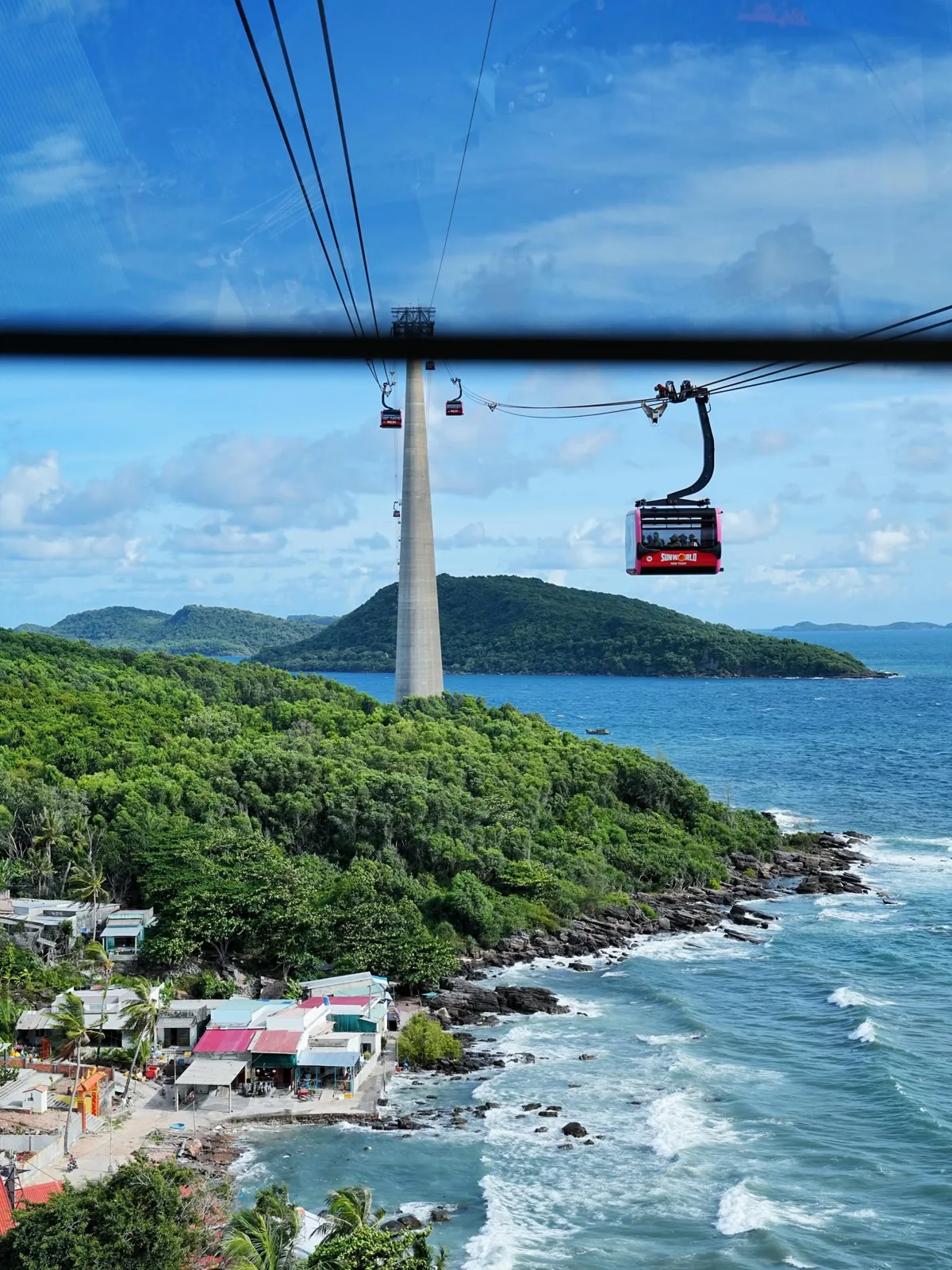
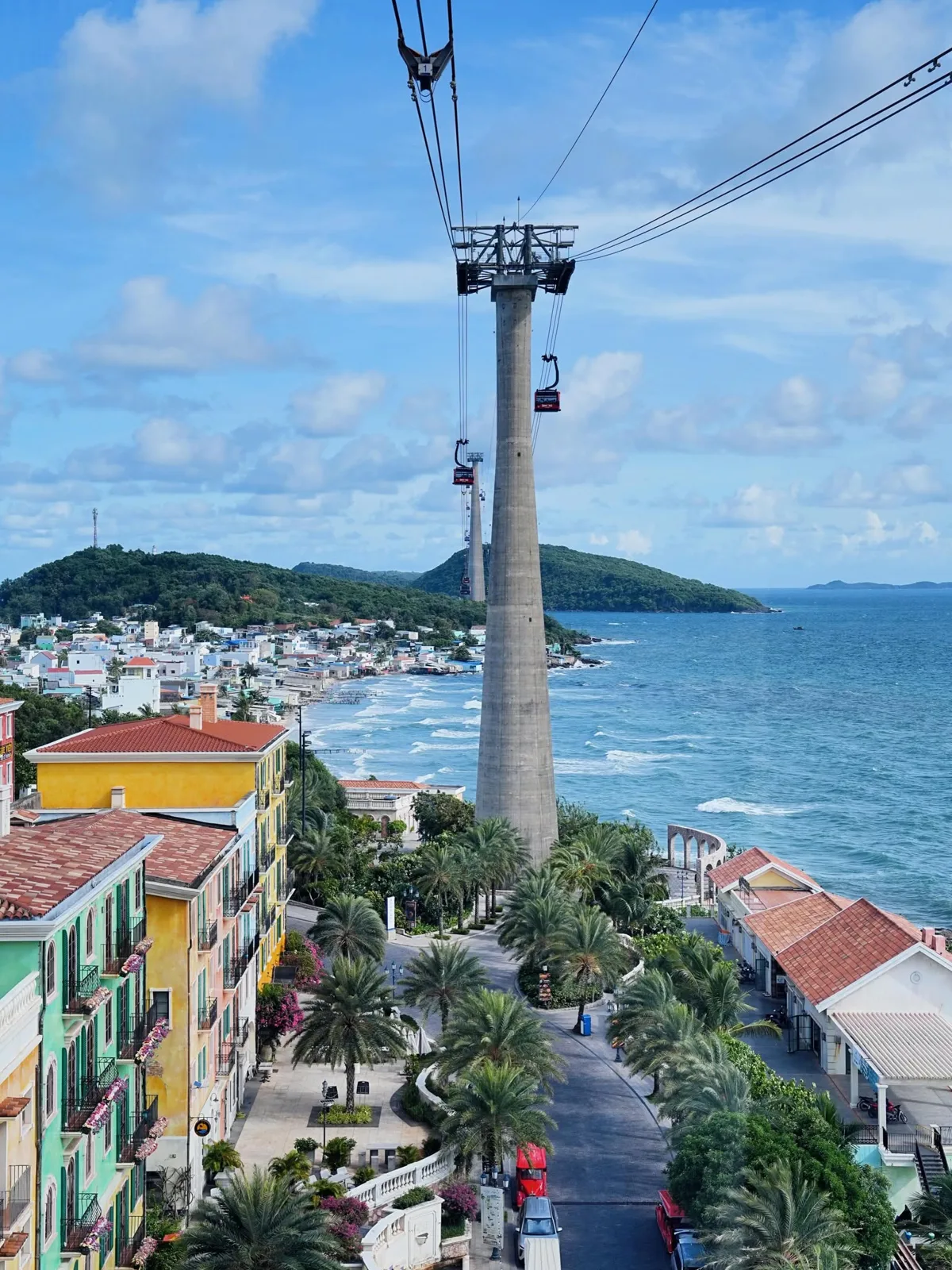
The most straightforward approach is to fly directly into Phu Quoc International Airport from an international origin. Several airlines offer direct services, providing convenient access to the island. These routes typically originate from major regional hubs, making it easier for visitors to plan their journey directly to the island's shores to enjoy the diverse coastlines of Phu Quoc Island.
Alternatively, travelers can opt for a connecting flight. This involves arriving at an international airport in mainland Vietnam, such as Noi Bai (Hanoi) or Tan Son Nhat (Ho Chi Minh City), and then immediately transferring to a domestic flight bound for Phu Quoc International Airport. It is crucial for passengers on connecting flights to remain within the transit area of the initial Vietnamese international airport and to depart for Phu Quoc on the same calendar day to maintain their visa exemption status. Airlines operating domestic routes to Phu Quoc from these major hubs facilitate this onward travel.

| Direct International Flights to Phu Quoc | Connecting Flights via Vietnamese Domestic Terminals |
|---|---|
| AirAsia (Kuala Lumpur International Airport, Malaysia) | Bamboo Airways (Noi Bai International Airport, Hanoi) |
| Bangkok Airways (Suvarnabhumi Airport, Bangkok, Thailand) | Pacific Airlines (Noi Bai, Da Nang, Tan Son Nhat) |
| China Southern Airlines (Guangzhou Baiyun International Airport, China) | Vietjet Air (Noi Bai, Cat Bi, Tan Son Nhat) |
| Okay Airways (Nanning Wuxu International Airport, China) | Vietnam Airlines (Noi Bai, Tan Son Nhat, Can Tho) |
| Qingdao Airlines (Qingdao Jiaodong International Airport, China) | Vietravel Airlines (Noi Bai, Tan Son Nhat) |
| VietJet Air (Hong Kong International Airport, Incheon International Airport, South Korea) | |
| Vietnam Airlines (Shanghai Pudong International Airport, Wenzhou Longwan International Airport, China) |
Extending Your Stay or Visiting Mainland Vietnam
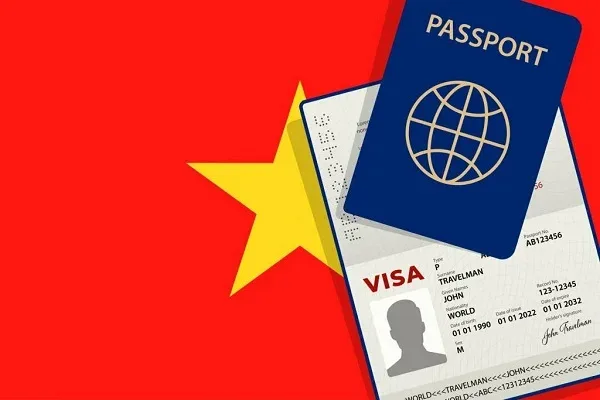
The visa exemption for Phu Quoc is exclusively for the island itself and is limited to a 30-day period. If your travel plans include visiting other regions of Vietnam after your time on Phu Quoc, or if you wish to extend your stay on the island beyond the initial 30 days, a standard Vietnam visa becomes a mandatory requirement. It is important to plan ahead, as the visa exemption does not permit entry to mainland Vietnam.
For those needing a visa, there are generally three avenues available. The first involves applying for a visa at a Vietnamese embassy or consulate in your home country or current location before commencing your journey. This method secures your visa for the entire duration of your planned trip throughout Vietnam. The second option is to apply for a Visa on Arrival (VOA), which typically requires an online application for an approval letter prior to travel, with the visa stamp issued upon arrival at a Vietnamese international airport. The third possibility, if you are already on Phu Quoc and decide to prolong your visit or travel further, is to seek a visa extension through the local immigration authorities on the island.
- Embassy/Consulate Application: Apply for a full Vietnam visa at the nearest Vietnamese embassy or consulate before your departure.
- Visa on Arrival (VOA): Obtain an approval letter online from a licensed VOA service provider, then collect your visa stamp upon arrival at any international airport in Vietnam.
- Visa Extension on Phu Quoc: If already on the island, submit an application to the local immigration department to extend your temporary residence.
Applying for a Visa Extension within Vietnam
For visitors already in Vietnam, including those on Phu Quoc Island, extending a visa requires adherence to specific guidelines and procedures. The process ensures that all foreign nationals maintain legal status during their prolonged stay in the country. Understanding these steps is crucial for a successful application.
To qualify for a visa extension, travelers must meet several conditions. These include possessing a passport with sufficient validity to accommodate the extension, having a registered temporary residence with local police in the area of stay, and holding a valid current visa. For business, work, or investment visas, a guaranteeing company in Vietnam is typically required. Furthermore, applicants must not have committed any crimes during their time in Vietnam. These requirements ensure compliance with Vietnamese immigration laws for first-time visitors planning a trip to Vietnam and returning travelers alike.
Required documentation for a visa extension generally includes the Declaration form for issuance, supplement, amendment of visa, and extension of temporary residence (Form NA5), along with the applicant's passport or other valid international travel documents. Depending on the visa category, additional papers may be requested. For tourist visas, the primary documents are usually sufficient. However, work/business, investment, or family visit visas necessitate extra supporting documents, such as legal documents of the guaranteeing company, confirmation of temporary residence from local police, or proof of personal relationships.
Visa extensions can be processed at the Immigration Management Department offices located in major cities and provinces where foreigners reside or work. Key addresses include 44-46 Tran Phu Street, Ba Dinh District, Hanoi; 78 Le Loi Street, Thach Thang Ward, Hai Chau District, Da Nang; and 333-335-337 Nguyen Trai Street, Nguyen Cu Trinh Ward, District 1, Ho Chi Minh City. These offices handle submissions from individuals, Vietnamese agencies, organizations, and citizens who are legally residing in the country.
The application procedure involves preparing all necessary documents and submitting them directly to an Immigration Department office. Officers review the application for completeness and legality; if everything is in order, they issue a receipt and an appointment for result collection. In cases of incomplete documentation, the applicant receives instructions on how to finalize their submission. Processing an extension typically takes between 7 to 10 working days from the date all required documents are submitted. Visa validity can be extended for periods such as 15 days, 1 month, 3 months, or 6 months, depending on the original visa's validity and the specific circumstances of the request. Offices generally operate from Monday to Saturday morning, excluding public holidays.
Frequently Asked Questions
Can I visit other parts of Vietnam with the Phu Quoc visa exemption?
No, the visa exemption policy for Phu Quoc is exclusively applicable to the island itself. To travel to mainland Vietnam or any other region beyond Phu Quoc, a separate, standard Vietnamese visa is required.
What if my connecting flight to Phu Quoc is delayed overnight?
The policy mandates that travelers must depart for Phu Quoc on the same day they arrive in Vietnam's international transit area. An overnight delay that requires leaving the transit zone would typically invalidate the visa exemption, making a standard visa necessary for onward travel.
How long does a visa extension typically take in Vietnam?
The processing time for a visa extension in Vietnam generally ranges from 7 to 10 working days, provided all required documents are submitted completely and correctly.
Do I need a visa if I arrive by cruise ship?
No, provided all other eligibility criteria are met, entry to Phu Quoc without a visa is permitted for arrivals by both air and sea (including cruise ships). You must still have valid onward travel proof and meet passport requirements.
What proof of onward travel is acceptable?
Acceptable forms of proof for onward travel from Phu Quoc include a confirmed round-trip airline ticket or documentation of your cruise ship's departure date, verifying that you will leave the island within the 30-day visa-exempt period.