



Traveling between Ho Chi Minh City in the south and Sapa in Vietnam's northern mountains involves a significant distance and typically requires indirect routes. As there are no direct flights or train services connecting these two points, visitors usually first travel to Hanoi, the capital, before continuing their journey to Sapa. This guide details the most common and effective transportation methods for this extensive trip across Vietnam.
Understanding the Journey from South to North
Ho Chi Minh City, often referred to as Saigon, stands as Vietnam's largest metropolis and a primary economic center in the southern part of the country. Positioned along the southeastern edge of the Indochina peninsula, it serves as a major international gateway, making it a frequent starting point for many travelers exploring Vietnam. The city offers a dynamic urban experience with its historical sites, contemporary culture, and diverse culinary scene.
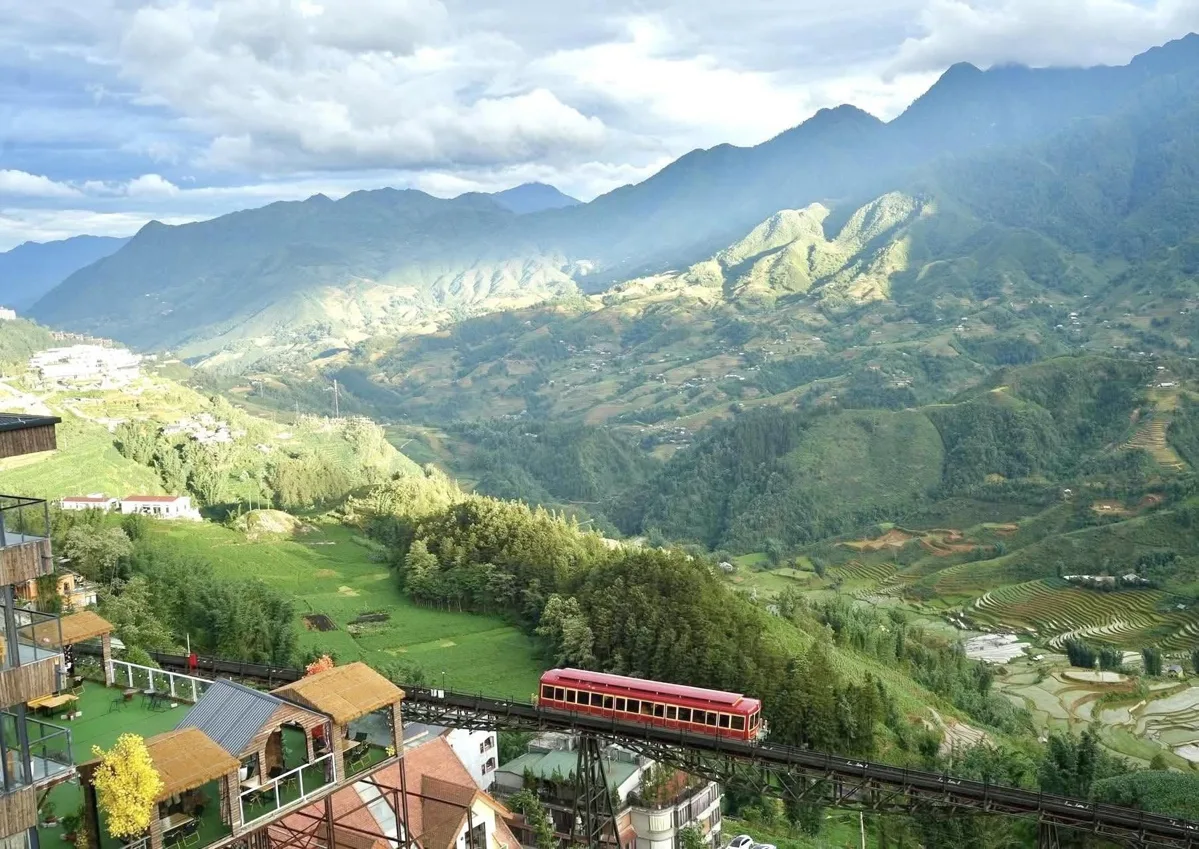
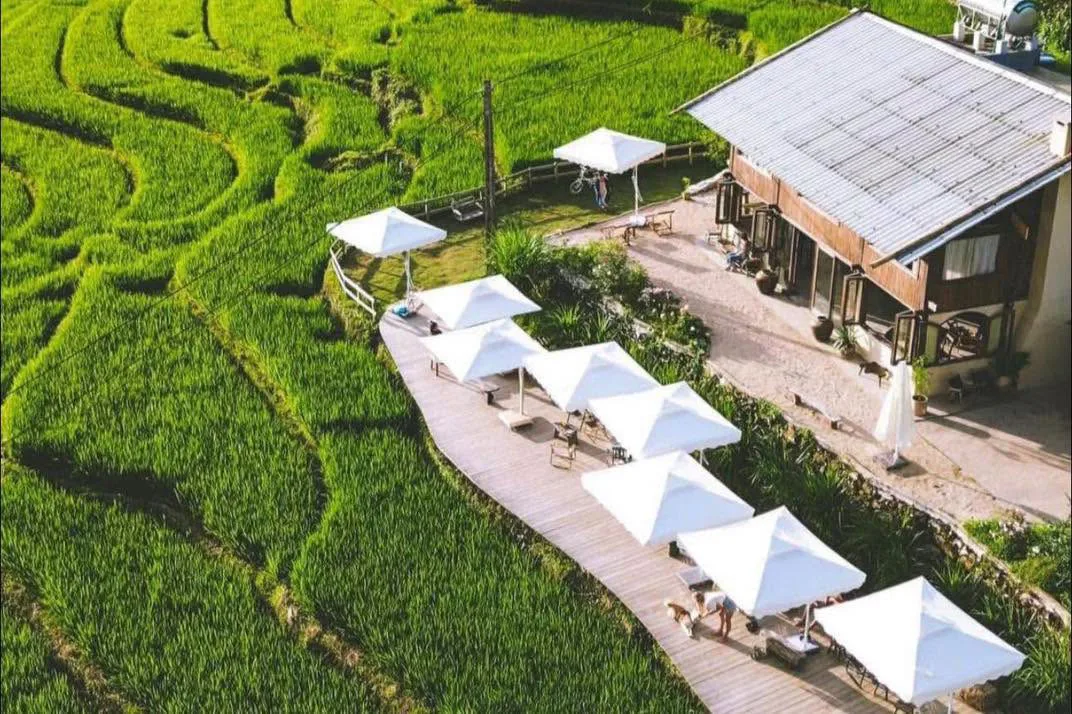
Conversely, Sapa is a highland community situated within Lao Cai Province, approximately 350 kilometers northwest of Hanoi, in proximity to the Chinese border. This locality is characterized by its mountainous terrain and surrounding green terraced rice fields, attracting those seeking natural landscapes and cultural encounters with ethnic minority groups. The distance separating Ho Chi Minh City from Sapa exceeds 2000 kilometers by road, a journey that would take approximately 60 hours if traveled continuously by car. Given this vast geographical span, no direct air or rail connections exist between the two locations, necessitating transfers, predominantly through Hanoi.
Air Travel: The Fastest Route via Hanoi
For visitors prioritizing speed, combining a flight with subsequent ground transportation offers the quickest method to reach Sapa from Ho Chi Minh City. The initial leg involves flying from Ho Chi Minh City to Noi Bai International Airport in Hanoi. This aerial segment covers approximately 1100 kilometers and typically takes around two hours, significantly reducing travel time compared to overland alternatives. As these are Vietnam's two largest cities, numerous flights operate daily from early morning until late evening, providing flexibility for travelers. Ticket prices generally range from 26 USD to 150 USD. To secure more economical fares, consider booking flights well in advance, traveling during off-peak hours, or opting for budget carriers such as Vietjet Air or Bamboo Airways.
Upon arriving at Noi Bai Airport, the onward journey to Sapa, which is about 240 kilometers away, can be completed using several transportation options tailored to different budgets and preferences.
- Standard Bus Services: The most economical choice is to take a direct bus from Hanoi to Sapa. This trip usually lasts about five hours and costs between 11 USD and 26 USD. Operators like Sao Viet and Inter Bus Line are popular for this route. These companies often provide a transfer service from the airport to their main meeting point, typically located about three kilometers from the airport's primary entrance, although advance booking is essential for this service.
- Limousine Buses: For those desiring enhanced comfort, limousine bus services offer a more premium experience. Fares for these services generally start from 14 USD to 18 USD. Reputable providers include Limousine Truong Thanh, Sapa Limousine VIP, and Eco Sapa Limousine.
- Private Car or Taxi: The quickest and most convenient option, particularly for groups or families, is to arrange a private car or taxi directly from Noi Bai Airport to Sapa. This service typically costs around 2.5 million VND for a four-seat vehicle, offering direct transport and greater flexibility.
Rail Journeys: A Scenic Overland Experience
Traveling by train from Ho Chi Minh City to Sapa is an indirect but often preferred choice for those who appreciate scenic routes and a slower pace. Similar to air travel, there is no direct rail connection to Sapa. The journey begins with a train ride from Ho Chi Minh City to Hanoi, covering a distance of 1718 kilometers. This segment typically takes between 32 to 37 hours, offering travelers an extensive view of Vietnam's diverse landscapes, including coastal areas, mountains, agricultural regions, and urban centers. Five main train services—SE1, SE3, SE5, SE7, and TN1—operate on this route, with ticket prices ranging from 26 USD to 60 USD, depending on the class of seat or berth and the specific train chosen.
From Hanoi, travelers continue their rail journey to Lao Cai, the provincial capital and the primary gateway to Sapa. Both daytime and overnight trains are available for this leg, though most visitors opt for the overnight service. These trains typically depart from Hanoi around 9 PM and arrive in Lao Cai by 5 AM, allowing passengers to maximize their daytime exploration. Ticket costs for the Hanoi to Lao Cai route vary from 6 USD to 60 USD, influenced by the train type and class. Vietnam Railway operates the most budget-friendly options, while the Victoria Express train offers a more luxurious travel experience. For those interested in premium rail options, exploring Vietnam's Premium Rail Journeys can provide further insights into enhanced comfort and services.
Long-Distance Bus Travel
While less common for the entire length, direct long-distance bus services from Ho Chi Minh City to Sapa are available, primarily departing from Ben Xe Mien Dong, the Eastern Bus Station. It is important to note that direct services to Sapa are fewer compared to those heading to Hanoi. This journey is extensive, typically lasting around 42 hours, and fares average about 30 USD. Companies such as Hoang Long, Mai Linh, and Tan Dat are among the providers offering these routes. This option is generally considered for budget-conscious travelers with ample time, as it involves continuous travel across a significant portion of the country.
Tailoring Your Trip: Recommendations and Considerations
Given Vietnam's elongated geography and numerous attractions, traveling directly from Ho Chi Minh City to Sapa without intermediate stops is generally not recommended. Such a direct route would mean missing out on many notable places along the way, including coastal cities like Nha Trang, the historic charm of Hoi An and Hue, the natural wonders of Phong Nha, the karstic landscapes of Ninh Binh, and the cultural richness of Hanoi. Many visitors opt for comprehensive Vietnam package tours that commence in the south and proceed northward, incorporating various modes of transport such as buses and trains for shorter distances to experience local life, and flights for longer, time-sensitive segments. Exploring Vietnam's premier urban destinations can help in planning these stops.
The ideal travel approach from Ho Chi Minh City to Sapa largely depends on your available time and budget:
- For trips under one week: Focus on Ho Chi Minh City and Hanoi. Utilize flights between these two major cities and then take an overnight train or bus to Sapa to optimize your schedule.
- For approximately two weeks: Consider flying from Ho Chi Minh City to a central Vietnamese destination like Da Nang or Hue, spending several days exploring Hoi An and Hue. Afterward, fly to Hanoi and continue your journey to Sapa. While in Ho Chi Minh City, visitors might also enjoy exploring the city's evening shopping and street food scene.
- For extended journeys (more than two weeks): A comprehensive train trip from the south to the north offers a relaxed pace and opportunities for multiple stopovers. Incorporate destinations such as Nha Trang, Hoi An, Hue, Phong Nha, or Ninh Binh, utilizing overnight train services to save time and accommodation costs. Planning a route that includes Ninh Binh to Halong Bay could also be a worthwhile extension.
| Method | HCMC to Hanoi/Lao Cai Duration | HCMC to Hanoi/Lao Cai Cost (approx) | Hanoi/Noi Bai to Sapa Duration | Hanoi/Noi Bai to Sapa Cost (approx) | Total Duration (approx) | Total Cost (approx) | Key Benefit |
|---|---|---|---|---|---|---|---|
| Flight + Standard Bus | 2 hours (flight) | $26 - $150 (flight) | 5 hours | $11 - $26 | 7 hours + transfers | $37 - $176 | Fastest overall travel time |
| Flight + Limousine Bus | 2 hours (flight) | $26 - $150 (flight) | 5 hours | $14 - $18 | 7 hours + transfers | $40 - $168 | Fast and comfortable |
| Flight + Private Car | 2 hours (flight) | $26 - $150 (flight) | 5 hours | $100+ (2.5 mil VND) | 7 hours + transfers | $126 - $250+ | Most convenient and private |
| Train + Train | 32 - 37 hours (HCMC-Hanoi) | $26 - $60 (HCMC-Hanoi) | 8 hours (Hanoi-Lao Cai) | $6 - $60 (Hanoi-Lao Cai) | 40 - 45 hours + transfers | $32 - $120 | Scenic journey, overnight options |
| Direct Bus | N/A | N/A | N/A | N/A | 42 hours | $30 | Most direct budget option (less common) |
Frequently Asked Questions
Is there a direct way to travel from Ho Chi Minh City to Sapa?
No, direct flights or trains are unavailable between Ho Chi Minh City and Sapa. All journeys involve at least one stopover, most commonly in the capital city of Hanoi.
What is the fastest method to reach Sapa from Ho Chi Minh City?
The quickest option combines flying from Ho Chi Minh City to Hanoi's Noi Bai Airport, followed by ground transportation such as a private car or a limousine bus directly to Sapa.
How long does the train journey from Ho Chi Minh City to Hanoi take?
The train trip spanning from Ho Chi Minh City to Hanoi typically requires between 32 and 37 hours to complete.
Is it advisable to travel directly from Ho Chi Minh City to Sapa without other stops?
Most travel experts suggest incorporating stops in central and northern Vietnam, such as Hoi An, Hue, or Ninh Binh, to experience more of the country's diverse attractions rather than traveling directly.
What are the approximate costs for flying from Ho Chi Minh City to Hanoi?
Flight prices for the Ho Chi Minh City to Hanoi route generally range from 26 USD to 150 USD, with variations depending on the airline, booking time, and class of service.