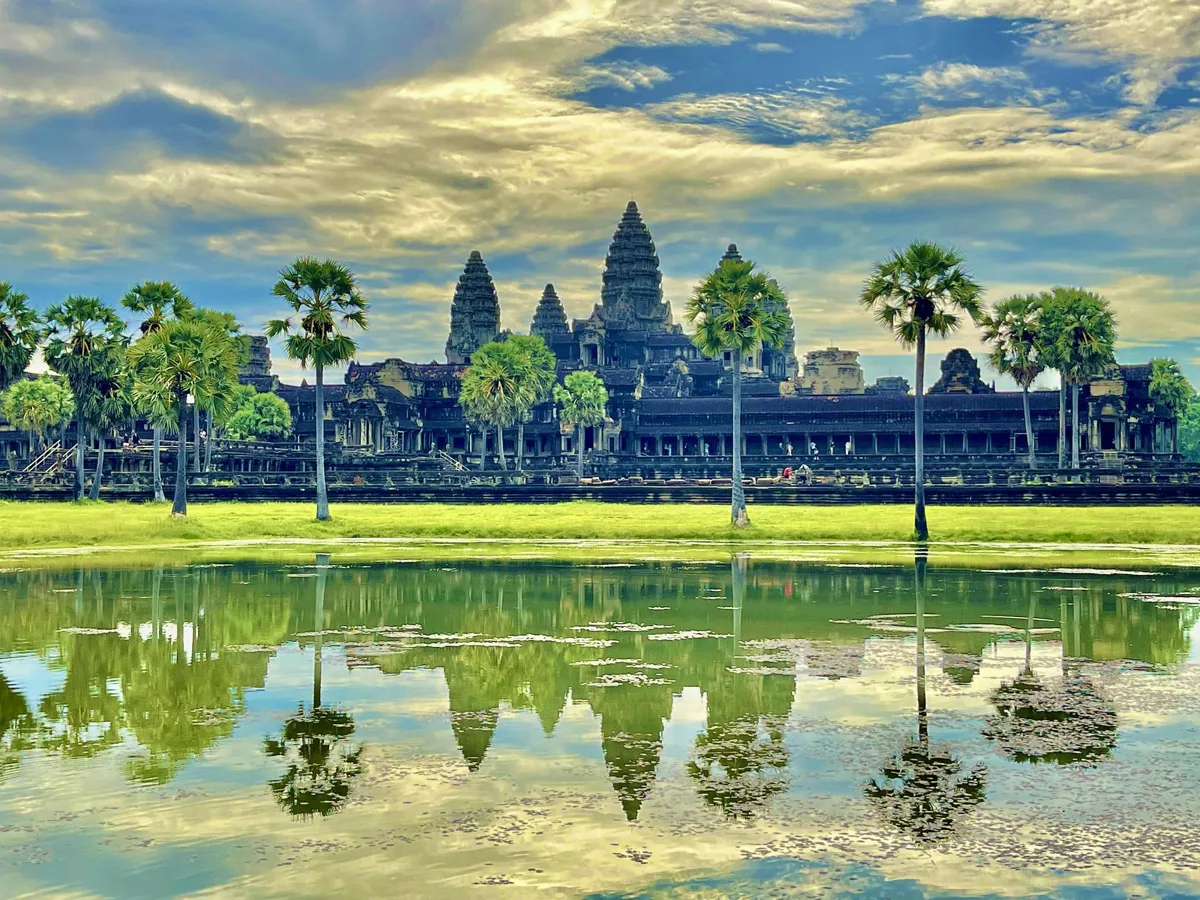
Discovering Your Perfect Indochina Adventure: The Definitive Guide to Climate and Best Travel Times
Indochina, a mesmerizing region encompassing Vietnam, Cambodia, Laos, and often extended to include Thailand and Myanmar, captivates with its ancient wonders, vibrant cultures, and breathtaking natural beauty. As you dream of exploring bustling markets, serene temples, or pristine coastlines, one crucial question arises: "When is the best time to travel Indochina?" At enjoyvietnamtravel.com, we understand that the success of your journey hinges on aligning your travel dates with optimal conditions for *your* unique adventure. Far from a uniform tropical paradise, this diverse region offers a mosaic of climates, and understanding its seasonal rhythms is the key to an unforgettable experience.
Our team, with decades of collective experience crafting bespoke Indochina holidays, believes that informed planning transforms a good trip into an extraordinary one. This comprehensive guide will delve deep into Indochina's dynamic weather patterns, helping you pinpoint the ideal window for your desired activities, whether it's sun-drenched beach relaxation, intrepid trekking, or vibrant cultural immersion.
Unraveling Indochina's Climate: The Monsoon Phenomenon and Beyond
The climate across Indochina is primarily shaped by its tropical latitude, extensive coastlines, and the powerful influence of monsoon winds. While the term 'monsoon' often conjures images of endless downpours, the reality is far more nuanced and, for many, surprisingly appealing. With the exception of landlocked Laos, countries like Vietnam boast over 3,000 kilometers of coastline, significantly impacting local weather systems.
Generally, Indochina experiences two main seasons: the dry season and the rainy (or green) season. While highland areas may offer cooler evenings, genuinely cold conditions are rare. Travelers typically only need a light jacket for after sunset and perhaps lightweight waterproofs if visiting during periods of rain.
It's crucial to remember that weather patterns are not rigidly fixed; seasons transition gradually. An occasional early downpour might precede the official monsoon, just as residual showers can linger at the end of the rainy season. For those embarking on a multi-country Indochina tour, balancing these climatic nuances is often necessary, perhaps prioritizing clear road access for natural environments while accepting slightly less ideal conditions in other areas. This flexibility is part of the adventure!
The Monsoon: A Refreshing Perspective
Forget the stereotype of relentless, all-day rain. Across much of Indochina, the rainy season is characterized by intense, yet often short-lived, afternoon showers. These refreshing bursts typically last an hour or two, leaving behind clear skies and a vibrant, freshly washed landscape. This "green season" brings a unique beauty, with lush paddy fields, full waterfalls, and a sense of renewed vitality. As Lesley Schofield from our partner All Points East aptly puts it: "When the rain falls it freshens everything up. Towards the end of the dry season, people are getting fed up with the heat. In the rainy season, everyone’s happier!"
High vs. Low Season: Weighing Your Indochina Adventure
Indochina experiences distinct high and low travel seasons, each offering unique advantages and disadvantages. Your choice largely depends on your priorities: avoiding crowds, securing deals, or guaranteeing optimal beach weather. Understanding these patterns is key to finding the best time to travel Indochina for you.
The Peak Dry Season: Sun-Kissed Journeys (November - February)
This period is widely considered the best time to travel Indochina for many, especially for multi-country tours. Most of the region experiences drier, less humid, and slightly cooler weather, with average daily temperatures hovering around a comfortable 30°C. This makes it ideal for a wide range of activities, from exploring ancient temples to relaxing on pristine beaches and embarking on multi-day treks.
- Pros: Predictably sunny skies, comfortable temperatures, perfect for outdoor activities, excellent visibility for diving and snorkeling. Rivers are full after the monsoon, ideal for cruising.
- Cons: Significantly higher tourist numbers at popular attractions, increased prices for accommodation and flights, reduced availability for tours and lodging, especially around Christmas, New Year, and Vietnam's Tet Nguyen Dan.
Europeans, in particular, flock to Indochina in January, seeking respite from winter. Thailand's notorious full moon parties are especially popular at the start of the year, while authentic celebrations like Vietnam’s Tet Nguyen Dan (Lunar New Year) often fall in late January or early February. Hotels heave, and some attractions may have altered hours during these festive periods. Early December is often a sweet spot, offering perfect weather without the peak holiday crowds.
Embracing the Green Season: A Different Kind of Charm (May - October)
The low season, which generally coincides with the region's rainy period, typically brings fewer tourists to major attractions, often resulting in more affordable prices for accommodation and a wider selection of lodging options. This can be an excellent time for budget-conscious travelers or those seeking a more authentic, less crowded experience.
- Pros: Fewer crowds, lower prices, lush and vibrant landscapes, full rivers and waterfalls, unique cultural experiences (e.g., Mekong Delta water lilies). The air feels fresh and clean after showers.
- Cons: Potential for heavy rainfall, muddy or impassable roads in remote areas, less ideal for dedicated beach holidays or extensive trekking. Some coastal areas might experience rougher seas.
If you don’t mind the occasional intense, short shower, the monsoon season can often be the best time to travel Indochina for deals on flights and accommodation, offering a unique and often more serene perspective of the region.
A Month-by-Month Guide to Indochina's Weather Mosaic
While general seasons apply, Indochina's vast geographical spread means weather can vary significantly by country and even within regions of the same country. Here's a detailed breakdown to help you pinpoint your perfect travel window:
January in Southeast Asia
Dry and sunny in most areas, January is a very popular time of year. The average daily high across much of mainland Indochina remains above 30°C, though it's cooler in places like northern Vietnam (Hanoi avg. high 21°C). Tet Nguyen Dan, Vietnam’s Lunar New Year festivities, often falls this month, leading to busy hotels and some attraction closures. January is a good month for a Cambodia and Vietnam holiday.
February in Southeast Asia
Still peak tourist season, February offers the last of the cooler, sunny, and dry months before temperatures climb pre-monsoon. Tet might still fall this month in Vietnam, but the north of the country is quite cool. Meanwhile, in Thailand, it’s reliably 30°C+.
March in Southeast Asia
March brings hot and humid weather to the peninsula before the monsoon, though north Vietnam has its peak season now. It’s firmly beach weather in places like Thailand and southern Vietnam, with coastal resorts getting very busy. In some areas, it's peak ‘burning season’ where farmers burn fields, leading to hazy views and potential respiratory issues.
April in Southeast Asia
April is hot and humid across much of Indochina, with some rain around, though not yet full monsoon. Temperatures soar; this is often the hottest month, reaching high 30s in places like Laos. Northern Vietnam, however, enjoys one of its best months to visit. Songkran celebrations (mid-April) offer a unique cultural experience, if you don't mind getting soaked!
May in Southeast Asia
The rains begin in Southeast Asia in May, marking the advent of the south-west monsoon in Laos, Thailand, and southern Vietnam, and a bit later in Cambodia. This starts the lush ‘green season’. May is a quieter month, and being at the start of the rains, it can be a good time for cheaper holidays.
June in Southeast Asia
The rainy season progresses across much of Indochina in June, starting properly in Cambodia and the Gulf of Thailand. Dirt roads in Laos become very muddy, and the Mekong Delta may flood. However, central Vietnam remains dry, and Thailand’s Koh Samui experiences drier weather. Expect sunshine between showers, a rapidly greening landscape, and full waterfalls.
July in Southeast Asia
Settle in for the rainy season in July; it’s mostly hot and wet. Yet, good places to visit include Vietnam’s Con Dao Archipelago for nesting turtles, drier Koh Samui in Thailand, and Vietnam’s central coast. Laos’s Bolaven Plateau will be cooler.
August in Southeast Asia
Southeast Asia in August is at peak monsoon, ruling out trekking as paths are too slippery. This is Laos’ wettest month. Drier regions include central Vietnam’s coast and Thailand’s lower Gulf islands like Koh Samui. Even in peak rainy season, there is still sun about, and areas can get hours of sun a day between showers.
September in Southeast Asia
Often seen as the wettest month, the monsoon hits many areas hard in September, particularly Bangkok, Ho Chi Minh City, and Phnom Penh. It’s shoulder season in Vietnam, with typhoon season approaching the central coast. In Laos, the rains are easing, and the landscape is beautifully green. While challenging for some, it can be the best time to travel Indochina for photographers seeking dramatic skies and lush scenery.
October in Southeast Asia
Emerging from the monsoon, Southeast Asia in October is beautifully green and busy with the rice harvest. In the Mekong Delta, water lilies are picked. Cooler temperatures are coming, but there might still be some rain. It’s very wet in central Vietnam, on Thailand’s Andaman Coast, and in parts of Cambodia.
November in Southeast Asia
November marks the beginning of the dry season and high season for visitors in many places. River levels are high after the monsoon, ideal for cruising. The Tonle Sap River in Cambodia reverses its flow this month, celebrated by the Bon Om Touk Water Festival. Expect sunny weather and perfect temperatures, making it an excellent candidate for the best time to travel Indochina.
December in Southeast Asia
One of the best times of year to visit, December is sunny, warm, and dry in most places. It gets very busy, especially towards the end of the month, as travelers scramble for Christmas and New Year holidays. Expect great weather across most of Indochina, though central Vietnam can still be a bit rainy. Early December might be better for a quieter stay. December is a good time for a Cambodia, Vietnam, and Laos holiday.
Regional Climate Overview Table
| Region/Country | Primary Rainy Season | Primary Dry Season | Key Considerations & Best Times |
|---|---|---|---|
| Vietnam (North) | May - October | November - April | Cooler in Jan-Feb (Hanoi avg. 21°C). April is one of the best months. |
| Vietnam (Central) | September - December | January - August | Dry later into summer (June-July). Typhoon season in Sept-Dec. |
| Vietnam (South) | May - October | November - April | Afternoon showers common. Peak wet in Sept. |
| Cambodia & Laos | May - October | November - April | Afternoon showers common. Laos wettest in August. Mekong Delta flooding in June. |
| Thailand (West Coast - Andaman) | May - October | November - April | Best for diving/snorkeling in winter months (Nov-Feb). Wettest in Sept-Oct. |
| Thailand (East Coast - Gulf) | September - December | January - August | Drier in June-August (Koh Samui). More consistent climate year-round. |
| Myanmar | May - October | November - April | Very hot before May rains. Jan-Feb ideal. Remote areas accessible Dec onwards. |
Example: Bangkok Weather Chart
To give you a clearer picture of typical city weather, here's a snapshot for Bangkok. Remember, regional variations apply!
| Month | MIN °C | MAX °C | RAIN (mm) |
|---|---|---|---|
| JAN | 21 | 32 | 8 |
| FEB | 23 | 33 | 21 |
| MAR | 25 | 34 | 31 |
| APR | 26 | 35 | 68 |
| MAY | 26 | 34 | 182 |
| JUN | 26 | 33 | 159 |
| JUL | 25 | 33 | 167 |
| AUG | 25 | 32 | 207 |
| SEP | 25 | 32 | 292 |
| OCT | 24 | 32 | 199 |
| NOV | 23 | 32 | 49 |
| DEC | 21 | 31 | 11 |
Crafting Your Ideal Indochina Itinerary: Activity-Specific Seasons
The feasibility and enjoyment of certain activities are heavily influenced by the time of year. Tailoring your trip to seasonal conditions ensures you get the most out of your Indochina adventure, helping you determine the best time to travel Indochina for your specific interests.
Coastal Escapes & Water Sports
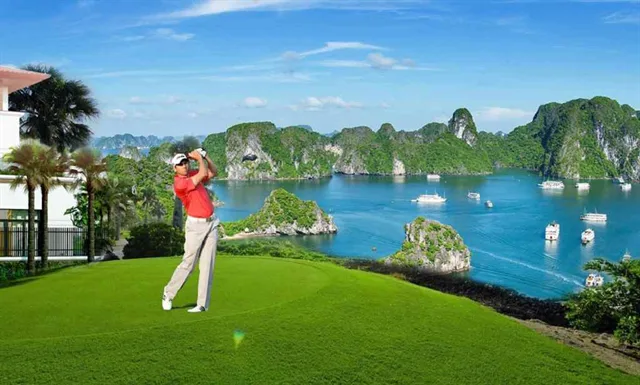
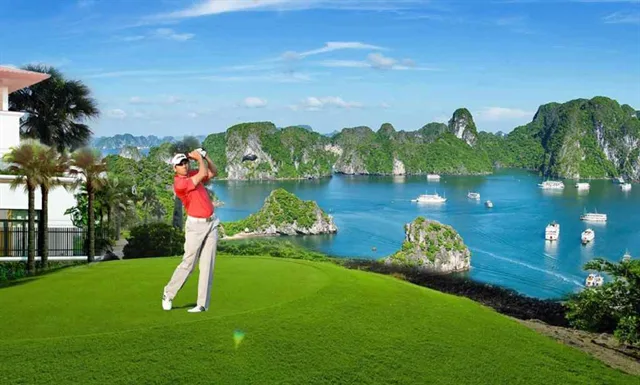
For coastal destinations like Halong Bay, the dry season (November-April) typically offers the most favorable conditions for sunbathing, swimming, and water sports, with clear skies and calmer waters. Thailand's west coast (Andaman Sea) is particularly stunning for snorkeling and scuba diving during these months. While beaches can still be enjoyed during the rainy season, conditions might be less ideal for dedicated sun-worshippers or water enthusiasts, though Thailand's Gulf Coast (e.g., Koh Samui) often experiences drier weather during the general monsoon period.
Trekking & Remote Exploration
Journeys into remote, less-developed regions, especially those involving extensive trekking or dirt roads, are more reliably undertaken when roads are clear and stable. This generally means outside the peak monsoon months (May-October), minimizing the risk of disruptions or inaccessibility. Laos, for instance, can see its dirt roads become very muddy in June, and trekking paths across the region can be slippery and dangerous during August, its wettest month.
Urban Adventures & Cultural Immersion
Urban centers like Bangkok, Ho Chi Minh City, and Phnom Penh retain their charm and offer numerous indoor and sheltered outdoor attractions regardless of the weather. These cities remain active and appealing year-round, providing a wealth of cultural experiences, dining, and shopping opportunities even during a downpour. A refreshing rain shower can sometimes be a welcome break during a busy day of sightseeing, making cities excellent year-round destinations.
Family Travel & School Breaks
Families often travel during mid-summer school breaks, which frequently coincides with the rainy season. While this timing might limit beach options in some areas, Indochina provides a wealth of other cultural, historical, and adventure-based experiences suitable for longer family holidays. Exploring ancient temples, participating in cooking classes, or visiting local markets are all wonderful activities that can be enjoyed irrespective of the weather.
Escaping Winter: Couples & Solo Travelers
Travelers seeking respite from colder home climates, such as couples or solo adventurers, frequently opt for the dry season (November-February) to enjoy consistent warmth and sunshine. This popular period often means increased visitor numbers at major sites and potentially higher expenses for travel and accommodation. However, strategic planning, such as scheduling early morning visits to popular landmarks, can help mitigate crowds and enhance the experience, making the higher costs a worthwhile investment for a memorable trip.
Celebrate Indochina: A Calendar of Vibrant Festivals
Beyond the weather, timing your visit with one of Indochina's vibrant festivals can add an unforgettable cultural dimension to your journey, potentially making it the best time to travel Indochina for a truly immersive experience.
Key Cultural Celebrations Throughout the Year
- Tet Nguyen Dan (Late January or Early February): Vietnam’s Lunar New Year is the country’s largest celebration, coinciding with the Chinese New Year. After weeks of preparation, families gather, homes are decorated with blossoms, and public transport is busy. Expect food, fireworks, and a bustling atmosphere.
- Songkran (Mid-April): A real benefit of visiting Southeast Asia on the cusp of the dry season is Songkran, the New Year celebrations across Thailand, Laos, and Cambodia. It’s a huge, week-long street party, celebrating the end of the dry season with massive water fights. Prepare to get soaked! Even a 90-year-old granny might have a water gun!
- Buddha’s Birthday (April or May): The holiest holiday in the Buddhist calendar, marked by monks leading prayers from early morning and torchlit processions carrying flowers and incense in the evening.
- Ngan Bun Bang Fai (May): The Rocket Festival, celebrated in Laos and Thailand by ethnic Lao people, marks the coming of the rains. Elaborate homemade rockets are fired into the sky to ask for water and ensure a good harvest, creating amazing displays.
- Wandering Souls’ Day (August): One of Vietnam’s largest festivals, also known as Vu Lan, is a time when the spirit world is thought to be open. Families pray for loved ones who have passed and make offerings on their behalf to ensure their safe passage into heaven.
- Hoi An Lantern Festival (Usually 14th Day of Each Lunar Month): In Hoi An, Vietnam, the full moon is considered sacred and is celebrated monthly. Motorized vehicles are banned, lights are turned off, and the streets are illuminated by lanterns, with floating lanterns set on the river.
- Festival of Light (November): Known as Loy Krathong in Thailand and Bon Om Touk in Cambodia, this festival gives thanks to the Goddess of Water and Rivers. Floating containers of flowers and leaves (krathongs) with candles are set adrift. Chiang Mai has a particularly significant Loy Krathong celebration, while Bon Om Touk celebrates the Tonle Sap River's flow reversal.
Essential Tips for a Seamless Indochina Journey
Planning Your Multi-Country Adventure
When planning a multi-country Indochina itinerary, it is often necessary to find a balance, accepting minor compromises in one area to optimize conditions in another. Prioritize the aspects of your trip most sensitive to weather, such as extensive trekking or coastal relaxation, and build your schedule around those. When planning extensive journeys across the region, exploring diverse transport options, including overnight trains, can enhance the experience and help you navigate different regional climates efficiently.
Smart Packing & On-the-Go Flexibility
Packing versatile clothing, including lightweight, quick-drying items and a compact waterproof layer, is advisable for any season, given the region's humidity and potential for unexpected showers. Staying informed about local forecasts during your trip can help you adjust daily plans as needed, ensuring a more comfortable and enjoyable experience. Embracing flexibility and being open to local suggestions can turn potential weather disruptions into unique opportunities, often leading to some of the most memorable moments.
- Research specific regional climates for your exact travel dates, as microclimates exist, especially in mountainous areas.
- Consider travel insurance that covers weather-related disruptions or itinerary changes for peace of mind.
- Book popular attractions and accommodations well in advance, especially during the peak dry season (November-February) and around major festivals.
- Embrace flexibility; local knowledge can often provide alternative activities or hidden gems during unexpected weather.
- Pack layers and prepare for humidity and occasional rain, even in periods typically considered dry.
- Bring a warm jacket for cooler evenings, especially in northern Vietnam or highland areas during the dry season.
Frequently Asked Questions about Indochina Weather and Travel
Is Indochina always hot?
Indochina generally experiences warm to hot temperatures year-round due to its tropical latitude. While highland areas can have cooler evenings, particularly during the dry season, genuinely cold weather is uncommon across the region. A light jacket is usually sufficient for evenings.
What are the benefits of traveling during the rainy season?
Traveling during the rainy season often means fewer tourists at popular sites, reduced prices for accommodation and tours, and a greener, more lush landscape. Rain showers are frequently short, afternoon occurrences rather than continuous, all-day downpours, allowing for plenty of sunshine and unique photo opportunities.
Can I still enjoy beaches during the rainy season?
While some coastal resorts may experience reduced operations, and conditions for sunbathing or water sports might be less ideal, it is still possible to enjoy beaches. However, for a dedicated beach holiday with reliable sunny weather and calm waters, the dry season generally offers more favorable conditions. Note that some coastal areas, like Thailand's Gulf Coast, can be drier during the general monsoon period.
How does the monsoon affect travel in remote areas?
Monsoon rains can significantly impact road conditions in remote areas, sometimes making them muddy, difficult, or even impassable. This can lead to delays or changes in travel plans for those seeking to explore very isolated regions, particularly in Laos or parts of Myanmar. Trekking paths can also become slippery and unsafe, so it's advisable to check local conditions or consult with a travel expert.
Which countries are considered part of Indochina for travel purposes?
For travel planning, Indochina typically refers to Vietnam, Cambodia, and Laos. However, broader tours and regional itineraries often include neighboring countries like Thailand and Myanmar due to their geographical and cultural proximity, offering a more comprehensive Southeast Asian experience.
When is the "worst" time to visit Southeast Asia?
The "worst" time is subjective and depends on your priorities. For many, the peak rainy season (often September in many areas) can be challenging due to potential flooding, making some sites closed and certain places hard to navigate. For instance, dirt roads in Laos can get washed away, and the Mekong Delta can flood. However, even during this time, other regions might be drier, and the benefits of fewer crowds and lower prices still apply.
What months are the best time to travel Indochina for a multi-country trip?
Many travelers want to see all of the Indochina peninsula on one trip, which means picking the weather window that works best for all of Laos, Cambodia, Vietnam, and possibly Thailand too, all at once. The best time for a multi-country tour is generally between November and February. We think early December is particularly good, as it is less busy than later in the month in many places, offering perfect weather without the peak holiday crowds.
Ultimately, Indochina is a captivating destination year-round, each season offering a unique perspective and set of experiences. Whether you dream of sun-drenched beaches, lush green landscapes, or vibrant cultural festivals, understanding the climate is your first step towards an unforgettable journey. Let enjoyvietnamtravel.com be your guide to planning the perfect Indochina adventure, tailored precisely to your desires and the region's dynamic seasons. Call us for a chat about our holidays; we are happy to discuss your holiday and help in any way we can. No bots, queues, or awful hold music – just genuine, expert advice.
Contact Us:
email sale@enjoyvietnamtravel.com