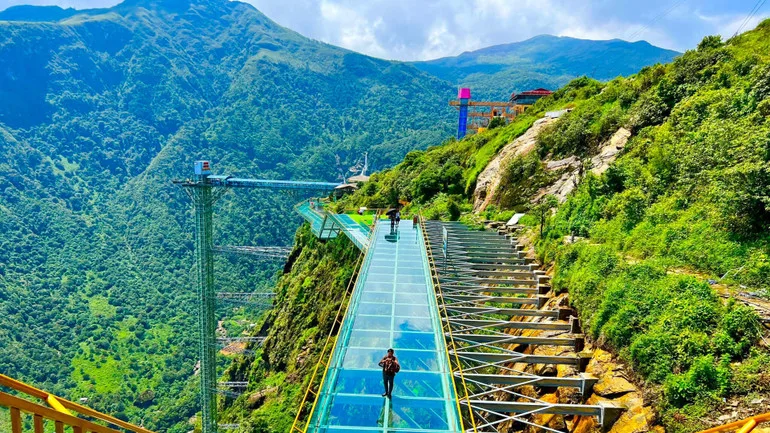
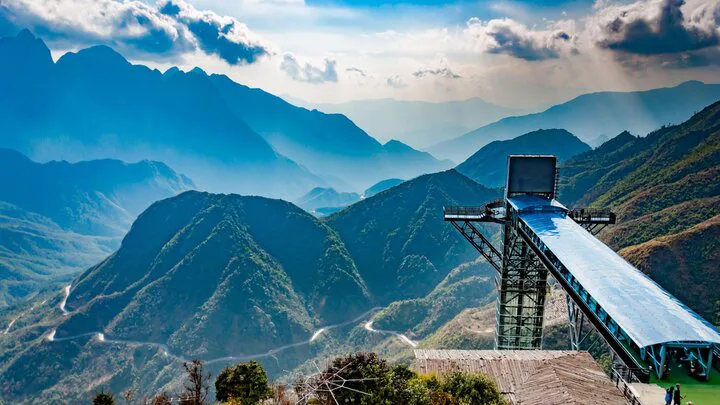
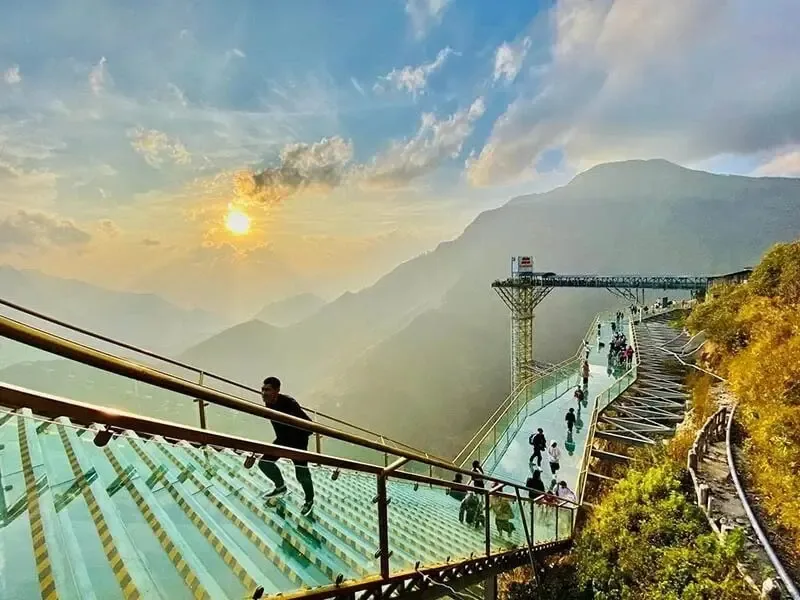
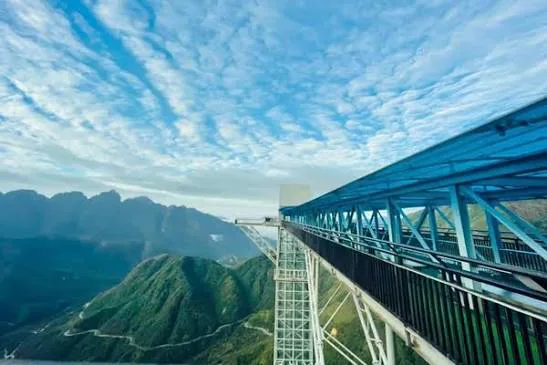
The Sapa Glass Bridge, also known by its Vietnamese name Cầu Kính Rồng Mây (Dragon in Cloud Glass Bridge), presents an extraordinary attraction for those visiting Northern Vietnam. Situated high above the landscape, it provides an opportunity to observe the mountainous terrain from a distinctive vantage point. This structure has become a notable point of interest for travelers exploring the Sapa region.
Located in the vicinity of the popular Sapa town, this glass walkway offers expansive views that draw numerous visitors. It serves as a modern addition to the natural grandeur of the area, allowing guests to appreciate the scale of the surrounding environment from an elevated perspective.
The Location and Its Unique Setting
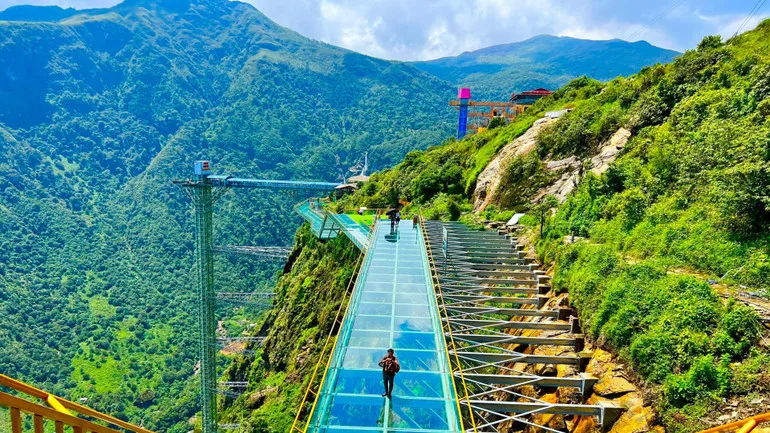
The Sapa Glass Bridge is found on O Quy Ho Pass, approximately 17 kilometers from Sapa town center. This position places it at a significant elevation, built along the cliffside of the Hoang Lien Son Mountain range at a height exceeding 500 meters from the base of the cliff. The specific address is Route No. 4, Son Binh, Tam Duong, Lao Cai, Vietnam.
O Quy Ho Pass itself is renowned for its winding roads and scenic beauty, often referred to as one of Vietnam's most challenging yet rewarding mountain passes. The bridge's placement here means visitors not only experience the structure but also the journey through this impressive geographical feature. The elevated position contributes to the expansive outlooks available from the bridge.
Design and Experience of the Sapa Glass Bridge
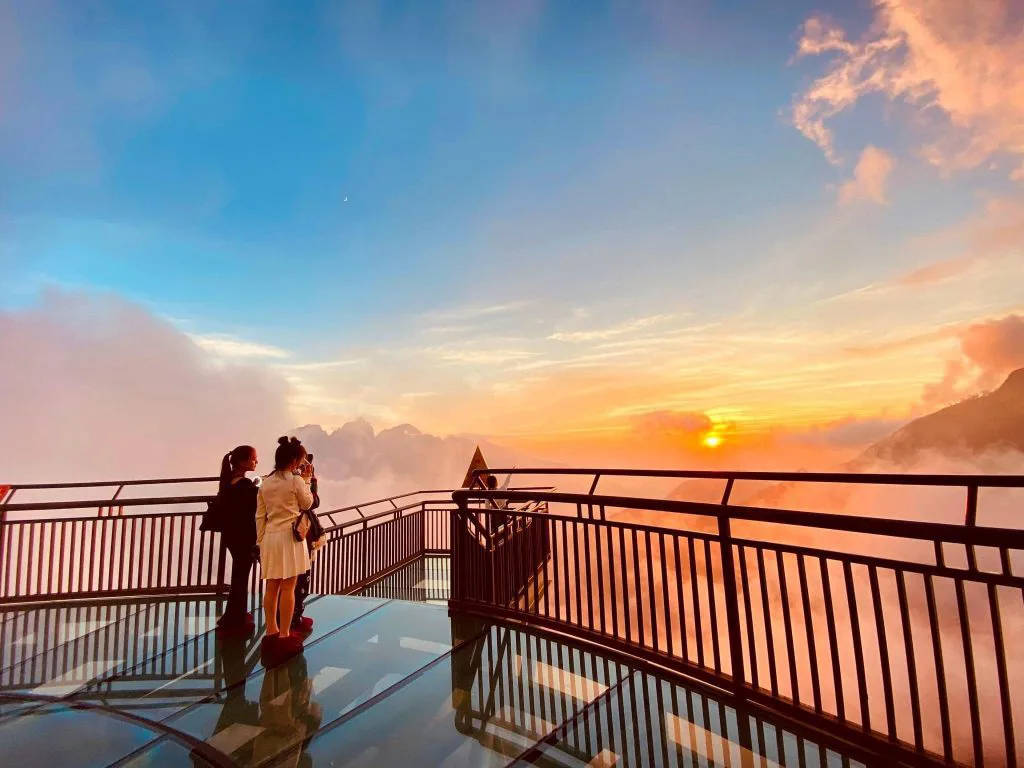
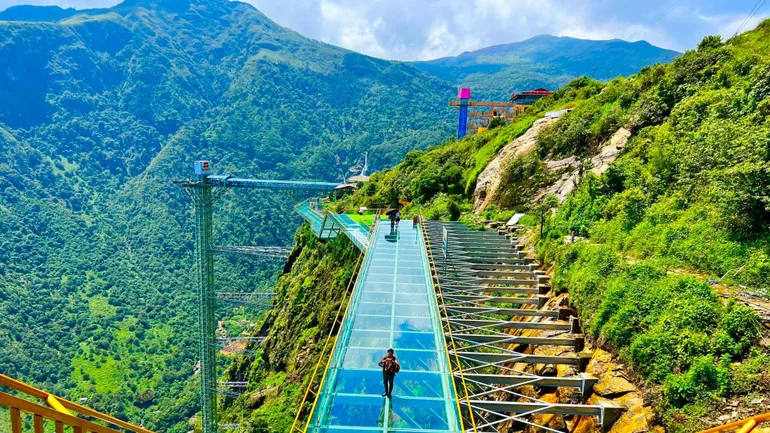
Currently recognized as the longest glass bridge in Indochina, the Sapa Glass Bridge measures 60 meters in length and 5 meters in width. Its construction at over 2000 meters above sea level affords an exceptional panorama. The design extends 60 meters from the cliff, providing guests with a comprehensive 360-degree view of the surrounding environment.
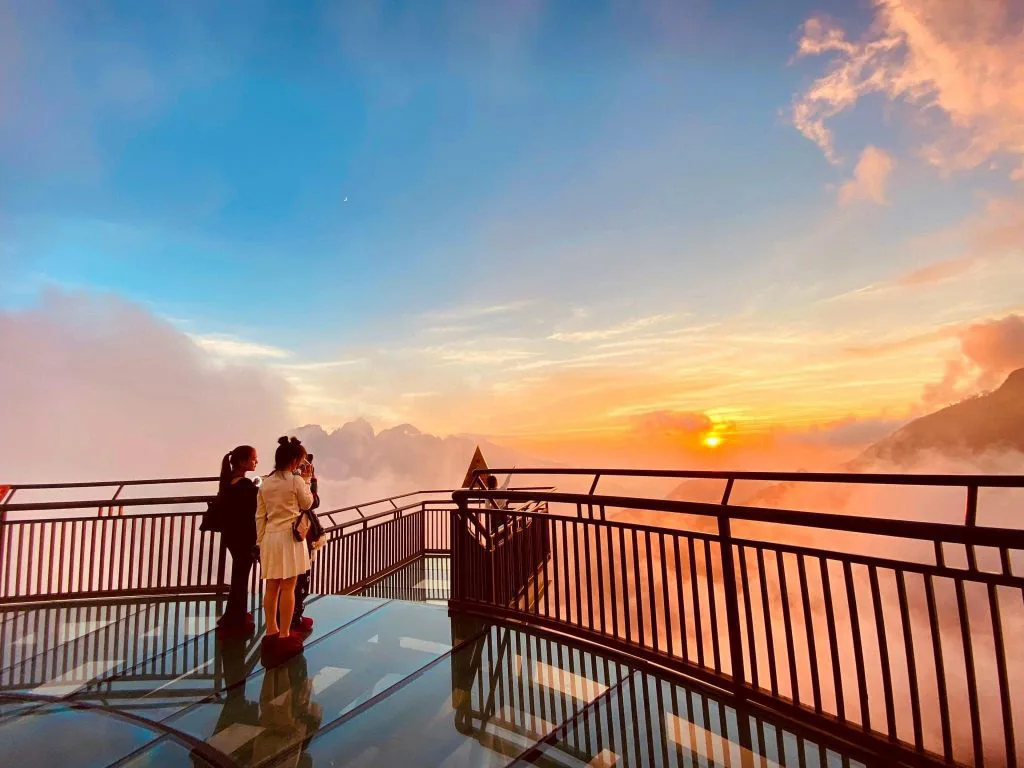
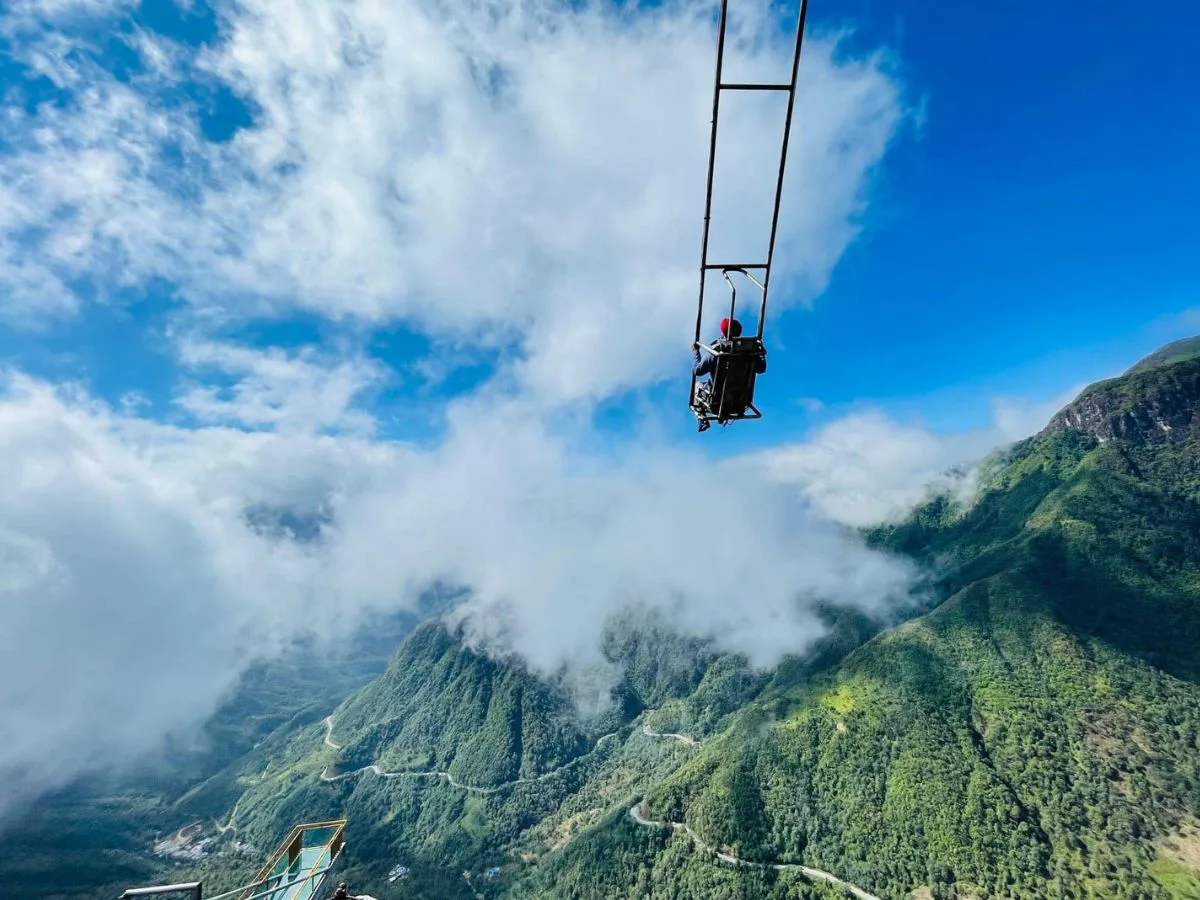
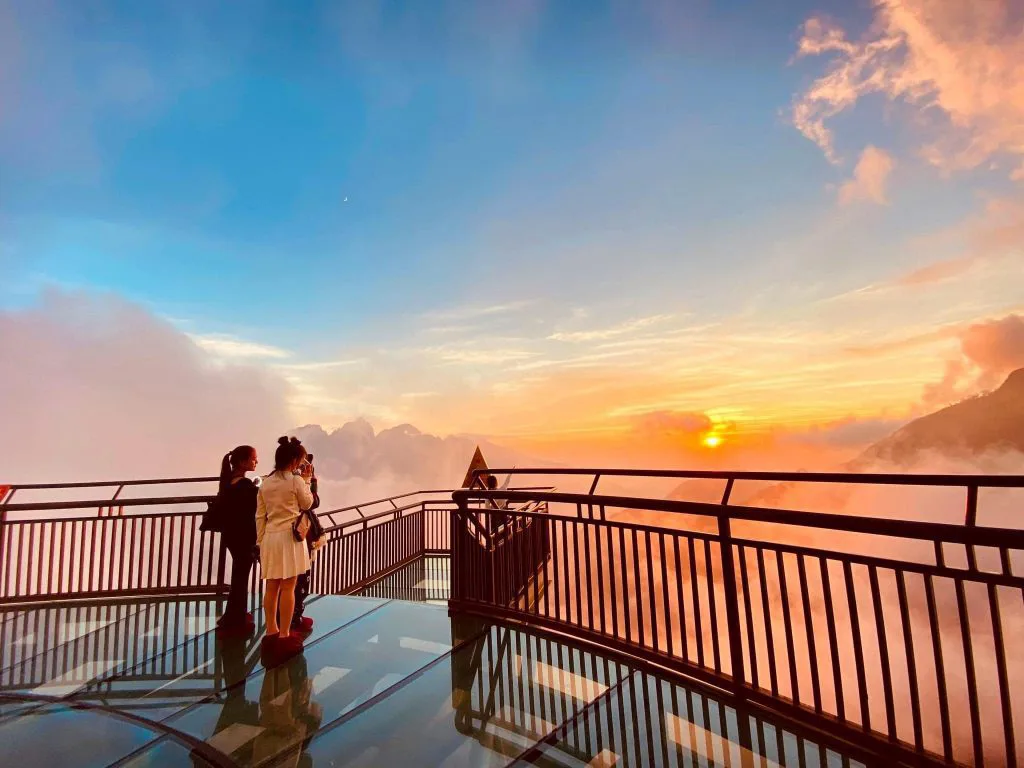
During the months of October to December, often referred to as the 'cloud hunting' season, the Sapa Glass Bridge becomes an alternative observation point to destinations like Fansipan Peak. Its unique design can create an illusion of being surrounded by a sea of clouds, offering a memorable visual experience for those present during this period.
Ensuring Visitor Safety
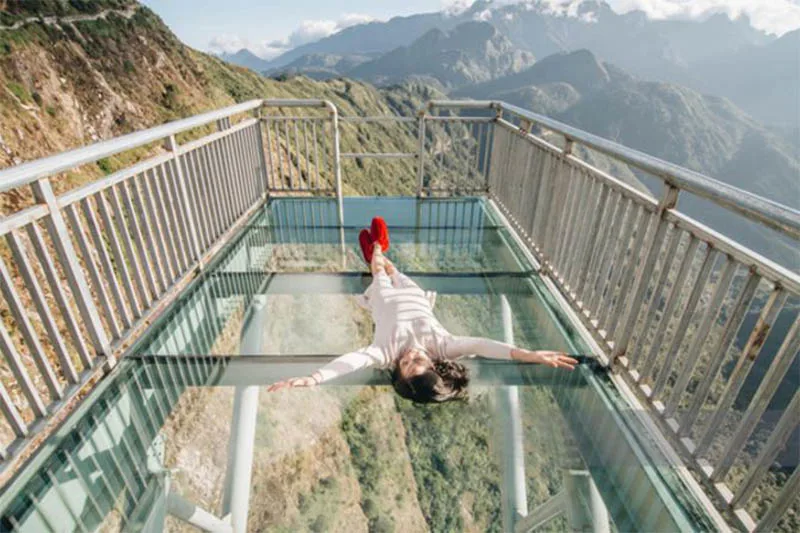
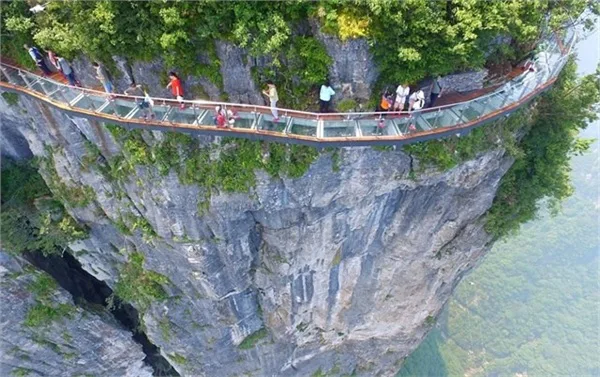
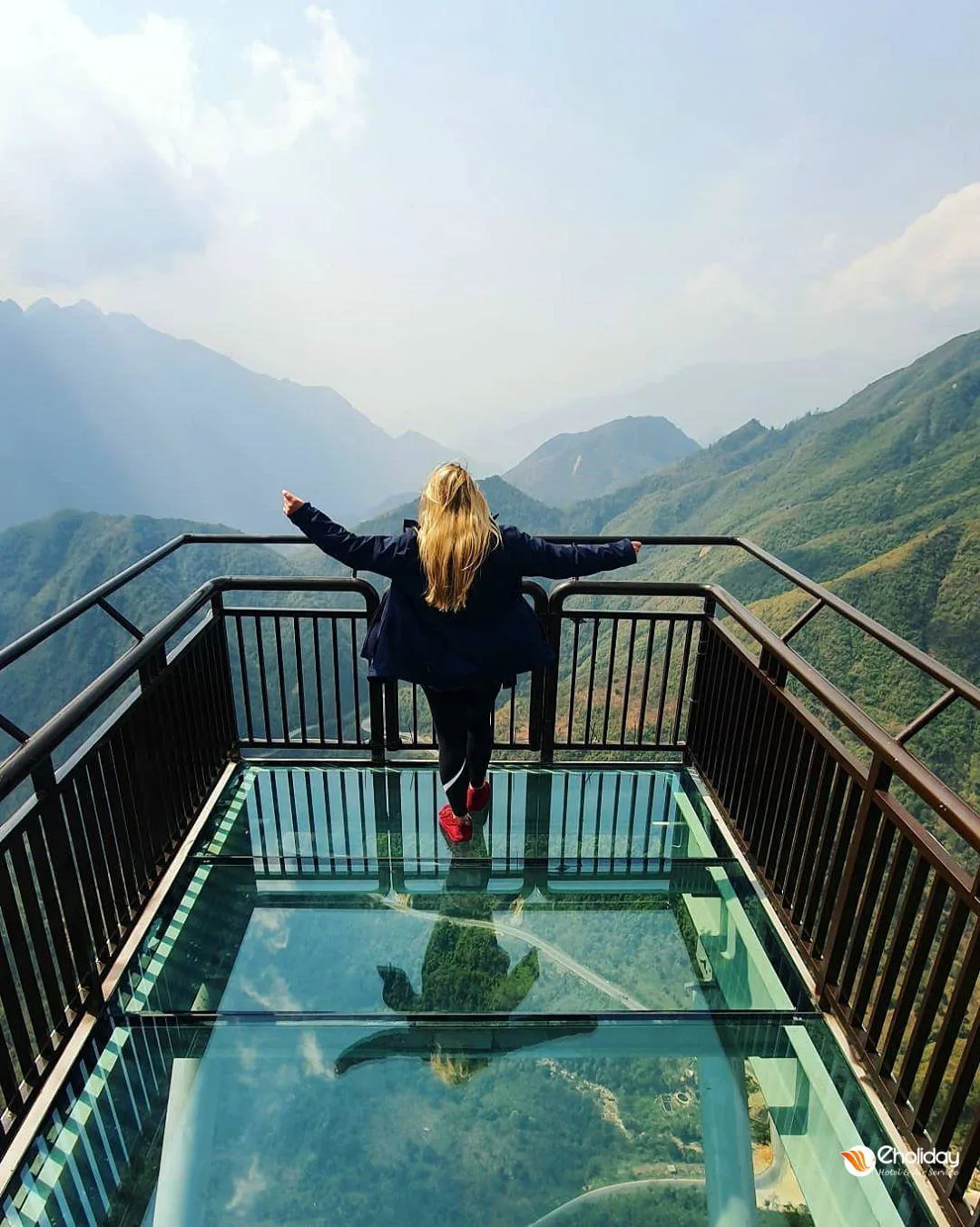
The Sapa Glass Bridge is constructed using three layers of crystal-clear tempered glass, resulting in a total thickness of 7 centimeters. This specialized glass is designed to support a substantial weight, reportedly capable of holding up to 3000 individuals simultaneously. However, to prioritize visitor safety, access is restricted to a maximum of 500 people on the bridge at any given moment.
To reach the bridge, guests utilize a system of glass elevators. Each elevator car can transport up to 30 people per trip and operates at a moderate speed to ensure passenger comfort and security. It is estimated that this elevator infrastructure can facilitate the movement of approximately 1200 people per hour, contributing to an efficient and secure ascent to the bridge itself. The three glass sides of the elevators also provide views during the journey upwards.
Planning Your Visit to the Glass Bridge
Reaching the Sapa Glass Bridge typically requires vehicular transport. Visitors can arrange for a private car with a guide as part of a tour package, which is often recommended for convenience. Alternatively, taxis are available from Sapa town center. If opting for a taxi, it is advisable to negotiate with the driver to wait for your return, as finding a taxi for the journey back from this elevated location can be challenging. A round-trip taxi fare to the Sapa Glass Bridge and back to Sapa town center might cost around 500,000 VND (approximately 20 USD).
The journey to this attraction is part of the experience, traversing mountain roads that lead to the O Quy Ho Pass. For those exploring other major destinations across Vietnam, understanding local transport options is key. While the elevator offers a quick ascent, a hiking option is also available for those who prefer an active approach. The hike to the bridge is estimated to take around three hours, contrasting with the brief 1.5-minute elevator ride. For visitors who find the full return elevator cost prohibitive, purchasing a one-way ticket for the upward journey and walking down can be a more manageable option, as the descent is less strenuous than the climb.
| Service | Adult Price (VND) | Child Price (VND) |
|---|---|---|
| Returned Elevator | 400,000 | 200,000 |
| One-Way Elevator | 200,000 | 100,000 |
Capturing Memorable Photographs
The Sapa Glass Bridge offers numerous opportunities for photography, allowing visitors to document their experience against a backdrop of expansive mountain scenery. Many guests choose to capture the vastness of the landscape, sometimes including the majestic Hoang Lien Son range in their compositions. The unique environment lends itself to creative shots.
Consider timing your visit to coincide with specific natural light conditions, such as sunset, to achieve distinct photographic effects. Posing directly on the transparent surface of the bridge can also create interesting perspectives. For those interested in other unique aerial experiences in Vietnam, the Phu Quoc Cable Car also offers impressive views.
Frequently Asked Questions
Where exactly is the Sapa Glass Bridge located?
The Sapa Glass Bridge is situated on O Quy Ho Pass, approximately 17 kilometers from the central area of Sapa town in Northern Vietnam. It is built along the cliff face of the Hoang Lien Son Mountain range.
What is the height of the Sapa Glass Bridge?
The bridge itself is positioned at an elevation exceeding 2000 meters above sea level. It is also constructed more than 500 meters above the base of the Hoang Lien Son Mountain cliff.
Is it possible to hike to the Sapa Glass Bridge instead of taking the elevator?
Yes, visitors have the option to hike to the bridge. The ascent typically requires about three hours. Alternatively, a glass elevator provides a quicker, approximately 1.5-minute ride to the top.
What makes the Sapa Glass Bridge unique compared to other attractions?
It is currently recognized as the longest glass bridge in the Indochina region. Its design extends 60 meters from the cliff, offering a 360-degree panoramic vista, and its location provides a distinct