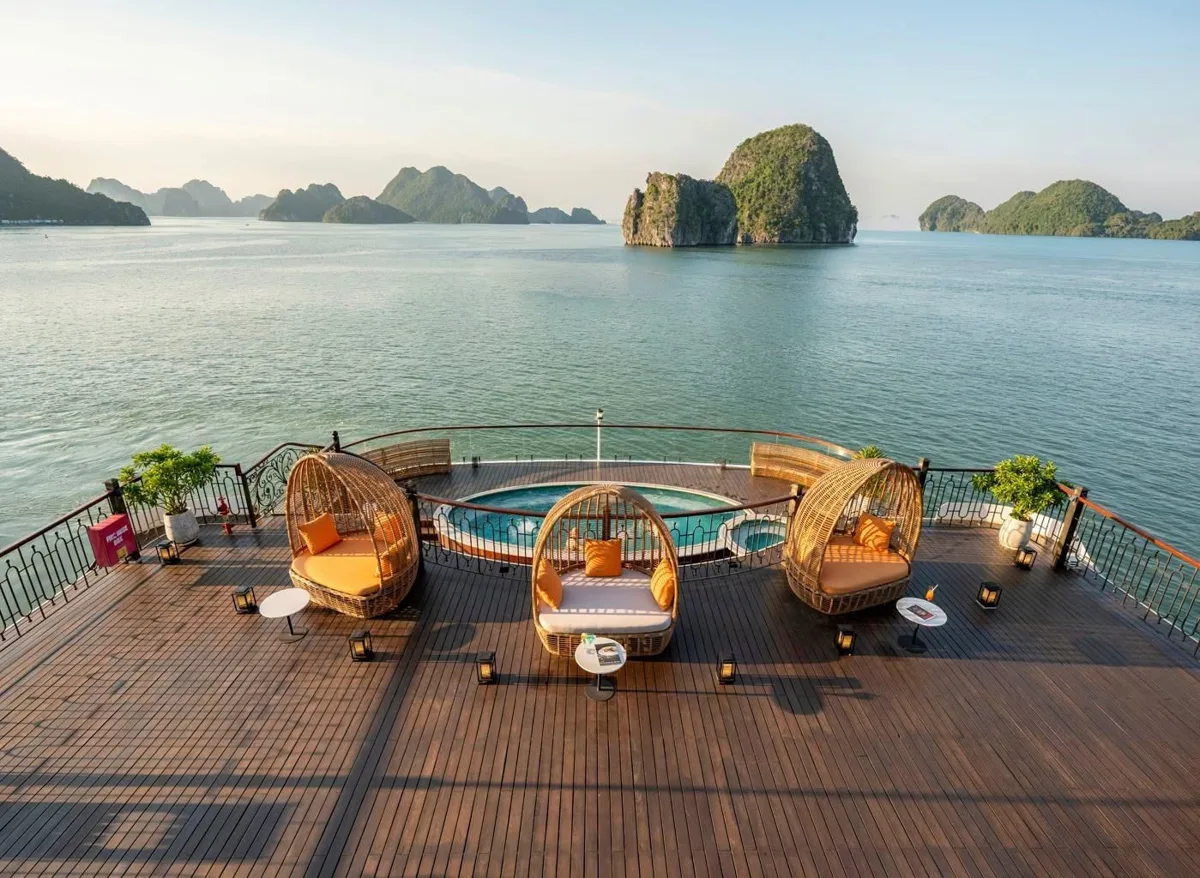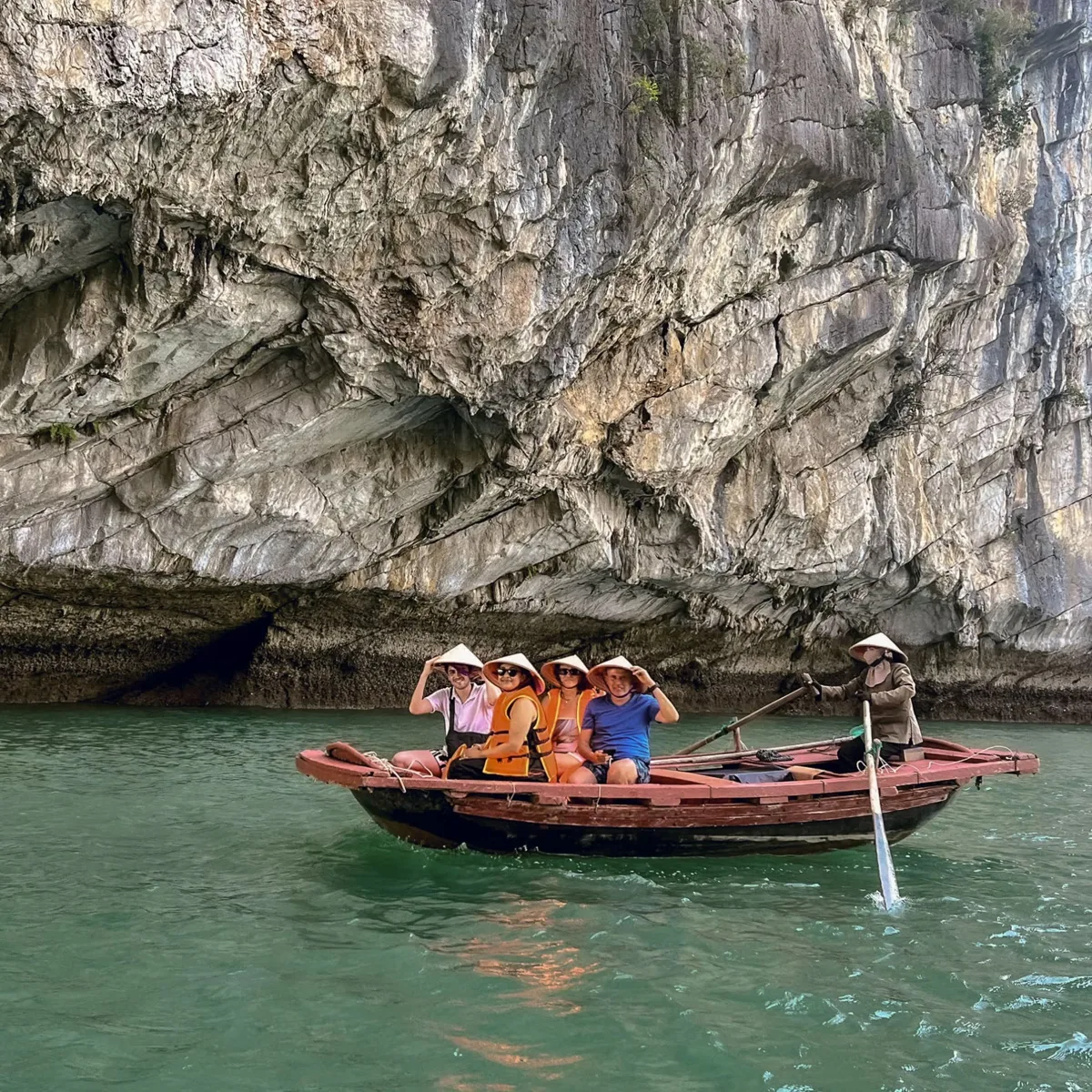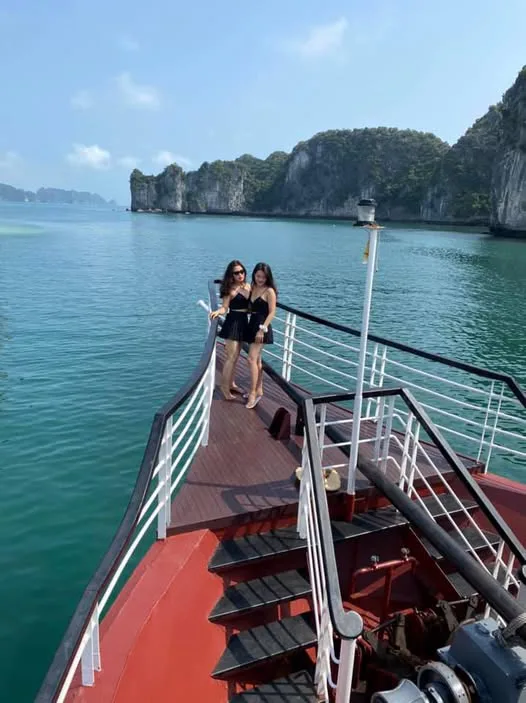






Halong Bay, a renowned destination in northern Vietnam, presents a unique atmosphere in each of its four distinct seasons. Selecting the most suitable time for your trip largely depends on your personal preferences for weather, activities, and crowd levels. While specific months offer generally favorable conditions, every part of the year reveals a different aspect of this iconic seascape.
Understanding Halong Bay's Climate
Situated in northern Vietnam, Halong Bay experiences a monsoon tropical climate, characterized by four distinct periods: spring, summer, autumn, and winter. The annual temperatures typically fluctuate between 15°C and 30°C, though extremes can range from 10°C to 38°C. Its coastal position influences the weather, providing milder conditions compared to inland northern regions.
The warmest months are generally June and July, where temperatures can ascend to 30-38°C. Conversely, January and February are the coldest, with temperatures occasionally dipping to 10-15°C. July and August mark the peak rainy season, often recording around 19 rainy days each month, while December stands out as the driest, averaging only about three rainy days. Humidity remains high throughout the year, and winter mornings frequently feature a thick fog, lending the bay a mystical ambiance.
Identifying the Best Times to Visit Halong Bay
The most agreeable periods for a trip to Halong Bay are typically from March to April or from October to November. During these months, visitors usually encounter mild temperatures and minimal rainfall, creating excellent conditions for exploring the bay and participating in outdoor pursuits. However, the bay's climate undergoes noticeable changes throughout the year, and each season possesses its own unique appeal.
Ultimately, the ideal time for your excursion is contingent upon what you prioritize in a travel experience. Some travelers prefer cooler, less crowded periods, while others seek warm weather for aquatic activities. The table below outlines various travel preferences and the seasons that best accommodate them, allowing you to tailor your visit to Halong Bay accordingly.
| Travel Preference | Recommended Time | Rationale |
|---|---|---|
| Most pleasant weather | March - April & October - November | Mild temperatures, lower precipitation |
| Budget-conscious travel | May - Early September | Off-peak season, frequent promotions |
| Fewer visitors | December - February | Cooler weather, quieter atmosphere |
| Festival participation | Late January - Early February & April | Lunar New Year, Halong Carnival celebrations |
| Families with children | Spring & Early Summer (March - June) | Calm waters, suitable for water activities |
| Romantic getaways | Autumn (September - October) | Photogenic scenery, pleasant conditions |
Seasonal Overview and Travel Advice
Spring (February - April)
During spring, Halong Bay experiences warm weather with moderate temperatures and elevated humidity. Average temperatures hover between 18°C and 26°C, with humidity typically ranging from 65% to 75%. Rainfall is moderate, with approximately 7 to 10 rainy days each month, usually characterized by light, brief drizzles rather than heavy downpours.
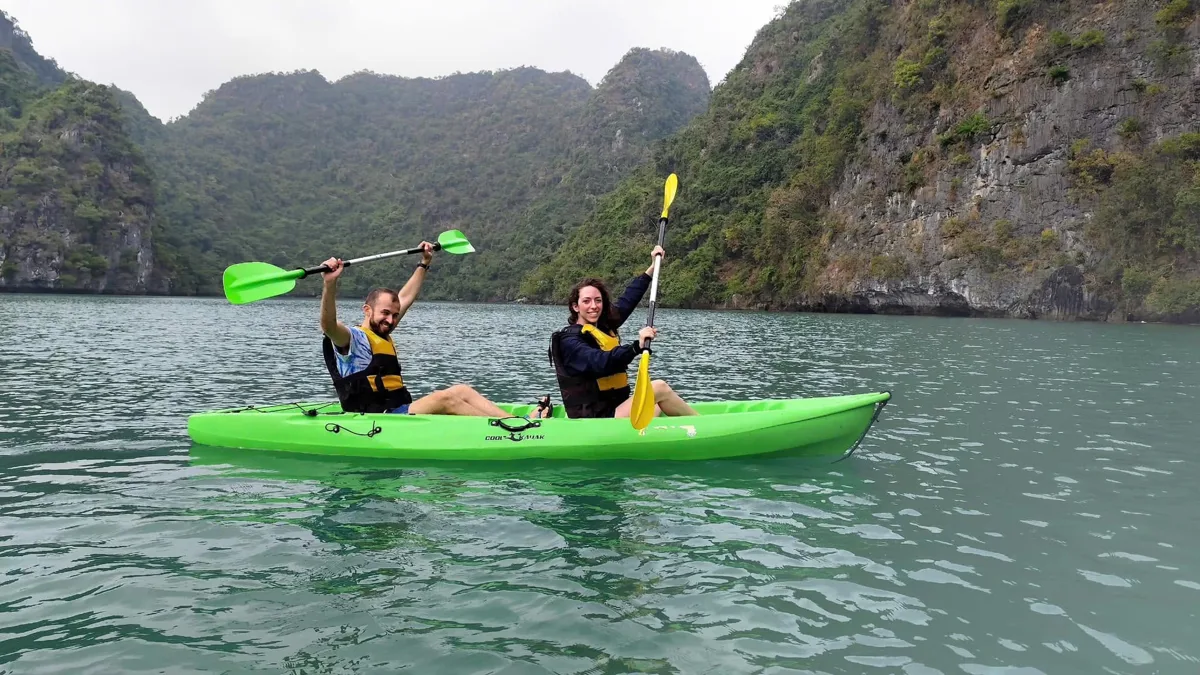
Early spring can still feel cool, and frequent drizzles combine with high humidity to create misty conditions over the limestone karsts in the mornings, offering superb photographic opportunities. As March and April progress, the sky generally clears, sunshine becomes stronger, and conditions stabilize, making the landscape appear fresh and vibrant. This season is highly recommended for those who appreciate a balance of mild weather and a blend of serene, sometimes misty, and sometimes clear scenery, ideal for cruises and various outdoor activities such as kayaking or bamboo boating. For those traveling from other parts of Vietnam, understanding how to get to Halong Bay from key locations can help streamline your spring itinerary.
Planning Your Spring Trip
- Activities: Kayaking, bamboo boat excursions, cycling, trekking, leisurely cruises.
- Recommended Cruise Duration: A three-day, two-night journey is often suggested to fully explore popular sites like Sung Sot Cave and Titop Island. This extended period permits deeper exploration into secluded lagoons such as Trinh Nu Cave and the Pearl Farm, making it suitable for couples seeking romantic settings or families desiring smooth cruising conditions.
- Budget (per person for 1 night):
- 3-star: US$120 - 140 (e.g., Mila Cruise, Oriental Sails)
- 4-star: US$140 - 160 (e.g., La Casta, Indochina Sails)
- 5-star: US$160 - 210 (e.g., Catherine, Grand Pioneers, Hermes)
- Essential Tips:
- Pack a light jacket or sweater, as early spring mornings can be cool.
- Wear non-slip footwear and bring waterproof gear for occasional drizzles.
- Consider having cold medicine on hand due to the variable weather.
- Book accommodations and tours at least three months in advance, especially during peak periods, to secure better rates.
- Be aware that some services may be unavailable during the Vietnamese Lunar New Year (late January - early February).
- Avoid traveling during Hung Kings’ Commemoration and Reunification Day (late April) due to significant domestic crowds.
Summer (May - August)
Summer marks the warmest period in Halong Bay, with average temperatures ranging from 28°C to 36°C and humidity levels around 85%. June and July are the hottest months, frequently reaching 35-38°C. August typically sees the highest rainfall, with 15-20 rainy days, though showers are usually brief and followed by clear skies. Post-rain, the bay often appears vibrant and green, sometimes showcasing dramatic sunsets.
Mornings during summer are characterized by bright sunshine and warm sea temperatures, making them perfect for swimming. Afternoon showers are common, with potential thunderstorms or even tropical storms. The air can feel heavy before rain, intensifying the heat. Fortunately, evening temperatures often decrease by 3-4°C, providing a more comfortable atmosphere for overnight cruises. Visitors should be prepared for sudden storms, which may lead to cruise modifications or cancellations. Despite these weather considerations, summer offers energetic experiences and some of the year's most competitive cruise prices, particularly from late July onward.
Planning Your Summer Trip
- Activities: Aquatic sports (swimming, kayaking, stand-up paddleboarding, catamaran sailing), mountain climbing.
- Recommended Cruise Duration: A two-day, one-night cruise to quieter areas like Bai Tu Long Bay is often suggested. These trips frequently include beach time and scenic views at Cap La Island, along with kayaking in the serene lagoons of Cong Do. Summer suits families with children interested in water activities, budget travelers seeking lower prices, and adventure enthusiasts looking for a short, activity-packed trip.
- Budget (per person for 1 night):
- 3-star: US$100 - 130 (e.g., Garden Bay Legend, Swan)
- 4-star: US$130 - 150 (e.g., Signature Royal, Dragon Pearl)
- 5-star: US$150 - 180 (e.g., Dragon Legend)
- Essential Tips:
- Wear light-colored, breathable clothing to stay cool.
- Avoid prolonged outdoor exposure during the hottest hours (typically 11:00 to 15:00).
- Plan sightseeing activities for early morning or late afternoon to enjoy cooler temperatures and reduce the chance of rain.
- Bring sunscreen and sunglasses due to high UV levels.
- Carry a light raincoat or umbrella for unexpected showers.
- Consider avoiding weekend travel, as this is a busy period for domestic tourism.
- Take advantage of cruise promotions, which can offer discounts up to 40%.
- Monitor weather forecasts regularly and have a contingency plan in case of typhoons.
Autumn (September - October)
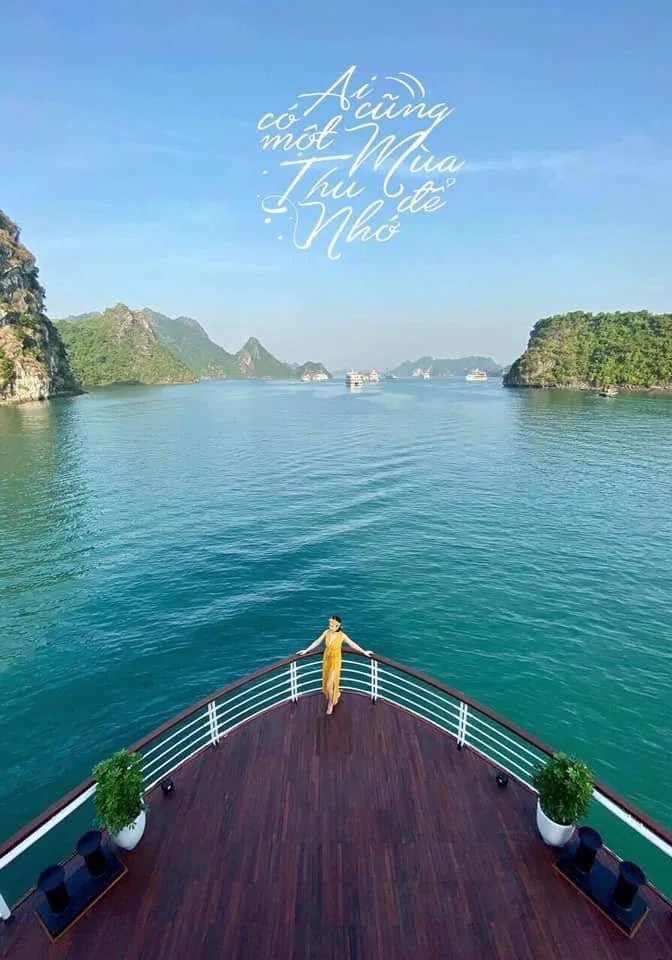
Autumn is frequently considered the most favorable time for visiting Halong Bay. The air becomes cooler after the intense summer heat, and rainfall significantly decreases. Humidity remains relatively high at approximately 75%, with pleasant temperatures ranging from 24°C to 30°C. The sky is typically clear and bright with sunshine and gentle breezes, making for comfortable days. Every natural vista seems enhanced, creating ideal conditions for sightseeing and outdoor activities.
October strikes an excellent balance between warmth and comfort. Humidity typically drops to 70-75%, and rainfall lessens to about 8-12 days per month. Showers are generally lighter and pass quickly, often followed by clear, crisp skies. If you desire enjoyable weather and calm cruising conditions, autumn is an excellent choice for Halong Bay. Light breezes sweep across the bay, maintaining comfortable air quality with reduced haze and fewer storms, earning it the reputation as the “golden season” for cruising and photography. For those interested in exploring more of Vietnam's diverse landscapes, Halong Bay is certainly one of Vietnam's premier urban destinations and natural wonders.
Planning Your Autumn Trip
- Activities: Overnight cruises, photography, island tours, seaplane sightseeing.
- Recommended Cruise Duration: Autumn is perfect for experiencing Halong Bay at its finest; two or three-day overnight cruises offer enriching experiences. Exploring quieter sections, such as Lan Ha Bay, which typically has fewer visitors than Halong Bay, can be particularly rewarding. Cruises often include activities like kayaking in Tra Bau, exploring Dark & Bright Cave, and visiting local fishing villages. This season appeals to couples, honeymooners seeking a romantic backdrop, and photographers aiming to capture exceptional sunsets and clear skies.
- Budget (per person for 1 night):
- 3-star: US$115 - 130 (e.g., Verdure Lotus, Le Journey Luxury)
- 4-star: US$130 - 155 (e.g., Peony, Sena, Starlight)
- 5-star: US$155 - 250 (e.g., Mon Cheri, Orchid Classic, Heritage Cruise)
- Essential Tips:
- Book 3-4 months in advance, especially for higher-category cruises, as autumn is a popular season for international visitors.
- Early September often provides more affordable cruise rates compared to later months.
- Bring a high-resolution camera or smartphone to capture the scenery.
- Pack warm layers like a cardigan, silk scarf, and a light jacket or sweater for cool breezes or unexpected drizzles.
- Be aware that autumn coincides with Vietnam’s wedding season and peak inbound tourism, which can result in higher prices for certain services.
Winter (November - January)
During winter, Halong Bay experiences colder and drier weather, with lower temperatures of 12°C to 21°C and humidity below 65%. Daily sunshine hours decrease to about four, necessitating warmer clothing. Early mornings frequently feature mist or light fog, imparting a mysterious, ethereal quality to the bay. Rainfall is at its lowest, with only 5-7 rainy days per month, making the air crisp, though sometimes damp near the water.
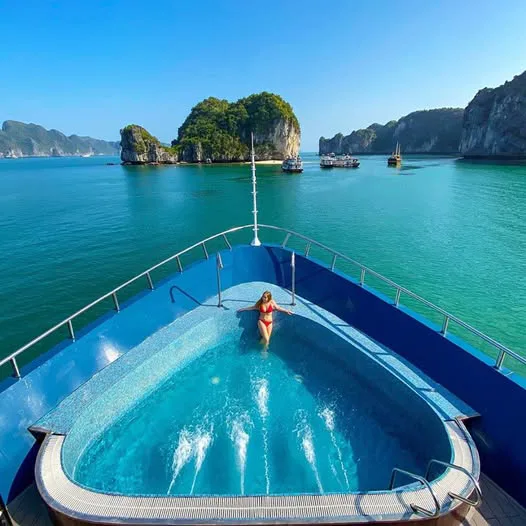
Unlike other seasons, winter sees Halong Bay revert to a more serene state, with fewer water-based activities. Instead, visitors can focus on sightseeing, onboard relaxation, and opportunities to observe local traditional occupations like fishing. This period is quieter for international tourists, except around Christmas and Lunar New Year. For those who prefer a peaceful environment and distinctive landscapes, winter offers a rewarding experience.
Planning Your Winter Trip
- Activities: Onboard amenities, cultural participation, traditional fishing.
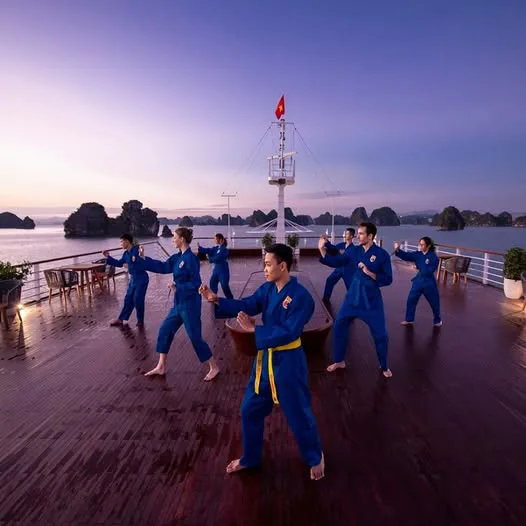
- Recommended Cruise Duration: A two-day, one-night cruise is ideal in winter, with luxury options providing engaging onboard experiences and a tranquil atmosphere aligning with the season’s mood. Travelers can expect a combination of comfort and gentle activities such as cooking demonstrations, squid fishing, or Tai Chi, alongside leisure facilities like bars, mini-golf, poker, saunas, spas, and fitness centers. Some cruises also incorporate cultural immersion, and during January or February, visitors might participate in Tet (Vietnamese New Year) traditions.
- Budget (per person for 1 night):
- 3-star: US$120 - 140 (e.g., Amanda, Hera Grand)
- 4-star: US$140 - 160 (e.g., Rosy, La Regina Royal)
- 5-star: US$170 - 300 (e.g., Elite of the Seas, Lyra Grandeur, Indochine Premium)
- Essential Tips:
- Prepare warm jackets, sweaters, and cold medicine to stay comfortable.
- Be aware that foreign visitor peak seasons, like Christmas and New Year, can lead to higher prices and larger crowds.
- November and December are often considered favorable months for deals and fewer domestic tourists.
- Late January to early February is generally the least recommended period due to heavy traffic and temporary service closures during Tet.
Halong Bay Weather by Month
While each season offers a unique perspective of Halong Bay, understanding specific monthly weather patterns can further assist in planning. Below is a summary of typical conditions:
| Month | Weather & Temperature | Rainy Days |
|---|---|---|
| January | 11 - 18°C Cool, often misty mornings | 5 days |
| February | 15 - 20°C Mild, occasional drizzles | 7 days |
| March | 18 - 23°C Cool, predominantly dry | 9 days |
| April | 22 - 27°C Pleasant, moderate sunshine | 10 days |
| May | 27 - 32°C Warm, beginning of summer | 13 days |
| June | 28 - 35°C Hot, humid | 17 days |
| July | 30 - 38°C Peak summer, potential storms | 18 days |
| August | 29 - 36°C Wettest month, stormy conditions possible | 20 days |
| September | 26 - 31°C Cooler, reduced rainfall | 14 days |
| October | 22 - 28°C Cool, dry, clear skies | 9 days |
| November | 18 - 24°C Pleasant, low humidity | 7 days |
| December | 14 - 20°C Cool, driest month | 3 days |
For current forecasts, reliable sources such as AccuWeather and The Weather Channel offer up-to-date information to help you plan effectively. When considering your journey, it's also helpful to be aware of transport options if you are traveling from Da Nang to Halong Bay or other major cities.
Frequently Asked Questions
What is the most favorable month to visit Halong Bay?
March, April, October, and November are frequently cited as the most favorable months due to pleasant weather and calm sea conditions.
Is winter a suitable time for a Halong Bay trip?
Yes, the period from November to February often features fewer crowds and a romantic, misty landscape, though temperatures are cooler, typically ranging from 10-18°C.
Which season in Halong Bay typically has the calmest waters?
Spring and autumn generally offer the calmest sea conditions, making them excellent for overnight cruises.
Is Halong Bay consistently foggy?
Foggy conditions are most common in December, January, and February, often occurring in the early morning. While heavy fog can reduce visibility for activities, these conditions are usually temporary and tend to clear as the day progresses.
Does Halong Bay experience significant rainfall?
Rain is frequent from June to August, but most showers are short and typically occur in the afternoon or late afternoon. Mornings usually remain dry, allowing for outdoor activities.
What activities are available in Halong Bay during rainy weather?
Numerous alternatives are available during rain, including cave exploration, onboard spa treatments, cooking classes, and visits to floating villages.
Which month is typically the least expensive for a Halong Bay cruise?
May, early September, and January are generally budget-friendly months, often featuring various promotions and discounts.