For those seeking an economical and comfortable method to traverse Vietnam's expansive geography, the overnight train presents an excellent solution. These services enable travelers to cover significant distances while resting, often arriving at their destination refreshed. Opting for a sleeper train can also reduce overall travel expenses by eliminating the need for a separate night's accommodation.
Exploring Vietnam by Overnight Rail
Vietnam's long, narrow shape makes train travel a practical choice for exploring its varied regions. The national railway system offers a cost-effective and secure means of transportation, allowing passengers to witness the country's natural beauty from a unique perspective. Unlike other modes, trains provide a consistent journey experience.
Overnight trains in Vietnam are designed to enhance passenger comfort and safety over long hauls, helping to mitigate travel fatigue. Most services include internet access, though connection speeds may vary. This mode of transport combines efficiency with the benefit of saving both time and lodging expenses, as journeys often occur during nighttime hours. For visitors planning their first trip to the country, understanding transportation options is key to a smooth experience.
Choosing rail travel over other options frequently offers a more predictable fare structure. While air ticket prices can fluctuate significantly, train fares generally remain consistent, with minor adjustments only during peak holiday periods. This stability allows for easier budget planning for your Vietnamese adventure.
Accommodations Aboard Sleeper Trains
Vietnamese sleeper trains typically offer two primary categories for overnight travel: hard berths and soft berths. Additionally, on the public Reunification Express, passengers can select from hard or soft seating for shorter segments or those preferring not to recline fully. Each option caters to different preferences for comfort and budget.
Hard berth compartments generally feature six bunks, arranged in three tiers on each side of the cabin. These beds consist of an iron frame topped with a thin mattress. Pricing for hard berths usually varies by position, with the lowest bunk costing the most and the top bunk offering the most affordable rate. This choice is often more suitable for shorter overnight trips.
Soft berth cabins provide a higher level of comfort, featuring either four or two bunks per compartment. These berths are designed for extended periods of rest, making them ideal for longer journeys. All soft berths within a cabin are typically priced uniformly, offering a consistent comfort level regardless of bunk position.
| Feature | Hard Berth | Soft Berth |
|---|---|---|
| Cabin Size | 6 berths | 4 berths (or 2 for VIP) |
| Bed Material | Iron frame with thin mattress | More comfortable mattress |
| Pricing | Varies by bunk position (top cheapest) | Uniform price within cabin |
| Privacy | Less | More |
| Recommended For | Shorter distances | Longer distances |
Popular Overnight Rail Routes
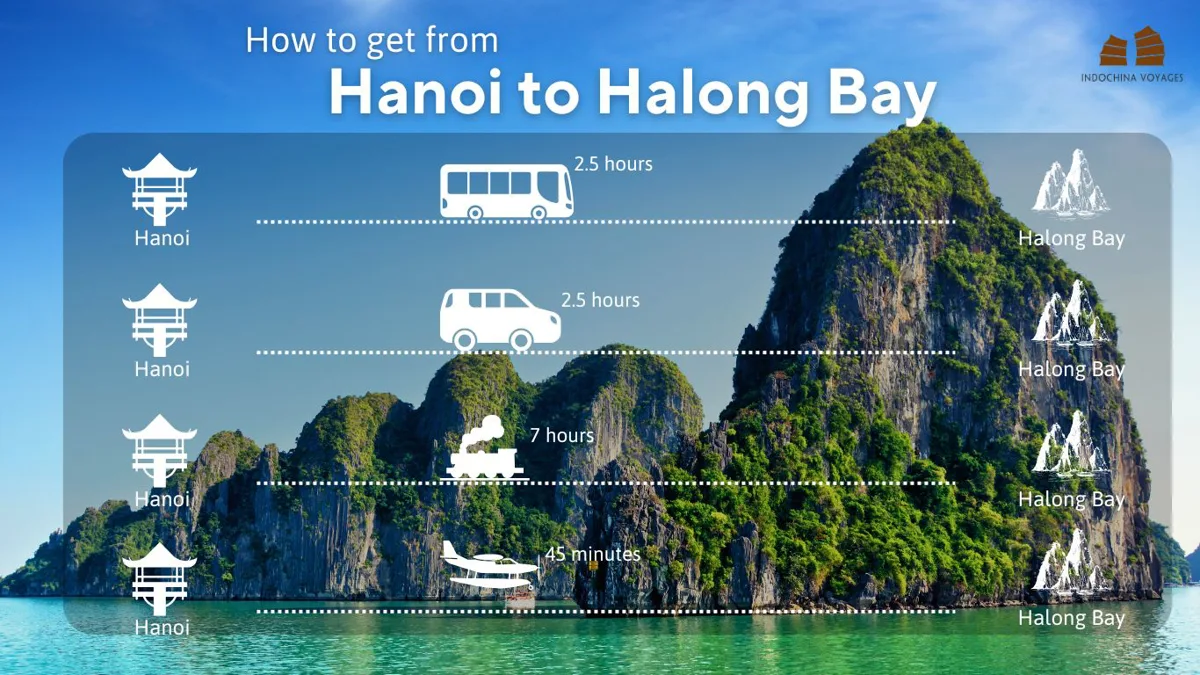
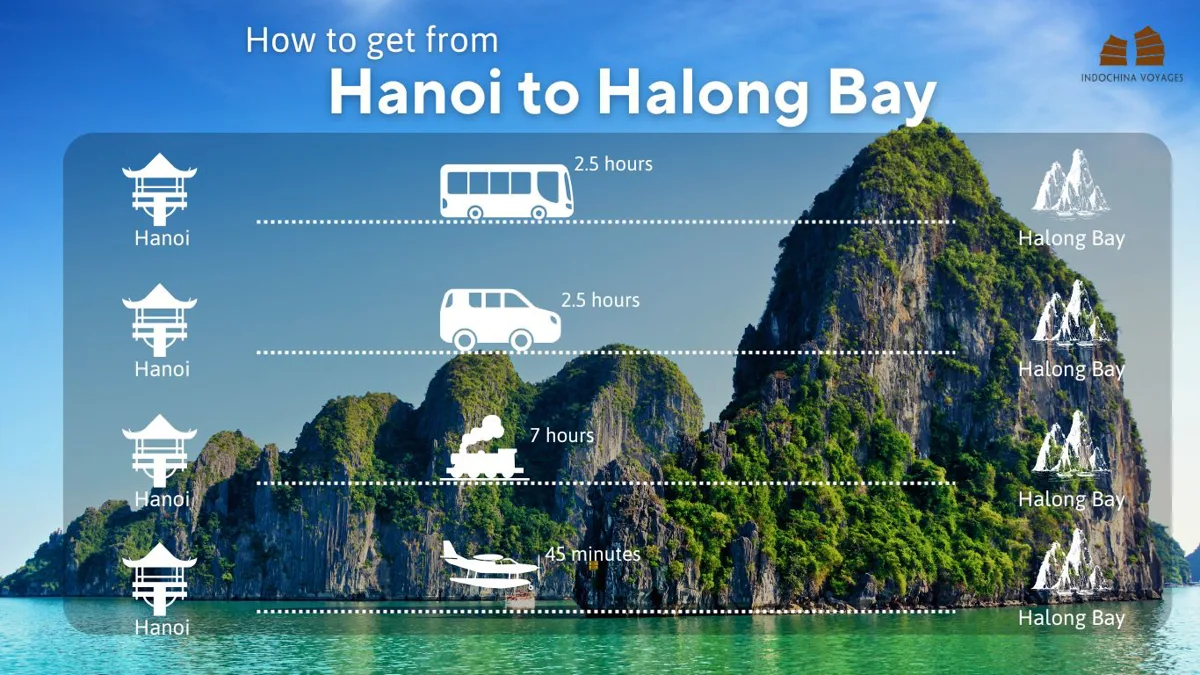
Many travelers opt for overnight train services to connect Vietnam's major destinations, appreciating the convenience of traveling while they sleep and waking up ready to explore. These routes often showcase scenic views as daylight breaks, adding to the journey's appeal. When planning onward travel from Hanoi, such as to coastal destinations, considering all transport options is crucial.
Hanoi to Sapa (via Lao Cai)
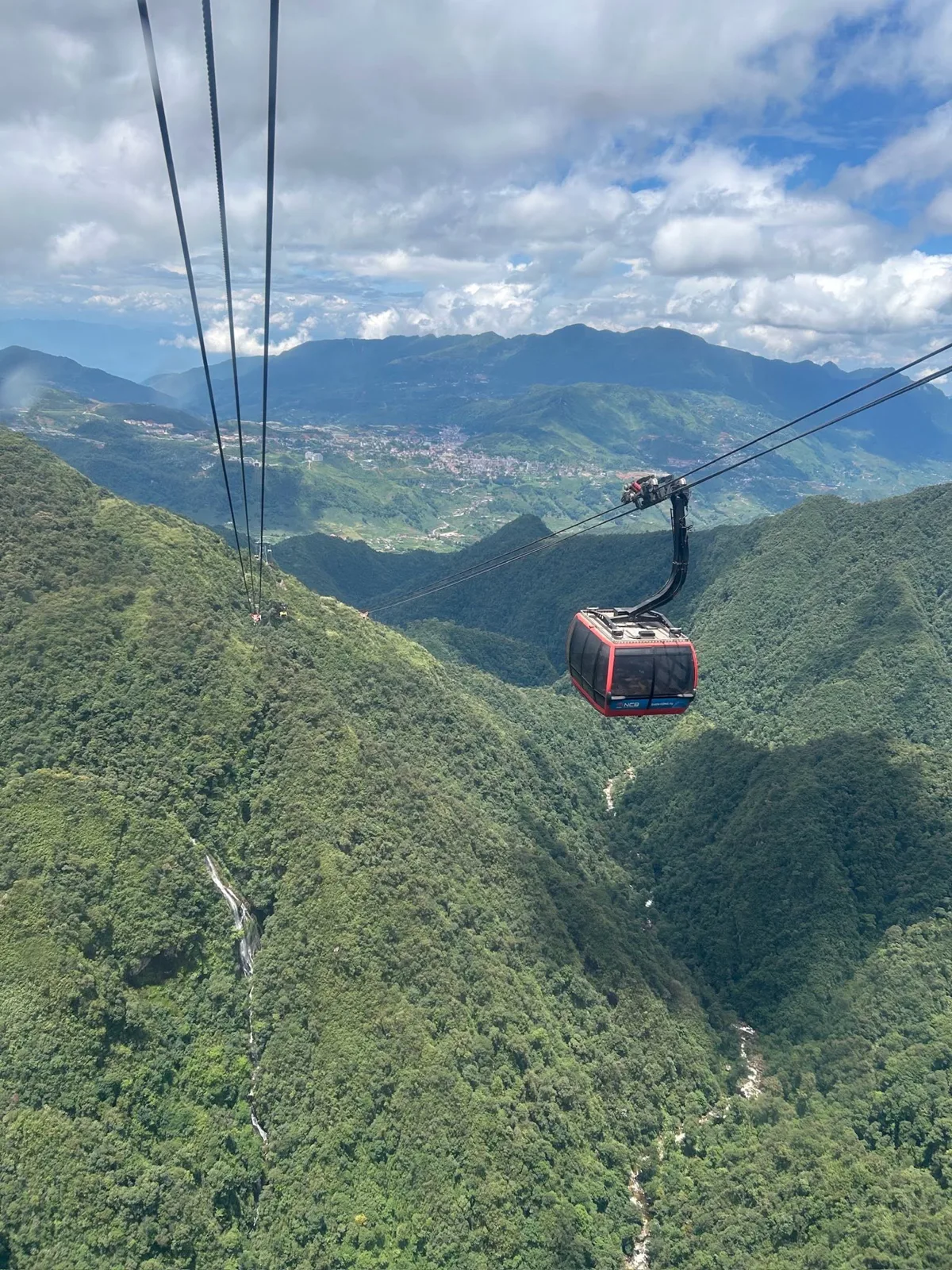
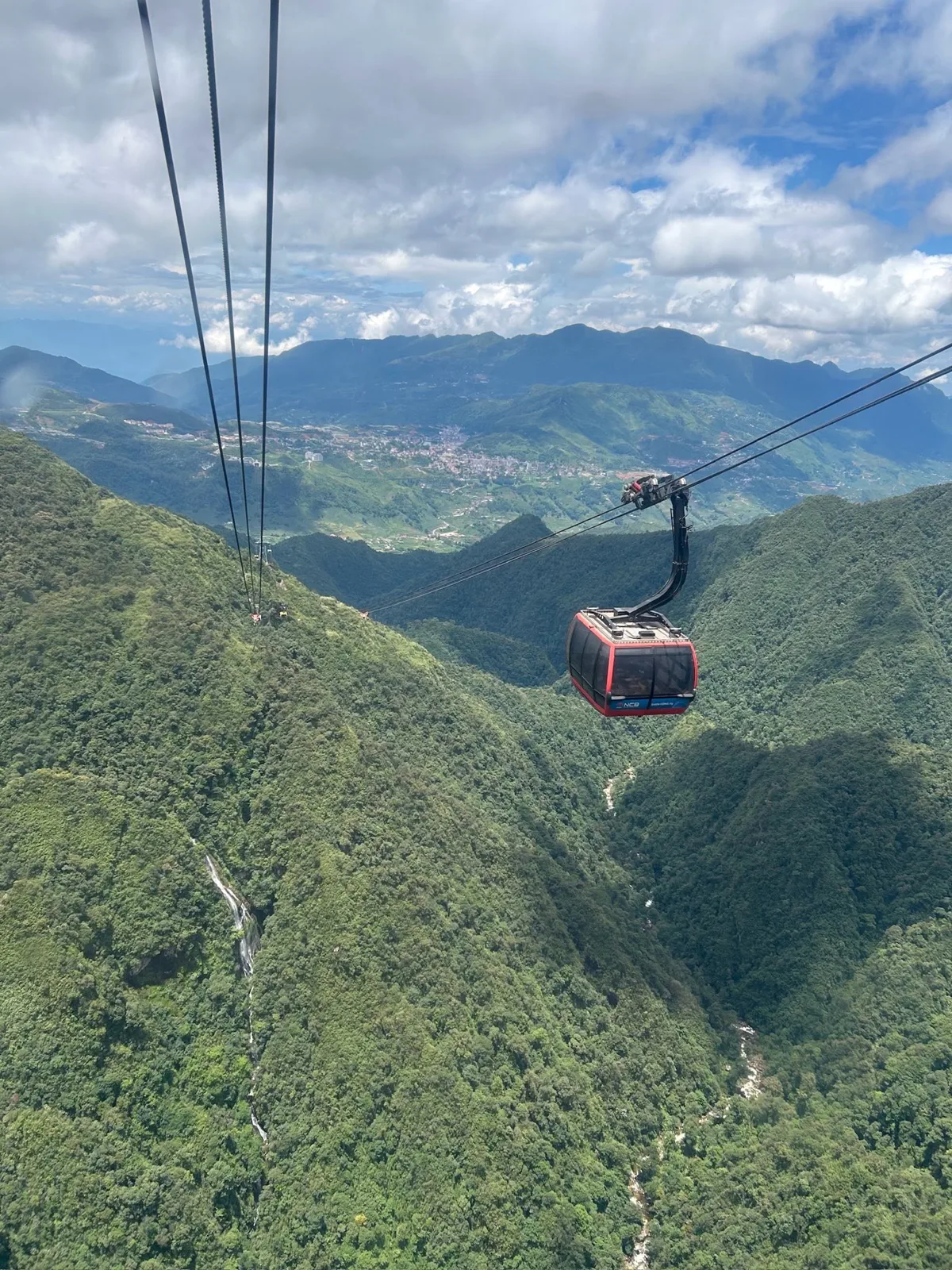
To reach the mountainous region of Sapa, the most common rail route departs from Hanoi and concludes at Lao Cai station. Sapa itself does not have a train station, requiring a subsequent transfer of approximately 38 kilometers (24 miles) by bus, jeep, or taxi from Lao Cai, a journey taking about 50 minutes. Most trains on this route depart in the late evening, arriving early the following morning.
Beyond the standard Vietnamese railway services, several private operators offer enhanced sleeper train experiences tailored for tourists between Hanoi and Lao Cai. These private options often provide superior amenities and comfort. Examples include the Orient Express, Livitrans Express, Fansipan Express, King Express, Sapaly Express, Chapa Express, Laman Express, and Victoria Express, each presenting distinct inclusions like private air conditioning, reading lights, snacks, and beverages.
Hanoi to Hue
The journey by rail from Hanoi to Hue typically spans 12 to 14 hours, making an overnight soft sleeper ticket highly advisable for maximum comfort. Evening departures are recommended, allowing passengers to sleep through the night and awaken to daylight views before reaching Hue around lunchtime.
Specific services for this route include the Reunification Express (SE1: 21:10 - 11:06, SE3: 19:20 - 08:55, SE5: 15:30 - 05:30, SE7: 06:00 - 20:22), Violet Express (SE1: 21:10 - 11:06, SE3: 19:25 - 08:55), Damitrans (SE3: 19:25 - 08:25), Lotus Express (SE19: 19:50 - 09:20), and Laman Express (SE19: 19:50 - 09:20), offering various soft and VIP berth options.
Hanoi to Da Nang
Connecting Hanoi to Da Nang by train covers approximately 791 kilometers and takes about 16 hours. Overnight travel is particularly favored for this route by both local residents and visitors, as it allows for sleeping during the journey and arriving the next day. This arrangement also helps save on accommodation costs and maximizes daytime for exploration.
Travelers can enjoy the countryside scenery upon waking before their arrival in Da Nang. Most overnight trains on this route feature food service counters where various meals and snacks are available, though passengers are also welcome to bring their own provisions. Services such as Reunification Express (SE1: 21:10 - 14:01, SE3: 19:20 - 11:33, SE5: 15:30 - 08:27, SE7: 06:00 - 23:00), Damitrans (SE3: 19:25 - 12:24), Violet Express (SE1: 21:10 - 13:41, SE3: 19:25 - 11:33), Lotus Express (SE19: 19:50 - 12:12), and Laman Express (SE19: 19:50 - 12:12) operate on this line.
Ho Chi Minh City to Nha Trang
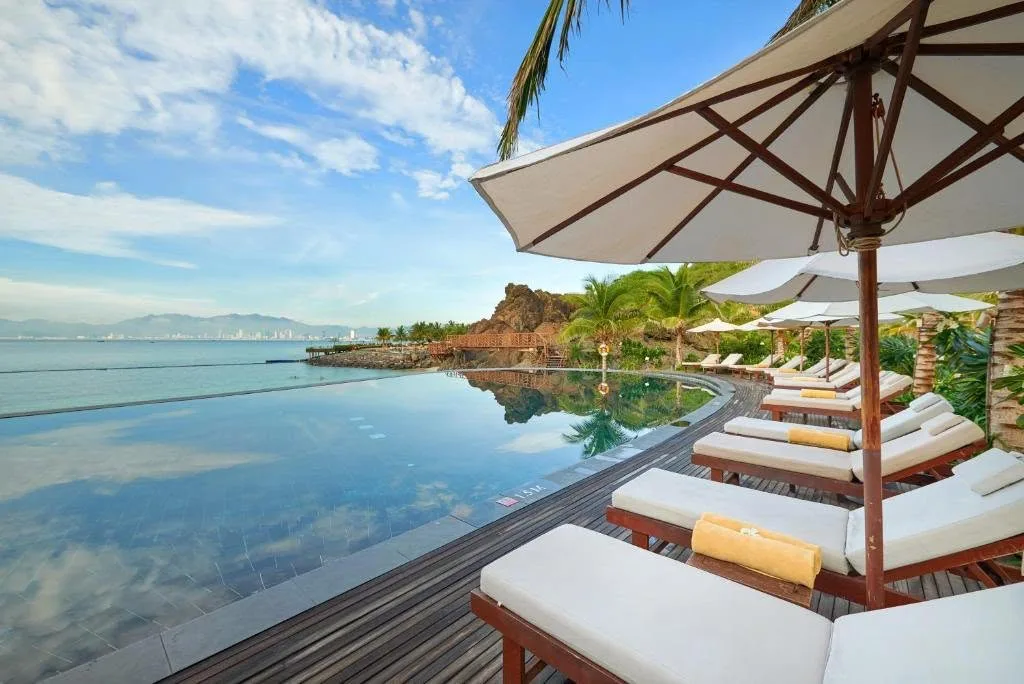
Vietnam Railways operates overnight services from Ho Chi Minh City to Nha Trang, with departures generally between 7:30 PM and 10:30 PM, arriving in Nha Trang early the subsequent morning. Given early arrival times, it is prudent to inform your hotel in advance to arrange for early check-in or baggage storage, as standard check-in is typically after midday.
Train options for this coastal route include the Reunification Express (SE2: 20:55 - 04:08, SE4: 19:00 - 02:16, SE6: 16:00 - 00:10, SE8: 16:00 - 00:10, SNT2: 20:00 - 05:00, SE22: 11:00 - 19:00) and the Halo Express (SNT2: 20:00 - 05:00), providing a range of hard and soft berth choices.
Essential Tips for Your Sleeper Train Journey
While train travel in Vietnam offers a distinct experience, considering a few practical aspects can enhance your journey. Although usually safe, being prepared for certain conditions will contribute to a more comfortable trip.
Here are some recommendations for traveling by overnight rail:
- Fresh linens are typically provided when boarding at major departure points. However, if joining a journey mid-route, the bedding may not have been changed. Sensitive individuals might consider bringing their own pillowcase and light sheet.
- Expect to share your cabin with other passengers if you book individual berths. Sleeper train compartments are designed for communal travel unless a private cabin is secured.
- Despite the generally secure environment on trains, it is always wise to keep valuable items out of sight and secured, especially during the night.
- The train environment can be noisy and subject to some movement. Carrying earplugs or having music readily available can aid in achieving deeper rest.
- Restroom facilities on trains may differ from those at home. Limiting liquid intake before bed can reduce the need for frequent visits. Always carry personal tissues and hand sanitizer.
- Set an alarm to wake approximately 30 minutes before your scheduled arrival. Although staff may provide a wake-up call, having your own alert allows ample time for preparation.
- Retain your ticket throughout the journey, as inspections can occur at various times, including during the night.
Frequently Asked Questions
Are Vietnam sleeper trains safe for solo travelers?
Generally, train travel in Vietnam is considered quite safe. The confined environment of a cabin, especially a soft sleeper with fewer occupants, adds a layer of security. However, solo travelers should always remain vigilant, secure their personal belongings, and trust their instincts, just as they would in any new travel situation.
What is the luggage allowance on a Vietnamese train?
Passengers on Vietnamese trains are permitted to carry a maximum of 20 kilograms of luggage. This allowance is considerably more generous than typical airline baggage limits, making train travel convenient for those with more substantial baggage.
Is food available on overnight trains in Vietnam?
Yes, many overnight trains, particularly on longer routes, feature food service. Passengers can purchase various meals and snacks onboard. Alternatively, travelers are welcome to bring their own food and drinks to consume during the journey.
How far in advance should I book train tickets?
It is advisable to book sleeper train tickets, especially for popular routes and during peak travel seasons or holidays, several weeks in advance. This ensures availability, particularly for preferred berth types like soft sleepers. Booking online through reputable platforms is a convenient option.
Can I book a whole cabin for fewer than four people?
Yes, it is possible to book an entire cabin even if your party consists of fewer than the maximum number of occupants (e.g., booking a 4-berth cabin for two people). To do so, you would typically need to purchase all the tickets for that specific cabin, even if some berths remain unused. This guarantees privacy and extra space.