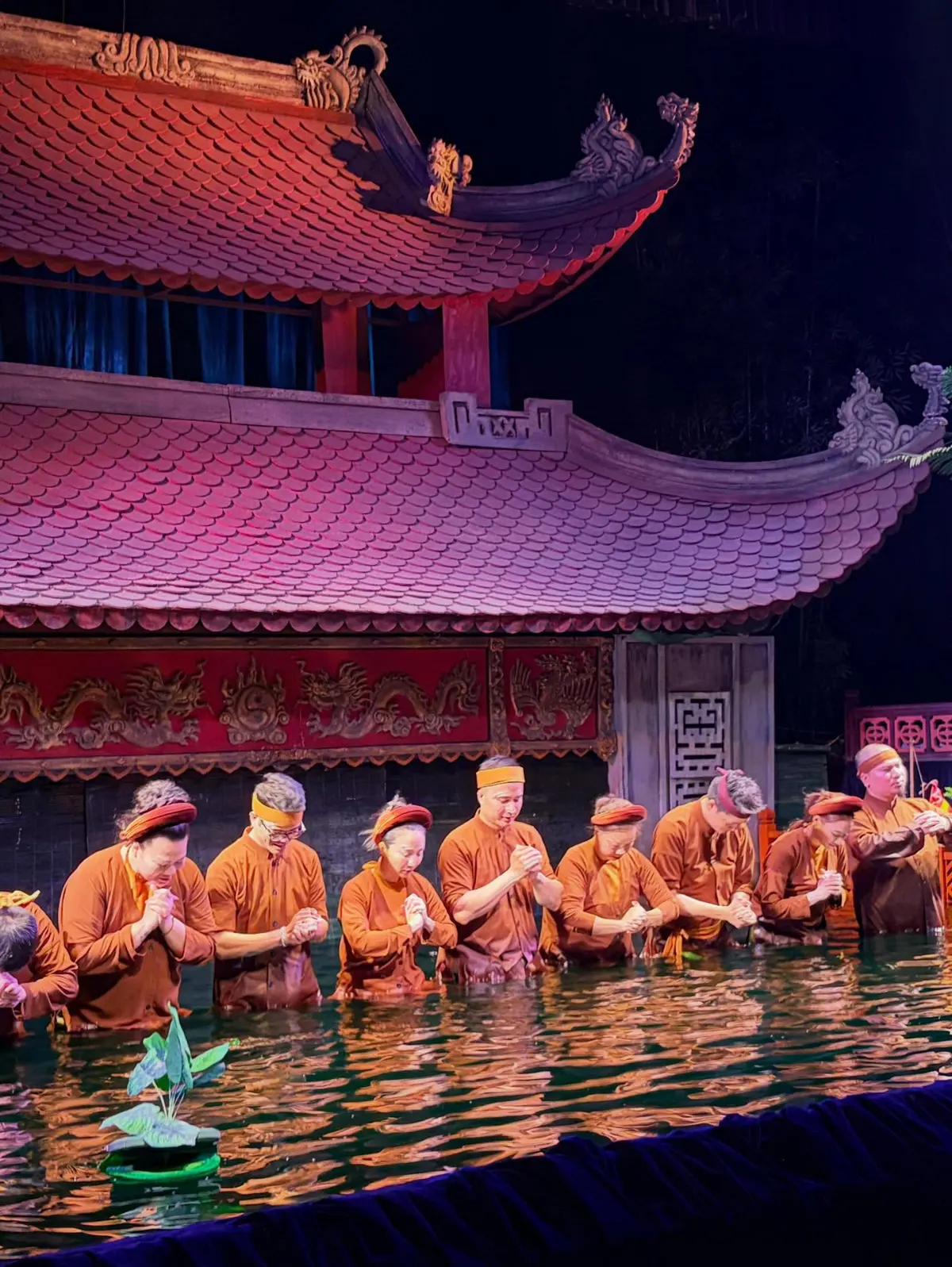
March generally offers an opportune time for travelers to experience Vietnam, characterized by comfortable weather that avoids the extremes of heat or cold. This month supports a wide array of activities, from exploring cultural sites to engaging in water sports like scuba diving. The prevailing dry and bright conditions often create excellent circumstances for outdoor pursuits, including trekking and other adventure-based excursions. Understanding the regional climate variations and significant cultural events will assist in planning a well-rounded Vietnamese holiday.
Understanding Vietnam's March Climate by Region
Vietnam's elongated geography results in distinct weather patterns across its northern, central, and southern regions even within the same month. In March, visitors can anticipate a transition period where temperatures steadily rise, yet overall conditions remain agreeable for travel.
In Northern Vietnam, encompassing popular areas such as Hanoi, Halong Bay, Cat Ba, Sapa, Ha Giang, Mu Cang Chai, Ninh Binh, and Mai Chau, the average temperature hovers around 19°C. While increasing sunshine and clear skies become more common, the air retains a cool quality, with occasional light rain showers contributing approximately 34mm of precipitation. Mountainous zones experience higher temperatures compared to January and February, making this period particularly suitable for trekking and soft adventure activities in locations like Sapa, Mu Cang Chai, and Ha Giang. It is also an excellent time for exploring historical and cultural landmarks.
Central Vietnam, home to destinations like Hoi An, Da Nang, Hue, Nha Trang, Quy Nhon, and Da Lat, experiences weather akin to full summer, with an average temperature of approximately 28°C and minimal rainfall. Consistent sunshine makes the coastal areas, including Hoi An, Da Nang, Nha Trang, and Quy Nhon, highly appealing for beach relaxation. Hue also enjoys warm and dry conditions, while journeys to Da Lat and the Central Highlands are particularly pleasant during this time.
Southern Vietnam, featuring Ho Chi Minh City, Phan Thiet & Mui Ne, the Mekong Delta, Long Hai & Ho Tram, Con Dao, and Phu Quoc, sees temperatures beginning to climb, reaching an average of 29°C. The dry climate is ideal for various water sports. Beaches easily accessible from Ho Chi Minh City, such as those in Ho Tram/Long Hai or Phan Thiet/Mui Ne, along with the southern islands of Phu Quoc and Con Dao, remain prime choices. Con Dao island, in particular, offers favorable diving conditions with average visibility ranging from 20 to 30 meters. Rainfall is infrequent; however, any precipitation typically provides a refreshing coolness to the air.
Recommended Destinations and Activities for a March Visit
Given the generally favorable weather across Vietnam in March, numerous destinations offer unique experiences, catering to various travel preferences. From cruises through iconic bays to exploring highland coffee plantations, the options are plentiful.
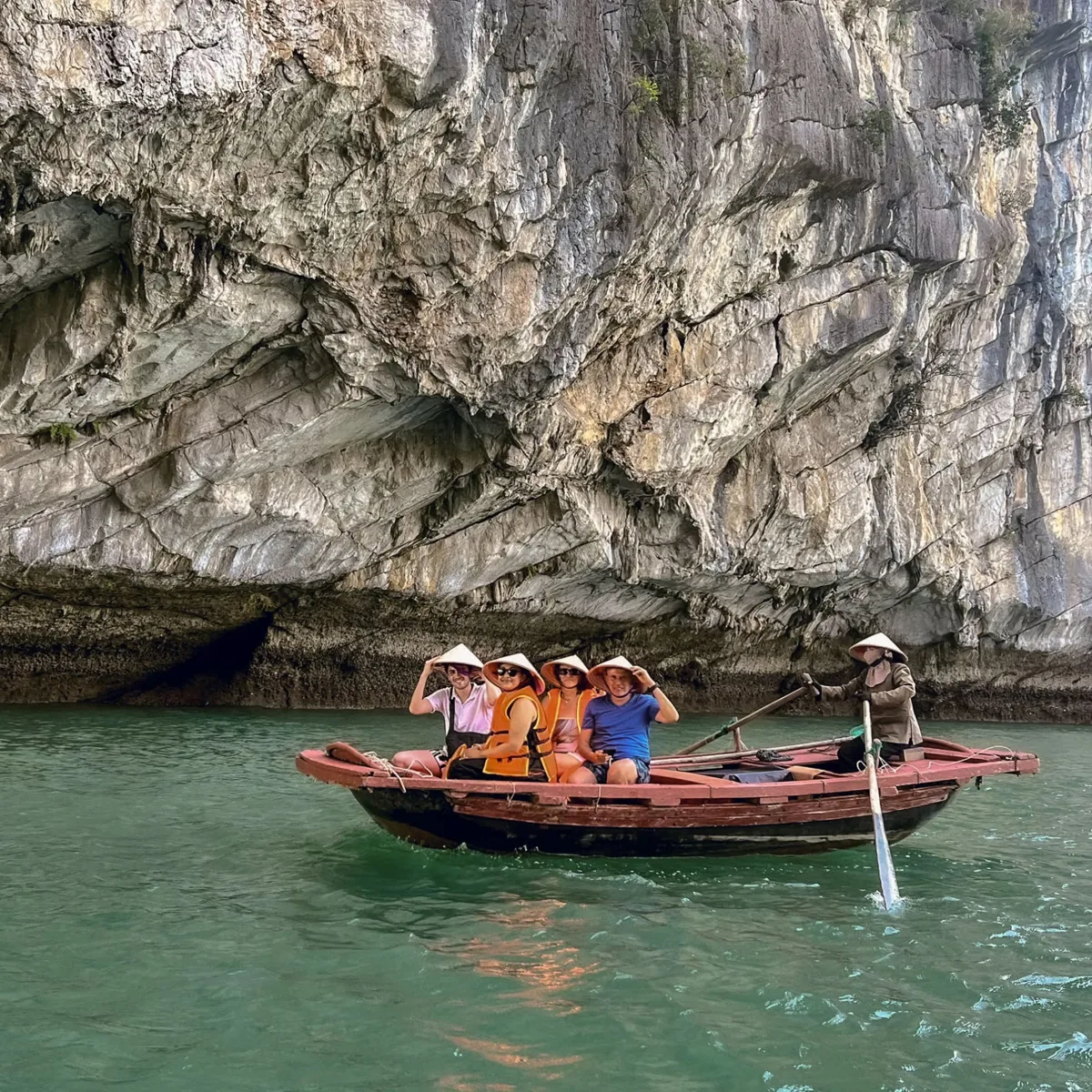
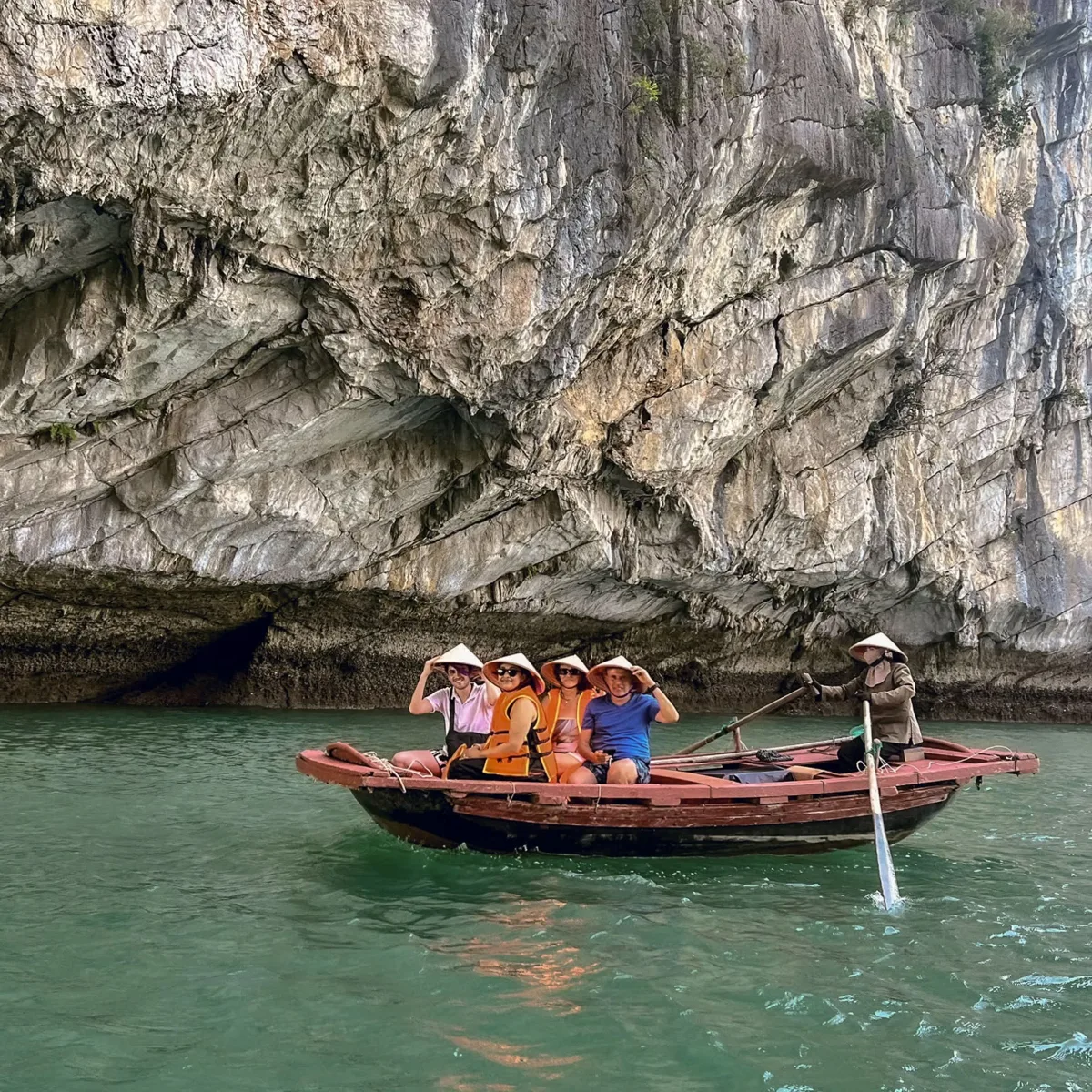
For those visiting Northern Vietnam, a cruise through Halong Bay is highly recommended. The clear skies and calm, turquoise waters enhance the experience of this UNESCO World Heritage site. March is also a prime time for witnessing flower blooms in the mountainous areas of Northern Vietnam, including Moc Chau (Son La), Mai Chau, or Dien Bien Phu. Beyond its natural beauty, Dien Bien Phu holds significant historical importance as the site of a pivotal Vietnamese military victory.
Central Vietnam's coastal areas, such as Da Nang, Hoi An, and Nha Trang, transform into appealing beach destinations due to warm waters and mild weather. Other notable sites in the central region suitable for a March visit include Ba Na Hills, famous for its Golden Bridge, the historic city of Hue, and the natural wonders of Phong Nha-Ke Bang National Park.
Traveling to the highland areas like Da Lat, Dak Lak, Pleiku, and Gia Lai in March offers a chance to experience the coffee flower season, where hillsides are adorned with fragrant blossoms. Dak Lak is also home to the Elephant Racing Festival, which draws visitors to Krong Na Village in Buon Don District, alongside other cultural events of local ethnic minority communities.
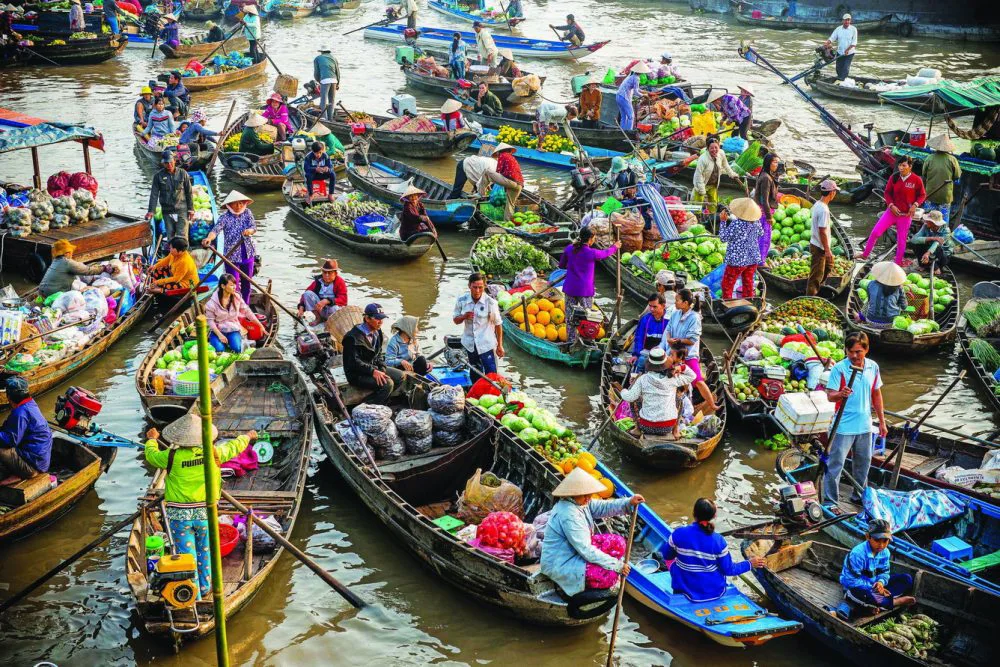
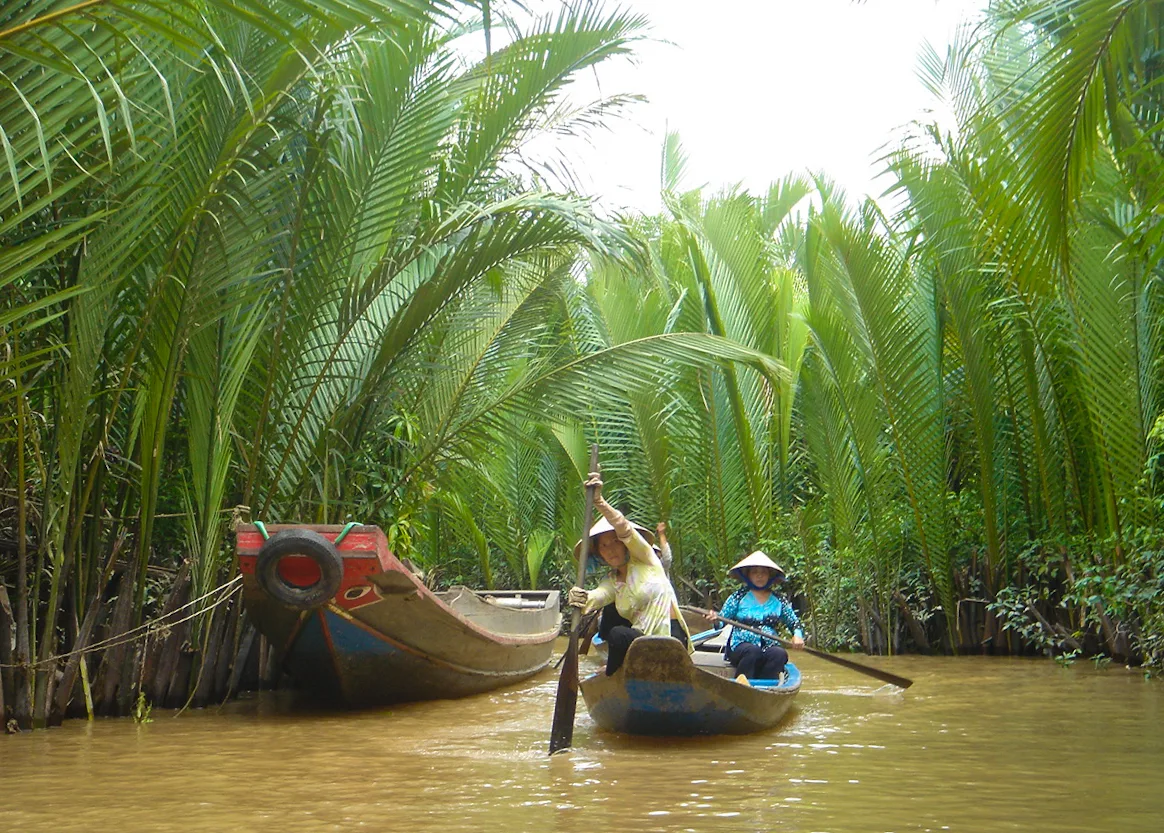
In Southern Vietnam, the dry weather and lower water levels make it an excellent period to explore the Mekong Delta, enjoying floating markets or traditional sampan rides. Ho Chi Minh City provides a lively urban experience, particularly its evening activities. Con Dao island, with its calm waters and excellent visibility, is considered among Vietnam's premier locations for snorkeling and scuba diving, especially during March.
Annual Cultural Festivals and Events in March
March in Vietnam, often corresponding to the second and third lunar months, is a period rich with traditional festivals that celebrate historical figures, religious beliefs, and local customs. These events provide a unique insight into Vietnamese culture.
| Festival Name | Location | Focus | Typical Lunar Date | Key Activities |
|---|---|---|---|---|
| Thay Pagoda Festival | Quoc Oai District, Hanoi | Honoring Tu Dao Hanh (sage, water puppetry inventor) | 5th-9th of 3rd lunar month (or April) | Statue bathing, incense, procession, folk plays (cheo), chess, water puppets |
| Hai Ba Trung Festival | Hanoi (Hat Mon, Ha Loi, Dong Nhan Wards) | Honoring the Trung Sisters (heroic leaders) | 6th day of 2nd lunar month | Commemorative ceremonies, cultural performances |
| Ba Chua Kho Temple Festival | Bac Ninh | Prayers to Lady of the Storehouse for fortune | Full moon of 2nd lunar month (Feb or March) | Massive crowds, offerings, petitions for prosperity |
| Phu Giay Festival | Nam Dinh | Tribute to Lieu Hanh (one of "four immortal gods") | First ten days of 3rd lunar month (or April) | Folk singing/dance (as tuong, cheo, trong quan), traditional games, "keo chu" game |
| Elephant Racing Festival | Krong Na Village, Buon Don District, Dak Lak | Traditional Central Highlands elephant races | 3rd lunar month (or April) | Racing, football, tug of war, swimming, parade, animal buffet |
| Quan The Am Festival | Marble Mountains tourist area, Da Nang | Honoring the Goddess of Mercy | 17th day of 2nd lunar month | Spiritual ceremonies, Buddhist rituals |
| Dinh Co Festival | Dinh Co, Mount Thuy Van, Ba Ria – Vung Tau | Prayers for peaceful life | 10th of 2nd lunar calendar | Ancient opera, tray dancing, lion/dragon dancing, boat racing |
The Thay Pagoda Festival, held in Quoc Oai District, Hanoi, commemorates Tu Dao Hanh, a revered religious sage credited with inventing Vietnamese water puppetry. This multi-village event, primarily centered at Thien Phuc Pagoda (also known as Thay Pagoda), typically runs from the 5th to the 9th day of the third lunar month, which may fall in April depending on the year. Activities include ceremonial bathing of Tu Dao Hanh’s statue, incense offerings, tablet processions, traditional folk theatrical plays (cheo), chess games, water puppet performances, and recitals of the sage's accomplishments. The procession of the tablets and the water puppet show are particularly notable features.
Hanoi also hosts the Hai Ba Trung Festival on the 6th day of the second lunar month. This event honors the Trung Sisters, Trung Trac and Trung Nhi, who famously led forces against foreign invaders. While various locations observe this festival, the main celebrations occur at Hat Mon Commune, Ha Loi Commune, and in Dong Nhan Ward.
In Bac Ninh, the Ba Chua Kho Temple Festival takes place during the full moon of the second lunar month, which can occur in February or March. This popular festival draws large numbers of devotees who visit the Ba Chua Kho, or Lady of the Storehouse, to seek blessings for wealth, health, and good fortune.
The Phu Giay Festival, held annually in Nam Dinh province during the first ten days of the third lunar month (sometimes in April), attracts pilgrims to Phu Giay Temple. This festival pays homage to Lieu Hanh, one of Vietnam’s revered "four immortal gods." The event showcases folk singing and dance forms such as as tuong, cheo, trong quan, ca tru, and xam, alongside traditional games like wrestling, swinging, cock fighting, bird fighting, and dragon-lion dancing. The "keo chu" game is a special activity following the procession, all contributing to a lively atmosphere.
Dak Lak is the setting for the Elephant Racing Festival, a long-standing tradition in the Central Highlands. Usually observed in the third lunar month (potentially April), this annual event in Ban Don, specifically Krong Na Village in Buon Don District, is a significant tourist attraction. It features various activities including elephant races, football matches, tug-of-war, swimming sessions, a parade, and a celebratory buffet for the elephants. The sounds of gongs and drums enhance the festive mood.
In Da Nang, the Quan The Am (Goddess of Mercy) Festival is a highly anticipated spiritual and cultural gathering for Buddhists and others from across the country. It is observed on the 17th day of the second lunar month at the pagoda of the same name, situated within the Marble Mountains tourist area.
Finally, the Dinh Co Festival in Ba Ria – Vung Tau occurs annually on the 10th day of the second lunar calendar. Thousands of people gather at Dinh Co (Young Lady Palace) beneath Mount Thuy Van to offer prayers for a peaceful and prosperous life. Festival days are filled with artistic and athletic displays, including ancient opera performances, tray dancing, lion and dragon dances, and boat races. Visitors to Ba Ria-Vung Tau during early February on the lunar calendar are encouraged to experience this celebration.
Practical Advice for Traveling in Vietnam During March
Planning your attire and understanding local customs are important for a comfortable and respectful trip to Vietnam in March, especially given the regional climate differences.
While March weather is generally mild, there is a notable temperature disparity between Northern and Southern Vietnam, with averages ranging from 19°C in the North to 29°C in the South. Therefore, selecting appropriate clothing for specific destinations is essential. For beach holidays or visits to the Central and Southern regions, light clothing, sunglasses, a hat, sunscreen, and swimwear are recommended. For mountainous areas in the North, such as Sapa, or the Central Highlands, particularly during early mornings or late evenings, good trekking shoes and some warm layers are advisable.
When visiting spiritual or cultural sites like temples and pagodas, it is customary to dress modestly and respectfully. This typically means covering shoulders and knees.
Although March is not considered the absolute peak of the travel season, beach destinations can still experience high occupancy rates. It is prudent to book accommodations in advance, especially if your itinerary focuses on coastal areas. For managing finances during your trip, cities like Hanoi and Ho Chi Minh City offer numerous banking services for travelers.
Frequently Asked Questions
Is March a good month to visit Vietnam?
Yes, March is widely considered an excellent month to visit Vietnam. The weather across the country is generally comfortable, with moderate temperatures and less rainfall, making it suitable for a diverse range of activities and exploration.
What is the weather like in Northern Vietnam in March?
Northern Vietnam in March typically experiences cool temperatures, averaging around 19°C. While there is increasing sunshine, occasional light drizzle can occur. This climate is ideal for trekking in mountainous areas and exploring cultural sites.
What kind of clothing should I pack for a March trip to Vietnam?
Due to regional variations, a versatile wardrobe is best. Pack light clothing, swimwear, sunglasses, and a hat for the warmer Central and Southern regions. For the cooler Northern mountains or Central Highlands, include trekking shoes and warmer layers, especially for mornings and evenings.
Are there any major festivals in Vietnam during March?
Yes, March (corresponding to the second and third lunar months) features several significant cultural festivals across Vietnam. These include the Thay Pagoda Festival in Hanoi, the Hai Ba Trung Festival, the Ba Chua Kho Temple Festival in Bac Ninh, and the Elephant Racing Festival in Dak Lak, among others.
Is March a busy travel period in Vietnam?
While not the absolute peak season, March is a popular time for travel in Vietnam. Beach destinations, in particular, may experience high occupancy, so booking accommodation and tours in advance is recommended.