May marks a transitional period for Vietnam's climate, moving from spring towards summer, characterized by increasing rainfall and higher temperatures across the country. Despite these shifts, this month offers compelling reasons to travel, particularly to the central coast, which often experiences its driest and sunniest conditions. While southern regions begin their wet season, rain typically arrives in brief afternoon showers, leaving ample time for exploration.
Understanding Vietnam's May Weather by Region
Vietnam's elongated geography results in distinct weather patterns across its northern, central, and southern areas during May. Travelers should prepare for varied conditions depending on their chosen destinations.
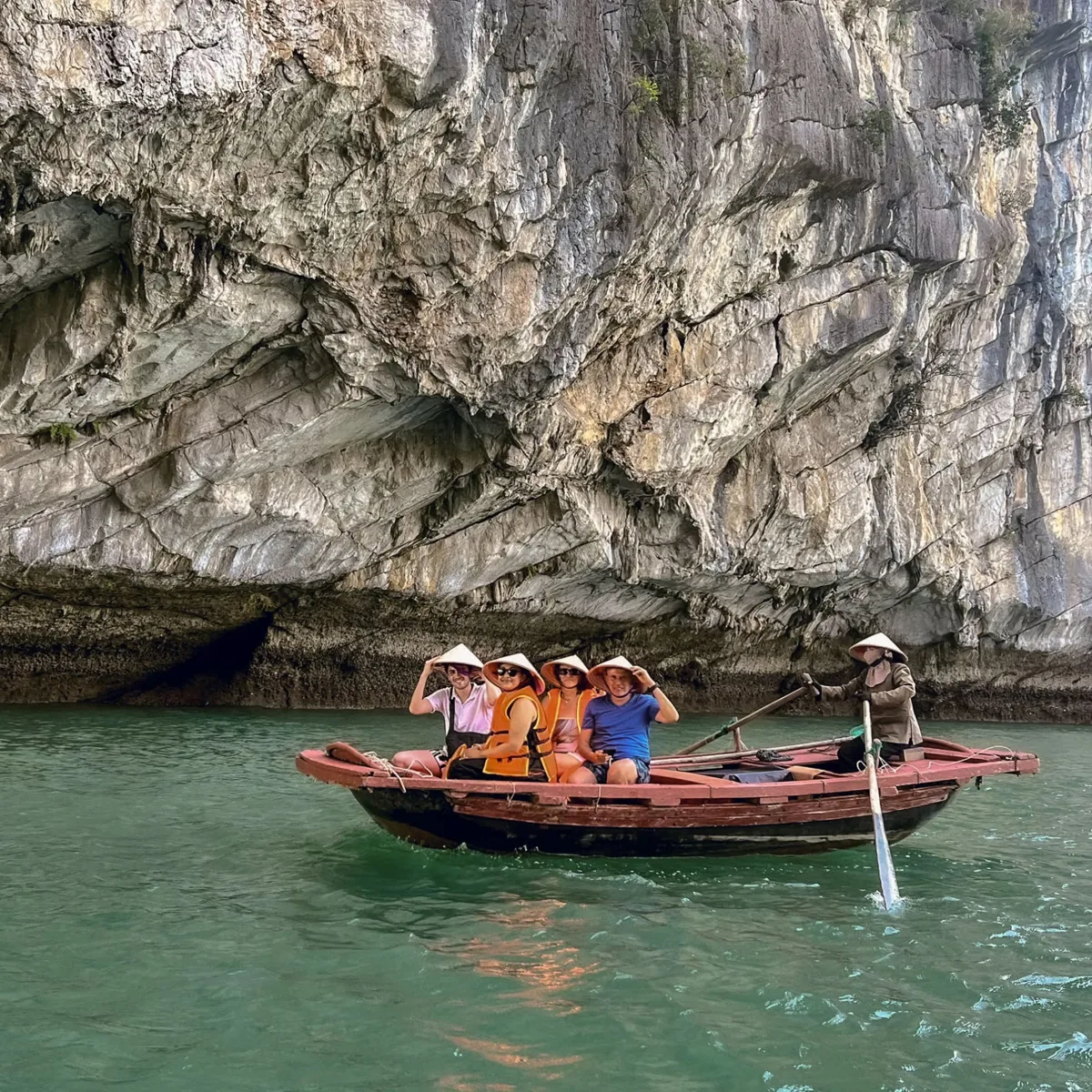
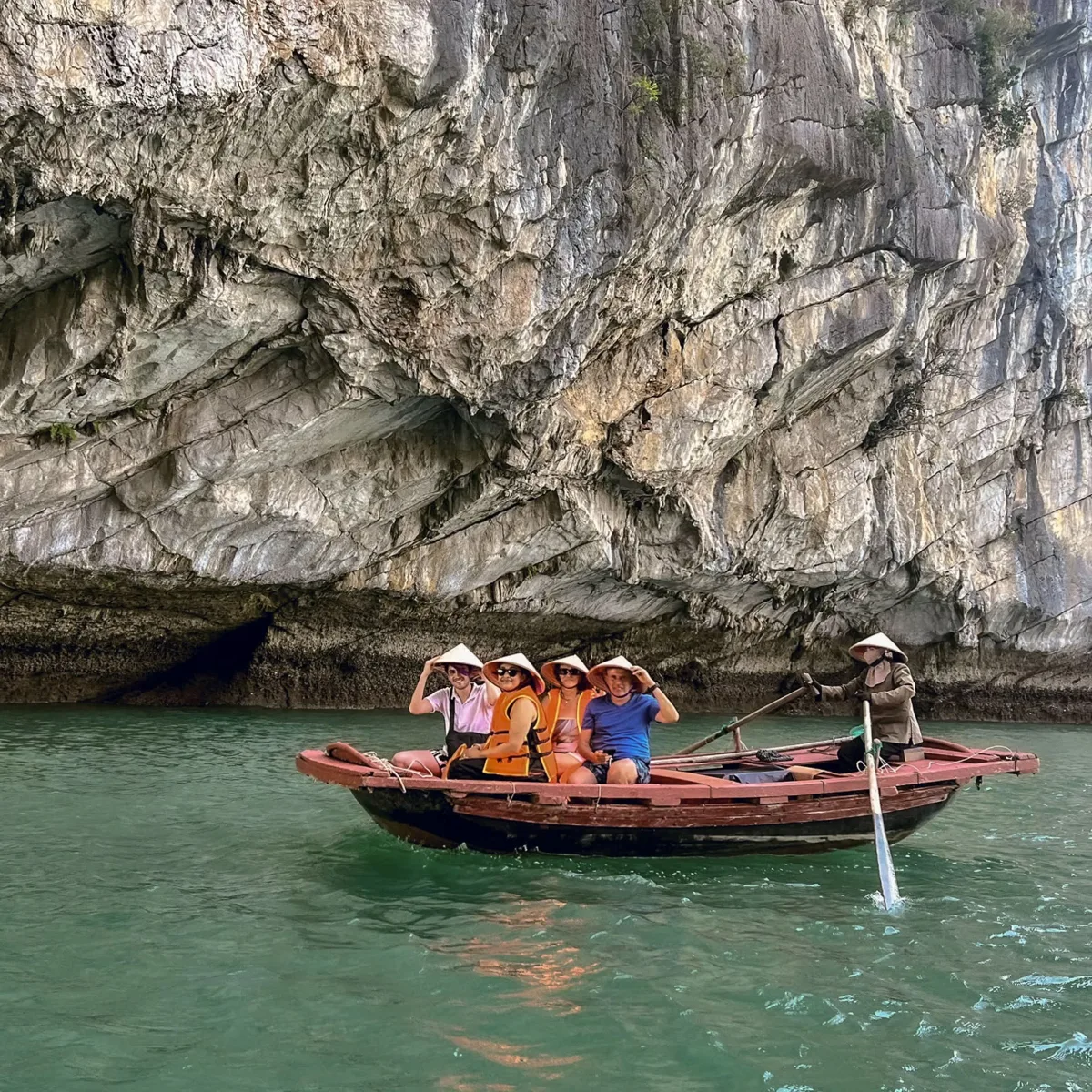
Northern Vietnam, including locations such as Hanoi, Ha Long Bay, Cat Ba, Sapa, Ha Giang, Mu Cang Chai, Ninh Binh, and Mai Chau, experiences temperatures generally between 24 and 36 degrees Celsius. This period signifies a move into summer, making it suitable for outdoor activities. However, visitors should be mindful of potential weather disturbances like tropical depressions or storms, which can occasionally lead to travel disruptions, including cancellations for boat excursions in Ha Long Bay. Mountainous areas like Mu Cang Chai and Sapa maintain agreeable weather, coinciding with the start of the rice planting season on terraced fields by local communities. Ha Giang, situated further east, typically receives more precipitation.
Central Vietnam, encompassing popular spots like Hoi An, Da Nang, Hue, Nha Trang, Quy Nhon, and Da Lat, often enjoys some of its most favorable weather in May. Extended periods of sunshine are common, with minimal rainfall. Temperatures can climb, frequently reaching highs from the upper 20s to 38 degrees Celsius (approximately 80s to 100 degrees Fahrenheit). These hot, dry conditions are ideal for coastal activities such as relaxing on the beaches of Da Nang, Hoi An, or Nha Trang, as well as engaging in water sports like diving and snorkeling. Adequate protection from the sun, including light clothing, sunscreen, and headwear, is advisable.
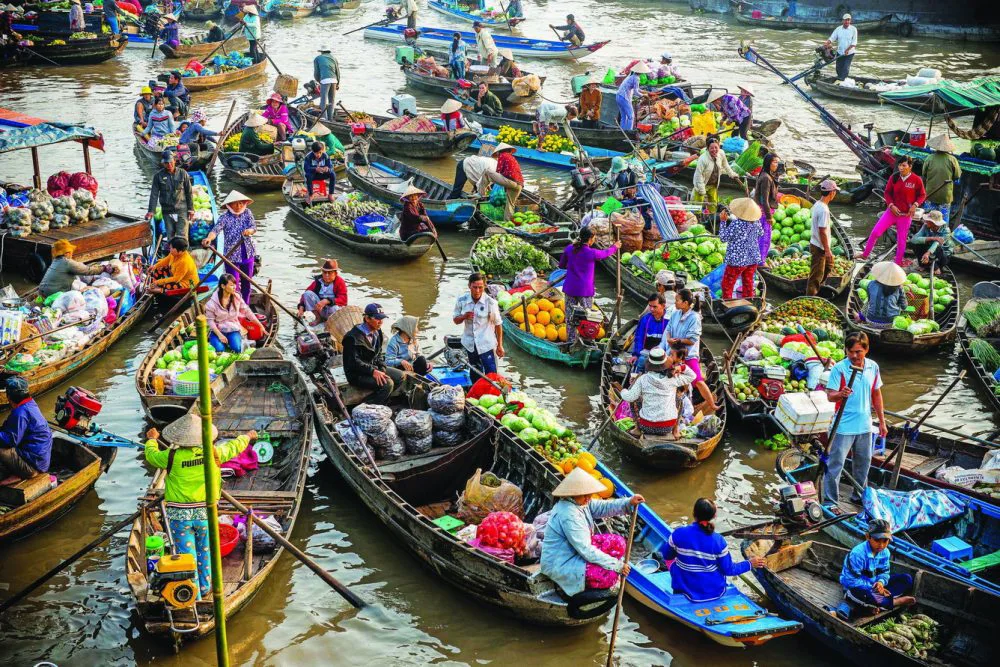
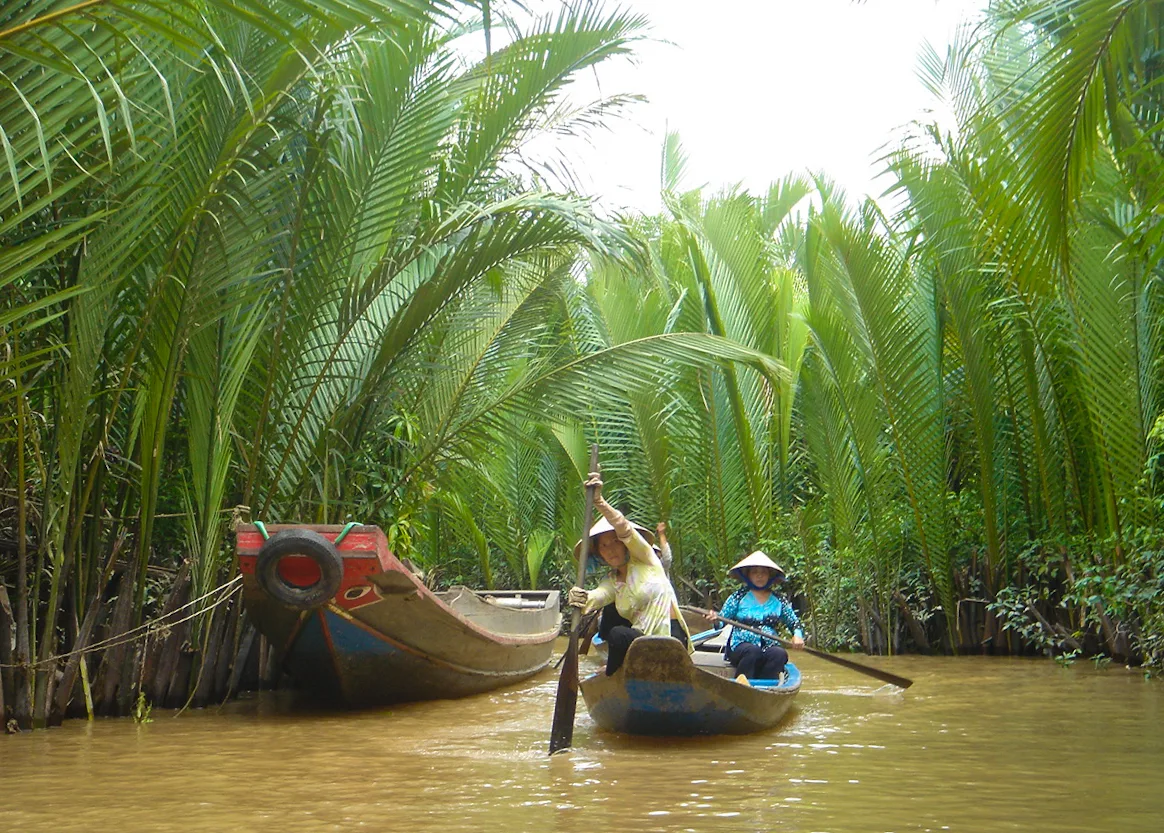
Southern Vietnam, featuring destinations like Ho Chi Minh City, Phan Thiet & Mui Ne, the Mekong Delta, Long Hai & Ho Tram, Con Dao & Phu Quoc, sees the onset of its rainy season in May. Daily temperatures remain warm and humid, typically ranging from 28 to 36 degrees Celsius (82 to 97 degrees Fahrenheit). While rain becomes more frequent, it usually manifests as short, intense downpours in the afternoons, allowing for considerable sunshine throughout the day. Humidity levels generally range from 60-70%. Despite the increased rainfall, May remains a suitable time to visit the south, as the showers often provide a refreshing break from the heat and rarely impede travel plans significantly.
Here is a summary of typical May weather conditions across Vietnam's regions:
| Region | Temperature Range | Rainfall Pattern | Key Characteristics |
|---|---|---|---|
| Northern Vietnam | 24-36°C (75-97°F) | Increasing, occasional storms | Transition to summer, suitable for active adventures, potential travel disruptions. |
| Central Vietnam | 20s-38°C (80s-100°F) | Minimal | Dominant sunshine, ideal for beaches and water activities. |
| Southern Vietnam | 28-36°C (82-97°F) | Short afternoon bursts | Onset of rainy season, hot and humid, still plenty of sunshine. |
Recommended Destinations for May Travel
May presents various appealing options for travelers across Vietnam, catering to different interests, from mountain trekking to beach relaxation and cultural exploration.
For those seeking cooler temperatures and outdoor activities, the northern mountain regions of Mu Cang Chai and Sapa are excellent choices. With average temperatures around 20-30°C and predominantly dry conditions, these areas are well-suited for trekking. May is particularly significant as the terraced rice fields transform, displaying vibrant green and golden hues as the new rice crop begins, creating what is known as the "falling water season" where water cascades between the terraces. Visitors to Sapa might consider exploring the region's highest peak. Ascending Mount Fansipan by cable car offers panoramic views of the surrounding landscapes.
Wildlife enthusiasts and active adventurers might consider Cuc Phuong National Park, especially during its renowned "butterfly season" which typically occurs from April to May. This period offers a unique opportunity to witness numerous butterfly species. In the central region, sheltered by the Truong Son mountain range, May sees significantly less rain compared to other parts of the country. This makes it an excellent month for coastal retreats. Options include the expansive white sand beaches of Nha Trang, the relatively calm and warm waters of Quy Nhon, or the more secluded Lang Co Bay. Combining beach time with cultural discoveries in the UNESCO World Heritage Sites of Hue and Hoi An offers a well-rounded experience. For those managing finances in the area, understanding banking facilities in Hue City can be helpful.
In the south, despite the onset of the rainy season, May can still be a good time to visit Ho Chi Minh City. The slightly cooler temperatures compared to previous months make exploring major landmarks and air-conditioned museums more comfortable. For travelers in Ho Chi Minh City, navigating banking services is generally straightforward due to the city's extensive financial infrastructure. Additionally, the island of Con Dao offers favorable conditions for diving during this month, making it a prime destination for underwater exploration.
Cultural Celebrations and Festivals in May
May in Vietnam is marked by several significant national holidays and traditional festivals, offering visitors insights into the country's heritage and contemporary life.
International Labor Day (May 1st, Nationwide): This public holiday, originating from international workers' movements, is observed across Vietnam as a celebration of the working class and a symbol of solidarity. Many Vietnamese take advantage of the long weekend, often leading to increased domestic travel, particularly to beach destinations.
Dien Bien Phu Victory Day (May 7th): This day commemorates Vietnam's decisive victory over French forces in 1954, a pivotal event that influenced the subsequent Geneva Conference negotiations regarding Indochina's future.
Liberation Day of Hai Phong (May 13th) & Hoa Phuong Do Festival: May 13th marks the liberation of Hai Phong in 1955, when French soldiers completed their withdrawal from northern Vietnam. Coinciding with the blooming of the red flamboyant trees, the city's symbol, the Hoa Phuong Do (Red Flamboyant) Festival is held in Hai Phong. This festival typically features a carnival parade, artistic performances by local and international groups, and a low-altitude fireworks display during its opening gala. Hai Phong is also a gateway to attractions like Cat Ba National Park, Cat Ba Island, and Lan Ha Bay, which offers similar natural beauty to Ha Long Bay but with fewer crowds. For those interested in exploring the coastal wonders, finding the best beaches in Halong Bay can be a rewarding experience.
President Ho Chi Minh’s Birthday Celebration (May 19th): Annually, on May 19th, Vietnamese people nationwide commemorate the birth of President Ho Chi Minh (born May 19, 1890), the revered leader of Vietnam. A variety of activities and campaigns are organized to honor his legacy, with a notable ceremony also taking place in Nghe An, his birthplace.
Vesak – Celebrating Buddha’s Birthday (Varies by year): This sacred day, observed on the 15th day of the 4th lunar month (which can fall in April or May), commemorates the birth, enlightenment, and passing of Buddha. Buddhists globally celebrate Vesak, and in Vietnam, numerous festivals are held, encouraging self-reflection and promoting happiness within communities.
Doan Ngo Festival (Varies by year): Also known as Tet Sau Bo, or "Worm-Killing Festival," this significant holiday is celebrated on the 5th day of the 5th lunar month (typically in May or June). Alongside the traditional Tet holiday and Mid-Autumn Festival, Doan Ngo is a key cultural event. Families prepare specific foods and engage in unique ceremonies, while farmers traditionally focus on removing insects and pests from their crops. Celebrations vary regionally, including events like the Festival of Delicious Fruit in Cho Lach, Ben Tre Province, and the Festival of Southern Fruit at Suoi Tien Amusement Park in Ho Chi Minh City.
Practical Advice for Visiting Vietnam in May
Preparing appropriately for Vietnam's May weather is key to a comfortable and enjoyable trip. The combination of rising temperatures and increased rainfall in some areas necessitates careful packing and planning.
Given the transition into a hotter and wetter season across much of the country, it is advisable to pack lightweight, breathable summer clothing. However, include rain gear, such as a compact umbrella or a light rain jacket, especially if traveling to the north or south where afternoon showers are common. Insect repellent is also a practical item to carry, particularly when visiting natural areas or during evenings. To protect against the strong ultraviolet rays, a sunhat, sunglasses, and perhaps a parasol are recommended.
For those venturing into mountainous regions or the Central Highlands, where temperatures can drop significantly in the early morning or late evening, a few warm layers should be included in your luggage. Travelers should also be aware of peak travel times. The beginning of May, particularly around the April 30th to May 2nd holiday period, sees many local residents traveling for short breaks, especially to coastal areas. This can lead to increased crowds and higher demand for accommodations and transportation. Later in the month, however, crowds tend to thin out, offering a more relaxed experience at popular beaches and potentially making tour and accommodation prices more negotiable.
Frequently Asked Questions
Is May a good month to visit Vietnam?
Yes, May can be a good month to visit Vietnam, especially if you prioritize the central coast, which experiences dry and sunny weather. While northern and southern regions see increasing temperatures and rainfall, the showers in the south are typically brief, and the north remains suitable for active adventures before the peak summer heat.
What kind of clothing should I pack for Vietnam in May?
Pack lightweight, breathable summer clothing. Due to the increasing chance of rain, include a light rain jacket or umbrella and insect repellent. A sunhat, sunglasses, and sunscreen are essential for sun protection. If visiting mountainous areas, bring a few warm layers for cooler mornings and evenings.
Are there any major holidays or festivals in Vietnam during May?
May features several important events, including International Labor Day (May 1st), Dien Bien Phu Victory Day (May 7th), Liberation Day of Hai Phong (May 13th) and its associated Hoa Phuong Do Festival, President Ho Chi Minh’s Birthday (May 19th), Vesak (Buddha’s Birthday, lunar calendar dependent), and Doan Ngo Festival (lunar calendar dependent).
Which regions are best for beach holidays in May?
Central Vietnam is generally considered the best region for beach holidays in May, with destinations like Da Nang, Hoi An, Nha Trang, Quy Nhon, and Lang Co Bay offering extensive sunshine and minimal rainfall. The southern island of Con Dao also provides favorable conditions for diving.
Will May be crowded in Vietnam?
The very beginning of May, particularly around the April 30th to May 2nd holiday, can be crowded due to domestic travel. However, later in the month, crowds typically lessen, and it may be easier to find better deals on tours and accommodations.