The Mekong Delta region in southern Vietnam is recognized for its extensive waterways, lush landscapes, and significant natural areas, making it a notable destination for ecotourism. Visitors seeking to connect with undeveloped natural settings and observe local life will find several sites that prioritize environmental preservation alongside cultural engagement. These locations offer a chance to experience the delta's unique environment, often involving boat trips through waterways and interactions with local communities.
Understanding Ecotourism in the Mekong Delta
Ecotourism in the Mekong Delta emphasizes responsible travel to natural areas, aiming to conserve the environment and improve the well-being of local people. This approach allows travelers to appreciate the region's ecological diversity, including its distinctive flora and fauna, while supporting sustainable practices. The delta's network of rivers, canals, and wetlands creates a rich habitat for various species and provides a backdrop for activities that highlight its natural beauty and cultural heritage.
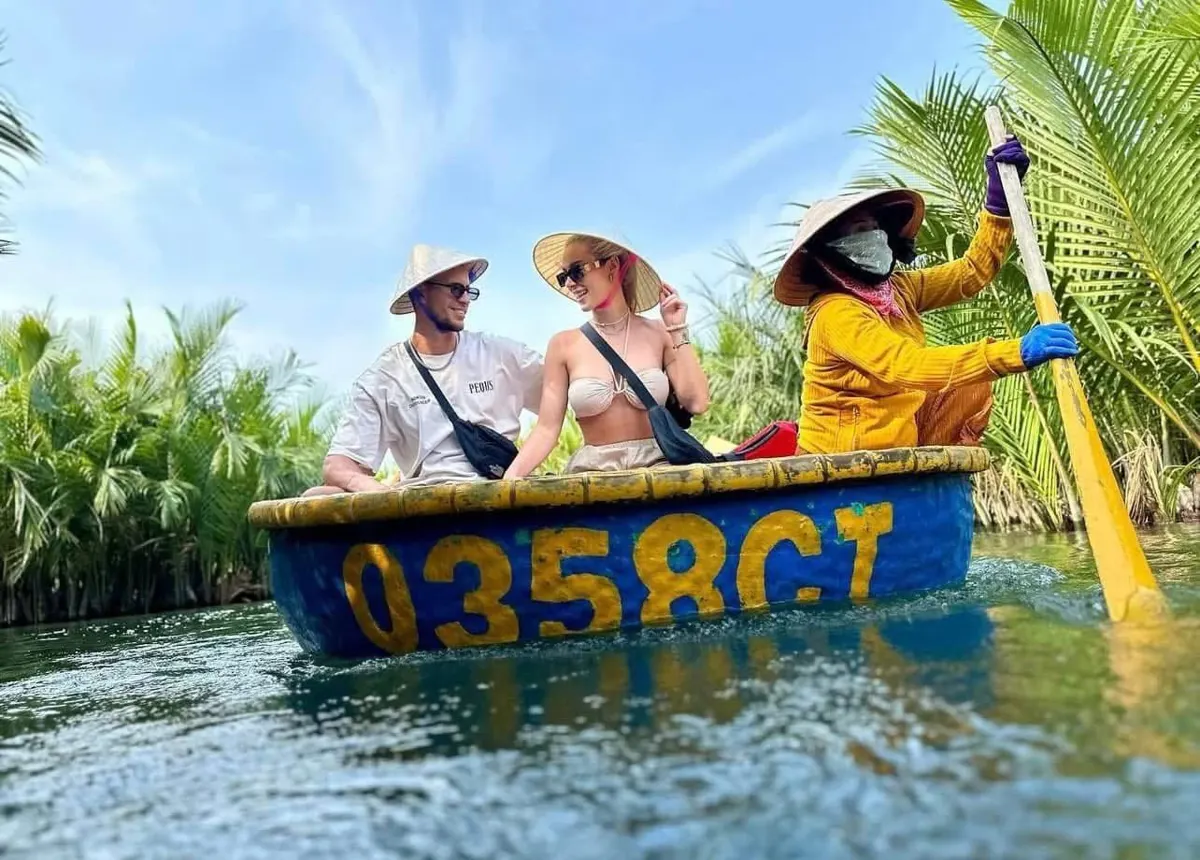
Many sites within the delta have developed infrastructure to accommodate visitors, such as pathways and boat tours, designed to offer access without disrupting the delicate ecosystems. These efforts often involve local communities, providing economic benefits and fostering a shared commitment to environmental stewardship. Exploring these areas typically involves gentle transportation methods, like traditional boats, which allow for quiet observation of the surroundings.
Premier Ecotourism Destinations in the Mekong Delta
The Mekong Delta features several significant ecotourism sites, each offering distinct natural characteristics and cultural experiences. These locations provide varied opportunities for observing wildlife, understanding local traditions, and enjoying the peaceful riverine environment.
Tra Su Cajuput Forest (An Giang)
Located in An Giang province, the Tra Su Cajuput Forest is a prominent example of successful ecotourism development integrated with conservation efforts. Recognizing the importance of preserving the cajuput forest, local authorities improved access routes by both water and land. This initiative has transformed Tra Su into a leading ecotourism destination within the Mekong Delta.
The optimal period for visiting Tra Su is typically from September through the end of the year, when the entire area is covered by water, creating a distinctive landscape. Boat tours, either by motorboat or traditional rowboat, guide visitors through the forest's narrow canals. This allows for close observation of the abundant green fern covering the water's surface, along with various bird species, including white storks. Beyond the natural exploration, tours to Tra Su Cajuput Forest often include opportunities to sample regional dishes and visit nearby Khmer and Kinh villages, where traditional handicrafts are produced and sold.
Gao Giong Eco-Tourism Park (Dong Thap)
Approximately 170 kilometers from Ho Chi Minh City's center, Gao Giong Eco-Tourism Park is situated in the flooded plains of Dong Thap Province. This location is recognized for its extensive mangrove lowlands, often referred to as a vital ecological zone within the Dong Thap Muoi wetland. It attracts those interested in exploring nature via tranquil boat cruises along its winding waterways.
Gao Giong is particularly noted for its diverse avian population, which includes various wild ducks, egrets, herons, and sparrows, with some species listed in conservation databases. Guests to Gao Giong can appreciate the quiet atmosphere and clean air, accompanied by the sounds of bird calls. The park also offers opportunities to taste local culinary specialties, such as baked rats, grilled fish wrapped in lotus leaves, hotpots, and lotus tea.
Xeo Quyt Eco-Historic Site (Dong Thap)
In Dong Thap province, Xeo Quyt holds historical significance as a former revolutionary base for Vietnamese guerillas during past conflicts. Today, its natural appeal has led to its transformation into an eco-historic attraction. The Xeo Quyt tourist area presents a verdant environment, characterized by numerous vines intertwined around trees, creating a lively natural setting.
Visitors can take rowboat excursions through the waterways, where they may observe various bird and fish species. This site combines an appreciation for natural beauty with an insight into its historical role, offering a dual perspective on the region's heritage.
My Khanh Ecotourism Village (Can Tho)
Situated in Phong Dien District, Can Tho City, My Khanh Ecotourism Village is known for its tropical fruit orchards and traditional craft communities. A visit to My Khanh often involves participation in rural activities, such as rice cultivation, gardening, fishing, and fruit picking. Guests can also cycle along village paths, gaining insight into the culture of southern Vietnamese people.
The village provides an opportunity to experience the unique commerce of a local floating market, where agricultural products are traded directly on the river. This offers a glimpse into the distinctive trading practices of the delta's residents. For those interested in rural destinations in Vietnam's Mekong Delta, My Khanh offers a comprehensive experience.
Con Phung (Phoenix Island) (Ben Tre)
Con Phung, also known as Phoenix Island, is located approximately 25 kilometers from Ben Tre City, rising from the My Tho River in Chau Thanh District. The island's distinctive name is attributed to a historical event: during the construction of Nam Quoc Phat Pagoda by Nguyen Thanh Nam, the founder of the Dao Dua religion, a bowl shaped like a phoenix was reportedly discovered, leading to the island's current name.
Activities available to visitors on Con Phung include touring a coconut candy production facility, participating in local cooking sessions, cycling through the village, and experiencing homestay accommodations. These activities provide a closer look at the local industries and daily life on the island. Consider a Mekong Delta cycling tour that includes Ben Tre to fully appreciate the area's coconut culture.
Key Details for Ecotourism Sites
| Destination | Location | Key Activities | Notes |
|---|---|---|---|
| Tra Su Cajuput Forest | An Giang Province | Motorboat/rowboat tours, birdwatching, local village visits | Best September-December (flooded season) |
| Gao Giong Eco-Tourism Park | Dong Thap Province | River cruises, bird observation, local cuisine tasting | Known for diverse bird species |
| Xeo Quyt Eco-Historic Site | Dong Thap Province | Rowboat tours, historical exploration | Former revolutionary base |
| My Khanh Ecotourism Village | Phong Dien District, Can Tho City | Fruit picking, farming activities, handicraft villages, floating market experience | Focus on rural life and culture |
| Con Phung (Phoenix Island) | Chau Thanh District, Ben Tre | Coconut candy workshops, local cooking, cycling, homestays | Named after a historical find |
Please note: Specific addresses, phone numbers, operating hours, and pricing for these venues were not provided in the source material. Visitors should verify current details before planning their trip.
Planning Your Ecotourism Visit
When preparing for an ecotourism trip to the Mekong Delta, considering the time of year can enhance the experience. As noted for Tra Su Cajuput Forest, the period from September to December often brings higher water levels, which can create particularly scenic conditions for boat tours. Generally, the dry season (November to April) offers comfortable weather for exploration, though the delta's climate is tropical year-round.
Visitors should prepare for activities that involve water, such as boat rides, and potentially walking or cycling in rural settings. Lightweight clothing, sun protection, and insect repellent are advisable. Engaging with local guides can provide deeper insights into the ecosystems and cultural practices of the communities. For those interested in the broader region, planning a trip to Vietnam offers many options.
Local Cuisine and Cultural Immersion
A significant aspect of ecotourism in the Mekong Delta involves experiencing the local food and cultural traditions. The region's fertile lands and abundant waterways contribute to a unique culinary landscape. Many ecotourism sites, like Gao Giong Eco-Tourism Park and My Khanh Ecotourism Village, offer opportunities to taste regional specialties that reflect the delta's agricultural bounty.
Beyond food, interactions with local communities in villages near sites like Tra Su and Con Phung allow visitors to observe traditional crafts and daily life. These experiences foster a greater appreciation for the delta's cultural richness and provide direct support to local economies. Exploring a Ben Tre culinary guide can further enhance your understanding of local flavors.
Frequently Asked Questions
What is the best time to visit the Mekong Delta for ecotourism?
The period from September to December is often recommended for ecotourism in the Mekong Delta, particularly for sites like Tra Su Cajuput Forest, due to higher water levels that create unique landscapes for boat tours. The dry season, from November to April, generally offers pleasant weather for exploration across the region.
What types of activities are common in Mekong Delta ecotourism?
Common activities include boat tours through canals and forests, birdwatching, cycling through rural villages, visiting fruit orchards, learning about traditional handicrafts, and experiencing local floating markets. Some locations also offer opportunities for homestays and participation in agricultural activities.
Are the ecotourism sites suitable for families with children?
Many ecotourism sites in the Mekong Delta are suitable for families, offering gentle boat rides, opportunities to see wildlife, and engaging cultural experiences like fruit picking or visiting craft workshops. It is advisable to check specific site offerings for age-appropriate activities.
What kind of wildlife can I expect to see?
Visitors can typically observe various bird species, including storks, egrets, and herons, particularly in bird sanctuaries and cajuput forests. Fish species are also common in the waterways. The specific wildlife encountered can vary by location and season.
How can I support local communities during my ecotourism trip?
You can support local communities by purchasing handicrafts directly from artisans, dining at local eateries, choosing accommodations like homestays, and participating in tours led by local guides. These actions help ensure that tourism benefits the residents of the delta.