
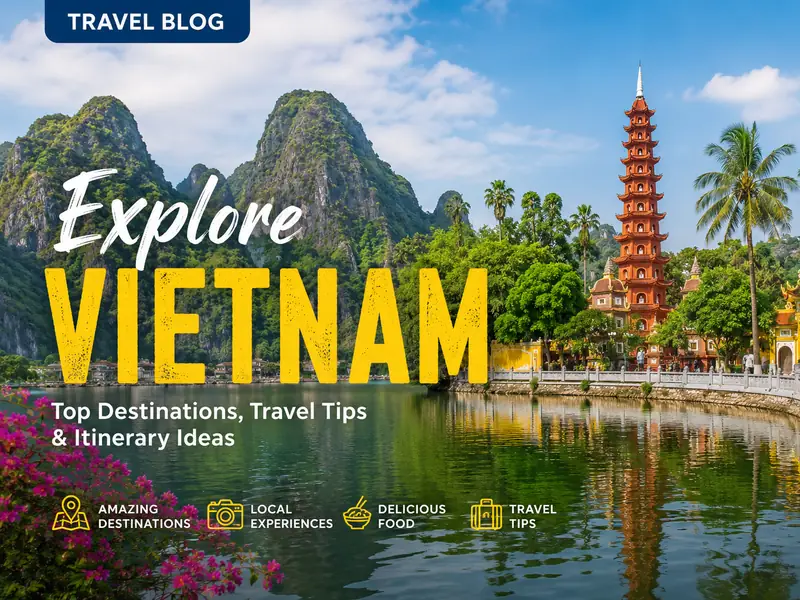
The Mekong Delta in southern Vietnam offers a distinctive experience of local life, characterized by waterways, traditional livelihoods, and verdant landscapes. For those seeking to connect with authentic regional culture, several destinations provide opportunities to observe daily routines and natural beauty. This guide explores six notable rural areas: Dong Thap, Vinh Long, Ben Tre, Can Tho, Chau Doc, and Cai Lay.
Dong Thap: The Lotus Province
Dong Thap, often recognized as Vietnam's "Land of Lotus," presents a tranquil rural environment in the country's southern reaches. While its location might appear somewhat remote to some travelers, the province's extensive lotus fields offer a unique visual appeal that few other delta provinces can match. Visitors specifically interested in witnessing the delicate pink blooms should consider a trip to this region.
Beyond its signature flower, Dong Thap is home to Tram Chim National Park, an important ecotourism site within the Dong Thap Muoi area. This park features a vast network of rivers and forests, supporting a rich diversity of plant and animal species. It serves as a habitat for approximately 200 bird species, some of which are listed in conservation registers. Notably, the park is one of the last remaining refuges for the red-crowned crane, considered one of the world's 15 surviving crane species. These cranes are known to forage in the park primarily during the rainy season when water levels rise.
Vinh Long: A Glimpse into Delta Life
For those with a keen interest in the countryside and a desire to explore the wider Mekong Delta, Vinh Long offers a compelling choice. This area is particularly known for its fishing traditions, providing an intimate perspective on rural activities that are less common in urban settings. Visitors often describe Vinh Long as a welcoming and friendly location, making it an accessible destination for experiencing local customs.
While Vinh Long might not always be featured as prominently in comprehensive tour packages compared to other delta provinces, its appeal lies in its serene ambiance and close proximity to nature. Guests can find a peaceful retreat here, away from the pressures of city life. Travel within Vinh Long is predominantly by water, reflecting the region's reliance on its extensive river and canal systems for transport. For more historical context, consider visiting the Van Thanh Mieu Temple in Vinh Long.
Ben Tre: The Coconut Capital
Ben Tre holds a strong reputation as the "Land of Coconut Trees" within Vietnam's southern region, making it an essential stop for anyone interested in an eco-focused tour of the Mekong Delta. The province shares its borders with Tien Giang Province and is connected to other delta areas by the Rach Mieu bridge, facilitating access. The landscape here is characterized by extensive green scenery, offering a refreshing environment for visitors.
Coconut cultivation is central to the local economy and culture in Ben Tre. Beyond agriculture and fishing, the coconut trees provide a significant source of income for residents. For decades, the coconut has been a symbol of this land. Locals utilize every part of the coconut palm: trunks are used in construction, leaves for cooking, shells for crafting various items, and the flesh for producing oil and other products. To experience this unique environment, consider a Mekong Delta speedboat journey to Ben Tre.
Can Tho: The Delta's Green Hub
Can Tho is widely recognized as a major center in the Mekong Delta region, often referred to as "Tay Do," meaning the capital of the southwest of Vietnam. This historical designation reflects the city's past prominence and enduring appeal. Situated along the Hau River, and bordered by Cho Gao Province to its north and west, Can Tho benefits from its strategic location.
The city is celebrated for its verdant environment, with attractions like Bang Lang Stork Garden showcasing its natural beauty. With significant advantages in aquatic resources, tourism infrastructure, and agricultural output, Can Tho has become a prominent destination. Today, it stands as an important economic zone in Vietnam, continuing to attract investment while preserving its cultural heritage and ecotourism offerings. Exploring the Cai Rang Floating Market in Can Tho offers a unique cultural insight into the region's trade.
Chau Doc: A Spiritual Border Town
Chau Doc consistently draws attention from both domestic and international travelers, particularly those on spiritual pilgrimages to sites like Mieu Ba Chua Xu (Lady Temple). The town is also known for its distinctive fish pastes and its floating villages, which offer a glimpse into a unique way of life on the water. For individuals seeking a spiritually significant location within the Mekong Delta, Chau Doc is often recommended.
Sharing a border with Cambodia, Chau Doc is typically accessible by bus, with journeys often taking around six hours from major hubs like Ho Chi Minh City. The town is home to a diverse population, including Cham, Kinh, Chinese, and Khmer ethnic groups, with the Kinh community being the most numerous. Key attractions for visitors include the National Cultural Relic of the Lady Temple, Tay An Pagoda, Sam Mountain, and the various floating villages. For a more extensive exploration of the delta, including Chau Doc, consider a Mekong Delta and Cambodia river journey.
Cai Lay: Idyllic Rural Charm
Cai Lay, located directly on Highway 1A, offers convenient access for travelers connecting from Saigon, making it an accessible option for tourism. For those interested in experiencing the authentic rural lifestyle of the Mekong Delta, a day trip to Cai Lay can provide a refreshing escape. The area is known for its peaceful atmosphere and fresh natural surroundings.
Visitors can observe boats navigating the waterways, revealing the natural beauty of the surrounding green landscapes. Cycling through the villages for an hour is a popular activity, allowing for closer interaction with the environment. The residents of Cai Lay District are generally known for their hospitable nature, often providing opportunities for visitors to enjoy fresh local fruits and traditional dishes prepared by families.
Planning Your Visit to the Mekong Delta
When preparing a trip to the Mekong Delta, understanding the region's unique characteristics is key. The delta's geography, dominated by a network of rivers and canals, means that water transport is frequently the most practical and authentic way to travel between areas. While some destinations like Cai Lay are easily accessible via major highways, exploring the smaller communities often involves boat trips.
Accommodation options vary from guesthouses to homestays, offering different levels of immersion into local life. Dining typically involves fresh seafood and regional specialties, often prepared with local produce. It is advisable to verify specific operating hours or availability for attractions, especially for smaller, community-run sites, as these details can change. For broader travel insights, refer to a comprehensive traveler's guide to Vietnam.
Comparing Rural Destinations in the Mekong Delta
| Destination | Primary Characteristic | Key Attractions/Activities | Transport Focus | Cultural Aspects |
|---|---|---|---|---|
| Dong Thap | "Land of Lotus" | Tram Chim National Park (birds, red-crowned crane), lotus fields | Road, boat within park | Ecotourism, nature conservation |
| Vinh Long | Fishing traditions, serene | Rural life observation, local activities | Primarily water-based | Authentic local interaction |
| Ben Tre | "Land of Coconut Trees" | Coconut processing, Rach Mieu bridge, green scenery | Road, boat | Coconut-based economy and crafts |
| Can Tho | "Tay Do" (Southwest Capital), green | Bang Lang Stork Garden, Hau River, urban infrastructure | Road, boat (floating markets) | Economic hub, ecotourism, cultural heritage |
| Chau Doc | Spiritual center, border town | Mieu Ba Chua Xu (Lady Temple), Tay An Pagoda, Sam Mountain, floating villages | Road (bus), boat | Diverse ethnic groups, pilgrimage |
| Cai Lay | Idyllic, accessible | Boat rides, village cycling, local food | Road (Highway 1A), bike | Friendly locals, fresh produce |
Frequently Asked Questions
What is the best way to travel between destinations in the Mekong Delta?
Travel within the Mekong Delta often involves a combination of road and water transport. For shorter distances and exploring local areas, boats and ferries are common, providing a unique perspective of riverine life. Major towns are connected by roads, and buses are a primary mode of inter-province travel. For a truly local experience, cycling or motorbiking around villages is also popular.
What kind of food can I expect in the Mekong Delta?
The Mekong Delta is renowned for its fresh, abundant produce and seafood. Visitors can anticipate a diet rich in fresh fish, shrimp, and various tropical fruits. Local specialties often include dishes made with coconut milk, fresh herbs, and rice. Floating markets are excellent places to sample regional snacks and fresh produce directly from local vendors.
Is it possible to stay with local families in the Mekong Delta?
Yes, homestays are a popular option in many rural areas of the Mekong Delta, offering an immersive cultural experience. Staying with a local family provides an opportunity to observe daily life, participate in traditional activities, and enjoy home-cooked meals. These experiences often contribute directly to local communities and offer a deeper understanding of the region's culture.
What is the best time of year to visit the Mekong Delta?
The Mekong Delta generally experiences a tropical climate. The dry season, from December to April, is often considered ideal for travel due to less rain and comfortable temperatures. The rainy season, from May to November, brings lush landscapes and higher water levels, which can enhance boat trips but may also lead to occasional heavy downpours. It's worth noting that even during the rainy season, showers are often brief.