
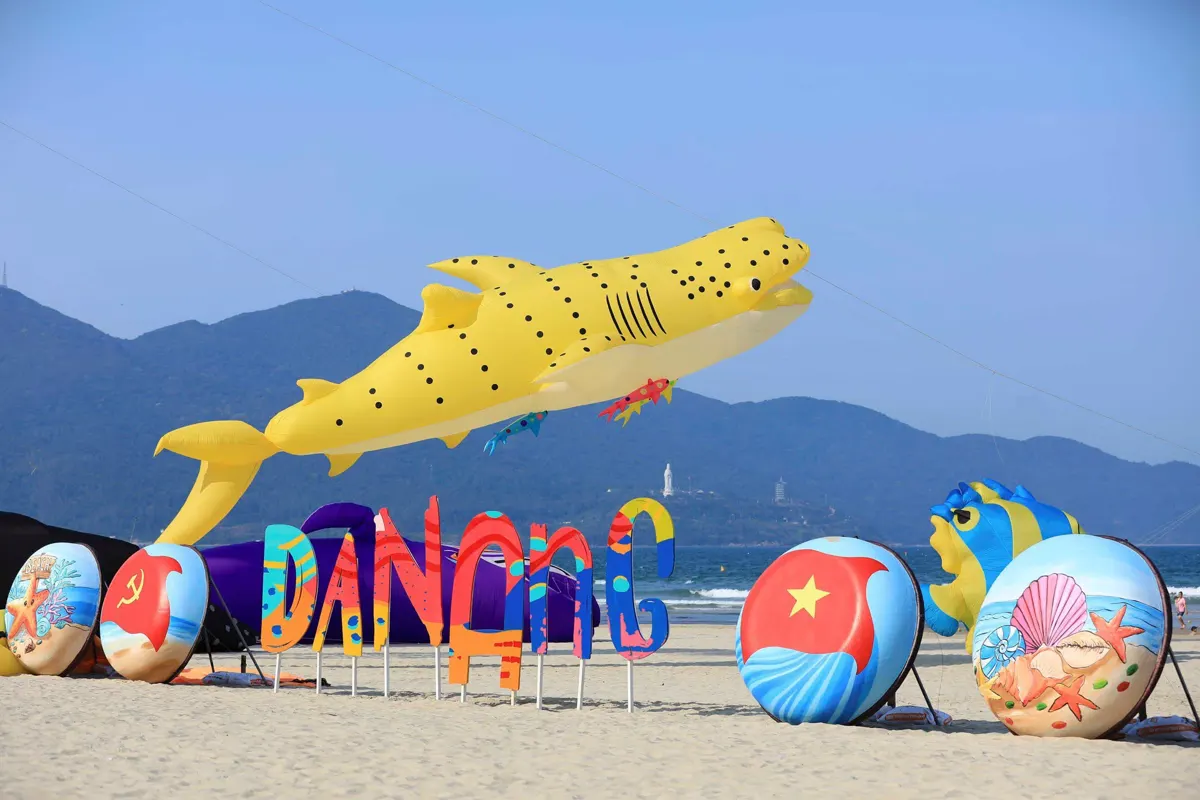
Da Nang, a prominent coastal city in Central Vietnam, presents a diverse array of culinary experiences for those exploring its shores. Beyond its scenic beaches and cultural sites, the city's food scene stands out, offering a range of traditional dishes that reflect local tastes and heritage. This guide highlights several essential dishes and provides details on where to sample them.
Understanding Da Nang's Culinary Identity
The food traditions of Da Nang are deeply rooted in Central Vietnamese cuisine, often characterized by a balance of spicy, sour, salty, and sweet elements. Many dishes feature fresh seafood, local herbs, and distinctive sauces, creating a unique profile that differentiates it from Northern or Southern Vietnamese cooking. While some specialties are shared with neighboring regions, Da Nang often adds its own twist, making its versions particularly memorable.
Visitors often find that the city's culinary offerings are best experienced at local eateries and street stalls, where recipes have been perfected over generations. These establishments typically focus on a few signature dishes, ensuring high quality and authentic preparation. Exploring these local spots is a key part of appreciating Da Nang's food culture.
Essential Dishes to Experience in Da Nang
When in Da Nang, several dishes are widely considered indispensable for a complete culinary exploration. These range from hearty noodle preparations to light snacks, each offering a distinct taste of the region.
Bun Mam Nem
Bun Mam Nem is a signature dish of Da Nang, renowned for its pungent and flavorful fermented fish sauce, known as 'mam nem.' This sauce is the defining element, providing a savory depth that is both challenging and rewarding for new palates. The dish typically combines vermicelli noodles with an assortment of ingredients, including crispy roasted pork, thin slices of steamed pork, fresh herbs, various vegetables, chili, and pickled components.
The combination of textures and flavors in Bun Mam Nem creates a complex and satisfying meal. It is a dish that truly embodies the local culinary spirit and is often cited as a must-try for those seeking an authentic taste of the city. Missing out on this specialty would mean overlooking a fundamental aspect of Da Nang's food identity.
Banh Kep (Vietnamese Grilled Cake)
Banh Kep, or Vietnamese grilled cake, is a popular street food, particularly favored by younger locals for its appealing aroma and ease of consumption. This snack is prepared by grilling a mixture of ingredients on charcoal, often including eggs, a savory paste, and beef jerky. The process imparts a smoky flavor and a slightly crispy texture.
The enticing smell of Banh Kep cooking on street corners is hard to ignore, drawing in crowds. Due to its popularity, some vendors may have queues, but the affordable price and satisfying taste make the wait worthwhile. It serves as an excellent example of Da Nang's accessible and delicious street food culture.
Cao Lau
While primarily associated with Hoi An Ancient Town, Cao Lau is also widely available and enjoyed in Da Nang. This noodle dish is distinctive from other Vietnamese noodle soups, with many noting its unique flavor profile that some connect to Japanese or Chinese culinary traditions, though its exact origins remain a subject of discussion. Despite its mysterious background, it has become a staple in the region.
Cao Lau is characterized by its special noodles, which are often described as thick and chewy. It is served with a minimal amount of rich broth, accompanied by fresh herbs, pork crackling, bean sprouts, lettuce, and tender barbecue pork. The combination results in a harmonious and flavorful experience that stands apart from typical Vietnamese noodle dishes.
Banh Beo
Banh Beo is a delicate steamed rice cake, a celebrated delicacy across Central Vietnam, with Da Nang offering its own unique rendition. These small, saucer-shaped cakes are made from rice flour, providing a soft and slightly chewy base. They are traditionally topped with a colorful and savory mixture of finely minced shrimp and pork, often seasoned to perfection.
This dish is not typically found in upscale dining establishments but is a common and beloved street food, available at numerous corners throughout the city. Its simple yet profound flavors make it a favorite for a light meal or snack, providing a genuine taste of local life. For a deeper exploration of Vietnamese cities, including Da Nang, consider exploring Vietnam's cities.
Mi Quang
Mi Quang is another noodle specialty from Central Vietnam, easily recognizable by its limited broth, a distinguishing feature compared to other Vietnamese noodle soups. This traditional recipe is celebrated for its complex blend of tastes, combining various ingredients into a harmonious meal. The noodles are typically broad and yellow, often made with turmeric.
A bowl of Mi Quang usually includes a selection of fresh local vegetables, green chili, a squeeze of lemon juice, and a crunchy rice pancake (banh da) served on the side. Fish sauce is also a common accompaniment, allowing diners to adjust the seasoning to their preference. The dish offers a rich and satisfying flavor profile.
Banh Trang Thit Heo (Steamed Pork Wrapped in Wet Rice Cake)
Banh Trang Thit Heo is a refreshing and popular dish that features boiled pork, thinly sliced, and served alongside 'Dai Loc wet cake' – a type of soft, moist rice paper. The meal is completed with an assortment of fresh herbs, crisp vegetables, cucumber slices, and unripe banana. The key to this dish's appeal is the 'mam nem' fermented fish sauce, which provides a savory and slightly spicy dipping accompaniment.
Diners assemble their own rolls by wrapping the pork, vegetables, and wet cake in additional dry rice paper before dipping them into the flavorful mam nem. This interactive dining experience allows for a personalized taste with every bite. To plan your overall journey, a comprehensive traveler's guide can be very helpful.
Bun Cha Ca (Noodle Soup with Fried Fish Paste)
Bun Cha Ca is a beloved noodle soup, frequently enjoyed by locals in Da Nang as a morning meal, reflecting a common cultural practice. The dish is visually appealing, with a colorful array of ingredients: the soft yellow of pumpkin, the green of scallions, the light brown of fried fish paste, and the white of kohlrabi. These components create a delightful presentation within the bowl.
The broth, a highlight of Bun Cha Ca, is known for its subtle sweetness, achieved by simmering fish bones. This gentle sweetness complements the savory fish paste and fresh vegetables, offering a comforting and flavorful start to the day. For those interested in a broader culinary adventure, a Vietnam culinary and cultural discovery tour can offer diverse food experiences.
Where to Find Da Nang's Local Specialties
To truly experience the authentic flavors of Da Nang, visiting local eateries is recommended. Below is a summary of establishments mentioned for their specific dishes. Please note that phone numbers and exact opening hours were not supplied in the source material, and it is advisable to verify current details upon arrival.
| Dish | Recommended Eateries | Address Details |
|---|---|---|
| Bun Mam Nem | Thuyen Vendor | Le Duan Street, Thanh Khe District |
| Ngoc Vendor | Doan Thi Diem Street, Hai Chau District | |
| Various stalls | Tran Ke Xuong Street, Hai Chau District | |
| Banh Kep | Banh Keo Hoa | Dong Giang Street, Son Tra District |
| Di Hoang Vendor | Dien Bien Phu Street, Thank Khe District | |
| Various stalls | Dao Duy Tu Street, near Con Market (for Banh Trang Nuong, a similar grilled rice paper) | |
| Cao Lau | Cao Lau Ly | Thai Thi Boi Street, Thanh Khe District |
| Hoi An Vendor | Yen Bai Street, Hai Chau District | |
| Nhung Vendor | Huynh Thuc Khang Street, Hai Chau District | |
| Banh Beo | Banh Beo Ba Be | Hoang Van Thu Street, Hai Chau District |
| Quan Van | Thanh Tinh Street, Lien Chieu District | |
| Various stalls | Nui Thanh Street, Hai Chau District | |
| Mi Quang | Mi Quang Ba Mua | Tran Binh Trong Street, Dong Da Street, and Le Hong Phong Street of Hai Chau District (multiple locations) |
| Mi Quang Nguoi Da Nang | 2 thang 9 Street, Hai Chau District | |
| Various stalls | Le Dinh Duong Street | |
| Banh Trang Thit Heo | Banh Trang Thit Heo Tran | Le Duan, Hai Phong and Duy Tan Street (multiple locations) |
| Dai Loc Vendor | Trung Nu Vuong Street, Hai Chau District | |
| Banh Trang Thit Heo Mau | Do Thuc Tinh Street, Cam Le District | |
| Various stalls | Hoang Dieu Street, Hai Chau District | |
| Bun Cha Ca | Various stalls | 109, Nguyen Chi Thanh Street, Hai Chau District |
| Bun Cha Ca Ba Phien | Le Hong Phong Street, Hai Chau District | |
| Bun Cha Ca Ba An | Le Hong Phong Street, Hai Au District |
Tips for Enjoying Da Nang's Food Scene
To make the most of your culinary exploration in Da Nang, consider a few practical suggestions. Street food vendors and local restaurants often operate with specific peak hours, typically around lunch and dinner, and some dishes like Bun Cha Ca are traditionally morning meals. Arriving outside these times might mean fewer crowds or, conversely, limited availability.
Don't hesitate to try new flavors, even if some ingredients, like fermented fish sauce, seem unfamiliar. Many local dishes offer a balance of tastes that can be surprisingly appealing. Additionally, carrying small denominations of local currency (Vietnamese Dong) is often helpful for street food purchases, as many smaller vendors may not accept card payments. For those interested in a comprehensive journey through Vietnam's diverse regions, a Southern to Northern Vietnam tour often includes stops in Da Nang.
Frequently Asked Questions
What is the most famous local dish in Da Nang?
Bun Mam Nem is widely considered a signature local dish in Da Nang, known for its distinctive fermented fish sauce and a mix of pork, vermicelli, and fresh vegetables.
Is Da Nang street food safe to eat?
Most visitors find Da Nang's street food to be safe and delicious. It is generally recommended to choose vendors that appear busy and have a high turnover of food, indicating freshness.
Are vegetarian options available in Da Nang?
While many traditional dishes feature meat or seafood, vegetarian options can be found, especially at specialized chay (vegetarian) restaurants. It's helpful to learn a few basic Vietnamese phrases to communicate dietary needs.
What is the typical price range for a meal in Da Nang?
Da Nang offers very affordable dining, particularly at local eateries and street stalls. A single dish can often cost between 20,000 to 50,000 Vietnamese Dong (approximately $1-$2 USD), making it an economical city for food lovers.
