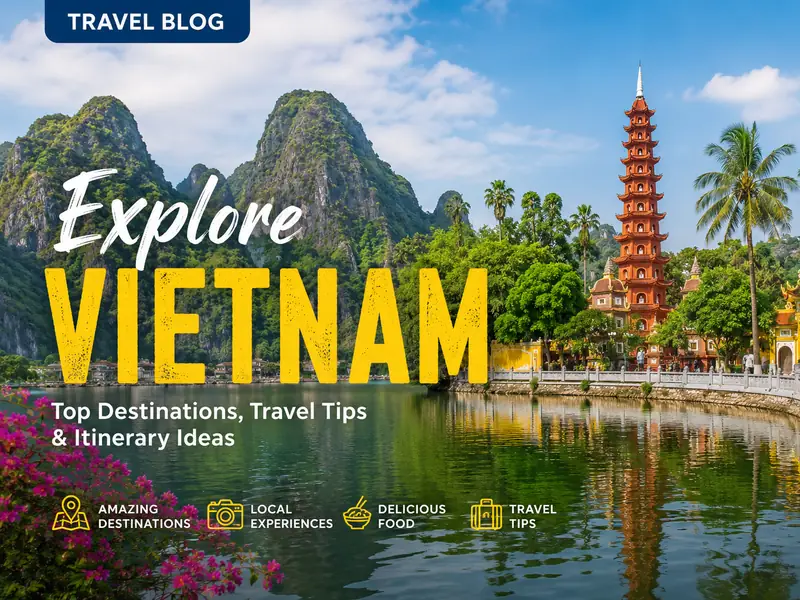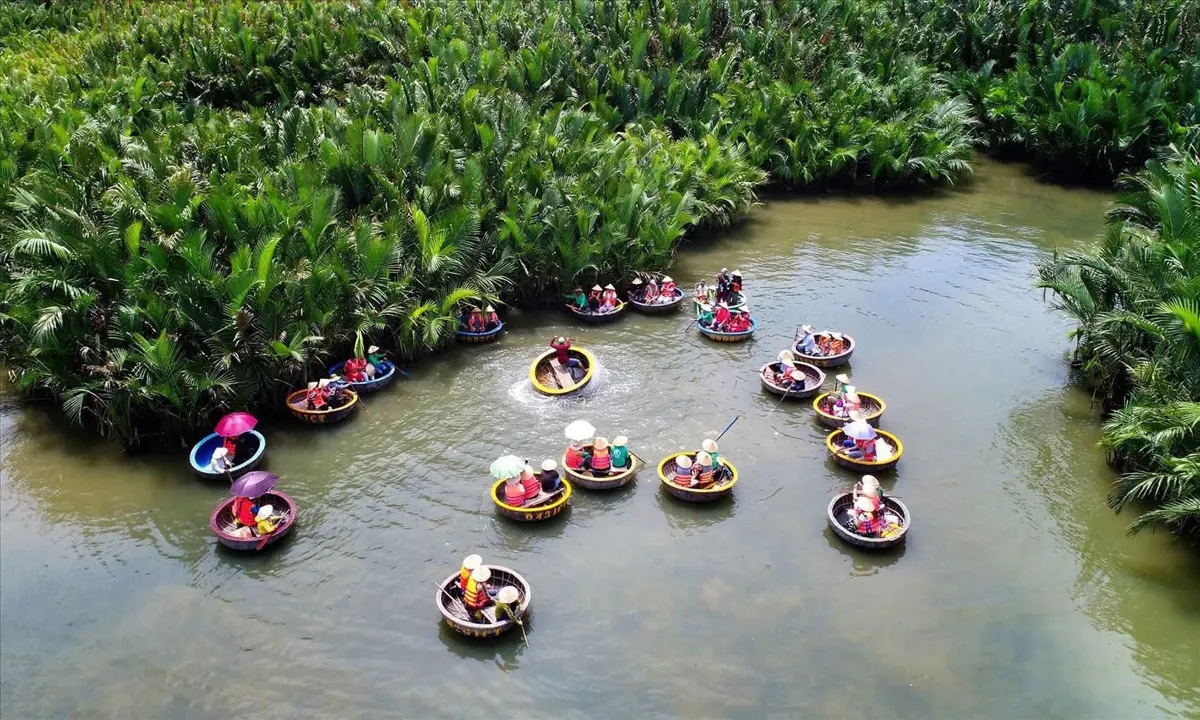
Vietnam presents a compelling destination for travelers seeking diverse experiences, from dramatic natural formations to profound cultural encounters. Before you even depart the airport, the country's inherent hospitality often becomes apparent, with locals frequently extending small gestures of welcome. This genuine warmth, combined with an ever-changing landscape and a rich history, creates a lasting impression that encourages many to return.
The nation's distinctive S-shape geography ensures a remarkable variety of environments within relatively short distances. Imagine enjoying breakfast amidst the limestone formations of Ninh Bình, trekking through terraced rice fields in Sapa by the following afternoon, and then relaxing on a Da Nang beach the day after. Vietnam's extensive geography includes over 3,000 kilometers of coastline, numerous islands, northern mountain ranges, the intricate waterways of the Mekong Delta in the south, and cooler highland interiors. Each area often features its own dialect, culinary traditions, and distinct ethnic communities, such as the Tày, Thái, Mường, and H’Mông, who continue to practice traditional farming methods in mountain villages.
Exploring Vietnam's World Heritage Sites
Vietnam is home to nine UNESCO World Heritage Sites, placing it second in Southeast Asia for the number of such designations. Travelers who might have heard of eight sites should note that this number was updated in July 2025 with the inclusion of the Yen Tu–Vinh Nghiem–Con Son, Kiep Bac complex in the northern region. This expansive area encompasses pagodas and mountain scenery, significant to Vietnam's indigenous Truc Lam school of Zen Buddhism.
The other eight sites, which frequently draw international visitors, include:
- Ha Long Bay–Cát Bà Archipelago: A seascape of emerald waters dotted with approximately 1,600 limestone islands.
- Hoi An Ancient Town: A former trading port illuminated by lanterns, particularly atmospheric during the evening.
- Complex of Hue Monuments: The historical seat of Vietnam's imperial capital.
- My Son Sanctuary: Ancient Hindu temple ruins constructed by the Champa civilization.
- Phong Nha–Ke Bang National Park: Recognized for containing some of the world's largest cave systems.
- Trang An Landscape Complex: Often referred to as the "Ha Long Bay on land," situated near Ninh Bình.
- Imperial Citadel of Thang Long: A site preserving a thousand years of Hanoi's historical layers.
- Citadel of the Ho Dynasty: A less frequented, substantial stone fortress.
Many itineraries for a two-week visit are designed around connecting these historically and naturally significant locations, allowing travelers to experience a broad spectrum of the country's heritage.
A Journey Through Vietnamese Cuisine
Vietnamese food is characterized by its emphasis on fresh ingredients, delicate preparation, and bold flavors, with a philosophy of minimal waste. Produce is typically sourced locally, from fresh catches off fishing boats to herbs and vegetables from nearby gardens, ensuring even street food vendors use ingredients purchased that very morning. The affordability of dining here is a significant factor in how far a travel budget can extend.
Specific dishes worth seeking out include:
- Phở: The well-known beef or chicken noodle soup, often best enjoyed from specialized vendors.
- Bánh mì: A baguette sandwich, a unique evolution of French colonial bread.
- Bún chả: Grilled pork served with noodles, a culinary specialty of Hanoi.
- Cao lầu and mì Quảng: Distinct noodle preparations primarily found and perfected around Hoi An and Da Nang.
- Cà phê sữa đá: Iced coffee with condensed milk, known for its potent flavor.
It is common for a bowl of phở from a street vendor to cost only a few dollars, demonstrating how easily one can dine exceptionally well without spending much.
Exploring Vietnam's Distinct Regions
Considering Vietnam in three distinct geographical sections—North, Central, and South—can enhance a traveler's understanding, as each area offers a unique atmosphere and set of attractions. For a comprehensive experience, consider a 14-day grand tour of Vietnam that spans these diverse regions.
The North: Cultural Roots and Dramatic Landscapes
The northern part of Vietnam is defined by its misty limestone karsts, terraced hillsides, and deep cultural heritage. Hanoi serves as its anchor city, presenting an older, more tranquil atmosphere than Ho Chi Minh City, with an Old Quarter that invites hours of exploration. From Hanoi, access is convenient to the karst islands of Ha Long–Cát Bà, the inland formations of Ninh Bình, and the elevated mountain regions of Sapa and Hà Giang, where ethnic minority communities continue to maintain traditional markets. Travelers interested in exploring these highland areas might find value in resources on Vietnam trekking.
The Central Region: Heritage Corridor
Central Vietnam functions as a corridor of historical and cultural significance. Within a single stretch, visitors can experience the imperial city of Hue, the lantern-adorned ancient port of Hoi An, the contemporary coastal city of Da Nang, and the immense cave systems of Phong Nha–Ke Bang. This region offers a high concentration of varied attractions within relatively short distances, making it an excellent choice for those with limited time.
The South: Modern Energy and Riverine Life
Southern Vietnam operates at a different pace. Ho Chi Minh City is a dynamic, energetic metropolis, serving as the country's commercial hub. Just outside the city, the Mekong Delta slows life to the rhythm of the river, featuring floating markets and opportunities for homestays amidst fruit orchards. The islands of Phu Quoc and Con Dao, off the coast, provide options for beach relaxation with some of Vietnam's clearest waters. To experience the unique commerce of the Mekong Delta, a detailed guide to visiting Cai Rang floating market can be very helpful.
| Region | Key Cities/Areas | Typical Landscapes | Main Attractions |
|---|---|---|---|
| North | Hanoi, Sapa, Ha Giang, Ninh Binh, Ha Long Bay | Limestone karsts, terraced mountains, Red River Delta | Imperial Citadel of Thang Long, Ha Long Bay, Trang An, Sapa rice terraces, Hà Giang Loop |
| Central | Hue, Hoi An, Da Nang, Phong Nha-Ke Bang | Ancient towns, imperial architecture, beaches, massive caves | Complex of Hue Monuments, Hoi An Ancient Town, Phong Nha-Ke Bang National Park, My Son Sanctuary |
| South | Ho Chi Minh City, Mekong Delta, Phu Quoc, Con Dao | Modern metropolis, riverine delta, tropical islands | Ho Chi Minh City museums, Cai Rang Floating Market, Phu Quoc beaches |
Affordability and Memorable Experiences
Foreign currencies generally provide significant purchasing power in Vietnam. The combination of low daily expenses and a favorable exchange rate means that a moderate budget can often afford experiences that would be considered luxurious elsewhere in Asia. This financial accessibility allows travelers greater flexibility, enabling longer stays, participation in activities like cooking classes or boat tours, and generally saying 'yes' more often to opportunities. This often translates into a deeper engagement with the country, moving beyond mere sightseeing to truly experiencing local life.
While famous landmarks are certainly part of the appeal, many visitors recall more personal, smaller moments as the highlights of their trips:
- Staying with a Tày or H’Mông family in a northern homestay, sharing meals, learning about rice cultivation, and waking to the morning mist in the valleys.
- Participating in a cooking class in Hoi An that begins with a visit to a morning market, where one learns to select ingredients and then recreate local dishes.
- Visiting the Cai Rang floating market at dawn in the Mekong Delta, observing working boats trading produce before the arrival of larger tourist groups.
- Exploring caves in Phong Nha, ranging from accessible day trips into Paradise Cave to multi-day expeditions into Hang En, one of the world's largest caves.
- Enjoying an egg coffee on a small plastic stool on a Hanoi sidewalk, observing the rhythm of the city. Vietnam is a major coffee producer, and its café culture is a significant attraction in itself.
These types of experiences align well with the concept of traveling like a local and are often among the most economical aspects of a visit.
Practical Travel Advice for Vietnam
Entering Vietnam has become increasingly streamlined. Most international travelers can apply online for a 90-day e-visa, which offers both single and multiple-entry options. Additionally, citizens from over two dozen countries, including the UK, many EU nations, Japan, and South Korea, can enter without a visa for up to 45 days. Phu Quoc island permits 30 days of visa-free entry for those flying directly to the island. It is crucial to apply for visas exclusively through the official government portal and well in advance of travel.
Once in Vietnam, cash remains the preferred payment method at street stalls and local markets, while cards and mobile payment applications are widely accepted in urban centers. Getting around is both affordable and straightforward, with domestic flights connecting different regions, the Reunification Express railway offering a scenic coastal journey, and ride-hailing applications available in all major cities. A local SIM card or eSIM, costing only a few dollars, ensures continuous connectivity throughout the trip. For more specific advice on staying connected, consult a Vietnam SIM card guide.
Vietnamese culture is rich with festivals and celebrations. Tết, the Lunar New Year, is the most significant holiday, when the entire country typically slows down as people return to their hometowns. Other events include Reunification Day, lantern festivals, harvest celebrations, and temple days. Regardless of when you visit, there is a good chance you will encounter a local festivity. Inquire with locals about current events; it is rare for nothing to be happening.
Responsible travel practices are naturally integrated into many of Vietnam's best experiences, which are closely linked to its communities and natural environments. Simple choices can make a difference: opting for family-run homestays over large hotel chains, dining at establishments favored by locals, selecting smaller-group operators for cave and bay excursions, and reducing single-use plastics by refilling water bottles. In northern villages and on islands, showing respect—such as asking permission before photographing individuals and dressing modestly at religious sites—is highly valued and often leads to a warmer reception and more authentic interactions.
Planning Your Vietnam Trip
For a comprehensive trip, a 10 to 14-day itinerary is generally recommended to cover the classic north-to-south route. A common two-week plan might look like this:
- Days 1–4: The North – Begin in Hanoi, then spend a couple of nights exploring Ha Long–Cát Bà or Ninh Bình.
- Days 5–6: The Mountains (Optional) – If time permits and you desire highland experiences, visit Sapa or undertake the Hà Giang Loop.
- Days 7–10: The Centre – Fly to Da Nang, then divide your time between Hue, Hoi An, and coastal relaxation.
- Days 11–14: The South – Fly to Ho Chi Minh City, dedicate a day or two to the Mekong Delta, and conclude your journey on a beach in Phu Quoc.
If your travel window is limited to approximately one week, it is advisable to concentrate on one or two regions rather than attempting to traverse the entire country. Vietnam tends to reward unhurried exploration over overly ambitious, packed schedules. For guidance on when to plan your visit, a seasonal travel guide can offer valuable insights.
Frequently Asked Questions
How many days are recommended for a trip to Vietnam?
A duration of ten to fourteen days allows travelers to experience the classic north-to-south itinerary, encompassing Hanoi and the northern regions, the central coast around Hue and Hoi An, and the southern areas including Ho Chi Minh City and the Mekong Delta. For shorter trips, focusing on one or two specific regions for a week is a more rewarding approach than rushing through the entire country.
Is Vietnam an expensive travel destination?
No, Vietnam is considered one of Asia's more affordable travel destinations. Street food, local transportation, and guesthouses are generally inexpensive. Even comfortable mid-range travel typically costs considerably less than comparable experiences in many other parts of the region.
What are Vietnam's most recognized features?
Vietnam is widely known for its exceptional cuisine, its UNESCO-recognized landscapes such as Ha Long Bay and Hoi An, its distinctive coffee culture, and the hospitality of its people. The country currently boasts nine UNESCO World Heritage Sites, the second-highest number in Southeast Asia.
When is the optimal period to visit Vietnam?
The best time to visit Vietnam varies by region due to the country's diverse climate zones. Generally, spring (March–April) and autumn (September–November) offer the most consistent and pleasant weather conditions across the majority of the country.