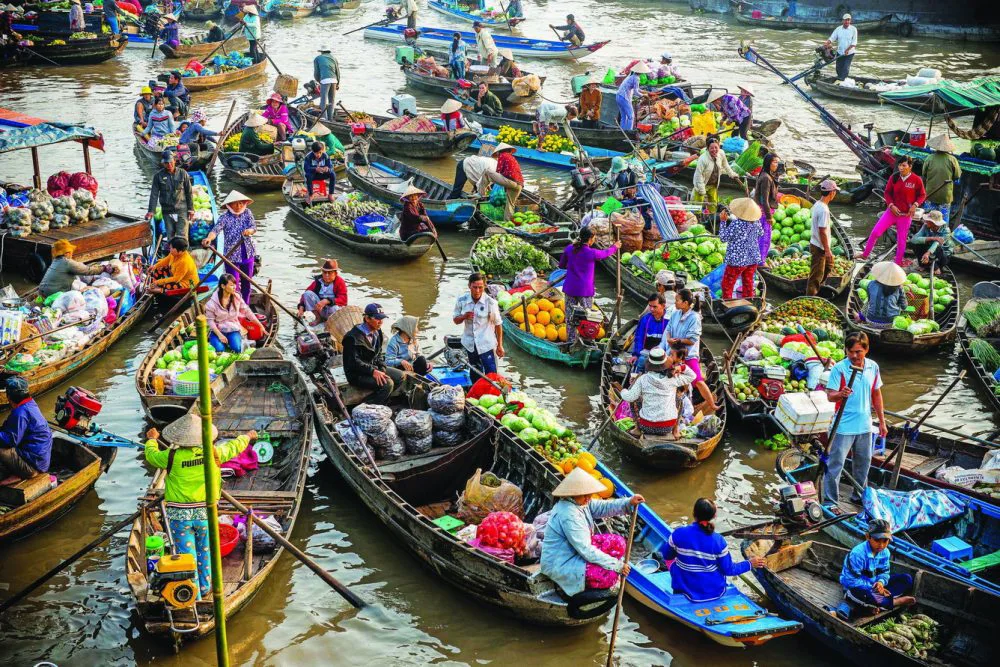

Hanoi presents a wealth of purchasing opportunities, with items ranging from handcrafted goods found within the historic Old Quarter to local food specialties available in long-established family businesses. For many travelers, acquiring souvenirs in this capital city extends beyond mere shopping; it becomes an exploration into Hanoi's cultural identity and daily rhythms.
Certain items, such as silk textiles, lotus-infused tea, and Bat Trang ceramics, have been associated with the city for generations and continue to be popular choices among visitors. When selecting mementos, it is generally advised to prioritize products that are locally produced, convenient for transport, and hold sufficient significance to evoke memories of the trip long after returning home. This guide outlines popular items to consider acquiring in Hanoi and suggests locations for finding these genuine local products.
Exploring Hanoi's Unique Souvenirs
Hanoi's retail landscape provides numerous options for travelers seeking authentic mementos. From custom clothing to traditional artworks and local delicacies, there is a wide selection of items that capture the essence of Vietnamese heritage.
Custom Tailored Apparel
Many visitors to Hanoi find themselves unexpectedly delighted by the experience of having a custom-tailored garment created. The Old Quarter hosts numerous tailor shops specializing in made-to-measure shirts, vests, and suits, offering a broad selection of materials and designs. The appeal of Hanoi's tailoring services lies in the combination of expert craftsmanship, efficient production times, and pricing that is often more economical than in many other countries.
Most tailors will take precise body measurements, allow for the personalization of minor details, and schedule at least one fitting to ensure the garment fits correctly. For those spending several days in Hanoi, commissioning a tailored vest or suit can be a practical keepsake that will see continued use after the trip. To achieve the best results, it is advisable to select reputable tailor establishments with transparent fabric options and sufficient time for any necessary adjustments before departing Hanoi.
Vietnamese Lacquerware
Vietnamese lacquerware is a prominent item in Hanoi's specialty shops and art galleries. Shoppers can find a variety of objects, including jewelry boxes, serving trays, decorative bowls, paintings, and small home decor pieces, all featuring beautifully polished lacquer finishes. Many lacquer items are crafted by hand, with layers of paint applied meticulously, which often gives authentic pieces a distinct quality compared to mass-produced alternatives.
Smaller lacquerware items are particularly favored by travelers due to their elegant appearance, light weight, and ease of packing. For superior quality and more original designs, exploring local artisan shops around the Old Quarter is recommended over purchasing from highly commercialized market stalls.
Traditional Ao Dai
When considering the purchase of a traditional Ao Dai in Hanoi, two primary options exist: buying a ready-made garment or opting for a custom-tailored version. Ready-made Ao Dai offer speed and convenience, especially for those with limited time, though the fit may sometimes feel less personalized. Conversely, a tailored Ao Dai provides a superior outcome, as it is adjusted to individual body measurements and style preferences.
Many travelers prefer the tailored approach, allowing them to select their preferred fabric, color, and even minor design elements. The tailoring process in Hanoi is typically efficient, with most artisans capable of completing a basic Ao Dai within a few days. If time permits during your visit, a custom-tailored Ao Dai is often considered a more personal and meaningful souvenir.
Authentic Vietnamese Silk
In Hanoi, Van Phuc village holds a notable reputation for its silk production. Products from this village are created using natural fibers by skilled craftspeople, resulting in high-quality items with an appealing aesthetic. Historically, these silk goods were referenced in literature as a symbol of the capital and were not only reserved for the elite but also became export commodities for demanding markets.
Consequently, when considering a souvenir from Hanoi, Vietnamese silk products, particularly scarves, are frequently chosen. While various retail locations offer these items, verifying their origin is important. It is advisable to focus on authenticity, as industrially produced silk is widely available but lacks the traditional value and craftsmanship. Careful selection ensures the purchase of genuine Vietnamese silk products from reputable shops in Hanoi.
Hand-Embroidered Art
As a city with a millennium of history, Hanoi served as the seat of various feudal dynasties. During these periods, hand-embroidery was an essential craft for royalty and symbolized social status. This traditional art form continues to convey a strong sense of heritage, evident in the intricate details of the work.
To meet historical demands, many villages in Hanoi specialized in this craft. These traditional villages are well-preserved and maintain refined embroidery techniques. Many are concentrated in the Thuong Tin district, offering visitors the opportunity to observe and acquire hand-embroidered pieces crafted with precision and creativity. Embroidered pictures are especially popular, particularly among travelers seeking a meaningful item to take home.
Fragrant Lotus Tea
Hanoi features a distinctive method for preparing and enjoying tea, known as Lotus tea. This involves infusing standard green tea with the aroma of lotus flowers, creating a truly unique and aromatic souvenir from the city. The lotus is Vietnam's national flower, deeply cherished and integrated into various aspects of daily life, with lotus tea being one such example. In Hanoi, these flowers are primarily cultivated around the Ho Tay (West Lake) area. The natural conditions there contribute to the tea's appealing fragrance, making it ideal for infusion.
Hanoi's lotus tea originates from the Ho Tay lake region, where traditional villages continue this practice and are considered prime locations for exceptional lotus tea. The classic method of infusing lotus tea is costly. Therefore, artisans often use a lotus flower to infuse a specific quantity of tea, with a single flower typically priced between 50,000 and 100,000 VND (approximately 2 to 4 US dollars). While this method yields a less intense infusion than the traditional process, it still produces a more flavorful green tea.
Sweetened Fruits (O Mai)
The exact origins of sweetened fruits in Hanoi are uncertain, but this specialty is a cherished part of the local culinary tradition. It is a local snack that visitors often purchase in greater quantities than initially planned, making it suitable for both gifting and personal enjoyment. Residents of Hanoi consume sweetened fruits regularly, not just during the Tet holiday, but also daily with tea, during conversations, or when entertaining guests.
A variety of fresh fruits are used to create these treats, with common examples including dracontomelon, apricots, and plums. Hanoi offers numerous types of sweetened fruits and hundreds of vendors, but most tourists prefer to buy from long-standing establishments that use traditional production methods. The quality and taste can differ significantly by vendor, so choosing a trusted shop is important. Hang Duong Street in the Old Quarter is a notable area dedicated to sweetened fruits, where delicious options are readily available.
Traditional Ceramics
Similar to embroidery, ceramics, particularly refined and high-quality pieces, held significance within feudal dynasties and social hierarchies during periods when Hanoi served as the imperial capital. The city's inhabitants produced essential goods for the royal court, leading to the establishment of many traditional ceramic villages, some of which remain active today. The renown of Hanoi's ceramics led to the creation of the Hanoi Ceramic Mosaic Mural along the Red River, commemorating the city's millennium anniversary.
Purchasing ceramics in Hanoi is particularly meaningful when selecting traditional pieces. It is generally advisable to avoid mass-produced items in favor of authentic products that genuinely connect to Hanoi's cultural heritage. Bat Trang village is specifically recognized for producing exceptional ceramic goods that are distinct from those found elsewhere.
Eco-Friendly Bamboo Products
As a cultural hub in Northern Vietnam for over a thousand years, Hanoi is home to many well-preserved traditional villages, including those specializing in bamboo crafts. Bamboo items play a significant role in Vietnamese daily life. The country's abundant bamboo resources provide material for tools, furniture, and various household goods. In contemporary times, bamboo is also utilized for decorative purposes, driving substantial demand for these products.
Many travelers are drawn to bamboo souvenirs because they are lightweight, environmentally friendly, and easy to pack. Therefore, a visit to Hanoi presents an opportunity to acquire traditional bamboo products, with those originating from Phu Vinh village being particularly recommended.
Iconic Headwear: Conical Hats and Pith Helmets
The Conical Hat (Non La) and the Pith Helmet (Mu Coi) are classic cultural symbols frequently observed throughout Northern Vietnam. From the busy streets of Hanoi to rural rice paddies, these hats have long been integral to Vietnamese daily life due to their practical utility in the tropical climate. International visitors often purchase them not only as souvenirs but also as stylish accessories for photographs and excursions.
The Non La is generally more popular for its elegant form and light construction, while the Mu Coi offers a more rustic and vintage aesthetic. It is advisable to carefully inspect the materials and stitching, as handmade versions tend to be more durable and visually appealing than less expensive, mass-produced alternatives. These hats are widely available in local markets, souvenir shops, and traditional craft stores across Hanoi at reasonable prices.
Vietnamese Coffee
Vietnam is globally recognized for its coffee, which has become one of the country's most iconic products, appreciated by travelers worldwide. Favorable natural conditions, including climate and soil, contribute to Vietnamese coffee's strong, rich, and intense flavor, making it a recommended experience for coffee enthusiasts visiting the region. Visitors often express surprise at its bold and distinct taste compared to what they typically consume at home.
Although Vietnamese coffee beans are not cultivated in Hanoi, the city is an excellent place to purchase coffee as a gift for friends and family. Travelers frequently acquire coffee packs or traditional filter sets in Hanoi, finding them to be convenient yet meaningful presents. It is also a practical souvenir, being lightweight, easy to transport, and generally enjoyed by many.
Artistic Paper Creations
Hanoi offers a variety of paper products, including artistic paper lamps that combine light with Kirigami-style imagery. These items are notable for their blend of creativity, craftsmanship, and a contemporary artistic sensibility inspired by traditional designs.
Many travelers are attracted to these paper lamps because they serve both decorative and practical purposes, being lightweight and easy to transport. When illuminated, they cast a warm, artistic glow that distinguishes them from typical souvenirs. For those seeking something unique beyond culinary items or traditional crafts, these paper creations represent a memorable purchase in Hanoi.
Dong Ho Folk Paintings
For those with an appreciation for art, Dong Ho Painting products are a notable consideration during a visit to Hanoi. These artworks are more than mere souvenirs; they carry profound cultural significance and often depict scenes of traditional Vietnamese life. They serve not only as a memento of a trip but also as a distinctive decorative element for a home.
Travelers value how Dong Ho paintings convey a simple, nostalgic charm that reflects rural existence in Northern Vietnam. This art form illustrates the traditional culture and peaceful daily routines of the Vietnamese people in the North. These products are readily available in Hanoi, particularly in Old Quarter shops and traditional art galleries.
Recommended Places to Shop for Souvenirs in Hanoi
Hanoi offers a diverse array of retail establishments, from traditional markets to specialized craft villages. The following table provides details for specific shops mentioned for various souvenir categories.
| Shop Name | Address | Category |
|---|---|---|
| Cazo Tailor | 23 Ly Quoc Su Street, Hoan Kiem | Custom Tailored Apparel |
| Duc Nhan Tailor | 32 Hang Street, Hoan Kiem | Custom Tailored Apparel |
| NGO MINH TAILOR | 8 Trang Tien Street, Hoan Kiem | Custom Tailored Apparel |
| Carlo Pham | 9 Hang Manh Street, Hoan Kiem | Custom Tailored Apparel |
| Duc Nhat Tailor | 48 Lo Su Street, Hoan Kiem | Custom Tailored Apparel |
| Hanoia House | 38 Hang Dao Street, Hoan Kiem | Vietnamese Lacquerware |
| Song Thu - Vietnamese souvenir store | 27 Ly Quoc Su Street, Hoan Kiem | Vietnamese Lacquerware |
| Craft Viet | 41 Luong Van Can Street, Hoan Kiem | Vietnamese Lacquerware |
| Ao Dai Ha Cuc | 11 Luong Van Can Street, Hoan Kiem | Traditional Ao Dai |
| Ao Dai Tulip | 17C Hang Da Street, Hoan Kiem | Traditional Ao Dai |
| Thai Tuan Fashion | 72-74 Pho Hue Street, Hai Ba Trung, Hanoi | Traditional Ao Dai |
| Xeo Xo | 6 Nam Ngu Street, Cua Nam, Hanoi | Traditional Ao Dai |
| Phuong Linh Silk | 17 Lua Street, Van Phuc Village, Ha Dong | Vietnamese Silk Products |
| Dong Huong Silk | 16 Lua Street, Van Phuc Village, Ha Dong | Vietnamese Silk Products |
| Tan My Embroidery | 16 Hang Trong Street, Hoan Kiem | Hand-Embroidered Art |
| Tiem Sen hand embroidery | 15A Bat Dan Street, Hoan Kiem | Hand-Embroidered Art |
| Stitchery Zone - Handmade Gifts | 8 Cau Go Street, Hoan Kiem | Hand-Embroidered Art |
| Tu Thi Hand Embroidery | 78 Hang Gai Street, Hoan Kiem | Hand-Embroidered Art |
| An Gia Tra Tay Ho | 10b/11/236 Au Co Street, Hong Ha | Lotus Tea |
| Co Tra | 19 Hang Dau Street, Hoan Kiem | Lotus Tea |
| Tay An Tra | 19 Quang Khanh, Tay Ho | Lotus Tea |
| O Mai Gia Loi | 8 Hang Duong Street, Hoan Kiem | Sweetened Fruits (O Mai) |
| O Mai Hong Lam | 11 Hang Duong Street, Hoan Kiem | Sweetened Fruits (O Mai) |
| O Mai Toan Thinh | 15 Hang Duong Street, Hoan Kiem | Sweetened Fruits (O Mai) |
| Lam Gom | Thon 1 Lang Co, Bat Trang | Traditional Ceramics |
| Ha Gom - Lo Gom Nghe Nhan Bat Trang | 127 Giang Cao Street, Bat Trang | Traditional Ceramics |
| Thanh Thuy Trang Pottery Bowls | 19 Giang Cao Street, Bat Trang | Traditional Ceramics |
| Bat Trang Pottery Market | Cho Gom Street, Bat Trang | Traditional Ceramics |
| Vietnam Handicraft | 47 Hang Gai Street, Hoan Kiem | Bamboo Products |
| Red Lotus | 79 Ma May Street, Hoan Kiem | Bamboo Products |
| Hao’s store - Local handmade | 34 Dinh Liet, Hoan Kiem | Bamboo Products |
| Non-Stop Local Souvenir Shop | 52 Gia Ngu Street, Hoan Kiem | Conical Hats & Pith Helmets |
| Hao’s store - Local handmade | 34 Dinh Liet Street, Hoan Kiem | Conical Hats & Pith Helmets |
| ATE HA'S Souvenir Store | 2 Hang Bac Street, Hoan Kiem | Conical Hats & Pith Helmets |
| Souvenir Miss Hanoi | 34 Hang Duong Street, Hoan Kiem | Conical Hats & Pith Helmets |
| Anan Coffee | 22 Ly Quoc Su, Hoan Kiem | Vietnamese Coffee |
| MET Store - Vietnamese Coffee, Tea, Gifts & Local Specialties | 10 Hang Hom Street, Hoan Kiem | Vietnamese Coffee |
| Lam Coffee & Tea | 74 Hang Gai Street, Hoan Kiem | Vietnamese Coffee |
| Coffee Vietnam | 105 Hang Buom, Hoan Kiem | Vietnamese Coffee |
| Thai Hung Stationery | 19 Hang Ma Street, Hoan Kiem | Artistic Paper Creations |
| SonSon Enterprise Souvenirs | 52 Hang Hom Street, Hoan Kiem | Artistic Paper Creations |
| Paintings East Lake | 174 Doi Can Street, Ngoc Ha | Dong Ho Folk Paintings |
| Tranh Dong Ho | 61 Ly Thai To Street, Hoan Kiem | Dong Ho Folk Paintings |
| Dong Ho | No. 2, Lane 174, Doi Can Street, Ba Dinh | Dong Ho Folk Paintings |
Major Shopping Areas and Markets in Hanoi
Hanoi provides a diverse array of shopping environments, including traditional markets, specialized boutiques, shopping streets, and local craft villages, positioning it as a prime destination in Vietnam for souvenir acquisition. For those planning where to shop in Hanoi, several key areas offer distinct products and atmospheres.
Hanoi Old Quarter
The Old Quarter is a prominent location for purchasing souvenirs in Hanoi, characterized by its lively ambiance and extensive selection of local goods. Streets such as Hang Gai, Hang Bong, and Hang Duong are lined with silk shops, handicraft stores, lacquerware outlets, Dong Ho painting vendors, and traditional snack sellers. It is advisable to dedicate several hours to simply exploring on foot, as many smaller, less conspicuous shops often feature more distinctive products than larger, tourist-oriented establishments.
- Hang Bac Street (Silver Street): This street is recognized for silver jewelry, handmade accessories, and small decorative gifts. It is recommended to take time comparing designs and quality, as the street features both traditional family-operated businesses and contemporary jewelry boutiques.
- Hang Dau Street: Known among both locals and visitors for fashion items, particularly shoes and bags. Along this street, numerous small boutiques and local stores offer a wide range of styles at competitive prices.
- Hang Dao Street: One of Hanoi's busiest shopping thoroughfares and a favored stop for tourists exploring the Old Quarter. This street is noted for clothing, fabrics, souvenirs, and seasonal market stalls, especially during weekend evenings when the Night Market operates.
Dong Xuan Market
Dong Xuan Market stands as one of Hanoi's oldest and most active markets, popular for affordable souvenirs and local merchandise. Here, shoppers can find a variety of items, from bamboo products and conical hats to dried foods and Vietnamese coffee. Bargaining is a common practice, so engaging in polite negotiation for better prices is expected.
Bat Trang Ceramic Village
For those seeking genuine ceramic products, a visit to Bat Trang village is highly recommended. Beyond shopping, many visitors enjoy observing local artisans at work or participating in pottery-making activities themselves. The quality and designs available here typically surpass those found in many general souvenir shops within the city center.
Van Phuc Silk Village
Van Phuc village is a renowned traditional silk-producing village situated near Hanoi. It serves as an excellent place to purchase silk scarves, Ao Dai fabric, and handmade textile products directly from local producers. Shopping here often feels more authentic compared to tourist markets and provides greater insight into traditional Vietnamese silk craftsmanship.
Hanoi Night Market
The Hanoi Night Market is recognized as a prime location for economical shopping and experiencing a local street atmosphere. Situated within the Old Quarter, the market attracts visitors with its selection of souvenirs, clothing, accessories, handicrafts, and street food. It offers an engaging evening activity, particularly for those who appreciate lively local markets and seeking good value.
Modern Shopping Centers
For individuals who prefer contemporary retail environments, Vincom Center and Trang Tien Plaza present suitable options. These malls feature a combination of international and Vietnamese brands, cosmetics, and lifestyle products.
Hom Market
Hom Market is a local shopping destination in Hanoi celebrated for its fabrics and tailoring materials. Unlike the more tourist-focused areas of the Old Quarter, this market provides visitors with a glimpse into where many local residents acquire textiles, clothing supplies, and household items. It is an excellent place to explore if you intend to have custom clothing made in Hanoi, given the impressive variety of fabrics available.
Practical Tips for Shopping in Hanoi
Shopping in Hanoi can be an enjoyable aspect of a trip, with the city offering a mix of traditional markets, local boutiques, craft villages, and modern retail centers. A small amount of preparation can help ensure a more confident shopping experience and help avoid common tourist pitfalls.
- Compare Prices Before Buying: Prices can vary considerably between different shops, particularly in tourist-heavy areas around the Old Quarter. If an item catches your eye, it is often worthwhile to check a few nearby stores before making a final purchase. This practice is especially beneficial for items like silk products, handicrafts, and general souvenirs.
- Bargaining Is Common in Local Markets: In traditional markets such as Dong Xuan Market or street stalls throughout the Old Quarter, polite negotiation over prices is standard. There is no need for aggressive bargaining; a friendly and courteous approach typically yields the best results. Vendors are often willing to offer a better price, especially if multiple items are purchased.
- Check Quality Carefully: Some products sold in tourist areas may appear authentic but are, in fact, mass-produced. It is advisable to thoroughly inspect stitching, materials, and finishing details, particularly when acquiring silk, ceramics, bamboo crafts, or other handmade goods. Visiting traditional craft villages often provides access to higher quality and more genuine souvenirs.
- Bring Cash for Small Purchases: While many larger shops and shopping malls accept card payments, cash remains the preferred method in local markets and smaller establishments. Carrying smaller denominations of Vietnamese Dong also facilitates bargaining and transactions. For information on managing your finances, consider reading about banking services in Hanoi.
- Leave Extra Space in Your Luggage: Many travelers find themselves purchasing more items than anticipated in Hanoi, particularly food products, coffee, ceramics, and clothing. If extensive shopping is part of your plan, reserving some additional luggage capacity before your trip can prevent difficulties later. For a broader perspective on what to acquire, explore essential souvenirs and unique purchases from a trip to Vietnam.
- Be Careful With Fragile Items: Ceramics, lacquerware, and framed paintings are susceptible to damage during transit if not packed properly. Most reputable shops can assist with careful wrapping of delicate items, but it is still recommended to carry valuable or fragile souvenirs in hand luggage whenever feasible.
Frequently Asked Questions
What are popular items to purchase in Hanoi?
Some of the most sought-after items to buy in Hanoi include Vietnamese silk products, Bat Trang ceramics, hand-embroidered artwork, bamboo crafts, Vietnamese coffee, and traditional conical hats. Many visitors also enjoy acquiring local snacks, lacquerware, and custom-tailored clothing during their stay.
Where can I find authentic local products in Hanoi?
The Hanoi Old Quarter is a prime location for authentic local products, offering a wide array of shops and traditional streets. Dong Xuan Market, Bat Trang Ceramic Village, and Van Phuc Silk Village are also excellent destinations for more traditional and locally produced goods.
How much time should I allocate for shopping in Hanoi?
It is generally recommended to spend at least two to three days in Hanoi to comfortably explore its markets, shopping streets, and traditional craft villages. This timeframe is especially useful if you intend to have custom clothing tailored during your visit.
What items offer good value in Hanoi?
Items that typically offer good value are locally made products. Custom-tailored clothing, including suits, shirts, and dresses, is often very affordable compared to Western countries. Vietnamese coffee, tea, and everyday snacks also represent good value and are easy to transport. Handicrafts such as silk scarves, ceramics, bamboo items, and lacquerware are generally inexpensive yet maintain good quality.