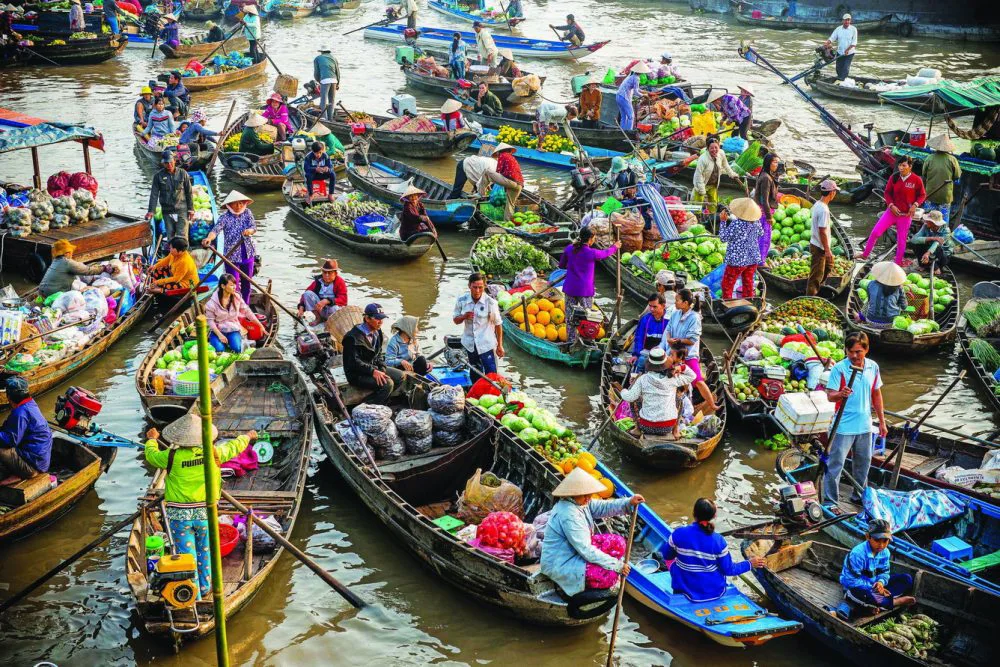

Hue, Vietnam's former imperial capital, offers a distinctive culinary landscape that reflects centuries of royal influence and local traditions. The city's food culture is often described as both an art form and a celebration of life's pleasures. For visitors seeking to truly understand Hue, exploring its unique street food scene provides an authentic pathway into the local way of life.
The Distinctive Flavors of Hue Cuisine
Hue's gastronomic identity is deeply rooted in its history as the seat of the Nguyen Dynasty. This heritage has shaped a cuisine known for its refined presentation, balanced flavors, and a wide array of dishes that incorporate ingredients from the surrounding fields, lagoons, mountains, and rivers. Unlike some other Vietnamese regions, Hue's cooking often features a subtle sweetness combined with a noticeable spice level, creating complex and memorable tastes.
Street food plays a central role in the daily lives of Hue residents and offers the most accessible way for travelers to experience these traditional flavors. Many local homes often operate as informal eateries, with the front section serving guests and the rear dedicated to family life. This setup ensures that authentic, home-style cooking is readily available throughout the city.
Essential Street Food Dishes to Experience in Hue
To fully appreciate Hue's culinary offerings, sampling a variety of its renowned street dishes is highly recommended. These ten selections represent some of the most popular and culturally significant options available.
Grilled Corn and Baked Sweet Potatoes
These simple yet satisfying items are frequently found at street corners, particularly during cooler evenings. The enticing aroma of grilling corn and roasting sweet potatoes often draws passersby. Grilled corn is typically seasoned with a blend of chili, honey, butter, and green onions, while baked sweet potatoes are prepared without additional spices, relying on their natural sweetness. Both offer a comforting, warm snack, often enjoyed by the Perfume River after sunset.
Sweet Potato Shake
Another sweet potato creation, this dish offers a different texture and flavor profile. Sliced sweet potatoes are fried until they achieve a crispy exterior and a soft, sweet interior. They are then often topped with cheese and plum powder and shaken together to distribute the seasonings evenly. This snack can be found at various small food vendors and some quick-service restaurants.
Hue Savory Crispy Crepe (Banh Khoai)
Often enjoyed by younger locals, this savory crepe is made from a cassava flour batter. It typically includes a filling of eggs, minced pork, dried beef, and scallions. The crepe is served with a dipping fish sauce and a side of pickled carrots and radish, which provide a tangy contrast. It can be eaten whole or cut into smaller portions for easier consumption.
Hue Sweet Soup (Chè Huế)
Sweet soup holds a significant place in Vietnamese dessert traditions, and Hue is particularly celebrated for its extensive range. Influenced by the ancient royal court, the city boasts approximately 36 different varieties. Popular options include longan fruit stuffed with lotus seeds, corn sweet soup, taro sweet soup, and combinations of sticky rice cake with mung bean or red bean. Visitors can often customize their bowls by selecting preferred ingredients. These desserts are typically served in small bowls, allowing for the tasting of multiple types.
Vermicelli with Grilled Pork (Bun Thit Nuong)
This dish combines rice vermicelli noodles with flavorful grilled pork and fresh vegetables, all brought together by a distinctive peanut-based sauce rather than a broth. The pork is marinated and grilled over an open flame, imparting a smoky taste. A serving generally consists of vermicelli at the bottom, topped with grilled pork, surrounded by various fresh greens, and finished with the rich peanut sauce. Diners often enhance the flavors with a dash of chili sauce and a squeeze of lemon before mixing all components.
Lemongrass Skewers (Nem Lui)
Nem Lui features seasoned pork molded around stalks of lemongrass and then grilled. The traditional way to eat this dish involves wrapping a piece of the grilled pork in thin rice paper along with fresh herbs, slices of star fruit, and chili. This roll is then dipped into a special sweet and savory sauce known as "Nuoc Leo." This complex sauce is typically prepared with a blend of ten ingredients, including vegetable oil, sugar, coconut water, fish sauce, vinegar, pig liver, and cinnamon extract powder, contributing to its unique appeal.
Spicy Snails
Hue's snail dishes are renowned across Vietnam for their intense spiciness. Freshly cleaned snails are prepared with a sauce that is central to the dish's character. This sauce combines fish sauce with sugar, lime, chili, lemongrass, and ginger, creating a robust and fiery flavor profile that stimulates the palate. Those who enjoy very spicy food often find the sauce so appealing they might consume it directly.
Balut (Trung Vit Lon)
Balut, a fertilized duck egg that has been incubated, is a common street food item. While its appearance might be unfamiliar to some, it is considered a nutritious food source. In Hue, balut is typically served boiled in its shell. The customary way to eat it involves gently cracking the top of the shell, sipping the broth inside, and then peeling away more of the shell as you consume the contents. It is often accompanied by a dipping sauce made from salt, lime, pepper, and chili.
Steamed Tapioca Dumplings (Banh Loc Tran)
Banh Loc Tran are delicate dumplings made from fresh tapioca starch, which gives them a soft, chewy texture. While shrimp is a popular filling, other options include green beans, peanuts, or mushrooms, with pork also available. The dumplings are formed into small bites, often with a tail-on shrimp inside, and then steamed in a bamboo rack for approximately 15 minutes until the tapioca starch turns translucent, revealing the filling. They are best enjoyed hot, garnished with fried onions and a chili fish sauce.
Mini Savory Pancakes (Banh Khot)
Banh Khot are small, round pancakes characterized by a crispy rice flour and coconut water base. They are typically filled with seasoned egg, shrimp, or squid, and finished with a sprinkle of spring onions and shrimp powder. Due to the amount of oil used in their preparation, Banh Khot are commonly served with an assortment of fresh vegetables like lettuce, basil, and mint, allowing diners to wrap the pancakes and dip them in a special fish sauce for a balanced taste. A plate usually contains six pieces, and it is often possible to request a mix of different fillings.
Locating Authentic Street Food in Hue
Street food vendors are widespread throughout Hue, making it relatively easy to encounter these dishes. Many operate from small stalls, often setting up along sidewalks or in dedicated market areas. While specific addresses for individual street vendors are not typically published, visitors can generally find a concentration of food stalls around popular areas like the Perfume River, particularly in the evenings, and near local markets. Exploring these areas on foot allows for spontaneous culinary discoveries.
Practical Advice for Enjoying Hue's Culinary Scene
When exploring the street food of Hue, a few practical considerations can enhance your experience.
- Cash is King: Most street food vendors operate on a cash-only basis. It's advisable to carry small denominations of Vietnamese Dong. For managing your finances during your trip, understanding banking services in Hue City can be helpful.
- Observe and Point: If you don't speak Vietnamese, pointing to dishes or observing what others are eating is a common and effective way to order.
- Hygiene Practices: While most vendors maintain good hygiene, it's always wise to choose stalls that appear busy and have fresh ingredients.
- Spice Levels: Many Hue dishes feature a significant level of spice. If you prefer milder flavors, it's prudent to inquire about the spice level before ordering, though communication might be challenging with some vendors.
- Stay Hydrated: Especially in the tropical climate, remember to drink plenty of water.
- Health Preparedness: For any unexpected health concerns, it's good to be aware of the healthcare facilities in Hue.
Hue Street Food Dish Overview
Here is a summary of the featured Hue street food dishes:
| Dish Name | Key Ingredients / Characteristics | Typical Serving Style |
|---|---|---|
| Grilled Corn & Baked Sweet Potatoes | Corn with chili, honey, butter, green onions; pure sweet potatoes | Warm snack, often late-night |
| Sweet Potato Shake | Fried sweet potato slices, cheese, plum powder | Crispy snack, shaken |
| Hue Savory Crispy Crepe (Banh Khoai) | Cassava flour, eggs, minced pork, dried beef, scallions | Served with fish sauce, pickled vegetables |
| Hue Sweet Soup (Chè Huế) | Various ingredients like lotus seeds, corn, taro, beans | Small bowls, customizable, dessert |
| Vermicelli with Grilled Pork (Bun Thit Nuong) | Rice vermicelli, grilled pork, fresh vegetables, peanut sauce | Mixed dish, no broth |
| Lemongrass Skewers (Nem Lui) | Pork molded around lemongrass, grilled | Wrapped in rice paper with herbs, dipped in "Nuoc Leo" |
| Spicy Snails | Fresh snails, spicy fish sauce with lime, chili, lemongrass, ginger | Very spicy, served in sauce |
| Balut (Trung Vit Lon) | Fertilized duck egg, boiled | Eaten from shell with salt-lime-pepper-chili sauce |
| Steamed Tapioca Dumplings (Banh Loc Tran) | Tapioca starch, shrimp (or other fillings) | Steamed until clear, served hot with fried onions, chili fish sauce |
| Mini Savory Pancakes (Banh Khot) | Rice flour, coconut water, egg, shrimp/squid, spring onions | Crispy, served with fresh vegetables and fish sauce |
Frequently Asked Questions
What makes Hue street food unique?
Hue street food stands out due to its historical royal influences, leading to a cuisine that often features refined presentation and a complex balance of flavors, frequently incorporating a subtle sweetness and a distinct level of spice. Ingredients are often sourced locally from various natural environments.
Are there vegetarian options available among Hue's street food?
While many traditional Hue street foods feature meat or seafood, some dishes can be adapted or have vegetarian versions. For example, Banh Loc Tran can be found with green bean, peanut, or mushroom fillings. Sweet soups (Chè Huế) are inherently vegetarian. It is advisable to inquire with vendors about specific vegetarian preparations.
Is Hue street food generally spicy?
Many dishes in Hue cuisine do incorporate a notable level of spice, which is a characteristic flavor profile of the region. Dishes like Spicy Snails are particularly known for their heat. Visitors who are sensitive to spice should be mindful and can sometimes request milder versions, though this depends on the vendor and dish.
What is the best time of day to try Hue street food?
Hue street food is available throughout the day. Morning markets offer breakfast items, while lunch and dinner options are plentiful from various vendors. Some dishes, like grilled corn and baked sweet potatoes, are especially popular as late-night snacks, particularly when the weather is cooler.
How much does Hue street food typically cost?
Hue street food is generally very affordable, making it an economical way to experience local cuisine. Most dishes are priced to be accessible to local residents, with individual servings costing a small amount of Vietnamese Dong. Exact prices can vary by vendor and dish, but it remains a budget-friendly dining option.