September in Vietnam presents a varied climate across its length, marking a transitional period between seasons. Travelers can anticipate different weather conditions depending on their chosen region, ranging from diminishing rainfall in the north to increased wetness in central areas and continued showers in the south. Despite these regional variations, this month often offers favorable conditions for exploring Vietnam's diverse landscapes, historical sites, and cultural experiences, with many areas enjoying comfortable temperatures and fewer tourist crowds.
This guide offers detailed insights into the typical weather patterns for various popular destinations, along with suggestions for activities and events that align with the seasonal changes. By understanding the climate nuances of each region, visitors can effectively plan their itinerary, pack appropriately, and make the most of their September travels through this Southeast Asian nation.
Understanding September Weather Across Vietnam
Vietnam's elongated geography results in distinct climatic zones, meaning September weather can differ significantly from one region to another. Generally, the northern part of the country begins its transition into autumn, characterized by decreasing rainfall and milder temperatures. This shift often makes conditions more suitable for outdoor pursuits and exploring mountainous areas.
Conversely, Central Vietnam typically experiences an increase in precipitation during September, signaling the onset of its rainy season. This can bring more frequent showers and the potential for storms, particularly towards the latter half of the month. Southern Vietnam remains within its wet season, though rainfall might gradually lessen as September progresses. Despite the rain, both central and southern regions often maintain warm temperatures and offer plenty of opportunities for sightseeing, especially during dry spells.
Recommended Activities for September Travel
Cultural and Historical Exploration
September is often an excellent time for exploring Vietnam's rich cultural and historical sites, as many areas benefit from milder temperatures or reduced crowds. In Hoi An, the ancient town becomes particularly atmospheric, especially if your visit coincides with the Mid-Autumn Festival, which brings lantern displays and traditional performances. The historic streets, tailor shops, and riverside setting offer a relaxed experience.
Hue, the former imperial capital, is also well-suited for September visits. The weather generally becomes more temperate after the summer heat, allowing for comfortable exploration of the Imperial City, royal tombs, and pagodas along the Perfume River. Hanoi's Old Quarter, with its historical landmarks like Hoan Kiem Lake and Ngoc Son Temple, also enters its autumn phase, offering pleasant conditions for walking and enjoying local cuisine. Near Hoi An, the My Son Sanctuary, a UNESCO World Heritage site featuring ancient Cham ruins, can be more enjoyable to visit with slightly cooler temperatures and a landscape refreshed by occasional rain.
Nature and Outdoor Adventures
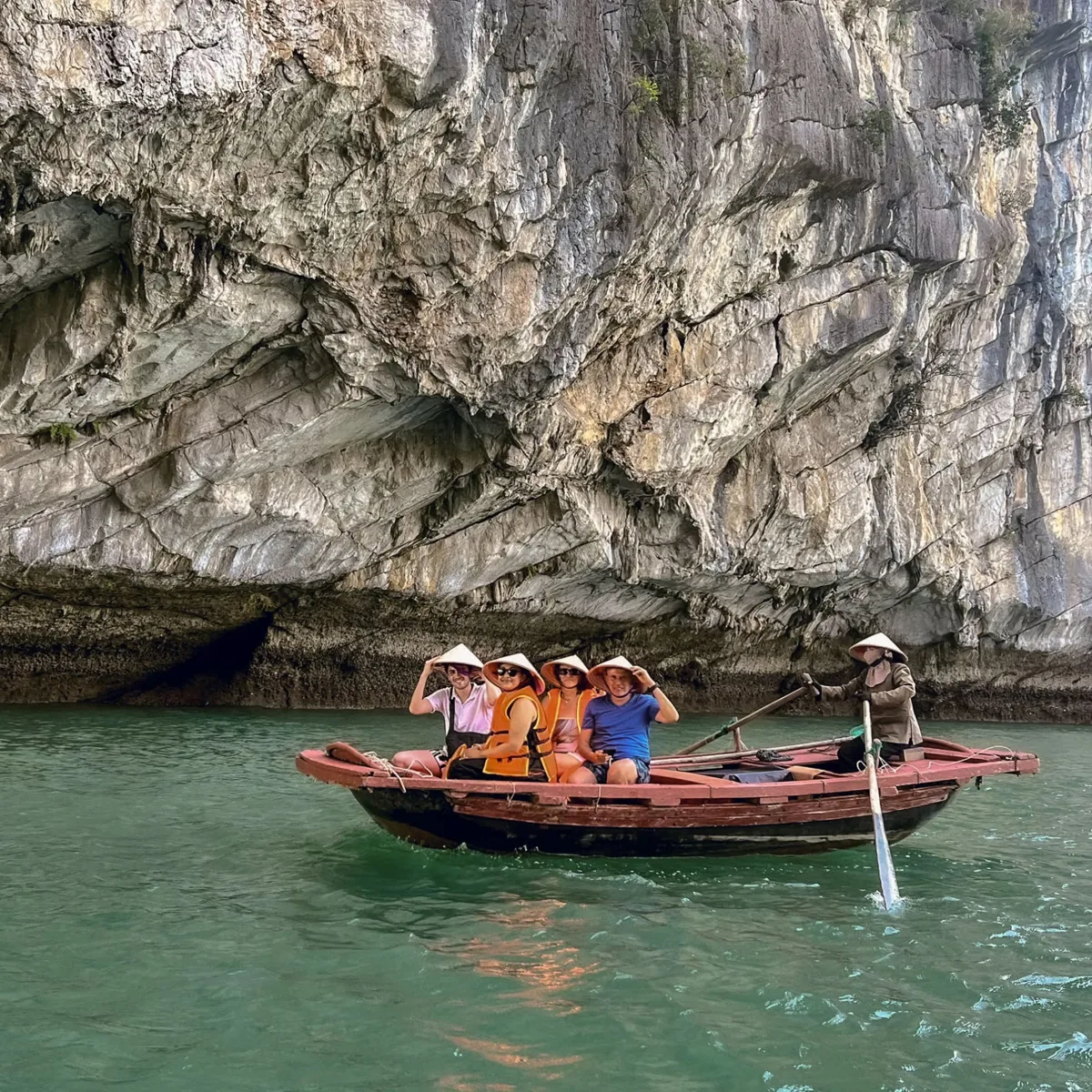
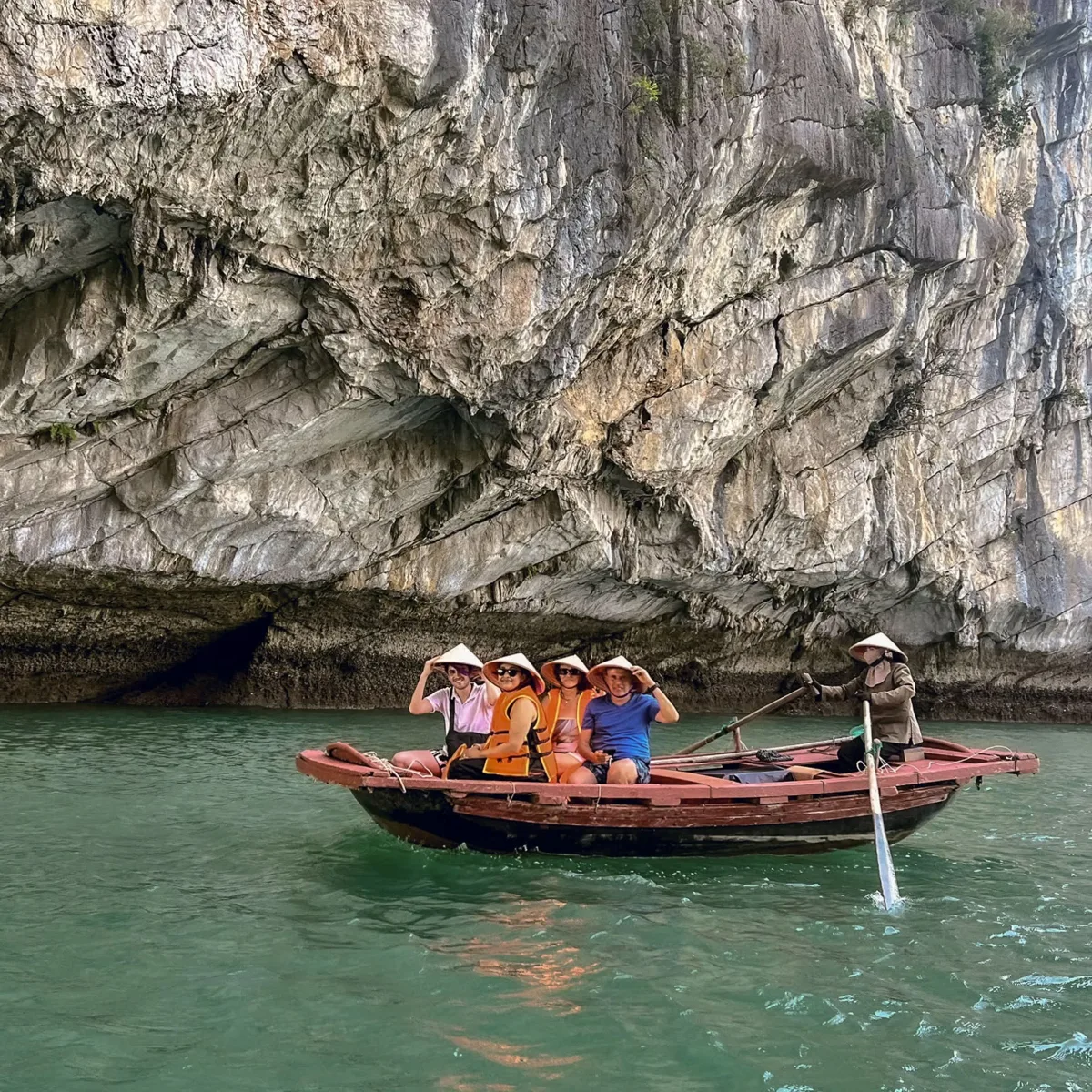
For those seeking natural beauty and outdoor activities, September presents several appealing options. Ha Long Bay generally offers good conditions for cruises, with more comfortable temperatures, even if there's still a chance of rain. Activities like kayaking, swimming, and cave exploration remain popular amidst the iconic limestone karsts. Exploring the bay's islands and beaches can be a serene experience during this shoulder season.
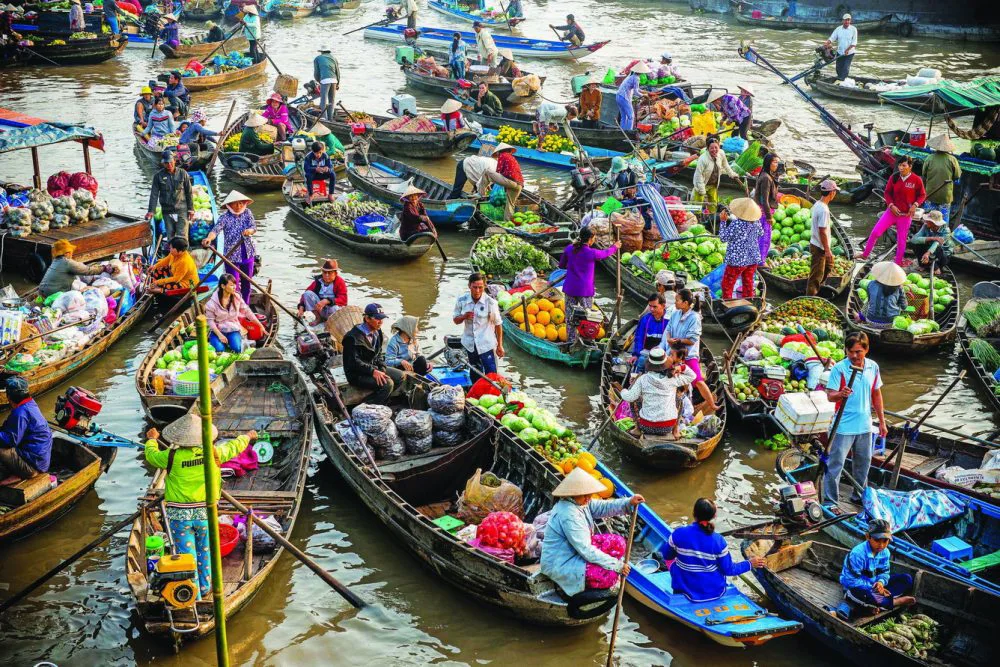
In the northern mountains, Sapa becomes a viable option for trekking. The rice terraces are often lush green following summer rains, and the weather gradually turns drier and cooler, creating better hiking conditions. Visitors should still be prepared for potential showers. Phong Nha-Ke Bang National Park in Central Vietnam offers incredible cave systems; while some may be affected by flooding, many remain open for exploration, providing opportunities for underground river journeys and viewing stalactite formations. Always check local conditions before planning cave visits. The Mekong Delta, still in its wet season, features full waterways and verdant landscapes, making boat trips through canals and visits to floating markets particularly scenic.
Beaches and Relaxation
While September might not guarantee continuous sunshine, several coastal areas still offer opportunities for relaxation. Beaches in Central Vietnam, such as those in Nha Trang, Da Nang, and Hoi An, can be appealing due to a quieter atmosphere and potentially lower accommodation prices. Though sunny days are not assured, the coastal environment remains pleasant for strolls and enjoying the sea.
Phu Quoc Island, located in the south, experiences its rainy season in September, making it one of the wettest months. For travelers prioritizing dry, sunny beach weather, this might not be the ideal period. However, those who don't mind occasional rain and prefer fewer crowds and reduced costs may still find the island's resorts and beaches enjoyable. The rain often comes in short, intense bursts, allowing for periods of clear weather.
Regional Weather Breakdown and Travel Advice
Vietnam's climate zones mean that September weather varies considerably across its three main regions. Understanding these differences is crucial for planning a comfortable and enjoyable trip.
Northern Vietnam (Hanoi, Sapa, Ha Long Bay, Ninh Binh)
The northern region begins its transition into autumn during September. Temperatures become milder, and rainfall generally decreases, especially towards the end of the month. This period is often considered favorable for outdoor activities and cultural exploration.
- Sapa: September is a good time to visit Sapa. Average temperatures hover around 18°C (64°F), with highs of 23°C (73°F) and lows of 18°C (64°F). The region receives approximately 192mm (7.6 inches) of rain. The rice terraces begin to turn golden for harvest, offering scenic views. Cooler temperatures are ideal for trekking through valleys and exploring ethnic villages.
- Hanoi: The capital city experiences warm, pleasant conditions. Average temperatures are around 25.5°C (78°F), with highs reaching 32°C (90°F) and lows of 25.5°C (78°F). Rainfall is approximately 104mm (4.1 inches) over about 5 rainy days. The weather is suitable for sightseeing, enjoying outdoor cafes, and participating in cultural events like the Mid-Autumn Festival.
- Ninh Binh: Often called 'Halong Bay on land,' Ninh Binh sees warm but manageable temperatures. The average maximum daytime temperature is 31.8°C (89.24°F), with minimums around 24.6°C (76.28°F). It receives about 231mm (9.1 inches) of rain over roughly 14 days. Conditions are good for boat tours through karst landscapes and cycling through rice paddies.
- Halong Bay: September marks the start of autumn, with temperatures and rainfall gradually declining. Average temperatures are around 27.5°C (82°F), with highs of 30.4°C (87°F) and lows of 24.8°C (77°F). Rainfall averages 166.6mm (6.6 inches) over about 16 rainy days. The weather is comfortable for cruises, kayaking, and exploring caves, often with fewer tourists.
Central Vietnam (Hoi An, Da Nang, Hue)
Central Vietnam enters its rainy season in September, with increased rainfall and the potential for storms. However, temperatures remain warm, and there are still many sunny periods.
- Hoi An: September is a warm month, with average temperatures between 24°C (76°F) and 32°C (89°F). Total rainfall is around 329mm (12.9 inches) over approximately 11 rainy days. Rain typically occurs as scattered, light showers rather than prolonged downpours, enhancing the town's charm. It's a transition month, often with fewer tourists.
- Da Nang: This coastal city experiences a warm, tropical climate. Average temperatures are around 26.9°C (80°F), with highs up to 29.7°C (85°F). While rainfall increases, showers are usually short and refreshing, not disrupting plans significantly. The 12 hours of daylight allow ample time for beach activities and visiting sites like the Marble Mountains.
Southern Vietnam (Ho Chi Minh City, Mekong Delta, Phu Quoc)
Southern Vietnam remains in its wet season during September, though rainfall may decrease towards the end of the month. The region maintains warm, tropical temperatures.
- Mekong Delta: The climate is wet, with approximately 165mm (6.5 inches) of rainfall over about 13 days. Temperatures reach up to 31°C (88°F) and cool to 25°C (77°F). Showers are often short, creating a lush, vibrant landscape. It's a prime time for boat cruises and experiencing local river life, with fewer tourists.
- Ho Chi Minh City: The city maintains warm temperatures, with average highs of 31.3°C (88°F) and lows of 24.8°C (77°F). Rainfall averages 213.3mm (8.4 inches) over about 16 rainy days. Rain typically occurs in the afternoon or evening, allowing for morning exploration of landmarks like the War Remnants Museum and Ben Thanh Market.
- Phu Quoc: This island experiences warm temperatures, averaging 28.2°C (83°F), with highs of 30.8°C (87°F) and lows of 25.8°C (78°F). It is still within the rainy season, with about 257mm of precipitation and 17 rainy days. Showers are usually intense but brief, often in the afternoon. The island is quieter, offering a more peaceful experience for those who don't mind intermittent rain.
Key Festivals and Events in September
September is a month of significant cultural celebrations in Vietnam, offering visitors a chance to experience local traditions and national pride. Travelers should verify specific dates for lunar calendar-based festivals, as these can shift annually.
National Independence Day Celebration
On September 2nd, Vietnam commemorates its National Independence Day, marking the declaration of independence by Ho Chi Minh in 1945. This is a nationwide public holiday, with widespread celebrations, national flags displayed prominently, and often fireworks displays in major cities. Streets come alive with patriotic festivities, providing a unique opportunity to witness Vietnamese national spirit.
Mid-Autumn Festival (Tết Trung Thu)
Often falling in September (dates vary by lunar calendar), the Mid-Autumn Festival is a cherished event, particularly for children. It is celebrated with colorful lanterns, lion dances, mooncakes, and various cultural activities. Hoi An and Hanoi are especially known for their lively Mid-Autumn Festival celebrations, with Hoi An's Ancient Town becoming illuminated by countless lanterns.
Keo Pagoda Festival (Thai Binh Province)
The Keo Pagoda, a recognized Special National Monument in Duy Nhat Commune, Vu Thu District, Thai Binh Province, hosts a festival twice a year. The autumn festival, typically held from the 13th to the 15th day of the ninth lunar month (often September-October), honors Ly Quoc Su-Priest Khong Lo. Festivities include palanquin processions, incense offerings, traditional dances, and a swimming race.
Do Son Buffalo Fighting Festival (Hai Phong)
This long-standing festival, dating back to the 18th century, takes place annually on the 9th day of the eighth lunar month (August-September, varying by year) in Hai Phong. Beyond its association with Water Goddess worship, the event symbolizes the courage and chivalry of the coastal community of Hai Phong.
Kate Festival (Ninh Thuan Province)
The Kate Festival, also known as Mbang Kate, is a unique celebration of the Cham community in Ninh Thuan Province. Held in the ninth month of the lunar calendar (September-October, varying by year), it commemorates gods and national heroes like Po Klong Garai and Po Rome. The festival showcases Cham culture through sacrifices, traditional costumes, music, and hymns, celebrating farming, harvests, and local crafts.
Practical Tips for September Visitors
Traveling to Vietnam in September requires some specific considerations to ensure a comfortable and enjoyable trip, given the country's diverse and transitional weather patterns.
Packing Essentials
Given the warm temperatures across most regions and the likelihood of rain, particularly in Central and Southern Vietnam, packing light and breathable clothing is advisable. Items such as short-sleeved shirts, thin skirts, and shorts are suitable for daytime. It's also wise to include a long-sleeved shirt or light jacket for cooler evenings, especially in the northern mountains. Rain gear, including a lightweight waterproof jacket and an umbrella, is essential to prepare for sudden showers. Sunscreen and insect repellent are also recommended. When visiting cultural or spiritual sites, remember to pack more formal attire to show respect.
Flexibility and Planning
September is considered a shoulder or off-peak season in many parts of Vietnam, which often means fewer crowds and potentially better deals on accommodation and tours. However, it's important to remain flexible with your itinerary, especially if planning outdoor activities in regions prone to increased rainfall. Checking local weather forecasts regularly can help you adjust plans as needed. Travel consultants can also assist in adapting itineraries based on real-time weather conditions, ensuring a smooth experience even with unexpected changes.
Frequently Asked Questions
Is September a good month to visit Vietnam?
Yes, September can be a good month to visit Vietnam, especially if you plan your trip according to regional weather patterns. Northern Vietnam typically enjoys pleasant, drier weather, making it ideal for exploring. While Central and Southern Vietnam experience their rainy season, showers are often intermittent, and the landscapes are lush. Fewer crowds and potentially lower prices are additional benefits.
What kind of weather can I expect in Vietnam during September?
Expect varied weather. Northern Vietnam (Hanoi, Sapa, Ha Long Bay) transitions to autumn with milder temperatures and decreasing rain. Central Vietnam (Hoi An, Da Nang, Hue) enters its rainy season with increased rainfall, though temperatures remain warm. Southern Vietnam (Ho Chi Minh City, Mekong Delta, Phu Quoc) continues its wet season with warm, humid conditions and frequent, short downpours.
What should I pack for a trip to Vietnam in September?
Pack light, breathable clothing suitable for warm and humid conditions. Essential items include short-sleeved shirts, shorts, and thin trousers. A light waterproof jacket or umbrella is crucial for rain, especially in central and southern regions. Bring comfortable walking shoes, sunscreen, and insect repellent. For visits to temples or pagodas, include modest attire that covers shoulders and knees.
Which region of Vietnam is best to visit in September?
Northern Vietnam is often considered excellent in September due to its pleasant, cooler, and drier autumn weather, perfect for Hanoi, Sapa, and Ha Long Bay. Central and Southern Vietnam are also enjoyable if you are prepared for occasional rain, offering lush scenery and fewer tourists. The choice depends on your preference for activities and tolerance for rain.
Are there any major festivals or holidays in Vietnam during September?
Yes, September 2nd is Vietnam's National Independence Day, a significant public holiday celebrated nationwide. The Mid-Autumn Festival (Tết Trung Thu), a lunar calendar event, often falls in September and is celebrated with lanterns and cultural activities. Other regional festivals like the Keo Pagoda Festival and Do Son Buffalo Fighting Festival also occur, offering unique cultural experiences.