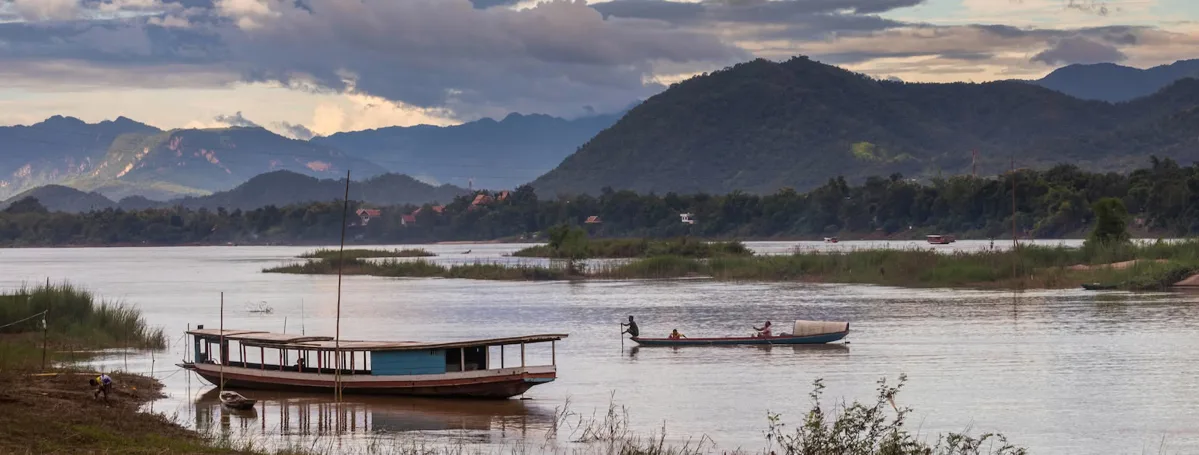
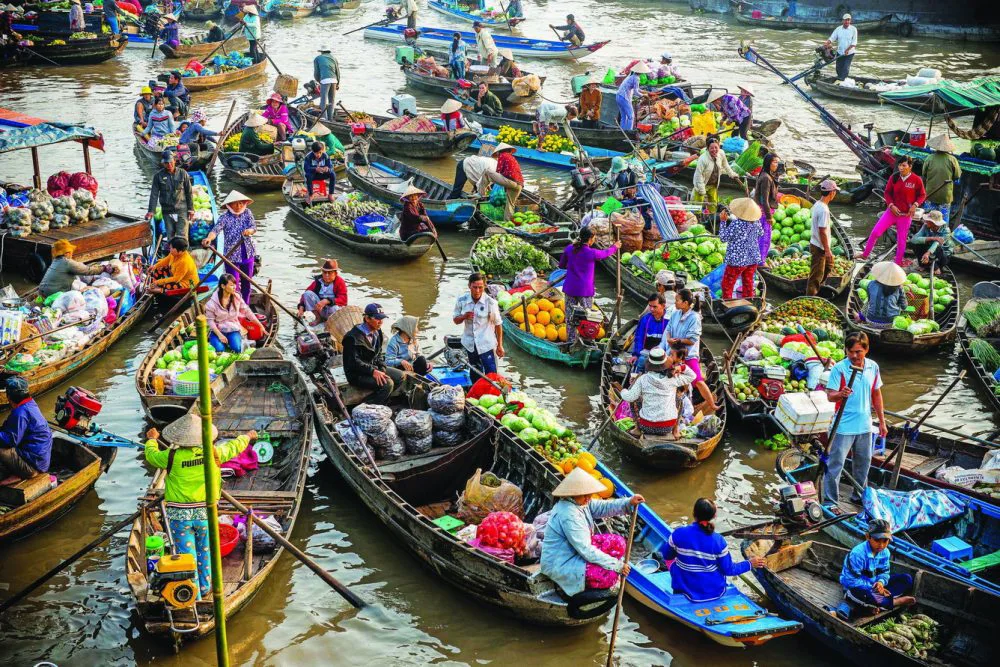
October presents a varied climate across Vietnam, marking a transition period for much of the nation. Northern areas generally experience improved conditions with less rain and more moderate temperatures, signaling the approach of the dry season. Conversely, Central Vietnam often faces increased rainfall and the possibility of storms. In the southern parts, the summer monsoon rains begin to recede, indicating a shift towards drier weather. This month offers distinct experiences depending on the region chosen for travel.
Vietnam's October Climate Overview
Across Vietnam in October, the average temperature is approximately 26°C (79°F). Northern Vietnam sees a substantial reduction in rainfall, often by half compared to the previous month, while Southern Vietnam experiences a roughly 20% decrease. However, Central Vietnam typically observes a doubling of precipitation, reaching considerable levels. The northern areas, including cities like Hanoi and destinations such as Halong Bay and Sapa, benefit from clearer skies, cooler air, and the emergence of autumn colors. This period signifies the conclusion of the wet season in the north, with temperatures and rainfall progressively diminishing, particularly in the latter half of the month, as the cooler, dry winter approaches.
Central Vietnam, from October through April, is influenced by the cold monsoon, which can result in less favorable weather. From October to December, the northern provinces generally enjoy warm and sunny days. To avoid larger crowds, May, June, and September are often suggested as optimal times for a visit. Central Vietnam in October is characterized by heavy rain and potential storms, which can complicate travel and beach activities. Destinations like Hoi An are particularly susceptible to severe flooding during October and November, with street water levels sometimes reaching knee or waist height.
Regional Weather Conditions in October
Northern Vietnam Climate
Popular destinations in Northern Vietnam include Hanoi, Halong Bay, Cat Ba, Sapa, Ha Giang, Mu Cang Chai, Ninh Binh, and Mai Chau. October marks the end of the rainy season in this region. Travelers can anticipate a reduction in both average temperatures, typically around 26°C, and overall rainfall. Skies are often clear, and foliage begins to display autumnal yellow hues. Conditions become even milder towards the end of the month as the dry winter season approaches. In the far northern areas like Sapa and Ha Giang, October promises some of the year's most favorable conditions for outdoor pursuits such as trekking, photography excursions, and camping trips, with generally dry and clear weather.
Central Vietnam Climate
Key destinations in Central Vietnam include Hoi An, Da Nang, Hue, Nha Trang, Quy Nhon, and Da Lat. October is often near the peak of the rainy season here, with heavy storms possible. This can lead to lower temperatures and reduced sunshine. Weather patterns can differ significantly across the Hai Van Pass; for instance, Hue might experience cooler conditions with an average of 24°C, while Da Nang and Hoi An remain warmer, around 27°C. As noted, Hoi An is particularly prone to flooding during this month. Further south, in Nha Trang, rainfall increases, making it less ideal for beach holidays. However, Da Lat and the Central Highlands offer a more positive outlook, with heavy rains starting to decrease, suggesting improving conditions for outdoor activities.
Southern Vietnam Climate
Southern Vietnam features destinations such as Ho Chi Minh City, Phan Thiet & Mui Ne, the Mekong Delta, Long Hai & Ho Tram, Con Dao, and Phu Quoc. In October, the southern region gradually moves out of its wet season, with rainfall declining to an average of 14 days throughout the month, though not as intense as in September. The average temperature is around 27°C. Beach weather slowly begins to return, though consistent sunny beach days are not guaranteed daily. Coastal destinations like Phu Quoc, Con Dao, and Phan Thiet/Mui Ne receive more sunshine and less rain, especially towards the end of the month, as the dry, warmer summer months approach.
Detailed October Weather for Key Destinations
| Destination | Average Temperature (°C/°F) | Average Rainfall (mm/inches) | Rainy Days (Avg) | General Conditions |
|---|---|---|---|---|
| Sapa | 18.6°C (65°F) | 87.5mm (3.4 inches) | 11.7 | Pleasant, dry, harvest season |
| Hanoi | 25.3°C (77.5°F) | 77.8mm (3.1 inches) | 11 | Warm, less humid, autumn colors |
| Ninh Binh | 25.5°C (77.9°F) | 41mm (1.6 inches) | 7 | Warm, less humid, autumn colors |
| Halong Bay | 25°C (77°F) | 54mm (2.1 inches) | 11 | Warm, dry, clear skies, calm sea |
| Hoi An | 25.6°C (78°F) | 350mm (13.8 inches) | 18 | Warm, humid, heavy rain, flood risk |
| Da Nang | 25.6°C (78°F) | 488mm (19.2 inches) | 14 | Hot, humid, very heavy rain, flood risk |
| Mekong Delta | 27°C (81°F) | 350mm (13.8 inches) | 14 | Warm, humid, frequent showers |
| Ho Chi Minh City | 27.4°C (81°F) | 205mm (8.1 inches) | 18 | Hot, humid, frequent showers |
| Phu Quoc | 27.5°C (81.5°F) | 276mm (10.9 inches) | 19 | Warm, humid, frequent showers |
Sapa
In October, Sapa experiences an agreeable and moderate climate, with an average temperature of 18.6°C (65°F), reaching highs of 25.3°C (78°F) and lows of 15°C (59°F). This month is also one of the drier periods for Sapa, recording an average rainfall of 87.5mm (3.4 inches) over approximately 11.7 rainy days. Rainfall is typically light and brief, generally not disrupting outdoor pursuits. October is considered an excellent month to visit Sapa, offering comfortable weather and impressive landscapes. Visitors can appreciate the sight of golden rice terraces during the harvest season, explore local ethnic markets, or participate in guided walks through the mountains and valleys. For those interested in ascending Vietnam's highest peak, Mount Fansipan, a cable car system from Sapa offers convenient access.
Hanoi
Hanoi's average temperature in October is around 25.3°C (77.5°F). Maximum temperatures range from 23°C (73.4°F) to 33°C (91.4°F), while minimums fall between 17°C (62.6°F) and 26°C (78.8°F). The average humidity is 73.4%, a decrease from September. Rainfall averages 77.8mm over approximately 11 rainy days. October serves as a transitional period between Hanoi's rainy and dry seasons. The weather becomes more agreeable as the month progresses, with reduced humidity and increased sun exposure. The sky often appears clear, and leaves change to yellow, creating appealing autumnal views. This makes October a suitable time for a trip to Hanoi, allowing visitors to appreciate the city’s notable sites such as Hoan Kiem Lake, the Temple of Literature, or the Ho Chi Minh Mausoleum. Exploring the historic Old Quarter, with its array of shops, cafes, and eateries, is also a popular activity. Travelers might also find it useful to understand banking options in Hanoi for managing finances.
Ninh Binh
Ninh Binh experiences warm and humid weather in October, with an average temperature of 25.5°C (77.9°F). Highs can reach 29°C (85°F), while lows may drop to 22°C (72°F). The month is characterized by moderate rainfall, averaging 41mm (1.6 inches) over 7 rainy days. Showers typically occur in the afternoon or evening and could potentially lead to localized flooding or landslides. October represents a transitional phase between the rainy and dry seasons in Ninh Binh. As the month advances, the climate becomes more comfortable, with less humidity and increased sunshine. Clear skies and changing leaf colors contribute to an appealing autumn landscape. This makes October a favorable time to visit Ninh Binh, offering opportunities to appreciate the limestone karsts, rice fields, rivers, and caves of the Trang An UNESCO World Heritage Site. Historical and religious sites like Hoa Lu Ancient Capital, featuring temples of the Dinh and Le dynasties, or Bai Dinh Pagoda, Vietnam's largest Buddhist complex, are also accessible.
Halong Bay
Halong Bay, a remarkable natural formation in northeast Vietnam, is recognized for its numerous limestone islands, islets, caves, floating communities, and rich biodiversity. It is a UNESCO World Heritage Site and a highly recommended destination. In October, Halong Bay typically has a warm and dry climate, with an average temperature of 25°C (77°F), highs of 28°C (82°F), and lows of 21°C (70°F). October is also one of the drier months, with an average rainfall of 54mm (2.1 inches) over approximately 11 rainy days. Rainfall is usually light and brief, generally not affecting cruise activities. This period is considered one of the best for visiting Halong Bay, as the weather is pleasant and comfortable. Humidity levels decrease considerably, and the sky is often clear. Visibility is good, and the sea is calm and warm. Visitors can enjoy the impressive views of the bay, explore caves and islands, visit floating villages, or engage in water sports. For those seeking relaxation, Halong Bay offers several beaches suitable for unwinding.
Hoi An
October in Hoi An brings warm and humid weather, averaging 25.6°C (78°F) with highs of 29°C (84°F) and lows of 23°C (73°F). It is a month with significant precipitation, around 350mm (13.8 inches) spread over 18 days. The rain can be heavy, often occurring in the afternoon or evening and potentially leading to localized flooding and traffic delays. October is a transitional month for Hoi An, moving from the rainy to the dry season. As the month progresses, the weather becomes more agreeable, with reduced humidity and increased sunshine. Clear skies and changing leaf colors contribute to an appealing autumn setting. Despite the early month challenges, October can be a suitable time to visit Hoi An, allowing appreciation of the old town with its lanterns, wooden structures, and bridges. Cultural and historical sites such as the Japanese Covered Bridge, the Phuc Kien Assembly Hall, or the Museum of Trade Ceramics are also available for exploration.
Da Nang
Da Nang, a coastal city in Central Vietnam, is known for its beaches, bridges, mountains, and cultural sites, blending historical depth with a contemporary atmosphere. The climate in Da Nang during October is warm and humid, with an average temperature of 25.6°C (78°F). Highs reach 29°C (84°F), while lows dip to 23°C (73°F). As one of the rainiest months, October brings an average rainfall of 488mm (19.2 inches) over 14 rainy days. Showers, often heavy, primarily occur in the afternoon or evening and can result in localized flooding and traffic issues. October marks the shift from the rainy to the dry season in Da Nang. As the month progresses, the weather becomes more pleasant with lower humidity and increased sun exposure. Clear skies complement the calm and warm sea, providing impressive vistas of the city, beaches, and mountains. Visiting Da Nang in October can be a good choice, given the improving weather and impressive scenery. Beach activities like swimming or sunbathing are possible. Cultural and historical sites such as the Marble Mountains, Son Tra Peninsula, or Cham Museum can be explored.
Mekong Delta
The Mekong Delta, situated in southern Vietnam, is recognized for its fertile land, diverse cultural aspects, and rich ecosystem. It encompasses 12 provinces and one city, covering approximately 39,000 km². This region is home to various ethnic groups, religions, and traditions. During October, the Mekong Delta experiences a warm and humid climate. The average temperature is around 27°C (81°F), reaching highs of 31°C (88°F) and lows of 23°C (73°F). October brings considerable rainfall to the Mekong Delta, with an average of 350mm (13.8 inches) and 14 rainy days. Showers can be heavy and frequent, particularly in the afternoon or evening, occasionally leading to localized flooding. October signifies the transition from the rainy season to the dry season in the Mekong Delta. As the month progresses, the weather becomes more agreeable, with reduced humidity and increased sunshine. The sky often appears clear, and the sea remains calm and warm. Visitors can appreciate the impressive views of rice fields, fruit orchards, canals, and islands. With its improving weather and remarkable landscapes, October is a suitable time to explore the Mekong Delta. Activities include boat trips, bike tours, homestays, or cooking classes. Cultural and historical sites of the region, such as the Cai Rang Floating Market, Vinh Trang Pagoda, or Cu Chi Tunnels, are available for exploration.
Ho Chi Minh City
Ho Chi Minh City, located in southern Vietnam, is the country’s largest and most populous urban center. It is a lively hub with a rich history and culture, serving as a significant economic, political, and cultural focal point in Southeast Asia. The climate in October is warm and humid, with an average temperature of 27.4°C (81°F). The city experiences substantial rainfall, averaging 205mm (8.1 inches) across 18 rainy days. These showers, often heavy and frequent in the afternoon or evening, may lead to localized flooding and traffic congestion. During October, Ho Chi Minh City undergoes a transition from the rainy season to the dry season. As the month progresses, the weather becomes more comfortable, with reduced humidity and increased sunshine. The sky often appears clear, and the sea becomes calm and warm, offering appealing views of the city, river, and tall buildings. October presents a good opportunity to visit Ho Chi Minh City, as the weather generally improves, and the scenery is notable. Various city activities such as shopping, dining, nightlife, and sightseeing are available. Cultural and historical landmarks, including the War Remnants Museum, Notre Dame Cathedral, and Reunification Palace, can be explored.
Phu Quoc
Phu Quoc, a tropical island in southern Vietnam, is recognized for its unspoiled beaches, coral formations, and national park. It is Vietnam’s largest island and a popular tourist destination. During October, Phu Quoc experiences warm and humid weather, with average temperatures of 27.5°C (81.5°F), reaching highs of 31°C (88°F) and lows of 24°C (75°F). This month sees considerable rainfall, with an average of 276mm (10.9 inches) and 19 rainy days. Showers are often heavy and frequent, particularly in the afternoon or evening, occasionally leading to localized flooding. October marks the transition from the rainy season to the dry season in Phu Quoc. As the month progresses, the weather becomes more agreeable, offering reduced humidity and increased sunshine. The sky often appears clear, and the sea remains calm and warm, providing impressive vistas of the beaches, forests, and mountains. Visiting Phu Quoc in October is suggested due to the improving weather and appealing scenery. The island offers a range of beach activities like swimming, snorkeling, and kayaking. Exploring Phu Quoc’s natural and cultural sites, including the Phu Quoc National Park, Dinh Cau Temple, and Phu Quoc Prison Museum, is also recommended.
Recommended Activities and Regional Highlights for October
The weather conditions in October create favorable opportunities for mountainous areas of Northern Vietnam, such as Sapa, Ha Giang, and Mu Cang Chai. It is an excellent time to visit Mu Cang Chai as the region’s extensive rice fields turn a golden color, ready for harvest, providing ample photo opportunities during this visually rich period. This is also an ideal time for the buckwheat season, with purple blooms starting to appear, especially from late October into November in Ha Giang. Other interesting activities in Ha Giang include exploring the terraced rice fields, visiting photo exhibitions in the Dong Van Karst Plateau Global Geopark, or experiencing the old market in Dong Van town.
October is also among the best months of the year for exploring Hanoi and Halong Bay, a UNESCO Heritage Site. While Central regions receive high rainfall and sometimes storms, visiting major cities such as Hue, Da Nang, and Hoi An is still possible, though travelers should be prepared for wet conditions. In Da Lat and the Central Highlands, the heavy rains begin to subside, particularly towards the end of the month, gradually making outdoor activities more appealing. It is a suitable month to explore the Mekong Delta, known for its active waterfront and riverine life. The sun begins to shine more consistently in the southern beaches of Phan Thiet & Mui Ne, as well as the islands of Phu Quoc & Con Dao, especially towards the month's end. Green turtle hatchings continue around Con Dao island during this period.
Packing Suggestions for October Travel
October is generally considered an appealing season for travel in Vietnam, so it is advisable to pack lightweight cotton or linen trousers and quick-drying materials. There is no need to overpack, as clothing and personal items, from hats to sandals, are readily available at reasonable prices locally. When traveling to highland areas like Sapa or Ha Giang, the weather typically becomes cooler, especially in the early morning and at night. Some warm layered clothing will be beneficial in these instances. Additionally, sturdy walking boots with ankle support or trekking sandals that can accommodate socks are practical options. A lightweight raincoat is also essential due to the varied weather conditions that can be encountered across the country. Swimwear is a necessity for relaxing at hotel pools or enjoying beach vacations, particularly as sunny weather becomes more common towards the end of the month.
October Events and Cultural Observances
- Hanoi Liberation Day (October 10): This significant date in 1954 marks Hanoi's liberation from French rule. It is a major celebration in the capital, with national flags, flowers, and slogans displayed throughout the city to commemorate the anniversary.
- Vietnamese Women’s Day (October 20): In addition to International Women’s Day on March 8, Vietnam observes its own Women’s Day on October 20 each year. On this day, women often receive gifts and flowers from family, friends, and colleagues. Various cultural events are also held to promote appreciation and equality for women.
- Bodhisattva of Mercy Birthday (Lunar Calendar): According to the lunar calendar, the 19th day of the 9th month (which typically falls in September or October, varying by year) is one of three important birthdays for Buddhists worldwide. On this day, people often visit Buddhist temples dedicated to the Bodhisattva of Mercy to offer prayers for favorable weather, national peace, and family well-being.
- Kin Lau Khau Mau Festival (Lai Chau) (Lunar Calendar): Also known as the Thanksgiving or New Rice Festival, this ceremony is usually observed by the Thai people in Muong So commune, Phong Tho district of Lai Chau province, on the full moon of the 9th lunar month (September or October, varying by year). It is an occasion to express gratitude for a successful harvest, for young people to engage in friendly competitions, and for the community to celebrate freely. The selection of rice for making green rice flakes is a central part of the festival. The ceremony also includes traditional folk games such as chicken badminton and tug-of-war. Visitors may have the opportunity to sample local Thai dishes like rock moss, grilled stream fish, and sticky rice.
- Keo Hanh Thien Pagoda Festival (Nam Dinh) (Lunar Calendar): Located in Hanh Thien village, Xuan Hong commune, Xuan Truong district, Nam Dinh province, the over 400-year-old Keo Pagoda is recognized as a national intangible cultural heritage site. The festival takes place annually from the 8th to the end of the 16th day of the 9th lunar month (September or October, varying by year) to honor the birthday of the pagoda’s founder, ancestor Khong Lo. In addition to traditional ceremonies, the festival features boat racing with unique rituals.
- Trung Cuu Festival (Vung Tau) (Lunar Calendar): This festival is held annually at the Big House in Long Son commune, Vung Tau city, on the 8th and 9th days of the 9th lunar month (September or October, varying by year). It is a celebration for peace and commemorates the contributions of Mr. Tran. While not as elaborate as some other festivals, it draws many pilgrims who offer incense and prayers.
- Father-Mother Palace Festival (Binh Thuan) (Lunar Calendar): The Father-Mother Palace Festival is a long-standing cultural event in Binh Thuan province, occurring on the 14th, 15th, and 16th days of the 9th lunar calendar (September or October, varying by year) in Tan Tien commune, Lagi town. This event is dedicated to praying for family health and happiness, as well as successful business endeavors. The festival also includes various folk games and traditional art performances that attract visitors.
- Halloween Day (October 31): Originating from Western culture, Halloween parties are also enjoyed in Vietnam, though the concept and primary purpose differ from Western traditions. Parties are mostly held in areas frequented by backpackers, typically in coffee shops, bars, and restaurants. On the streets, many young people and children apply face paint or wear costumes to participate in the day's festivities.
Frequently Asked Questions
Is October a suitable month to visit Vietnam?
October can be a favorable month to visit Vietnam, particularly the northern regions where the rainy season concludes, bringing cooler, drier weather and clear skies. Southern Vietnam also sees a reduction in monsoon rains. However, Central Vietnam often experiences its peak rainy season with potential for heavy storms and flooding, making travel to that specific region more challenging during this month.
What are the typical temperatures in Northern Vietnam during October?
In Northern Vietnam, average temperatures in October are around 26°C (79°F). As the month progresses and the dry winter approaches, temperatures tend to become milder, especially towards the end of October. Highland areas like Sapa will be cooler, with an average of 18.6°C (65°F).
Which regions in Vietnam should I consider avoiding in October due to weather?
Central Vietnam, including popular destinations like Hoi An and Da Nang, often faces significant rainfall and the risk of severe flooding in October. Hoi An, in particular, is known to experience high water levels in its streets during this month, which can disrupt travel and sightseeing. Travelers seeking beach activities in the central coast might find conditions less ideal.
What kind of clothing should I pack for a trip to Vietnam in October?
For most of Vietnam in October, lightweight, loose-fitting clothing made from natural fabrics like cotton or linen is recommended due to warm and sometimes humid conditions. For highland areas such as Sapa or Ha Giang, it is advisable to pack some warmer layers for cooler mornings and evenings. A lightweight raincoat is also essential for potential showers across the country, and swimwear is useful for hotel pools or southern beaches.
Are there any major cultural events in Vietnam during October?
October features several notable events, including Hanoi Liberation Day on October 10 and Vietnamese Women’s Day on October 20. Additionally, several traditional festivals tied to the lunar calendar, such as the Bodhisattva of Mercy Birthday, Kin Lau Khau Mau Festival, and Keo Hanh Thien Pagoda Festival, may occur in October, though their exact dates vary each year. Halloween is also observed, primarily in urban and tourist areas.