Vietnam offers travelers a remarkable array of experiences, from grand natural formations to significant historical sites and culturally rich urban areas. This guide highlights eight distinctive locations across the country, each providing unique perspectives on Vietnam's diverse geography and heritage. These destinations cater to various interests, whether seeking adventure in vast caves, contemplating history, or enjoying serene island environments.
Natural Wonders and Grand Landscapes
Vietnam's landscape features remarkable natural formations, from immense caves to towering mountains and dramatic highland scenery. These locations offer opportunities for exploration and appreciating the country's ecological diversity.
Visitors planning to explore these natural areas should verify current access requirements and conditions, as some sites may require permits or have seasonal considerations.
Son Doong Cave: The World's Largest Subterranean Marvel
Son Doong Cave holds the distinction of being the world's largest natural cave. Its initial discovery in 1991 by local resident Ho Khanh was followed by comprehensive exploration in 2009 by a British caving team led by Howard Limbert. The cave spans approximately 9.00 kilometers, with certain sections reaching about 200 meters in width, significantly exceeding the size of Malaysia's Deer Cave.
Inside Son Doong, ancient limestone grottoes, stalactites, and stalagmites, formed over millions of years, are prominent features. Located within Phong Nha Ke Bang National Park, roughly 500 kilometers south of Hanoi, this site attracts travelers eager to witness one of Vietnam's most significant natural wonders.
Fansipan Peak: Indochina's Summit
Fansipan, Vietnam's highest mountain at 3143 meters, is also the tallest peak in the Indochinese region, known as the “Roof of Indochina.” Situated on the Hoang Lien Son range in Lao Cai province, it draws mountaineers and adventurers. The routes to Fansipan are particularly appealing in February when mountain flowers bloom, creating a serene landscape of green hills and clouds.
While traditional trekking paths traverse forests and streams, a modern cable car system provides a faster ascent. This system allows passengers to observe primeval jungles and valleys, including the terraced rice paddies of Muong Hoa Valley, which appear golden when ripe. The cable car journey also offers views of Hoang Lien National Park's rich biodiversity. For those interested in reaching Vietnam's highest point with ease, exploring Mount Fansipan's cable car offers a convenient option.
Ha Giang: Northern Highlands and Terraced Fields
Ha Giang province in northern Vietnam is defined by its grand forested limestone and granite mountains, deep valleys, and extensive rice terraces. The region is home to 16 distinct ethnic groups, whose cultural practices and traditional attire contribute to its unique character. Key geographical features include Dong Van Geopark, Quan Ba Twin Ranges, and Ma Pi Leng Pass.
The rice terraces of Ha Giang transition from green to golden yellow in early October, offering striking visual opportunities. From late October to early November, buckwheat flowers bloom across the province, painting the scenery with purple and pink. These flowers are a symbolic element of Vietnam's northern mountains, with Ha Giang showcasing their most extensive displays.
Coastal Escapes and Architectural Feats
Vietnam's coast and mountains combine natural beauty with human ingenuity, from unique bridges to serene islands and iconic bay cruises. These locations offer diverse experiences, blending relaxation with architectural interest and natural exploration.
Visitors should consider the best time of year for their specific interests, as climates and activities vary. Each destination presents distinct characteristics, whether seeking sun-drenched beaches or cool mountain air.
Ba Na Hills and the Golden Bridge: A Mountain Resort Experience
Ba Na Hills, a mountain resort founded by French colonists in 1919, once housed approximately 200 villas near Da Nang, though few original structures remain. The Golden Bridge is the area's most recent attraction, gaining significant social media attention for its distinctive design, appearing as if giant hands support it in the sky.
This architectural marvel draws many visitors to Da Nang annually for its unique walk and photographic opportunities of the surrounding scenery. To avoid large crowds, visiting on weekdays is often suggested, as the bridge can become very busy.
Con Dao Archipelago: Island Serenity and History
Con Dao is an archipelago of 16 islands, with Con Dao Island being the largest. Historically known for its former prison, the archipelago has recently been recognized for its natural beauty. A prominent travel magazine once listed it among the top ten most remarkable and intriguing archipelagos globally, highlighting its appeal for leisure and nature discovery.
The island group features approximately 200 kilometers of coastline, with clear emerald waters and fine white sand beaches. From above, Con Dao Island is said to resemble a sea bear amidst the ocean. The environment remains largely unspoiled, offering fresh air and opportunities to observe wild animals, such as chamois and various bird species, within its forested mountains.
Halong Bay: Limestone Karsts and Overnight Cruises
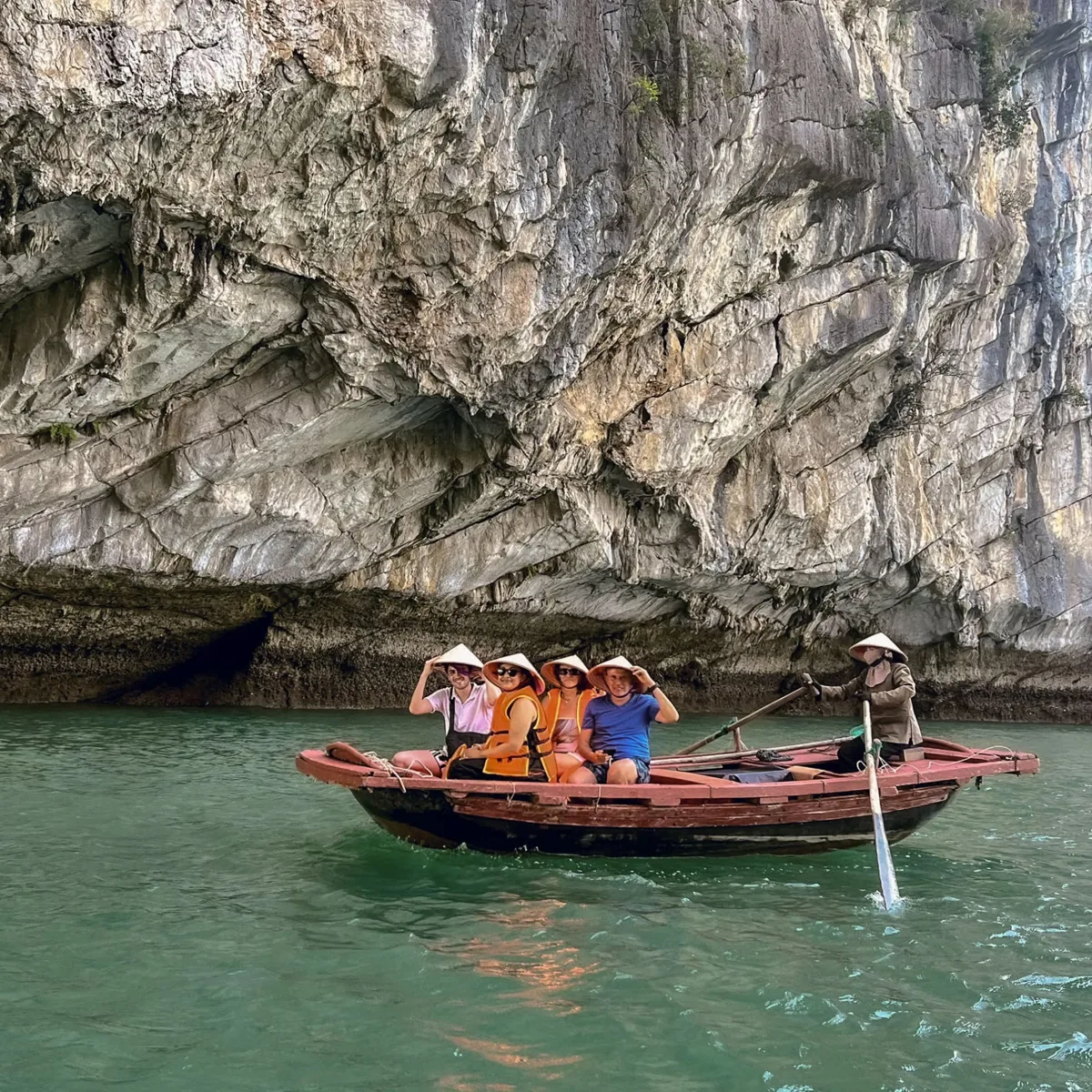
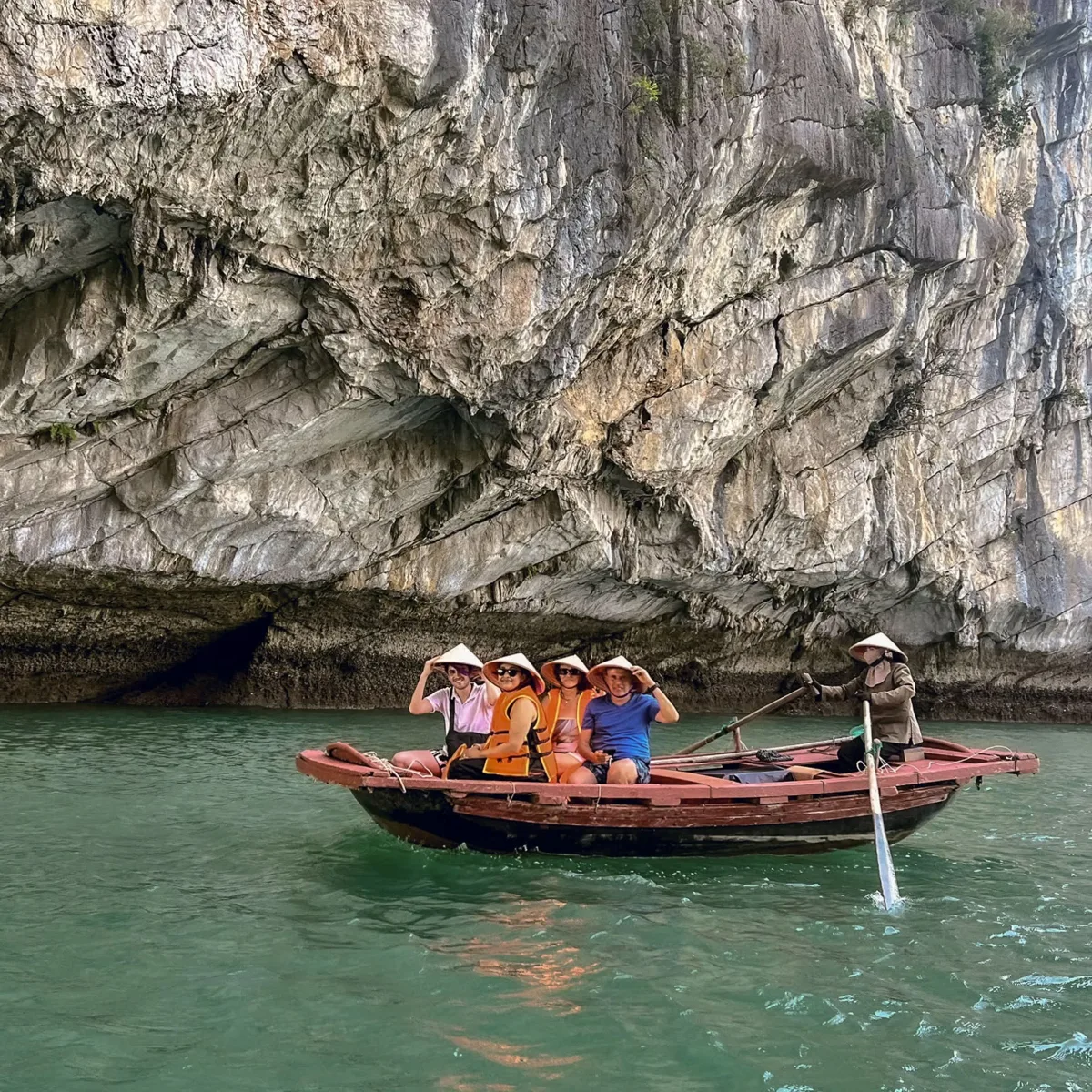
Halong Bay is a renowned geographical area characterized by its approximately 1,900 limestone islets, complemented by sandy beaches, freshwater lakes, and granite caves. An overnight cruise is the most recommended way to experience this landscape. For first-time visitors, a two-day, one-night cruise is often suggested to explore multiple islands, villages, and caves, alongside activities like swimming, kayaking, or rowing.
The sundeck of a cruise ship offers an excellent vantage point for panoramic sea views, enjoying a drink, or listening to music. For travelers looking to relax by the water, exploring Halong Bay's best beaches can enhance their trip.
Historical Echoes and Urban Exploration
Vietnam's urban centers and historical sites provide deep insights into the nation's past and cultural identity. From the capital's ancient streets to intricate underground wartime networks, these locations narrate compelling stories.
Understanding the historical context enriches the visitor experience, fostering a greater appreciation for the country's heritage and the resilience of its people. Guided tours are often available to provide detailed explanations.
Hanoi Old Quarter: A Glimpse into Capital Heritage
Hanoi Old Quarter is a key tourist area, recognized for its distinctive architecture, traditional shops, and Buddhist temples. The buildings here show significant French colonial influence, with many small, tile-roofed houses arranged in blocks. These structures are typically narrow, extend about 10 meters in length, and often have two or three floors.
The Old Quarter becomes especially lively before Tet (Lunar New Year), when shops display traditional Vietnamese decorations and gifts, creating a festive scene of red and gold. The “36 Old Streets” concept refers to a historical arrangement where artisans and merchants specializing in similar goods grouped together. For instance, Hang Gai Street is historically known for silk garments, embroidery, and silver items. For those interested in local crafts and gifts, a guide to unique purchases in Vietnam might be helpful when exploring the Old Quarter.
Cu Chi Tunnels: A Testament to Resilience
The Cu Chi Tunnels stand as a powerful symbol of Vietnamese determination. This extensive network of underground passages was vital during the Vietnam War, used by Viet Cong forces for communication, shelter, and launching covert operations. A visit offers a direct encounter with the region's wartime history.
After the conflict, Cu Chi has shown remarkable recovery. The tunnels, now a popular attraction, provide insight into the extraordinary measures taken by soldiers. While the Cu Chi tunnels are widely recognized, the broader network extends across Vietnam, with segments reaching towards the Cambodian border in some areas.
Comparing Unique Vietnamese Destinations
To assist in planning, the table below summarizes key aspects of some of Vietnam's distinctive destinations, highlighting their primary appeal and notable features.
| Destination | Primary Appeal | Key Feature | Location Highlight |
|---|---|---|---|
| Son Doong Cave | Adventure & Natural Grandeur | World's largest natural cave, ancient formations | Phong Nha Ke Bang National Park |
| Ba Na Hills & Golden Bridge | Mountain Resort & Unique Architecture | "Hands of God" bridge, French colonial remnants | Near Da Nang |
| Fansipan Peak | High-Altitude Views & Mountain Trekking | Highest peak in Indochina, cable car access | Lao Cai Province (Sapa region) |
| Ha Giang | Cultural Immersion & Scenic Highlands | Dramatic rice terraces, ethnic minority cultures, buckwheat flowers | Northern Vietnam |
| Con Dao Archipelago | Island Relaxation & Historical Reflection | Pristine beaches, diverse marine life, former prison history | Southern Coast |
| Hanoi Old Quarter | Urban Culture & Historical Architecture | "36 Streets" trade guilds, French colonial buildings | Hanoi Capital |
| Cu Chi Tunnels | Historical Education & Wartime Insight | Extensive underground tunnel network, war relics | Near Ho Chi Minh City |
| Halong Bay | Scenic Cruises & Karst Landscapes | 1,900 limestone islets, overnight cruise experiences | Northeast Vietnam |
Planning Your Journey to Vietnam's Distinctive Sites
When arranging travel to these unique locations, considering logistics such as transportation, accommodation, and local guidance is essential. Many sites, particularly remote natural areas, benefit from pre-booked tours or detailed itinerary planning.
For destinations like Son Doong Cave, access is highly regulated and requires booking through authorized operators well in advance. For other sites, such as the Hanoi Old Quarter or Ba Na Hills, independent exploration is feasible, though local guides can enhance the experience with cultural and historical insights. Always verify current operating hours and any specific entry requirements, as these can change.
Frequently Asked Questions
What is the best time to visit Vietnam's northern mountains?
The northern mountainous regions, including Fansipan and Ha Giang, are particularly appealing in February when many flowers are in bloom. For Ha Giang's rice terraces, early October offers golden hues, while buckwheat flowers are prominent from late October to early November. Checking forecasts closer to your travel dates is advisable.
Are the Cu Chi Tunnels suitable for all visitors?
The Cu Chi Tunnels offer a significant historical experience, but some sections involve navigating narrow, confined spaces underground. Visitors with claustrophobia or mobility concerns should consider their comfort levels. Above-ground exhibits provide context without requiring entry into the tunnels.
How can I experience Halong Bay?
The most comprehensive way to experience Halong Bay is through an overnight cruise. A two-day, one-night option is often recommended for first-time visitors, allowing time to explore islets, caves, and participate in activities like kayaking. Day trips are also available for a more limited experience.
What makes Ha Giang a unique destination?
Ha Giang stands out due to its dramatic mountainous landscapes, including the famous rice terraces and geological formations like Dong Van Geopark. The presence of 16 distinct ethnic minority groups also contributes to its unique cultural identity, offering insights into traditional lifestyles. Seasonal blooms of buckwheat flowers add another layer of visual interest.