Cambodia's rainy season, typically spanning from May to October, presents a distinctive opportunity for visitors. While many travelers prefer the drier months, the monsoon period transforms the country into a verdant landscape, often accompanied by fewer tourists and potential cost savings. Understanding the weather patterns and preparing appropriately can lead to a rewarding travel experience, allowing for a deeper appreciation of local culture and natural beauty.
This guide offers practical insights into navigating Cambodia during its wet season, covering everything from climate expectations and recommended activities to essential packing tips and booking strategies. Whether you are seeking a quieter exploration of ancient sites or an encounter with the country's refreshed natural environment, traveling during the monsoon can offer a different perspective on this Southeast Asian nation.
Understanding Cambodia's Wet Season Climate
Cambodia experiences its rainy season annually from May through October. During these months, the country receives the majority of its rainfall, which contributes to the lushness of the natural environment. While the term 'rainy season' might suggest continuous downpours, precipitation often comes in the form of intense, yet relatively short, showers, typically occurring in the afternoon.
Temperatures during this period maintain an average of approximately 27°C, offering a slight reprieve from the hotter dry season. July can see significant rainfall, leading to localized flooding in some areas. As the monsoon season draws to a close, particularly in October, the frequency of heavy rains diminishes, and the weather becomes more agreeable. This transition month is often considered a favorable time to visit, as the landscapes remain green, and a major 15-day Buddhist festival typically takes place, offering cultural engagement.
Advantages of Visiting During the Monsoon
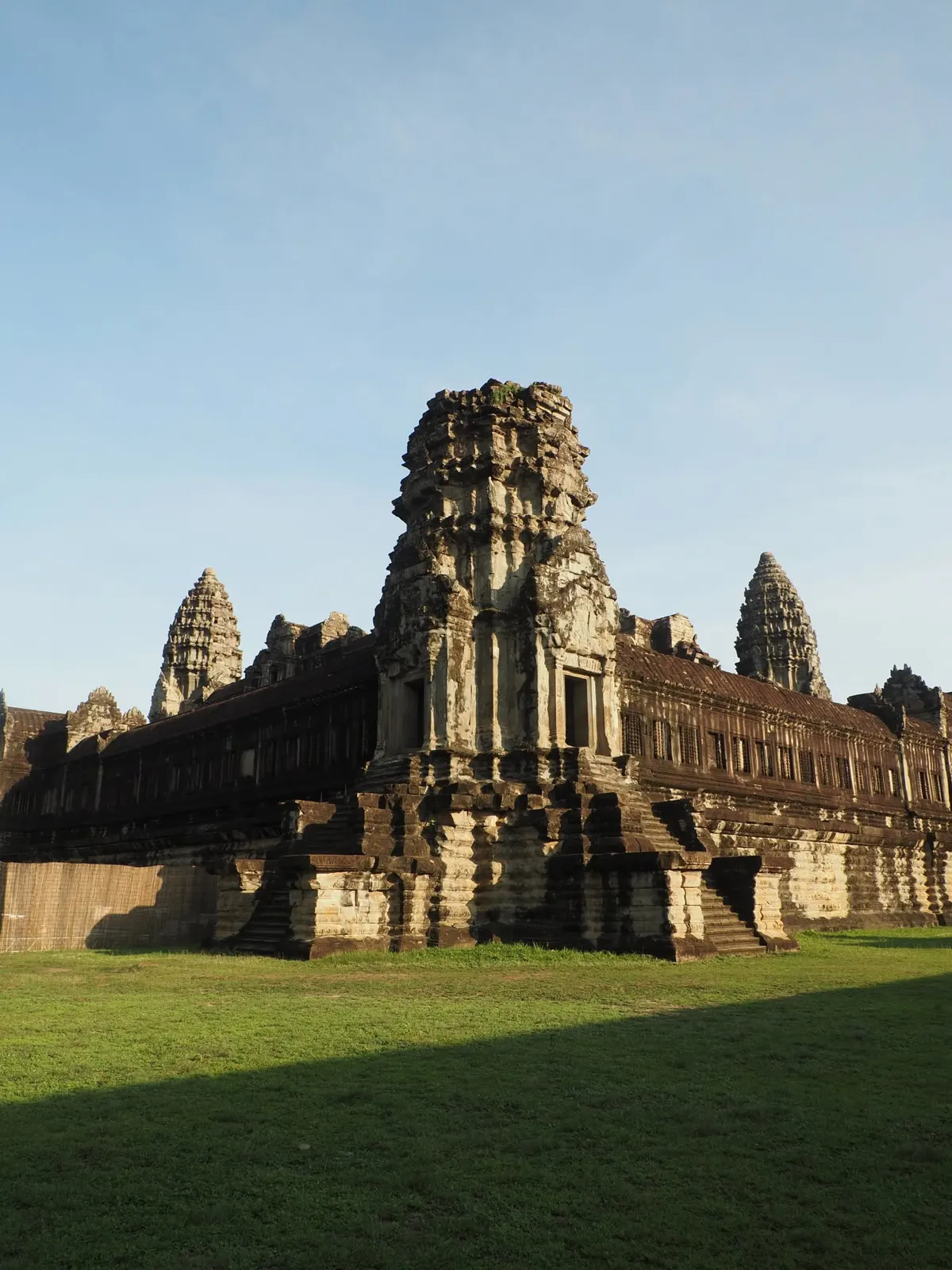
Opting to visit Cambodia during the wet season comes with several distinct benefits that can enhance a travel experience. One primary advantage is the significant reduction in tourist numbers. Popular attractions, such as the temples of Angkor Wat, are noticeably less crowded from July to October. This allows for a more tranquil exploration of historical sites and easier access to photo opportunities, without the usual queues.
Furthermore, the low tourist season often translates into considerable cost savings. Accommodation providers, including standard hotels, frequently offer promotions, with room rates potentially 30% to 50% lower than their regular prices. These incentives may also extend to complimentary spa services, discounted dining, gym access, and laundry services, making travel more economical. The refreshed environment after rainfall also provides unique photographic prospects, with clear skies following showers and mist-shrouded pine forests creating an atmospheric backdrop.
Experiences and Activities in Rainy Cambodia
Despite the occasional rain, Cambodia offers a variety of engaging activities during the monsoon, many of which are enhanced by the higher water levels and verdant surroundings.
Exploring Floating Villages
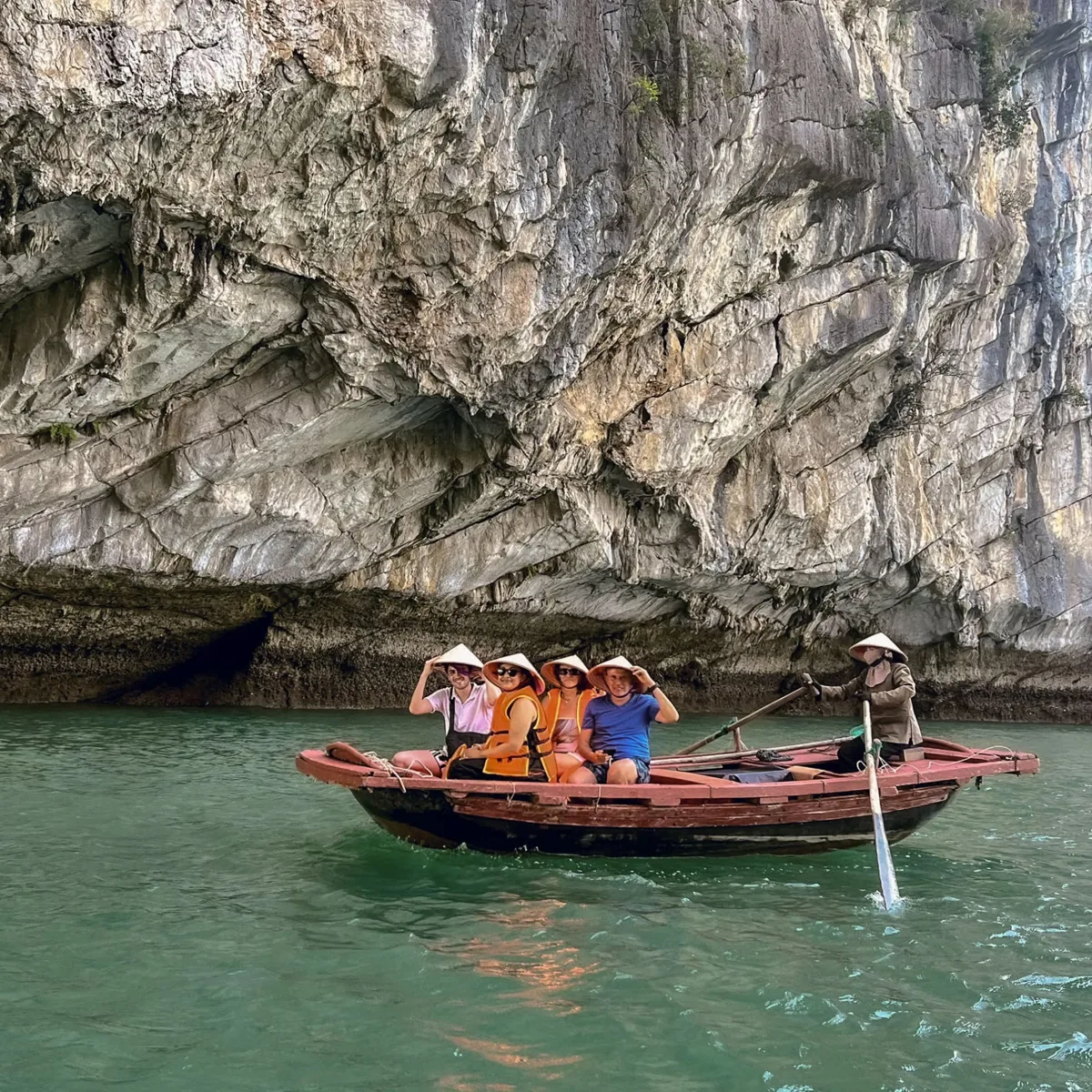
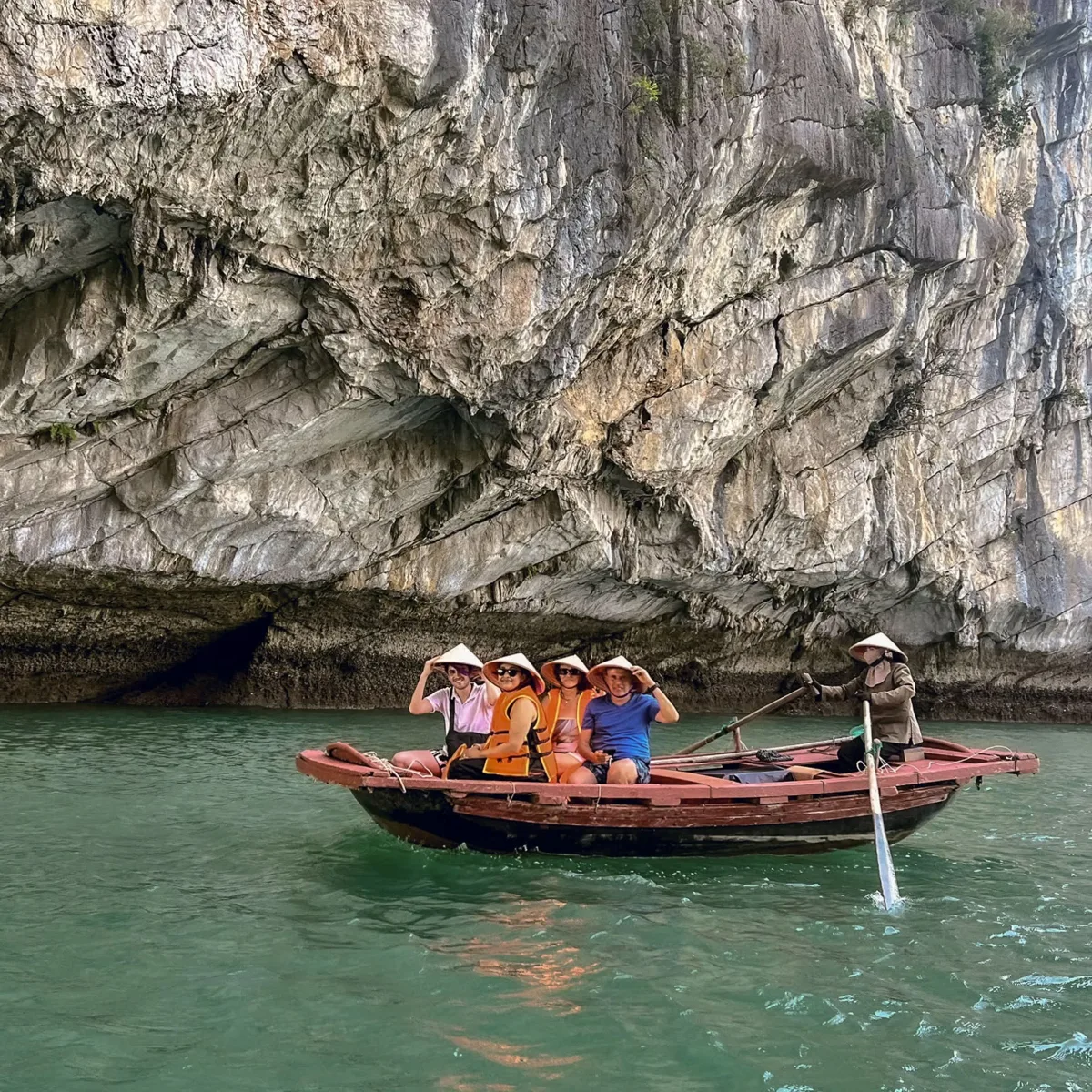
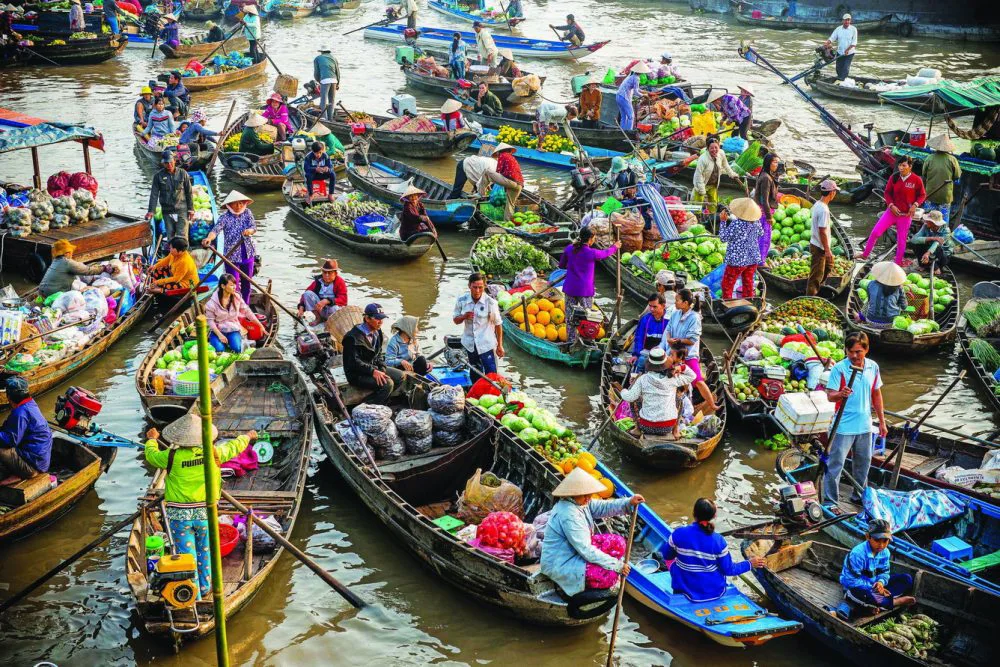
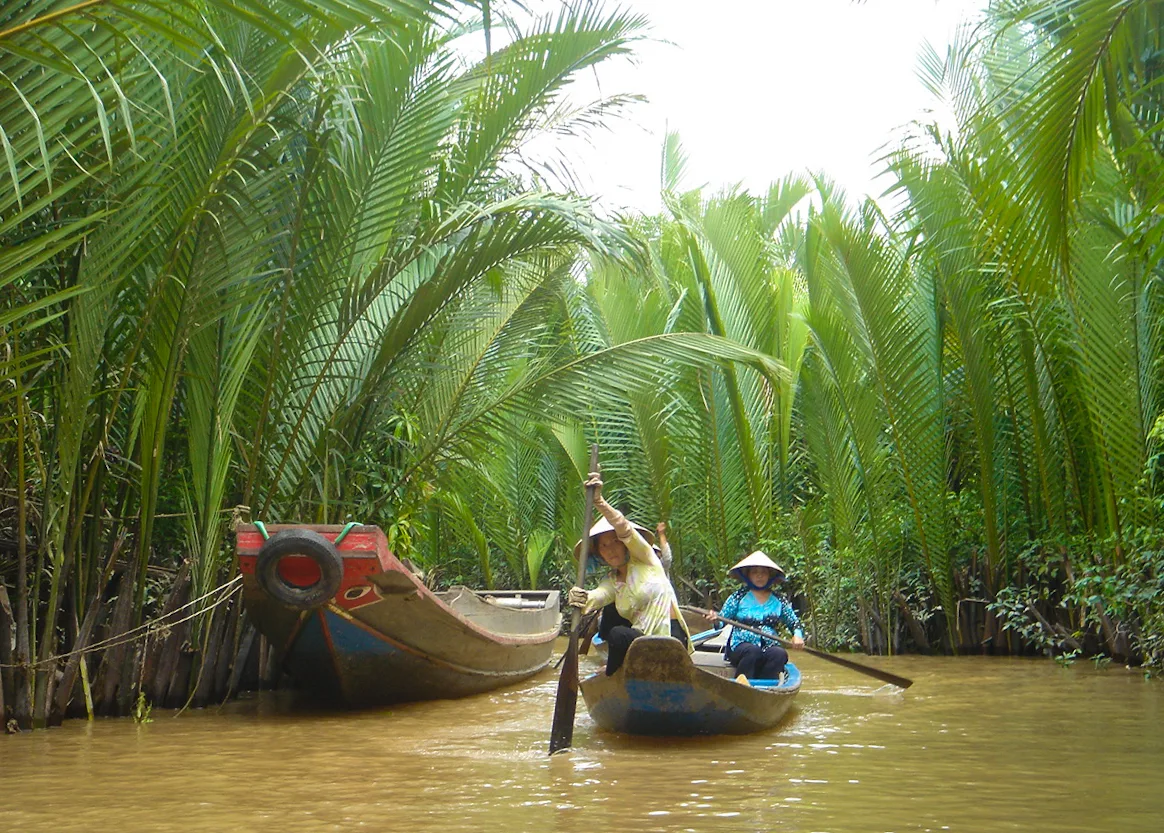
A recommended activity is a boat trip to a floating village, such as Kompong Phluk, located on Tonle Sap Lake. This provides an opportunity to observe local life in a unique setting. Kompong Phluk is known for its houses built on tall wooden stilts, a necessary adaptation due to the lake's water level rising up to 14 meters during the rainy season. Visitors can rent a boat to navigate the expansive green mangrove forests surrounding these villages, offering a serene natural experience. Some local homes welcome visitors, providing a chance to learn about indigenous culture, including traditional cooking methods and musical instruments.
Cultural Celebrations
While the main monsoon runs from May to October, the Water Festival is a significant cultural event that occurs annually from April 13th to 15th according to the lunar calendar, often lasting 7 to 10 days in tourist centers. Participants dress in traditional attire and visit temples in the morning for special rituals, including bathing Buddha statues. The festival also features street art performances and playful water splashing activities in designated areas, offering a lively cultural immersion for those whose visit aligns with these dates.
Engaging with Arts and Crafts
Cambodia's rich Khmer cultural heritage is expressed through various art forms, including parachute drama, sculpture, decorative arts, painting, and folklore. Exploring traditional craft villages allows visitors to admire unique and intricate products. Learning the Rom Vong dance, a simple community dance deeply connected to Khmer ethnic culture and reflecting daily life, is another enriching experience. Additionally, the Rohash, an ancient Khmer court dance, uses body language to re-enact legends, combining costumes, musical instruments, historical scripts, and elaborate staging to tell stories from myths, legends, and Brahmin history.
Appreciating Landscapes and Photography
Rainy conditions can present unique photographic opportunities. The condensation of water vapor often creates a soft, misty atmosphere, transforming ordinary scenes into dreamlike images. Shop windows or bus stops can become interesting subjects, reflecting the rain-streaked surroundings. A romantic walk with an umbrella, hand-in-hand with a companion, can be a memorable experience. Covered corridors or bridges provide shelter, allowing visitors to pause and observe the raindrops falling, adding to the reflective mood of the season.
Key Destinations During the Wet Season
Cambodia offers diverse experiences across its regions, each presenting a different facet of the country during the monsoon.
| Destination | Primary Appeal (Rainy Season) | Key Activities |
|---|---|---|
| Siem Reap | Ancient Khmer history, fewer crowds at temples | Angkor Wat exploration, Angkor National Museum, Wat Bo Temple |
| Phnom Penh | Modern city experience, royal heritage | Royal Palace, urban exploration, dining guide to Phnom Penh |
| Sihanoukville | Coastal escape, unique camping | Beach relaxation, fireworks, sky lanterns |
Siem Reap
Siem Reap, the gateway to the ancient Khmer empire, combines historical grandeur with contemporary elements. During the rainy season, the iconic Angkor Wat and surrounding temple complexes are less frequented by tourists, allowing for a more intimate encounter with these architectural wonders. Other notable attractions include the Angkor National Museum and Wat Bo Temple, which showcases a blend of French architectural influences and Thai-inspired Buddhist details.
Phnom Penh
Phnom Penh, the capital, offers a different urban experience. This modern city, situated in the Mekong Delta, features significant landmarks such as the Royal Palace. This complex serves as the residence for Cambodia's monarchs and royal families, and is also the venue for important Cambodian ceremonies and diplomatic engagements. The city provides a contrast to the ancient ruins, with its contemporary energy and diverse culinary scene.
Sihanoukville
For those seeking a coastal retreat, Sihanoukville provides a distinct atmosphere. This seaside city is suitable for activities like camping by the beach, enjoying the sea breeze, and cozying up by a fire. Visitors can also engage in simple, romantic pleasures such as launching fireworks, typically available for around $1, or releasing sky lanterns, which cost approximately $5 along the coastlines. It offers a relaxed alternative to the historical and urban centers.
Essential Preparations for Monsoon Travel
Traveling to Cambodia during the rainy season requires some specific preparations to ensure comfort and convenience.
Packing List
- Waterproof Backpack: A waterproof backpack is crucial for protecting belongings from rain. Its design typically ensures the contents remain dry, regardless of the intensity of the downpour. These bags are often moderately sized, allowing for flexible and comfortable movement.
- Raincoat: Given the unpredictable nature of monsoon showers, carrying a raincoat is highly advisable to stay dry and warm when venturing outdoors.
- Footwear: It is recommended to bring a pair of slippers for times when other shoes might get wet. Additionally, canvas shoes are practical for walking, while high heels should be avoided. Non-slip shoes are the safest choice for navigating wet surfaces during heavy rain.
- Umbrella: For shorter excursions, a compact double or triple-fold umbrella is suitable. For two to three people or longer walks, a larger, straight umbrella offers better coverage.
- Contact Lenses: For individuals with impaired vision, wearing glasses in the rain can be inconvenient due to water droplets obscuring sight. Carrying contact lenses can ensure clear vision, particularly when moving around or participating in outdoor activities.
Booking Advice
To streamline the booking process, it is beneficial to register an account on travel websites beforehand. Having complete personal information saved can significantly reduce the time and effort involved in making payments. The rainy season is an opportune time to find special offers and competitive prices for trips. Comparing rates across various booking platforms can help secure the best deals and maximize savings on travel expenses. Travelers can often find promotions that include reduced hotel rates and other perks, making it a budget-friendly period to explore.
Frequently Asked Questions
Is it advisable to travel to Cambodia during the rainy season?
Yes, traveling to Cambodia during the rainy season (May to October) can be a rewarding experience. While there are frequent showers, they are often brief. The benefits include fewer tourist crowds, lower travel costs, and lush, green landscapes that offer unique photographic opportunities. Proper preparation, such as packing waterproof gear, is key to an enjoyable trip.
What are the main benefits of visiting Cambodia in the monsoon?
The primary benefits of visiting Cambodia during the monsoon include significantly reduced tourist numbers at major sites like Angkor Wat, leading to a more peaceful exploration. Travelers can also expect substantial cost savings on accommodation, with many hotels offering discounts of 30-50%. Additionally, the countryside is transformed into a verdant paradise, and the air is often fresher after rainfall.
What specific activities are recommended during this period?
Recommended activities include boat trips to floating villages such as Kompong Phluk on Tonle Sap Lake, where you can observe local life and explore mangrove forests. Engaging with Khmer arts and crafts, learning traditional dances like Rom Vong, and exploring ancient sites like Angkor Wat with fewer crowds are also popular. For those visiting in April, the Water Festival offers a lively cultural experience.
How does the rain affect daily travel?
Rainfall during the monsoon season typically consists of heavy but short afternoon downpours, which can temporarily affect outdoor activities and local transportation. Some rural areas, particularly in July, may experience localized flooding. However, with appropriate gear like raincoats, umbrellas, and waterproof footwear, most daily travel and activities can proceed with minimal disruption. Roads in major tourist areas are generally well-maintained.
Are tourist sites less crowded during the wet season?
Yes, tourist sites, especially the temples of Angkor Wat in Siem Reap, are considerably less crowded during Cambodia's rainy season from May to October. This period is considered the low season for tourism, allowing visitors to explore popular attractions with more space and tranquility, enhancing the overall experience.