Southern Vietnam, anchored by the dynamic Ho Chi Minh City, stands as a significant economic hub within the country, yet its appeal extends far beyond commerce. The region presents an array of attractions for visitors, encompassing renowned historical landmarks, tranquil coastal areas, and engaging entertainment zones. Whether seeking historical insights, natural beauty, or culinary delights, the southern provinces offer a rich travel experience.
Navigating the Mekong Delta: River Cruises and Local Life
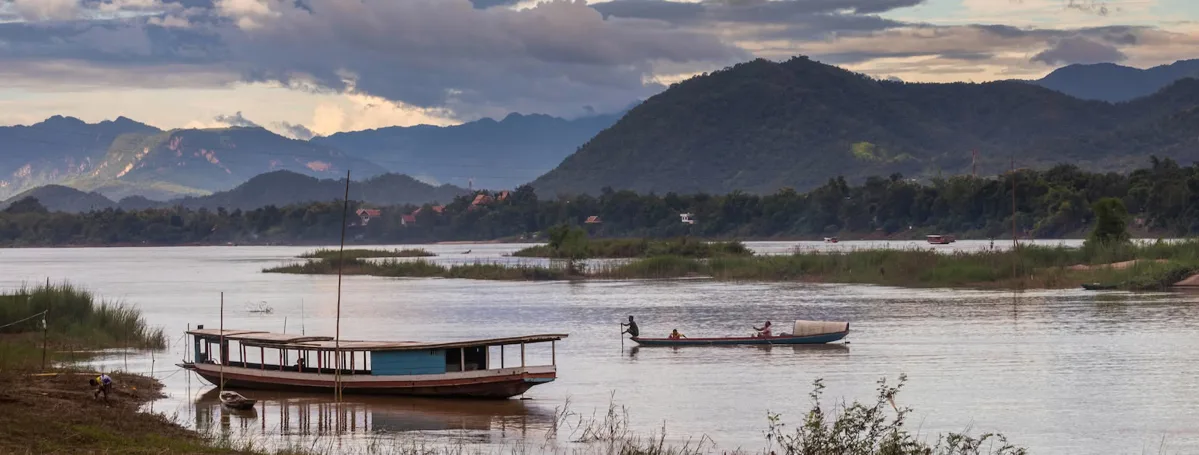
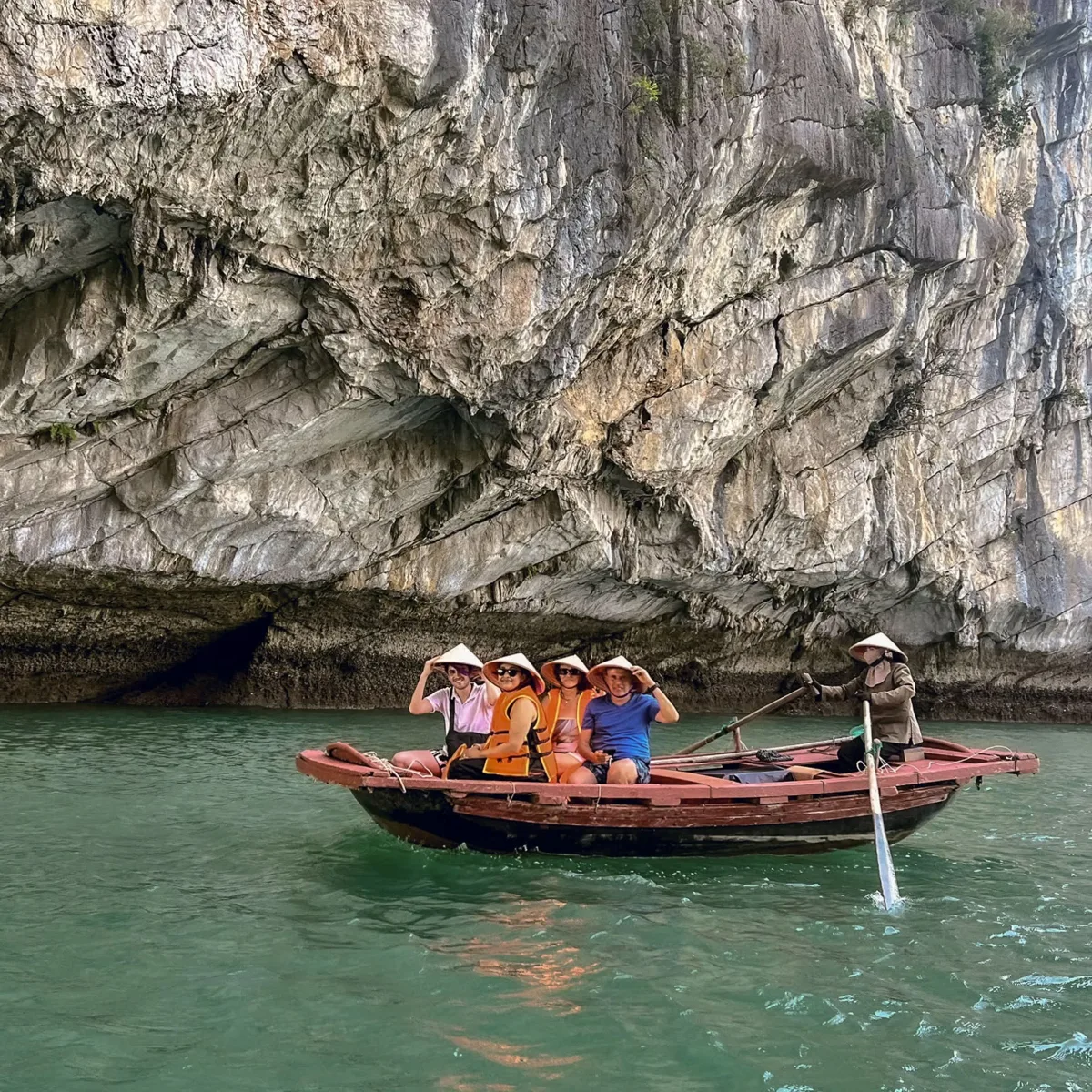
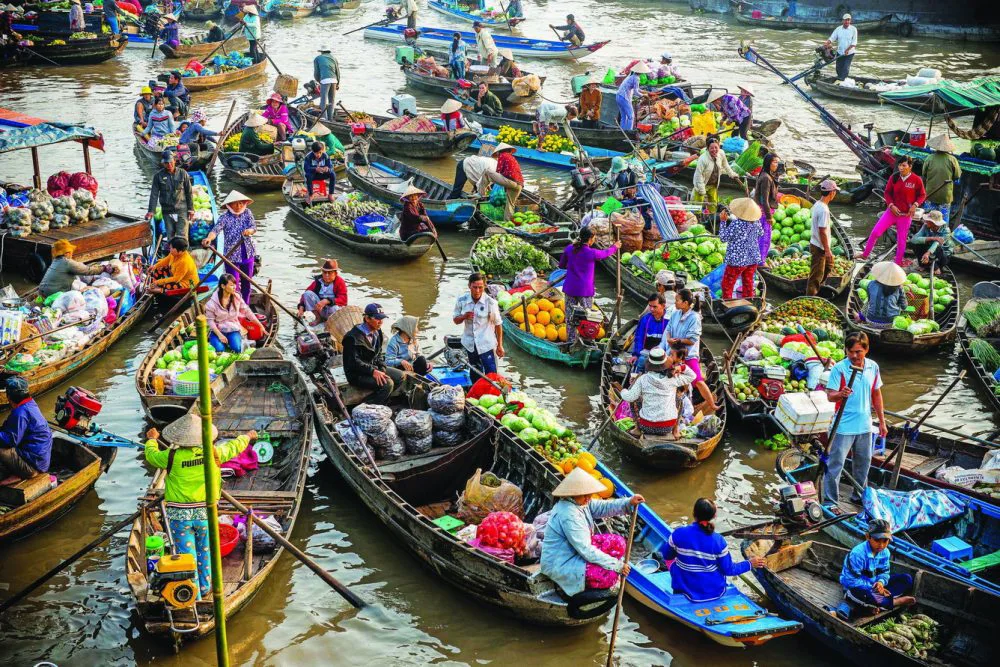
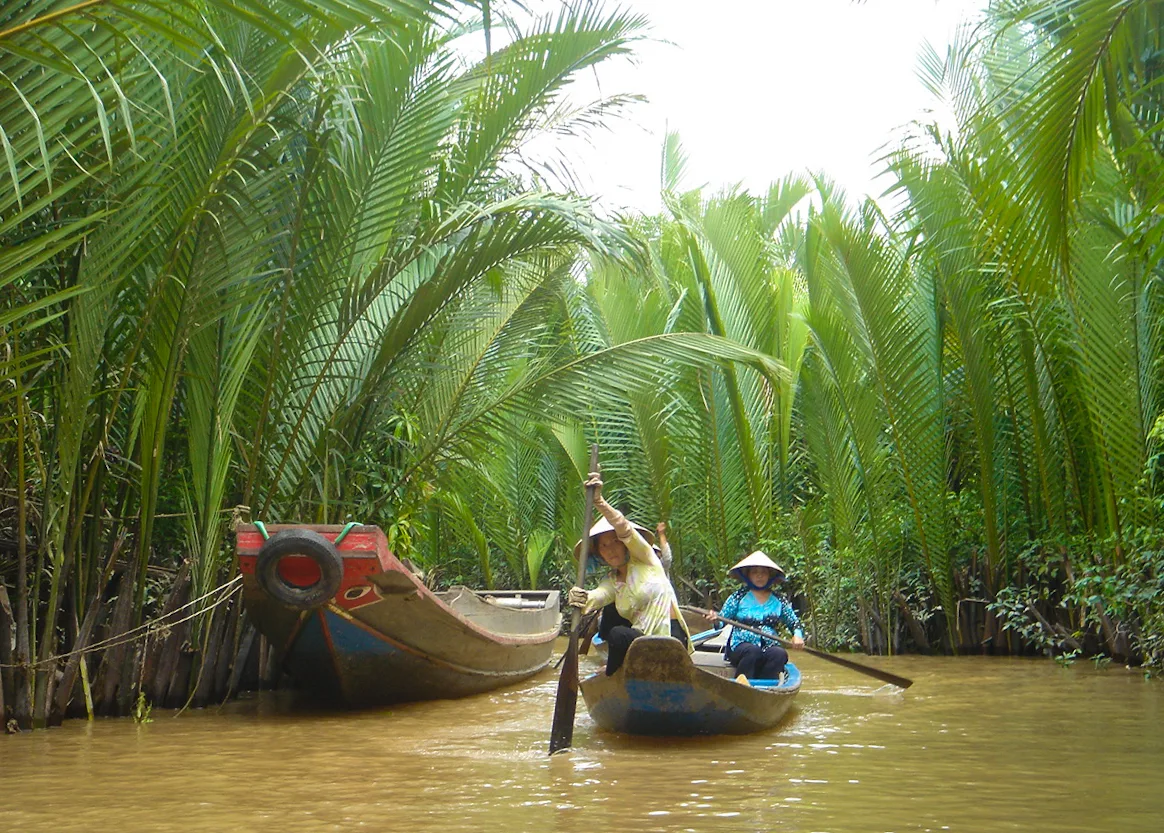
Exploring the Mekong Delta by boat offers a distinctive perspective on southern Vietnam's waterways. These cruises provide an opportunity to observe the daily rhythms of life along the river, passing by floating markets, aquaculture operations, Buddhist temples, and remnants of colonial architecture. Travelers can opt for journeys that range from several days to up to ten days, with routes often connecting Vietnam (specifically the Saigon area) with Cambodia (Phnom Penh or Siem Reap), or vice versa. Such trips typically involve stops at various locations, allowing for a deeper understanding of the local culture and environment.
For those interested in a more luxurious experience, boutique river cruises are available, such as those operated by the RV Mekong Princess. These longer excursions differ from shorter bay tours, providing an extended immersion into the region's unique ecosystem and cultural heritage. Beyond the cruises, the Mekong Delta is also an ideal location for experiencing local life firsthand through homestays. Staying with local families offers a chance to engage in daily activities, learn about regional customs, and appreciate the community's efforts in farming, fishing, and trading.
Historical Insights: Cu Chi Tunnels and War Remnants Museum
The Cu Chi Tunnels stand as a testament to the ingenuity and resilience of Vietnamese soldiers during wartime. This extensive underground network, once a refuge for the Southern army, now functions as a national historic site. Visitors can navigate a 120-meter section of the two-story tunnel system, gaining a tangible sense of the conditions faced by people during the conflict. The site also features reenactment areas displaying wartime remnants, such as aircraft, and offers a shooting range experience, with prices starting from US $6 per person depending on desired duration.
For a comprehensive understanding of Vietnam's past conflicts, the War Remnants Museum in Ho Chi Minh City is a crucial stop. The museum presents a powerful narrative of the war against the United States through a collection of over 20,000 documents and artifacts. Exhibits cover various themes, including global support for Vietnam during the war, the lasting effects of Agent Orange, and the harsh realities of the conflict. The museum serves as a significant educational institution, drawing thousands of visitors annually who wish to learn about this pivotal period in the nation's history.
Ho Chi Minh City: Markets, Cuisine, and River Dining
Ho Chi Minh City, formerly known as Saigon, offers a dynamic urban experience. A central point for commerce and cultural exchange is Ben Thanh Market, which has been operational for over a century. This market is a hub for a wide array of products, from colorful handicrafts and brocade textiles to clothing and accessories. It is widely regarded as a prime location for finding local goods at competitive prices, reflecting the city's commercial history and contemporary retail scene.
The culinary landscape of Ho Chi Minh City, while not as ancient as some northern or central regions, has evolved through cultural integration, incorporating influences from Chinese, Cambodian, and Thai cuisines. Dishes often feature a notable use of sugar and coconut milk, creating distinct regional flavors. Trying the local street food is considered an essential part of the experience, with many options available that are both carefully prepared and visually appealing. For an evening activity, a dinner cruise on the Saigon River provides an opportunity to enjoy local and international dishes while observing the city's illuminated skyline. Options range from standard dinner cruises to more luxurious experiences, often accompanied by traditional Vietnamese music performances.
Coastal Retreats and Natural Wonders: Phu Quoc and Mui Ne
Phu Quoc Island, located off the coast of southern Vietnam, is celebrated for its natural beauty, featuring ancient forests, diverse wildlife, and numerous beaches. The island provides opportunities for engaging with unspoiled nature, including areas without permanent inhabitants, suitable for activities such as camping, swimming, and exploring the wilderness. Key attractions on Phu Quoc include the VinWonders Phu Quoc entertainment complex, snorkeling at Doi Moi Island to observe marine life and coral reefs, and exploring the biodiversity of Phu Quoc National Park. Visitors can also learn about local history at Phu Quoc Prison, enjoy panoramic views from a cable car, and visit agricultural sites such as pepper plantations, sim wine factories, and fish sauce production facilities.
Further along the southern coast, Mui Ne is known for its distinctive Red and White Sand Dunes, often likened to a desert landscape within Vietnam. These dunes offer recreational activities such as motorcycle racing, and provide ample opportunities for photography, particularly at sunset when the sky displays a range of colors. The expansive sandy terrain creates a memorable visual experience, especially for those seeking unique natural formations.
Experiencing South Vietnam: Key Sites and Activities
Below is a summary of prominent attractions and activities in Southern Vietnam, detailing their primary characteristics and any available practical information from the source material.
| Attraction/Activity | Description | Best For | Price/Details |
|---|---|---|---|
| Mekong River Cruise | Luxury boat tours exploring the Mekong Delta waterways, often connecting Vietnam and Cambodia. | Luxury travelers, relaxation seekers | From US $1000 per person (average price for multi-day cruise). Up to 10 days duration. |
| Cu Chi Tunnels | Underground network used by Vietnamese soldiers during wartime, offering tours of the tunnel system. | History enthusiasts, those interested in military history | Shooting range from US $6 per person. |
| War Remnants Museum | Museum displaying artifacts and photographs from the Vietnam War, focusing on its impact. | History lovers, educational visits | Details not supplied in source. |
| Ben Thanh Market | Historic market in Ho Chi Minh City offering handicrafts, clothing, and local products. | Shoppers, cultural explorers | Details not supplied in source. |
| Sai Gon Local Food | Diverse cuisine influenced by regional traditions, featuring street food and unique flavors. | Food lovers, culinary explorers | Details not supplied in source. |
| Sai Gon River Dinner Cruise | Evening cruises on the Saigon River with dining and city views. | Couples, families, evening entertainment | Two options: Dinner Cruise on Saigon River, Luxury Dinner Cruise on Saigon River. |
| Phu Quoc Island | Island known for natural landscapes, beaches, and various recreational activities. | Nature lovers, adventure seekers, families | Activities include VinWonders, snorkeling, national park, cable car. |
| Mui Ne Sand Dunes | Red and White Sand Dunes offering unique landscapes and activities like motorcycle racing. | Adventure seekers, photographers, nature enthusiasts | Details not supplied in source. |
| Mekong Delta Homestay | Opportunities to stay with local families and participate in daily village life. | Cultural travelers, those seeking authentic experiences | Details not supplied in source. |
| Cai Rang Floating Market | Large floating market in the Mekong Delta, known for trading agricultural products. | Cultural travelers, photographers | Best to visit at dawn. |
Frequently Asked Questions
What are the main transportation options for reaching these Southern Vietnam destinations?
Travelers typically arrive in Southern Vietnam via Ho Chi Minh City's international airport. From there, domestic flights, buses, or private cars are common for reaching destinations like Phu Quoc Island or Mui Ne. For exploring the Mekong Delta, various boat tours and cruises depart from regional hubs. Overnight rail journeys in Vietnam also connect major cities, though specific routes to all southern destinations may vary.
What kind of local products can I find at Ben Thanh Market?
Ben Thanh Market offers a wide variety of local products, including intricate handicrafts, traditional brocade towels, and a range of clothing and accessories. It is considered an excellent place to find authentic local items and souvenirs. For more ideas on unique purchases from a trip to Vietnam, consider exploring other markets and specialty shops in the region.
Are there options for luxury travel in Southern Vietnam?
Yes, luxury travel options are available, particularly with Mekong River cruises. These often involve multi-day journeys on boutique vessels, offering enhanced comfort and services. Additionally, certain accommodations and dining experiences in Ho Chi Minh City, such as luxury dinner cruises on the Saigon River, cater to those seeking premium services.
What is the best time to visit the Cai Rang Floating Market?
To experience the Cai Rang Floating Market at its most active and to witness the bustling trade atmosphere, it is highly recommended to visit at dawn. This early morning timing also provides an opportunity to observe the scenic beauty of the river and sky as the day begins.
What are some unique culinary experiences in Southern Vietnam?
Southern Vietnamese cuisine is known for its distinct flavors, often incorporating sugar and coconut milk, and drawing influences from neighboring cultures. Trying local street food in Ho Chi Minh City is a must for food enthusiasts. Additionally, wartime specialties like sweet potato and boiled cassava with sesame salt can be sampled during a visit to the Cu Chi Tunnels, offering a taste of historical sustenance.