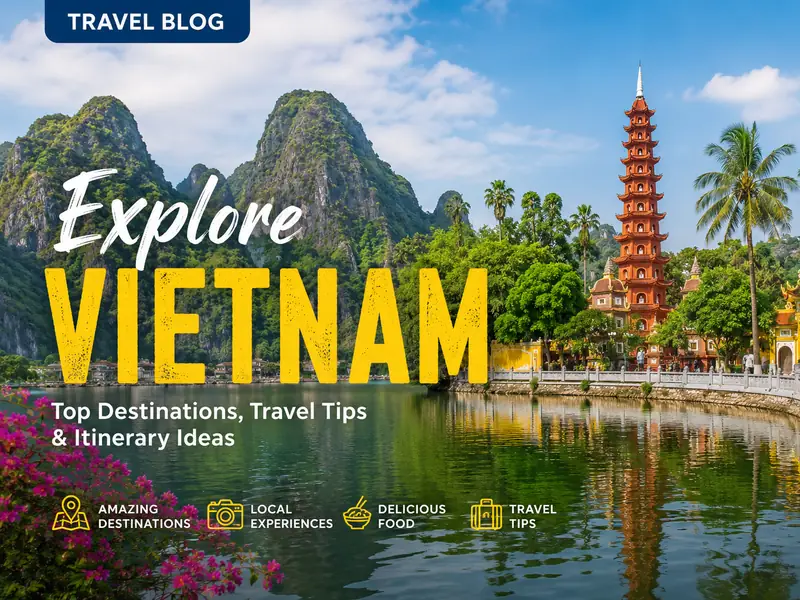
Vietnam offers a diverse range of opportunities for travelers seeking to engage with the country's natural beauty and rich cultural heritage in a mindful way. Sustainable tourism initiatives across the nation are creating pathways for visitors to connect deeply with destinations, supporting local communities and preserving environments. These experiences prioritize respect for nature, cultural authenticity, and community benefit, ensuring that travel leaves a positive mark.
From the terraced mountainsides of the north to the intricate waterways of the south, various tour operators are developing programs that move beyond conventional sightseeing. These options allow for meaningful interactions, whether it's learning traditional crafts, participating in local farming, or observing wildlife in protected habitats, all while contributing to the well-being of the places visited.
Understanding Sustainable Tourism in Vietnam
Sustainable tourism in Vietnam focuses on minimizing negative impacts while maximizing positive contributions to local economies, cultures, and environments. This approach often involves supporting local businesses, respecting cultural norms, and participating in activities that promote conservation. Travelers choosing these tours can expect experiences that offer authenticity and a sense of purpose, knowing their journey contributes to the destination's long-term health.
Key aspects of responsible travel in Vietnam include engaging with ethnic minority groups in a respectful manner, choosing accommodations that are locally owned, and participating in activities that educate about environmental preservation. These tours are designed to create genuine connections between visitors and the places they explore, fostering a deeper appreciation for Vietnam's unique character.
Northern Vietnam: Limestone Karsts and Cultural Encounters
A few hours south of Hanoi, Northern Vietnam presents some of the country's most scenic landscapes. This region, sometimes called the 'limestone loop,' follows a mountain range from the Laos border to the coast, linking Mai Châu valley to Cúc Phương National Park and the UNESCO-listed karst formations of Ninh Bình. Travelers interested in ancient pagodas, serene boat excursions, and natural surroundings will find this area particularly appealing.
365 Travel provides a four-day sustainable tour that highlights the limestone loop while also supporting small communities. Participants can spend a night in a traditional Thai stilt house in Mai Châu, with opportunities for cycling or hiking through rice fields and small villages. The itinerary also includes exploring the abundant wildlife and ancient trees within Cúc Phương National Park, visiting Vietnam's former capital at Hoa Lư, and navigating beneath grottoes and towering karsts in Tam Cốc.
Sapa's Terraced Landscapes and Ethnic Traditions
For centuries, ethnic minority groups have sculpted rice terraces into the hills and slopes of Sapa, creating one of Vietnam's most distinctive highland areas. This mountainous terrain is dotted with ethnic villages, bamboo forests, and flowing streams. Here, many H'mong and Red Dao communities maintain traditional practices such as wet-rice farming and foraging, residing in slatted wood homes and wearing their intricately embroidered clothing.
To fully experience Sapa, consider a personalized tour with Sapa Sisters, a social enterprise entirely managed by H'mong women. Their tours, ranging from one to three days, can be customized to include visits to colorful markets, workshops for creating batik printed fabric, cooking H'mong dishes over an open fire, and learning about the local people. For those visiting in August or September, rice harvesting activities can also be added to the itinerary.
Central Vietnam's Coastal Routes and Historical Sites
Central Vietnam serves as an excellent travel destination, blending ancient cultural sites, beautiful coastlines, and distinct regional cuisine. The impressive caves and jungles of Phong Nha-Ke Bang National Park, the Imperial Citadel and royal tombs of Hue, and the expansive views from Hai Van Pass are all accessible within a few hours of each other. History enthusiasts will appreciate Hoi An's charming Ancient Town and the enigmatic Cham ruins of My Son Sanctuary.
Grasshopper Adventures, a sustainable tour operator, has curated the prominent attractions of the central region into an engaging cycling tour. The 'Central Vietnam Cycle Tour' is designed for travelers with moderate cycling experience, offering a relaxed journey between coastal stops. The tour incorporates backroad routes, visits to UNESCO World Heritage Sites, and local homestay experiences, aiming to provide a deeper understanding of Vietnamese culture. Riders can also enjoy breaks for treks, train rides, and free afternoons for independent exploration.
The Central Highlands: Indigenous Cultures and Nature
Vietnam's Central Highlands represent a less-explored area of natural splendor, home to several fascinating ethnic groups who have steadfastly preserved their long-standing traditions. Across the region's plains and hillsides, communities like the Ede, M’nong, Garai, and K’Ho construct villages using indigenous architectural styles, celebrate festivals with gong performances and folk dances, and cultivate crops such as coffee, cacao, and corn. Even in Buôn Ma Thuột, the provincial capital of Dak Lak province, ethnic presence is notable, showcased at the city's annual coffee festival and its excellent ethnology museum. Travelers interested in Vietnam's evolving coffee culture will find this region particularly insightful.
Leading sustainable tour operator EXO Travel has developed a journey through the Central Highlands that emphasizes community-based tourism and the region's natural highlights. This five-day tour takes visitors into the heart of the Central Highlands, featuring remote ethnic villages from Kon Tum to Buôn Ma Thuột. Participants can meet, dance, and dine with Gia Ra, Sodra, Bahnar, and Jan minorities, trek to powerful waterfalls, and enjoy Vietnam's first ethical elephant tour at Yok Đôn National Park.
Southern Vietnam: Wildlife and Waterways
Cát Tiên National Park: Biodiversity Exploration
Protected since the 1970s, Cát Tiên National Park is located just a few hours north of Ho Chi Minh City. This extensive park spans over 700 square kilometers across three provinces and is one of the few locations in Southern Vietnam where rare birds, yellow-cheeked gibbons, and pangolins can be observed in their natural habitat. Cát Tiên is also home to over 1,600 plant species, alongside elephants, crocodiles, and bears.
Footprint Travel offers a two-day 'Mindful Trek' designed for nature enthusiasts, venturing deep into Cát Tiên National Park. The itinerary includes hiking along tropical rainforest trails, identifying local flora and fauna with expert environmentalists, and canoeing on the Đồng Nai River to observe birds at dusk. A limited number of visitors are permitted daily to help maintain the park's natural state, and travelers contribute directly to conservation, as 30% of tour proceeds support environmental education projects by the Save Cat Tien Group.
Mekong Delta: River Life and Local Flavors
The Mekong Delta, a region where water and land intertwine, is best explored by bicycles and boats, offering countless shaded paths and canals. This captivating area in Southern Vietnam presents a distinct world, with small towns along the Mekong River and its tributaries showcasing vibrant scenes. As one of the country's most fertile regions, visitors are frequently treated to platters of ripe fruit, freshly caught fish, and delicious essential dishes. For those interested in exploring Mekong Delta's border town, Chau Doc offers further insights into riverine life.
To highlight the Mekong Delta while making a positive contribution, Travelife-certified operator Images Travel has created a three-day tour departing from Ho Chi Minh City. This tour includes a visit to the house of Marguerite Duras’ ‘The Lover’ in Sa Đéc, as well as one of the region’s most intriguing floating markets in Long Xuyên. Other activities feature bicycle tours of verdant islets, overnight stays in family-run homestays, and authentic Mekong-style lunches.
Choosing a Sustainable Tour Operator in Vietnam
When planning a trip focused on responsible tourism in Vietnam, selecting an operator committed to sustainable practices is crucial. The following table outlines some of the featured tour operators and their offerings, based on the information provided. Please note that specific addresses, phone numbers, and direct booking details for these operators were not supplied in the source material, and travelers should verify current information directly with the operators.
| Tour Operator | Region/Focus | Tour Name/Duration | Key Activities | Specific Details |
|---|---|---|---|---|
| 365 Travel | Northern Vietnam (Limestone Loop) | 4-day sustainable tour | Cycling, hiking, wildlife, boat rides, homestay | Supports small communities; overnight in Thai stilt house in Mai Châu; visits Cúc Phương, Hoa Lư, Tam Cốc. |
| Sapa Sisters | Sapa Highlands | 1-3 day personalized tours | Market visits, batik making, H'mong cooking, rice harvesting (Aug/Sep) | Social enterprise owned by H'mong women; focuses on local traditions. |
| Grasshopper Adventures | Central Vietnam | 'Central Vietnam Cycle Tour' | Moderate cycling, backroad routes, UNESCO sites, homestays, treks, train rides | Designed for cyclists; includes breaks for exploration. |
| EXO Travel | Central Highlands | 5-day community-based tour | Meet ethnic minorities, dance, eat, trek to waterfalls, ethical elephant tour | Focuses on community-based tourism; visits remote villages from Kon Tum to Buôn Ma Thuột; Yok Đôn National Park. |
| Footprint Travel | Cát Tiên National Park | 2-day 'Mindful Trek' | Hiking tropical rainforest, flora/fauna spotting, canoeing on Đồng Nai River | Expert environmentalists; limited daily visitors; 30% proceeds to Save Cat Tien Group. |
| Images Travel | Mekong Delta | 3-day tour from Ho Chi Minh City | Visit Marguerite Duras' house, Long Xuyên floating market, bicycle tours, homestays, Mekong lunches | Travelife-certified operator. |
Frequently Asked Questions
What defines a sustainable tour in Vietnam?
A sustainable tour in Vietnam is characterized by its commitment to minimizing environmental impact, preserving cultural heritage, and supporting local communities. These tours often involve engaging with ethnic minorities respectfully, staying in locally-owned accommodations, and participating in activities that contribute to conservation efforts.
Which regions in Vietnam are best for eco-friendly travel?
Several regions in Vietnam are ideal for eco-friendly travel, including the Northern Limestone Loop (Mai Châu, Ninh Bình, Cúc Phương National Park), Sapa's highlands, the Central Highlands (Đắk Lắk, Kon Tum), Cát Tiên National Park in the South, and the Mekong Delta. Each area offers unique opportunities for responsible exploration.
How do sustainable tours benefit local communities?
Sustainable tours benefit local communities by providing direct economic opportunities, such as income for homestay hosts, local guides, and artisans. They also help preserve traditional cultures and crafts by creating demand for authentic experiences and products, and sometimes directly fund local development or conservation projects.
Can I participate in cultural activities on these tours?
Yes, cultural immersion is a core component of many sustainable tours in Vietnam. Activities can include learning traditional cooking, participating in folk dances, visiting local markets, making traditional crafts like batik, and engaging in farming activities like rice harvesting, particularly in regions with strong ethnic minority presence.
Are there ethical wildlife experiences available?
Yes, some sustainable tours offer ethical wildlife experiences. For example, the Central Highlands features Vietnam's first ethical elephant tour in Yok Đôn National Park. These experiences prioritize the well-being of animals and contribute to conservation, often guided by environmental experts, and adhere to strict ethical guidelines.