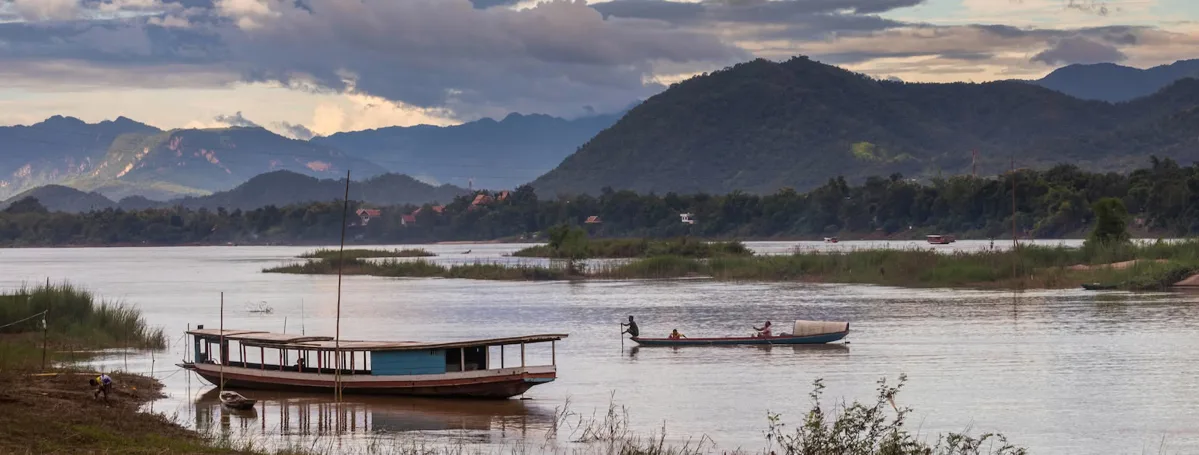
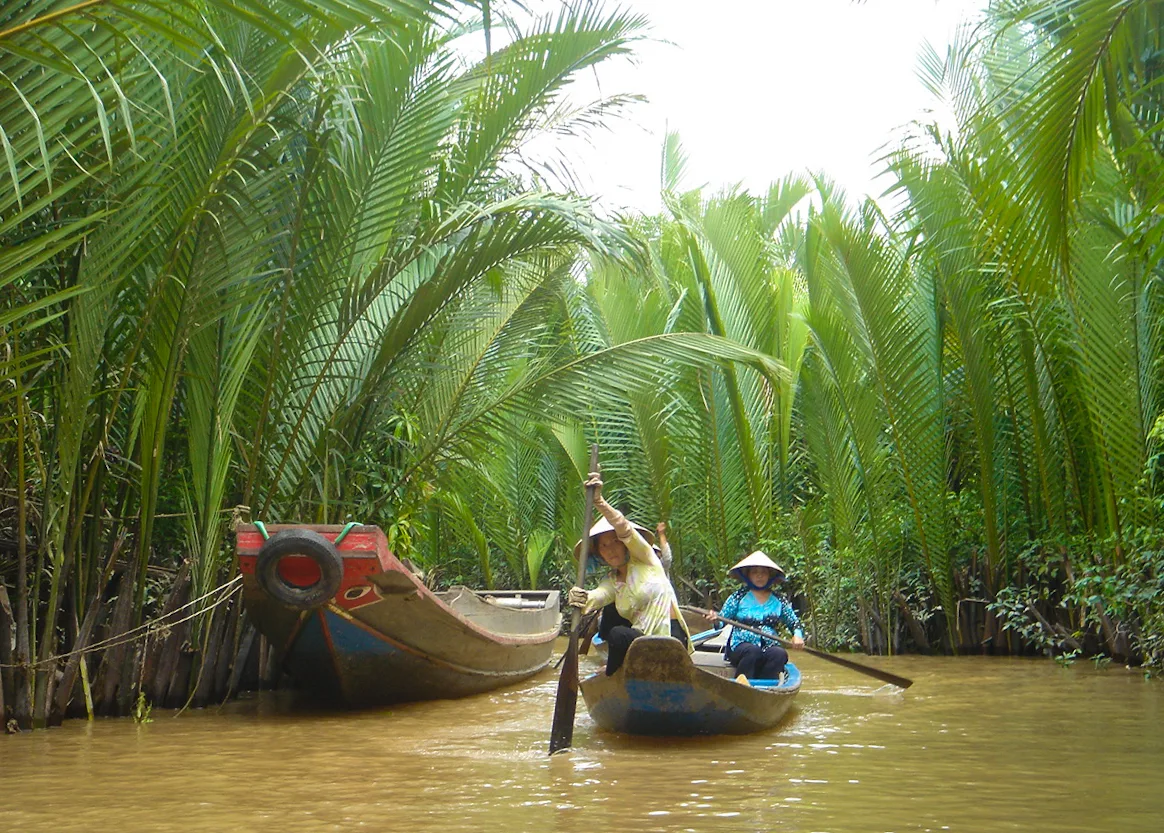
The Mekong Delta region of Vietnam is well-known for its numerous waterways and the floating markets that thrive upon them. While many travelers are familiar with markets like Cai Rang in Can Tho, Nga Nam Floating Market in Soc Trang province presents a different, equally compelling experience. This market serves as a central point for local trade, distinguished by its unique geographical setting and authentic atmosphere.
The Distinctive Location of Nga Nam Market
Situated approximately 60 kilometers from the heart of Soc Trang city, Nga Nam Floating Market is found within the town of the same name. The market's designation, "Nga Nam," translates from Vietnamese as "five directions," a name derived from its position at the confluence of five separate river branches. These waterways connect to various areas, including Ca Mau, Vinh Quoi, Long My, Thanh Tri, and Phung Hiep, making it a natural hub for regional commerce.
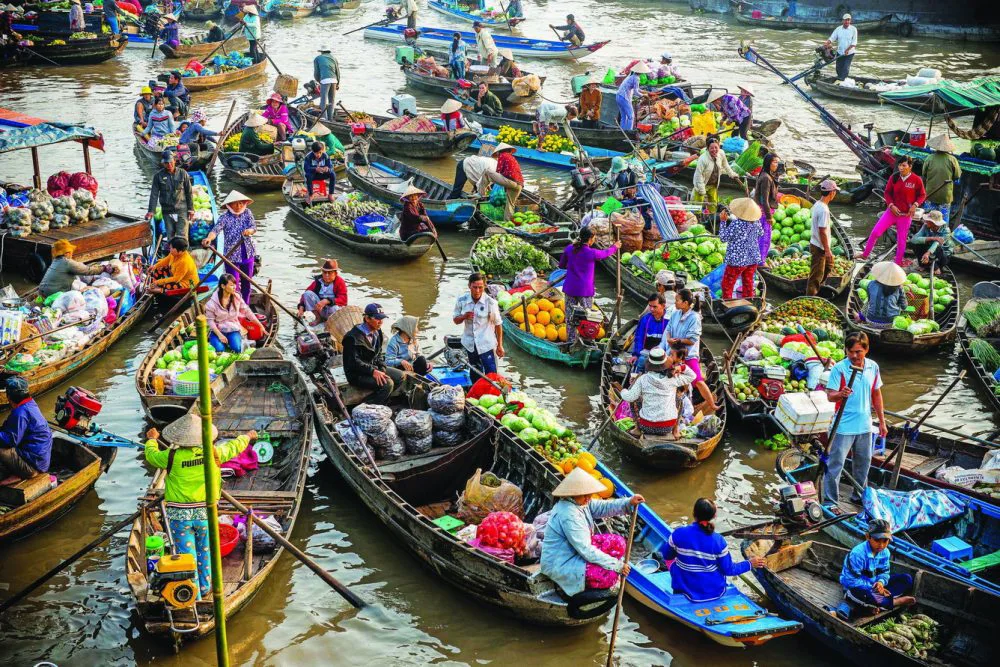
The market's origins trace back to the period when the French constructed the Phung Hiep canal. This development encouraged people to gather in the area for trading purposes, gradually establishing the distinctive floating market that characterizes the western part of Vietnam today. All commercial transactions occur directly on the boats, which navigate the river carrying a wide array of goods.
Daily Commerce and Offerings at Nga Nam
Activity at Nga Nam Floating Market commences remarkably early, typically between 3 and 4 in the morning, with the peak trading period occurring from 5 to 7 AM. During significant local festivals, the market extends its operations throughout the entire day. As a primary local market, it caters to the daily necessities of residents, offering a diverse selection of products.
The goods available include fresh produce like vegetables and fruits, along with staples such as salt, fish, and various meats. Beyond raw ingredients, visitors can find clothing, fabrics, and even prepared items like coffee and breakfast meals. The market's function as a local provision source ensures a genuine insight into regional life.
A Visitor's Experience at the Market
While local merchants at Nga Nam were once unaccustomed to international visitors, they are now familiar with tourists who frequent the market daily. Travelers often encounter the welcoming smiles of vendors, many dressed in traditional Ba Ba shirts. The market provides an opportunity to sample typical Mekong Delta dishes and enjoy fresh, locally grown fruits.
A notable feature of Nga Nam Floating Market is the use of "advertising sticks." Each boat displays a pole at its front, from which samples of the goods for sale are hung. This system simplifies navigation for both local customers and first-time visitors, allowing them to easily identify what each boat offers within the busy waterways. When considering unique purchases from a trip to Vietnam, the market's fresh, garden-grown fruits are a popular choice.
Purchasing Goods and Local Interactions
Many sellers at Nga Nam Floating Market offer fruits directly from their home gardens, often noted for their sweetness and flavor, and generally perceived as free from the concerns associated with produce bought in urban areas. Bargaining is typically not necessary here, as the market is known for its honest pricing practices among vendors who have historically lived and traded with a spontaneous and straightforward approach. Visitors report that even brief conversations can sometimes result in small complimentary gifts.
Nga Nam Market's Regional Significance
Nga Nam Floating Market stands as a significant cultural and economic landmark within the Mekong Delta. It is often mentioned alongside other prominent regional attractions, such as Bat Pagoda and the Ok Om Bok festival, as a key destination for those exploring the area. Its authentic character offers a contrast to larger, more tourist-oriented markets, providing a deeper understanding of local customs and daily routines.
Practical Advice for Visiting Nga Nam
To experience the market at its most active, planning a visit in the early morning, ideally between 5 AM and 7 AM, is recommended. During this time, the river is most crowded with boats, showcasing the full scope of trading activities. While the market operates throughout the day during major festivals, the early hours offer the most characteristic view of its daily operations. For travelers exploring the wider Mekong Delta, understanding local financial services can be helpful; for instance, information on Can Tho City banking services for travelers is available.
| Feature | Description |
|---|---|
| Location | Nga Nam Town, Soc Trang Province (approx. 60km from Soc Trang city) |
| Operating Hours | Early morning (3-4 AM start), busiest 5-7 AM; all day during major festivals |
| Goods Traded | Fresh produce, food, fish, meat, clothing, coffee, breakfast items |
| Unique Aspects | "Advertising sticks" on boats, boats as homes/stalls, honest pricing |
| Visitor Experience | Friendly interactions, local cuisine, fresh garden fruits |
Frequently Asked Questions
What is Nga Nam Floating Market known for?
Nga Nam Floating Market is recognized for its unique location at the convergence of five river branches, its early morning trading activities, and its authentic local atmosphere where vendors sell a variety of goods directly from their boats.
When is the best time to visit Nga Nam Floating Market?
The optimal time to visit is during the early morning, specifically between 5 AM and 7 AM, when the market is most active with numerous boats engaged in trade.
What types of products can be found at Nga Nam Floating Market?
Visitors can find a wide range of local products, including fresh vegetables, fruits, fish, meat, salt, clothing, fabrics, and prepared foods like coffee and breakfast items.
Is bargaining common at Nga Nam Floating Market?
Bargaining is generally not necessary at Nga Nam Floating Market, as vendors are known for their honest and straightforward pricing.
How does Nga Nam Floating Market compare to other markets in the Mekong Delta?
While other markets like Cai Rang are larger, Nga Nam offers a more traditional and less tourist-oriented experience, characterized by its distinctive five-way river intersection and strong local community feel.