Halong Bay in January offers a distinct atmosphere, characterized by cooler, drier conditions and a generally tranquil environment. Visitors during this month can expect mild temperatures, minimal rainfall, and a serene landscape often enhanced by morning mist, providing a different perspective on this renowned natural wonder. This period is ideal for those who prefer a calmer travel experience away from the peak heat and larger crowds of other seasons.
Understanding the specific weather patterns and local events in January is key to maximizing your trip. While the bay maintains its natural grandeur, the cooler air and unique cultural celebrations, particularly around the Lunar New Year, present opportunities for different kinds of exploration and enjoyment. This guide provides detailed insights into what to anticipate and how to prepare for a rewarding visit to Halong Bay at the start of the year.
January Weather Patterns in Halong Bay
The weather in Halong Bay during January is typically cool and dry, with soft sunshine creating favorable conditions for navigating the impressive limestone formations. This time of year reveals a calm, often misty beauty, transforming the bay into a peaceful winter scene. As a premier natural attraction in Vietnam, Halong Bay provides a quiet retreat with fewer visitors and expansive views. Here is a detailed look at the weather conditions you can expect.
Temperatures in Halong Bay during January are generally pleasant and refreshing, with average readings around 17°C. While nighttime lows can drop to approximately 12°C, daytime highs usually reach up to 19°C. Compared to the colder inland areas and mountainous northern regions of Vietnam, Halong Bay offers a more consistent and agreeable winter climate. The air might feel somewhat brisk in the early morning and late afternoon, but overall, conditions remain mild and suitable for outdoor activities and relaxation.
January is notably one of the driest months in Halong Bay, with rainfall typically totaling around 15 to 20mm across the entire month. Light drizzle might occur on a few days, but skies generally remain clear. As part of northern Vietnam’s dry season, the relatively low humidity, averaging about 65%, contributes to a comfortable environment, making it an excellent time for open-air exploration and boat trips across the bay.
The refreshing atmosphere in Halong Bay during January is supported by air quality that usually ranges from good to moderate. The Air Quality Index (AQI) commonly falls between 33 and 56, indicating that the air is generally clean and safe for most travelers. Additionally, the UV index averages around 4, a moderate level that suggests basic sun protection may be necessary, especially during midday hours.
January weather in Halong Bay is influenced by the northeast monsoon, which brings cool, dry air and consistent northeasterly winds, typically blowing at 10 to 15 km/h. Occasionally, wind speeds can increase to 20 to 25 km/h, leading to choppier conditions in open waters. However, the numerous limestone islets within the bay act as natural shields, keeping many areas calm and navigable. From time to time, cold fronts originating from China can pass through, causing temperatures to drop sharply to as low as 8°C. These brief but intense cold spells usually last two to three days and can make the air feel particularly sharp, especially when on the water.
| Characteristic | January Conditions |
|---|---|
| Average Temperature | 17°C (Day: 19°C, Night: 12°C) |
| Rainfall | 15-20 mm (very low) |
| Humidity | ~65% (dry) |
| Air Quality Index (AQI) | 33-56 (Good to Moderate) |
| UV Index | ~4 (Moderate) |
| Wind Speed | 10-15 km/h (Northeasterly) |
| Sea Temperature | 21°C |
Is January the Right Time for Your Halong Bay Visit?
For individuals desiring a calm retreat amidst impressive natural scenery, January presents an excellent opportunity to experience Halong Bay. The weather during this month is characterized by cool, crisp air, low humidity around 65%, and generally clear skies. Morning mists frequently drift over the calm waters, creating a serene and almost dreamlike ambiance that is distinctive to this time of year.
The weather is typically dry and stable, making January an advantageous month for activities such as cruising, kayaking, or simply admiring the towering limestone formations. Rainfall is infrequent, and disruptions to scheduled tours are minimal. Adding to the appeal is the festive mood leading up to the Lunar New Year, which offers visitors a glimpse into local customs and colorful decorations throughout the region. However, it's important to clarify prices in advance to avoid unexpected costs, and for any financial needs during your stay, refer to a guide on banking services in Halong City.
Despite its many advantages, January might not be suitable for every traveler. Cold spells can cause temperatures to fall below 8°C (46°F), which could be uncomfortable for those seeking warm beach weather or families with very young children. The sea remains too cool for most to comfortably swim, and shorter daylight hours can limit the duration of outdoor activities. Furthermore, this period often sees an increase in international tourists, so anticipate more company and potentially higher prices for some services.
In summary, if you appreciate peaceful winter landscapes, invigorating weather, and opportunities for cultural engagement, January is a wonderful time to explore Halong Bay. Just be prepared for cooler temperatures and a slightly busier environment than the absolute low season.
Festivals and Cultural Highlights in January
Halong Bay in January offers more than just cool breezes and scenic vistas; it also provides a chance to experience two significant celebrations that infuse your trip with cultural richness and lively energy.
International New Year (January 1st)
As the world celebrates the arrival of a new year, Halong Bay participates with special holiday-themed cruises. Many vessels are adorned with festive decorations, hosting countdown events, live music, and unique dining experiences. This period often coincides with the Western winter holiday season, allowing travelers to find exclusive cruise promotions. For many, welcoming the New Year while sailing past the majestic limestone islands creates a truly memorable occasion.
Vietnamese Lunar New Year (Tet)
Occurring in late January or early February (in 2025, Tet falls between January 27 and February 2), Tet is Vietnam’s most important national holiday. During this time, the local environment becomes joyful and animated, filled with traditional customs, vibrant decorations, and symbolic foods. While some local businesses might temporarily close, cruise tours often continue operations and may offer even more specialized experiences. Onboard, guests can enjoy seasonal dishes such as Banh Chung and Nem Ran, observe cultural performances, and feel the deep-rooted spirit of Vietnamese family celebration.
Recommended Activities for Halong Bay in January
Halong Bay in January provides a unique backdrop for various activities, from serene cruises to cultural explorations. The cooler, drier weather makes many outdoor and indoor experiences particularly enjoyable.
Cruising Through the Limestone Karsts
Relaxing on the sundecks of a cruise ship in Halong Bay during January offers a tranquil escape, surrounded by the bay's natural grandeur. While enjoying the sun, sipping beverages, and admiring expansive panoramic views in cooler temperatures, you can appreciate a more private atmosphere with fewer domestic visitors. For indoor pursuits, consider participating in a cooking class to learn how to prepare fresh Vietnamese spring rolls, enjoy a traditional tea ceremony in the evening, or revitalize your body and mind with a massage treatment. For a more active experience, kayaking alongside the beautiful limestone caves is a popular inclusion on many Halong Bay itineraries.
Aerial Views by Seaplane
For those seeking an active and luxurious travel experience, exploring the beauty of Halong Bay by seaplane in January is highly recommended. The weather conditions are typically ideal for flying, providing spectacular panoramic views of the limestone karsts and the emerald waters below. Clear skies and calm seas create perfect circumstances for an extraordinary aerial adventure. Traveling by seaplane allows you to gain a bird's-eye perspective of this heritage site, with its thousands of unique limestone islands and clear waters, ensuring an unforgettable memory.
Exploring Local Markets
Wander through lively markets such as the Ha Long Night Market, where you can discover local seafood, handmade souvenirs, snacks, and clothing. January evenings are cool and full of local energy, perfect for experiencing the regional pace of life and sampling delicious street food. It’s an excellent way to interact with local residents, find gifts for Tet, and explore regional specialties like the famous squid cakes (Cha Muc).
Enjoying Traditional Cuisine
As the Lunar New Year approaches, some cruises feature special Vietnamese dishes, including the iconic Banh Chung, which is primarily available during this season. The inclusion of such delicacies can vary by cruise. Banh Chung offers a delightful combination of tastes: the chewy sweetness of sticky rice, the rich creaminess of mung beans and pork, and a subtle balance of saltiness and sweetness, all encased in the aromatic scent of Dong Leaves. Sampling Banh Chung provides international visitors with a unique introduction to a cherished Vietnamese tradition.
Art Performances on Cruises
Guests can enjoy various artistic presentations, such as traditional music, or simply unwind with soothing background melodies in the comfortable ambiance of their cruise. Some vessels, like the Heritage Cruise Binh Chuan, offer traditional music during dinner, while others, such as the Ambassador Cruise and Paradise Grand Cruise, provide more contemporary musical entertainment.
Relaxing in "Mini Dalat" Cafes
Tucked away among the hills and quiet neighborhoods are charming cafes that evoke the atmosphere of Dalat, featuring cool breezes, vintage architectural styles, and flower gardens. Popular choices include The 1984 Coffee, Nang Coffee & Tea, and La Luna. These spots are perfect for a cozy morning or a peaceful afternoon after sightseeing. Bring a book, enjoy a warm beverage, and let Halong’s unexpected cafe culture surprise you.
Swimming (with caution)
Swimming in January is generally not recommended for everyone, especially those unaccustomed to cooler water, as the average sea temperature is around 21°C. However, this month offers a distinct experience with fewer people at popular beaches like Titop and Bai Trai Dao, where the water is exceptionally clear and the sand is soft and white. The cooler weather can be invigorating, making the beach a peaceful retreat. After swimming, visitors can relax on the sand, enjoying the sun and fresh air. Before entering the water, it is advisable to warm up with some movements. Stop swimming if you feel numbness in your extremities, dry yourself immediately with a towel, and put on warm clothing after exiting the water.
Practical Advice for Visiting Halong Bay in January
Visiting Halong Bay in January provides a distinct and peaceful experience. With cool temperatures, light morning fog, and fewer tourists, it’s an opportune time for sightseeing and relaxation. Here are essential tips to help you prepare for your journey:
Planning and Booking
- Book early: January is considered part of the high season due to pleasant weather and the approach of Tet (Vietnamese Lunar New Year). Cruises and hotels can fill up quickly.
- Review booking terms carefully: Some services may apply surcharges during holidays. Clarify prices in advance to avoid unexpected costs.
- Check weather before activities: While the weather is generally dry and cool, occasional drizzle or strong winds might affect activities like kayaking or cave visits.
- Consider a visit to Yen Tu: Located just over an hour from Halong, Yen Tu is a renowned spiritual site featuring scenic mountains and pagodas. January is a lively time to explore Vietnamese culture as pilgrims begin gathering ahead of Tet.
What to Pack
- Layered clothing: Temperatures can be chilly, particularly in the early morning and evening. Pack light sweaters, jackets, or hoodies to remain comfortable during boat trips and outdoor excursions.
- Waterproof jacket or raincoat: Although January experiences minimal rainfall, it is wise to be prepared for occasional light showers, especially if you are joining a cruise or exploring caves.
- Insect repellent: Some cave areas and coastal forests may have mosquitoes, particularly in humid spots. Bring insect repellent for protection.
- Comfortable footwear: Wear supportive shoes for climbing cave steps or hiking on islands, and bring flip-flops or sandals for the beach or boat deck.
- Swimwear and sunscreen: On sunny days, you might still enjoy kayaking or a quick dip. Remember to pack swimwear and sun protection.
- Camera or smartphone: The morning mist creates a magical atmosphere across the limestone cliffs, perfect for capturing memorable photographs.
Suggested Itineraries for January
January is a beautiful time to visit Halong Bay, with cool weather ideal for sightseeing, relaxation, and light exploration. However, it is not the best season for swimming.
Two-Day, One-Night Halong Bay Trip (with 4-Hour Cruise)
Day 1: Depart from Hanoi – Explore Ha Long Bay (4-Hour Cruise Tour)
In the morning, depart from Hanoi with a scenic drive to Halong City, which typically takes around 3 to 3.5 hours. Upon arrival, enjoy a delicious seafood lunch at a local restaurant, savoring the fresh flavors of the sea. In the afternoon, embark on a 4-hour cruise across the magnificent limestone seascape of Halong Bay. Discover the mystical beauty of Thien Cung (Heavenly Palace Cave) or Dau Go (Wooden Stakes Cave), both filled with dramatic stalactites and local legends. If weather conditions are favorable, try kayaking and absorb the serene beauty of the bay while capturing stunning photos. As evening approaches, check into a seaside hotel or resort and unwind. Later, explore Halong Night Market at your own pace and enjoy dinner with local specialties—be sure to try the famous squid cake, “cha muc.”
Day 2: Leisurely Morning – Return to Hanoi
After breakfast, enjoy a relaxed morning with optional visits to the Sun World Complex for entertainment or the Quang Ninh Museum, known for its impressive architecture and cultural exhibitions (weather permitting). Enjoy a final lunch in Halong before heading back to Hanoi in the afternoon, concluding a brief yet memorable coastal escape.
Three-Day, Two-Night Halong Bay Trip (with Overnight Cruise)
This three-day, two-night itinerary offers a balanced experience, combining one night spent cruising through a natural wonder with another night relaxing at a coastal retreat.
Day 1: Hanoi – Halong Bay – Embark on an Overnight Cruise
In the morning, a shuttle departs from Hanoi for Halong Bay. Upon arrival around noon, guests board a 4–5-star cruise and enjoy a gourmet lunch while sailing through the impressive landscapes of Halong – Bai Tu Long or Halong – Lan Ha Bay (depending on the cruise route). In the afternoon, guests explore famous caves such as Sung Sot, Thien Canh Son, or Tra Bau, and enjoy kayaking or visiting traditional floating villages (depending on the itinerary). In the evening, after a delightful dinner on board, guests can join a Vietnamese cooking class, try squid fishing, or simply relax on the sundeck under the tranquil night sky of the bay.
Day 2: Cruise – Return to Shore – Coastal Retreat
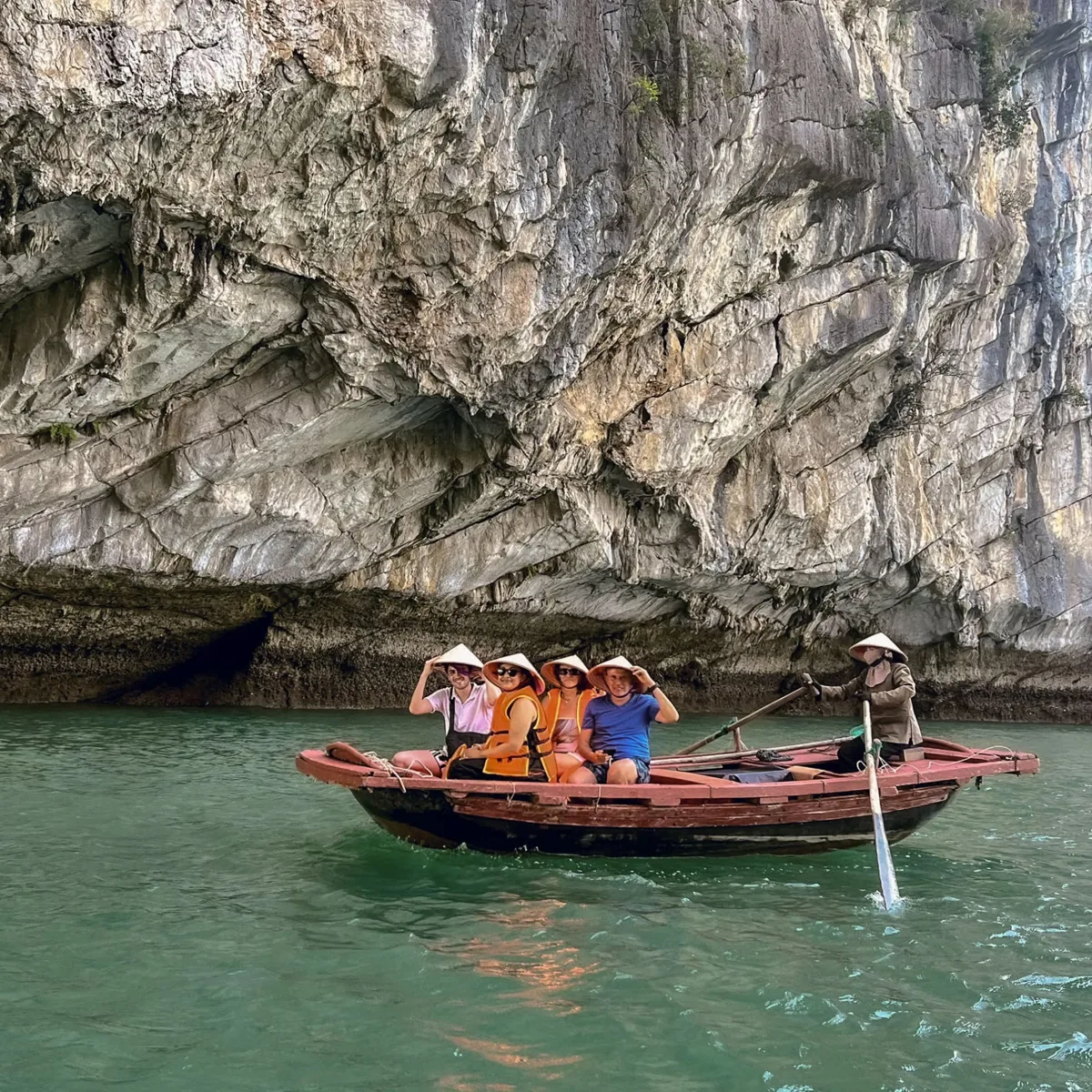
Start the day with a Tai Chi session amidst the soft morning mist, followed by a visit to a small cave or fishing village by bamboo boat. After lunch and check-out, guests disembark and return to shore. In the afternoon, check in at a beachfront resort or hotel and unwind in a peaceful setting. The evening is free for exploring local cuisine or enjoying the resort’s amenities.
Day 3: Explore Halong City – Return to Hanoi
After breakfast, guests can visit Sun World Halong Park or the Quang Ninh Museum. Around noon, enjoy local specialties at a nearby restaurant and shop for souvenirs. In the afternoon, depart for Hanoi, concluding a memorable journey.
Frequently Asked Questions
Is January a busy tourist season in Halong Bay?
January is typically a busy period with many international tourists due to the pleasant weather and holidays such as Christmas and New Year. During this month, the number of domestic tourists is generally lower, which can sometimes lead to special offers for international visitors.
What special preparations are needed for a January trip to Halong Bay?
You should pack warm clothing and essential personal belongings. Additionally, it is advisable to book your tour in advance and be aware that some services might have limited availability or modified schedules due to holidays.
Which outdoor activities are suitable for January weather?
During your visit to Halong Bay, you can enjoy cruise tours, explore various caves and islands, or take leisurely strolls along the beach. Always remember to carry warm clothes and consult the weather forecast before heading out for any excursions.