
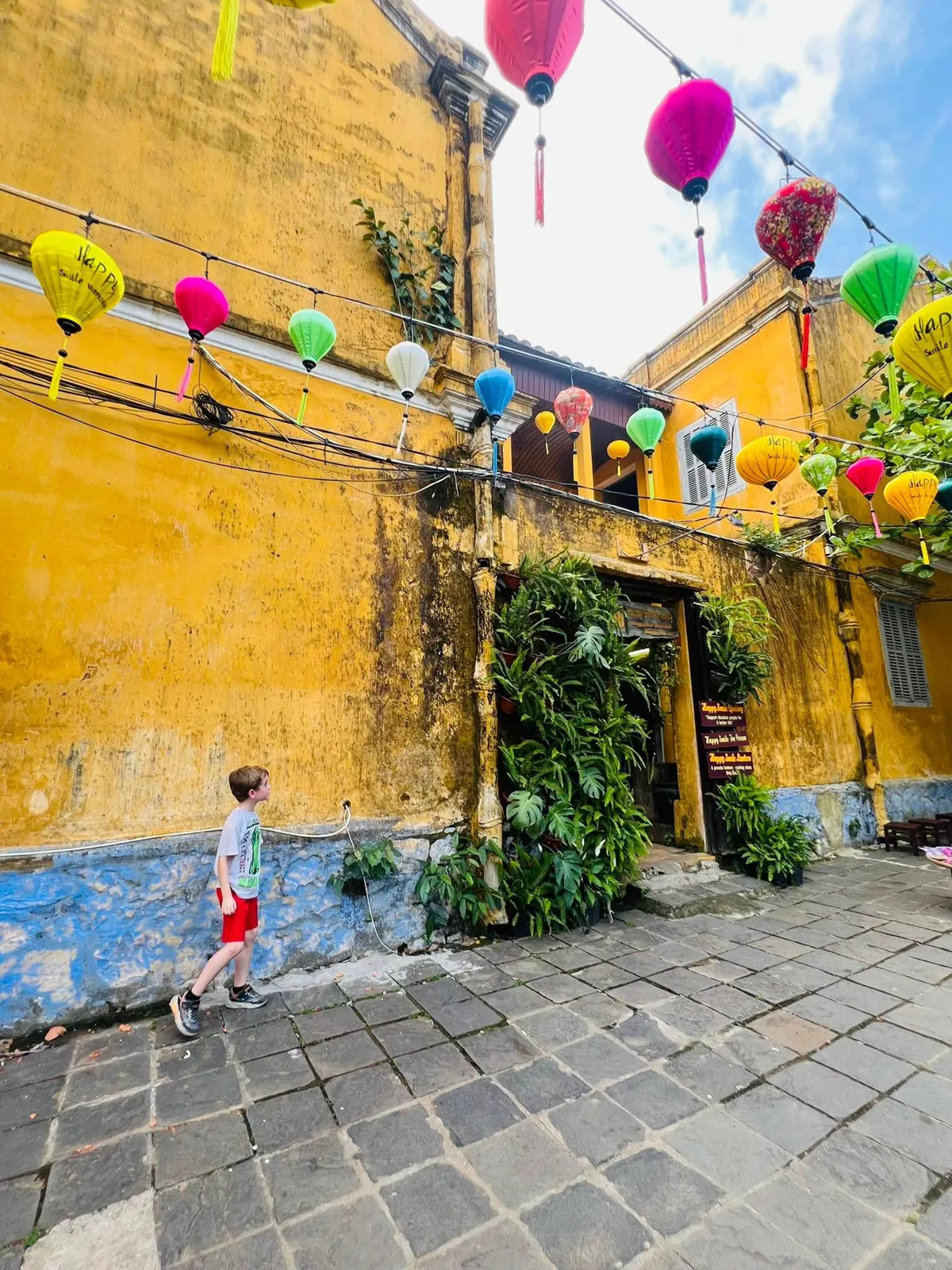
Traveling with children offers a unique opportunity for families to grow together and experience the world through fresh eyes. While some parents might hesitate, anticipating complex logistics or disruptions, many find that the rewards of shared exploration and learning far surpass the obstacles. The decision to travel with younger family members often hinges on individual circumstances and perspectives, but the potential for children to encounter new environments, cultures, and ideas can be profoundly enriching at any age.
Benefits of Family Travel with Children
Exposing children to travel from an early age can significantly contribute to their personal development. Beyond the classroom, travel provides real-world lessons in adaptability, patience, and cultural understanding. Children learn to navigate unfamiliar surroundings, interact with diverse communities, and appreciate different ways of life, fostering an open-minded perspective that can last a lifetime.
Moreover, family trips create a strong foundation for lasting memories and strengthen familial bonds. Away from daily routines, parents and children can connect on a deeper level, sharing discoveries and overcoming small challenges together. These shared experiences become cherished stories, building a collective family history that is both unique and meaningful.
Preparing for Travel with Young Children
Trips with very young children, while requiring specific considerations, can be surprisingly manageable and rewarding. Understanding their needs and adapting the travel pace can make a significant difference.
Traveling with Infants (Newborn to 2 Years)
Many parents are surprised to find that infants are often among the easiest age group to travel with. At this stage, a baby's primary needs are comfort and the presence of their caregivers. The world itself is a constant source of new stimuli, meaning extensive entertainment is rarely required. While they may not remember specific sights, the exposure to new sounds, textures, and environments contributes to their sensory development.
Parents should focus on maintaining a sense of familiarity and comfort for their infant. Basic supplies like diapers and baby bottles are generally available in convenience stores globally, reducing the need for excessive packing of these items. However, having a small supply on hand for immediate needs is always a good idea.
- Bring a few of your baby's most cherished toys or comfort items to create a familiar environment.
- Allow your infant opportunities to move freely and observe their surroundings outside of a stroller or carrier.
- Ensure regular feeding and nap times are maintained as much as possible to minimize disruption.
- Consider a baby carrier for ease of movement in crowded areas or uneven terrain.
Traveling with Toddlers
Toddlers, typically between two and four years old, bring a new level of curiosity and energy to family trips. This age is characterized by a growing desire to explore and interact with their environment. They often display an openness to meeting new people and engaging with different cultures, sometimes even transcending language barriers, which can lead to more authentic local interactions for the whole family.
Traveling with toddlers can also offer practical advantages regarding costs. Children who can sit on a parent's lap often incur minimal or no transportation fees. Similarly, many accommodations do not charge for young children who do not require an additional bed, and admission to museums or theme parks is frequently free for this age group. When planning your itinerary, remember to factor in ample time for toddlers to expend and replenish their energy, as frequent breaks and opportunities for play are essential for their well-being and overall trip enjoyment.
- Build in plenty of unstructured time for play and rest to prevent overstimulation.
- Pack a variety of snacks and drinks to keep energy levels stable.
- Engage them with simple games or stories during travel segments.
- Seek out playgrounds or open spaces where they can run and explore safely.
Engaging Older Children on Trips
As children grow, their capacity for engagement and their interests evolve, requiring different approaches to trip planning and activities.
Traveling with School-Age Children (Ages 5 and Up)
Many consider school-age children, generally five years and older, to be ideal travel companions. At this stage, they possess greater physical capabilities, such as walking for longer durations, communicating their needs effectively, and even managing their own small bags. Travel becomes a powerful tool for fostering responsibility, cultivating patience during extended periods, and broadening their understanding of the world's vastness and diversity.
This age is also excellent for introducing them to a wider array of foods, cultural practices, languages, and people. A key strategy for maintaining their interest and excitement is to involve them in the planning process. Present them with a selection of activities and allow them to choose what appeals most. For instance, if a beach holiday is planned, ask if they prefer a half-day of swimming or a fishing excursion. Additionally, selecting tour guides who have a proven track record of engaging well with younger audiences can significantly enhance their experience. Researching reviews from other families can help identify such guides.
- Allow children to help select daily activities from a curated list of options.
- Encourage them to keep a travel journal or scrapbook to document their experiences.
- Utilize educational apps or books related to the destination.
- Consider guided tours specifically designed for families, as these often include interactive elements.
Traveling with Tweens and Teenagers
When children reach their double-digit years, family trips can become particularly meaningful. Tweens and teenagers are often more receptive to stepping outside their comfort zones and trying new things, leading to truly memorable experiences that can resonate throughout their lives. Their natural curiosity about cultural differences makes travel an excellent avenue for expanding their global knowledge and understanding.
For parents, these trips offer a unique chance to strengthen bonds with their maturing children, creating shared stories and inside jokes that become invaluable family treasures. To ensure a smooth and enjoyable journey, consider giving them ownership over certain aspects of the itinerary. For example, allow them to plan one or two days of activities, suggesting landmarks they wish to see or experiences they are keen to try. Listening to their suggestions and incorporating them into the overall plan demonstrates respect for their input and boosts their engagement.
- Empower them to research and propose activities or dining options.
- Provide opportunities for independent exploration in safe, supervised environments.
- Discuss cultural nuances and local customs before arrival.
- Encourage them to capture memories through photography or video.
General Considerations for Family Trips
While the prospect of traveling with children presents its own set of challenges, such as extensive packing lists, the potential for unexpected schedule changes, or moments of child frustration, the overall experience is often profoundly worthwhile. The unexpected joys and unique perspectives that children bring to a journey frequently outweigh any difficulties encountered.
Careful preparation is key to a successful family trip. This includes researching essential preparations for family travel with children well in advance, considering the specific needs of each family member, and maintaining flexibility in your plans. Remember that travel with children is not always a perfectly smooth path, but the enriching moments and lasting memories created together make the effort a valuable investment.
For families considering a journey through Southeast Asia, several curated options exist that cater specifically to the needs and interests of all ages. For instance, a Vietnam family heritage and coastal discovery tour can offer a blend of cultural sites and relaxing beach time. Alternatively, a Vietnam and Cambodia family adventure provides a broader exploration of two distinct cultures, ensuring engaging experiences for everyone.
Frequently Asked Questions
Is it difficult to travel with young children?
Traveling with young children can present unique challenges, such as managing extensive packing, adapting to unpredictable schedules, and addressing moments of child frustration. However, many parents find the experience to be incredibly rewarding, offering significant developmental benefits for children and creating lasting family memories that often outweigh the difficulties.
What are the cost advantages of traveling with babies or toddlers?
Traveling with infants and toddlers often comes with cost benefits. Young children who can sit on a parent's lap typically travel for free or at a reduced rate on transportation. Many accommodations do not charge for children who do not require an extra bed, and admission to various attractions like museums or theme parks is frequently complimentary for very young visitors.
How can I keep older children interested in a trip?
To keep school-age children, tweens, and teenagers engaged, involve them in the trip planning process. Allow them to choose from a selection of activities or even design a day or two of the itinerary, including landmarks or experiences that interest them. Seeking out tour guides known for their ability to interact well with children can also significantly enhance their enjoyment and participation.
When is the best age to travel with children?
There isn't a single 'best' age to travel with children, as each stage offers different advantages. Infants are often easy due to their simple needs, while toddlers bring curiosity. School-age children (5+) are capable and can gain much from cultural exposure. Tweens and teenagers are ready for deeper cultural engagement and active participation in planning, leading to more profound and lasting memories.
