
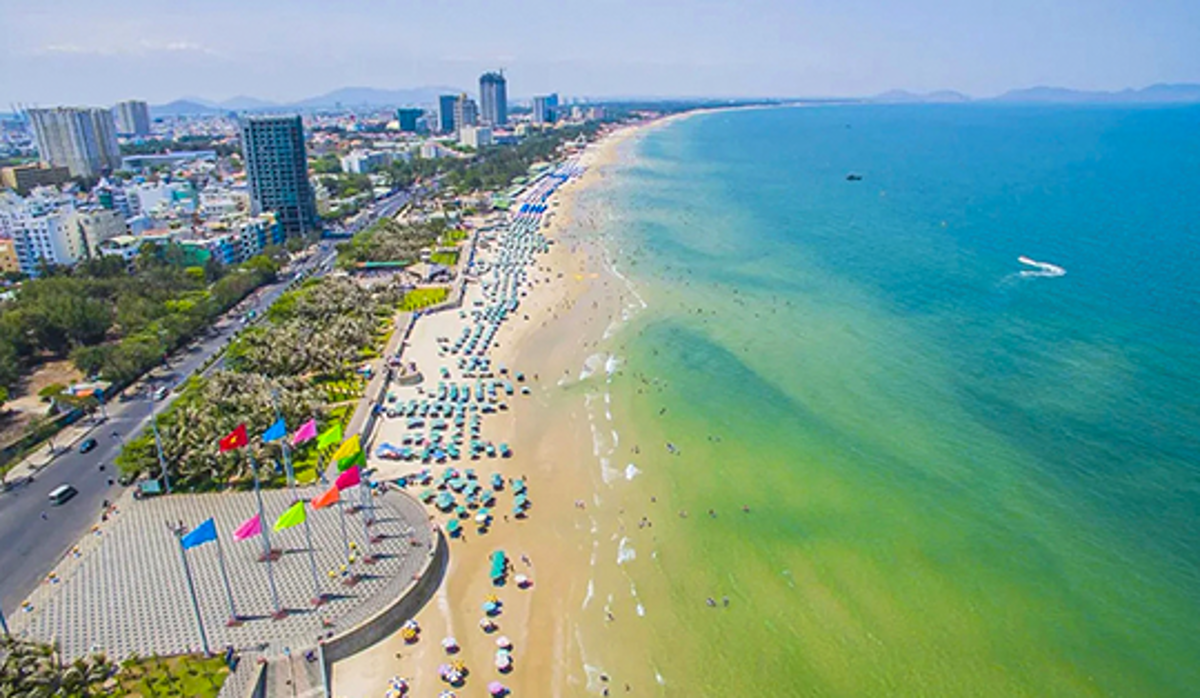
Vung Tau, a coastal city in southern Vietnam, provides an array of activities for travelers seeking a refreshing escape. Guests can explore historical and cultural sites, view contemporary art, and browse local markets. The city is known for its accessible attractions and a relaxed atmosphere, making it a popular choice for both short visits and longer stays.
Situated on a peninsula, Vung Tau is readily reachable from Ho Chi Minh City, often serving as a convenient weekend destination. Its blend of natural coastal beauty and urban amenities allows for a diverse travel experience, catering to different interests and budgets.
Exploring Vung Tau's Cultural and Historical Sites
Vung Tau holds several locations significant to its past and cultural identity. Visitors can find structures reflecting various periods of Vietnamese history, including colonial influences and religious sites. These places offer insights into the region's heritage and architectural styles.
Among the notable historical buildings is the White Villa, also known as Bach Dinh. This former French colonial residence, constructed between 1898 and 1902, served as a retreat for French governors and later for Vietnamese emperors. Perched on a hill, it provides views of the surrounding area and houses a collection of antiques and historical artifacts. Exploring such sites allows travelers to connect with the city's layered history.
Art and Public Spaces: Statues and Sculptures
The city's public spaces often feature artistic elements, including numerous statues and sculptures. These installations are frequently found along the beachfront promenades and within landscaped gardens, contributing to the city's visual appeal. A walk along the coast can reveal a variety of modern sculptures, adding an artistic dimension to the natural scenery.
These public art pieces range from traditional representations to more contemporary designs, offering visual interest for those exploring the city on foot. The presence of these artistic works in open areas, particularly near the sea, creates a distinctive atmosphere for visitors enjoying a stroll or simply relaxing outdoors.
Shopping and Local Markets in Vung Tau
For those interested in local commerce and souvenirs, Vung Tau presents opportunities for shopping, particularly in its Asian markets. These markets are central hubs for daily life, where residents and visitors can purchase a wide array of goods. Products typically include fresh produce, seafood, clothing, handicrafts, and other local items.
Engaging with the local market scene offers a chance to experience the daily rhythms of the city and find unique mementos. Many items available reflect regional craftsmanship and culinary traditions, providing a tangible connection to Vietnamese culture. The atmosphere in these markets is often lively, with vendors and shoppers interacting throughout the day.
Accommodation Options in Vung Tau
Vung Tau provides a range of accommodation choices to suit different preferences and budgets. Travelers can select from various types of lodging, including hotels, resorts, and spas. The availability of inexpensive options means that visitors can find suitable places to stay without necessarily incurring high costs.
Resorts and spas often offer more extensive facilities, such as swimming pools, dining establishments, and wellness services, appealing to those seeking a more comprehensive stay. Hotels provide standard amenities and can be found in various locations across the city, from beachfront areas to central districts. Additionally, other forms of accommodation, such as guesthouses or homestays, may offer a more localized experience.
| Accommodation Type | Typical Features | Price Range (General) | Notes |
|---|---|---|---|
| Hotels | Standard rooms, amenities, central locations | Moderate | Widely available, varying service levels |
| Resorts | Larger properties, pools, dining, often beachfront | Moderate to High | Suited for longer stays and relaxation |
| Spas | Focus on wellness, treatments, quiet environments | Moderate to High | May offer specialized packages |
| Guesthouses/Homestays | Local experience, simpler facilities | Low | Good for budget travelers and cultural interaction |
Planning Your Visit to Vung Tau
When planning a trip to Vung Tau, considering travel logistics and local conditions is helpful. The city is accessible by road from Ho Chi Minh City, with various transportation options available. For those arriving by air into Ho Chi Minh City, airport transfers can connect travelers to ground transport for the journey to Vung Tau.
The climate in Vung Tau is generally warm throughout the year, typical of southern Vietnam. However, understanding Vietnam's regional weather patterns can assist in choosing the best time to visit for specific activities. The city's relaxed pace makes it suitable for those looking to unwind by the sea or explore at a leisurely pace. For those interested in exploring more of the region, options like a Southern Vietnam family discovery tour can combine Vung Tau with other nearby destinations like the Mekong Delta.
Frequently Asked Questions
How can one reach Vung Tau?
Vung Tau is typically accessed by road from Ho Chi Minh City, which is approximately 125 kilometers away. Options include private cars, buses, and hydrofoil ferries, providing several choices for travelers.
What types of activities are available in Vung Tau?
Visitors to Vung Tau can engage in various activities, including exploring historical sites like the White Villa, walking along beaches and public gardens adorned with sculptures, and shopping at local markets for regional products and souvenirs.
Is Vung Tau suitable for budget travelers?
Yes, Vung Tau offers numerous budget-friendly options for accommodation, dining, and activities. The presence of inexpensive hotels, guesthouses, and local eateries makes it an accessible destination for travelers mindful of their spending.
What kind of shopping can visitors expect in Vung Tau?
Shopping in Vung Tau primarily revolves around its local markets, where visitors can find a range of items. These include fresh seafood, agricultural products, clothing, and various handicrafts that represent the local culture and craftsmanship.
