
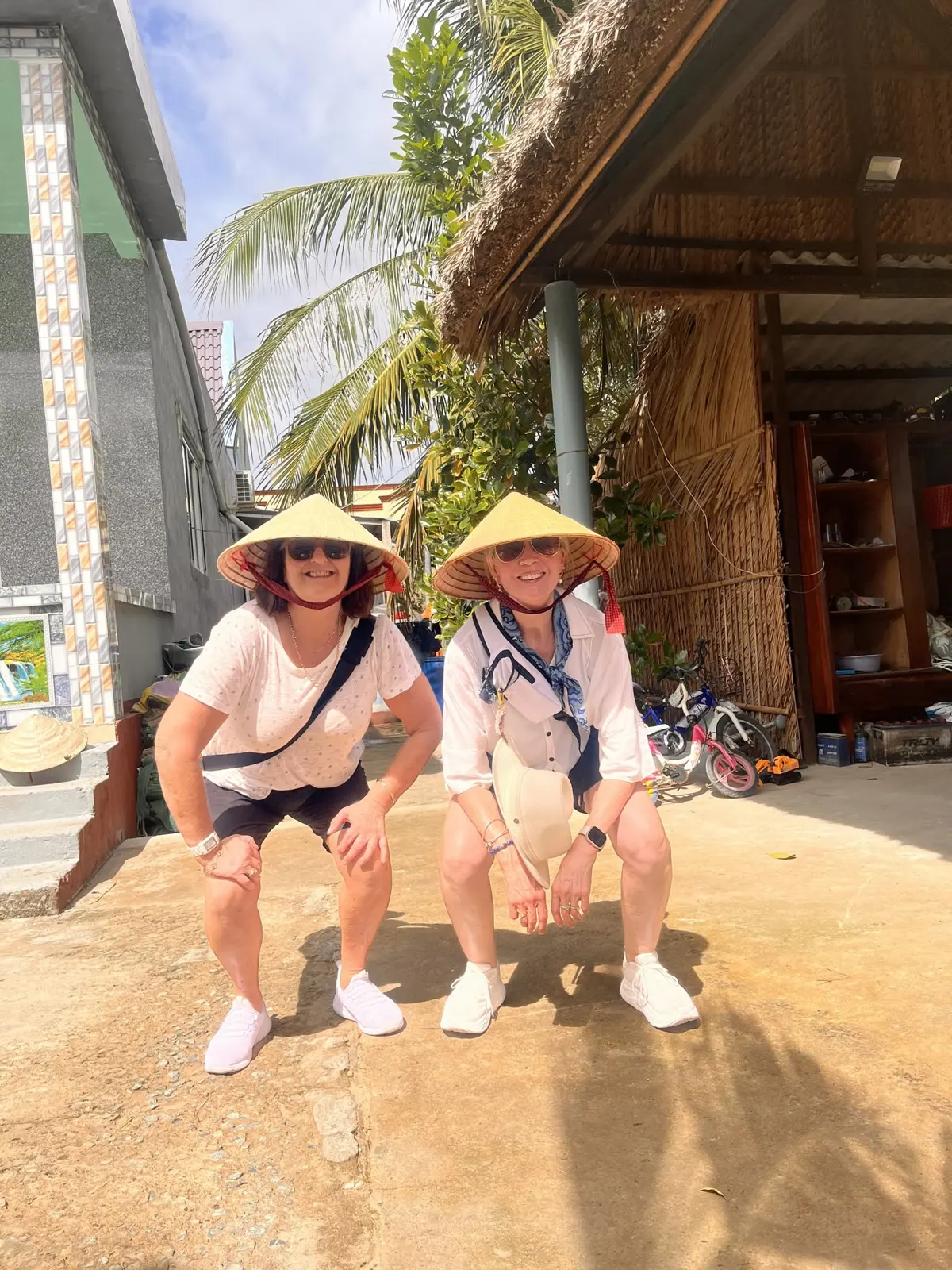
My Khanh Tourist Village, situated near Can Tho City, presents an opportunity to understand the local customs and agricultural heritage of the Mekong Delta region in Vietnam. This destination allows guests to observe and participate in activities reflecting the area's history and daily life, including insights into past landownership, traditional farming, and local entertainment. It serves as a comprehensive representation of the region's cultural landscape.
Located approximately five kilometers from central Can Tho, My Khanh Tourist Village is easily accessible and positioned close to other notable sites such as Cai Rang Floating Market and Phuong Nam Monastery. Its convenient placement makes it a practical addition to any itinerary for those exploring Can Tho and its surroundings.
Reaching My Khanh Tourist Village
Before traveling to My Khanh Tourist Village, visitors typically arrive in Can Tho City. From Ho Chi Minh City, a common route involves taking a bus or car via the Trung Luong Expressway. Bus tickets are available for purchase at Mien Tay Bus Station, located at 395 Kinh Duong Vuong Street, An Lac Ward, Binh Tan District, Ho Chi Minh City. Alternatively, travelers can journey by motorbike along National Route 1A, starting from the Phu Lam Roundabout in Ho Chi Minh City.
Once in Can Tho City, reaching My Khanh Village in Phong Dien District is straightforward. Various transportation options are available from the city center, including taxis, motorbike taxis, and local buses. Using navigation applications or asking local residents for directions to Phong Dien District and then My Khanh Village can assist with the final leg of the journey.
Experiences and Activities at My Khanh
My Khanh Tourist Village, established in 1996, has evolved into an ecological site that attracts a growing number of visitors. The area provides a refreshing atmosphere and typical rural scenery, offering a contrast to urban environments. A range of activities are available, designed to provide insights into regional traditions and daily life.
One notable experience allows guests to understand the historical life of a wealthy landowner in Cochinchina. This two-day, one-night program includes staying in an ancient house, wearing traditional attire, enjoying fresh fruits and tea, listening to music from an old record player, traveling by carriage around the village, and being accompanied by individuals portraying sharecroppers. The experience also features dinner on a boat and evening relaxation, appealing to those interested in historical narratives and traditional cultures. For those planning a longer stay in the region, consider a Mekong Delta homestay and floating markets tour to further explore local life.
Agricultural and Culinary Traditions
The Mekong Delta is well-known for its abundant orchards. At My Khanh Tourist Village, visitors have the opportunity to pick fresh fruits directly from trees. The gardens feature a variety of produce, such as oranges, pomelos, rambutans, mangoes, and mangosteens, allowing guests to gather these items themselves. This activity highlights the agricultural richness of the area.
The village also offers a selection of regional dishes. Specialties available include snake-head fish smoked in straw, fermented fish hotpot, grilled paddy rats, chicken hotpot, paddy crab hotpot, and roasted pigeon. These options provide a chance to sample the local cuisine.
- Thuy Ta Restaurant: Offers a selection of local and regional dishes.
- My Khanh Floating Restaurant: Provides a dining experience on the water.
- Luc Giac Restaurant: Features traditional Vietnamese meals.
- Ancient Restaurant: Serves classic dishes in a traditional setting.
Another activity involves draining ditches to catch fish, a traditional farming practice in the Mekong Delta, especially during the dry season. Local farmers historically used simple tools for this task. Today, this activity is offered to visitors as a way to engage with indigenous tourism, allowing them to participate in the role of a local farmer and learn about traditional fishing methods. Participants often express satisfaction upon seeing their catch, finding the effort rewarding even as novices.
Traditional Games and Historical Architecture
Decades ago, traditional games were common throughout Vietnam, forming a significant part of childhood for many. Children would gather after school or on weekends to play. With the rise of modern technology and digital entertainment, many contemporary children are less familiar with these traditional pastimes. My Khanh Tourist Village works to preserve and introduce these games to a new generation.
Visitors can try various traditional games, including climbing trees, sack races, hitting the pot, and hide-and-seek. Engaging in these activities offers a connection to Vietnamese childhood traditions. For those interested in exploring more of Vietnam's cultural sites, a guide to Sa Dec City in Dong Thap Province provides further insights into regional heritage.
The village is also home to the Ancient House of Cochinchina, known as Nam Bo Ancient House, which is over a century old. This structure is recognized for its architectural design and serves as a representation of the daily life and family customs of the upper class in the Mekong Delta during past eras. The house is surrounded by a maintained garden. Details from the roof to the doors, along with intricate carvings on the furniture, reflect the prosperity of its former inhabitants. The spacious rooms and calm atmosphere inside contribute to a comfortable experience for visitors.
Practical Information for Visitors
My Khanh Tourist Village aims to provide an accessible cultural experience. It is advisable to verify current operating hours and any changes to activity availability directly with the village prior to your visit, as details can change over time.
Entrance Fees (as of source publication date)
| Category | Fee |
|---|---|
| Adult | VND 50,000 |
| Child | VND 30,000 |
| Children under 1.2 meters | Free of charge |
It is important to note that the listed fees cover general admission. Some specific activities and games within the village may incur additional charges. However, these supplementary costs are generally considered reasonable by visitors, who often find the experiences worthwhile once inside.
For travelers exploring the wider region, various tours can enhance your understanding of the Mekong Delta. Consider a Mekong Delta cycling tour to experience the rural landscapes and local markets, including Cai Rang, or a Mekong Delta cruise from Ho Chi Minh City to Phu Quoc for an alternative perspective of river life.
Frequently Asked Questions
What is My Khanh Tourist Village known for?
My Khanh Tourist Village is recognized for providing a condensed representation of Mekong Delta culture and lifestyle. It features historical homes, traditional games, local cuisine, and agricultural activities like fruit picking and traditional fishing.
How far is My Khanh Tourist Village from Can Tho city center?
The village is situated approximately five kilometers from the heart of Can Tho city, making it a relatively short journey for visitors staying in the urban area.
Are there dining options available at My Khanh Tourist Village?
Yes, the village offers several dining establishments, including Thuy Ta, My Khanh Floating Restaurant, Luc Giac, and Ancient Restaurant, where visitors can try regional specialties.
Can children participate in activities at My Khanh Tourist Village?
Many activities, particularly the traditional games and fruit picking, are suitable for children. Children under 1.2 meters tall also receive free general admission.
What is the 'landowner experience' at My Khanh Tourist Village?
The landowner experience is a two-day, one-night program that allows visitors to simulate the life of a wealthy landowner from historical Cochinchina, complete with traditional housing, costumes, and activities like carriage rides and boat dinners.
