
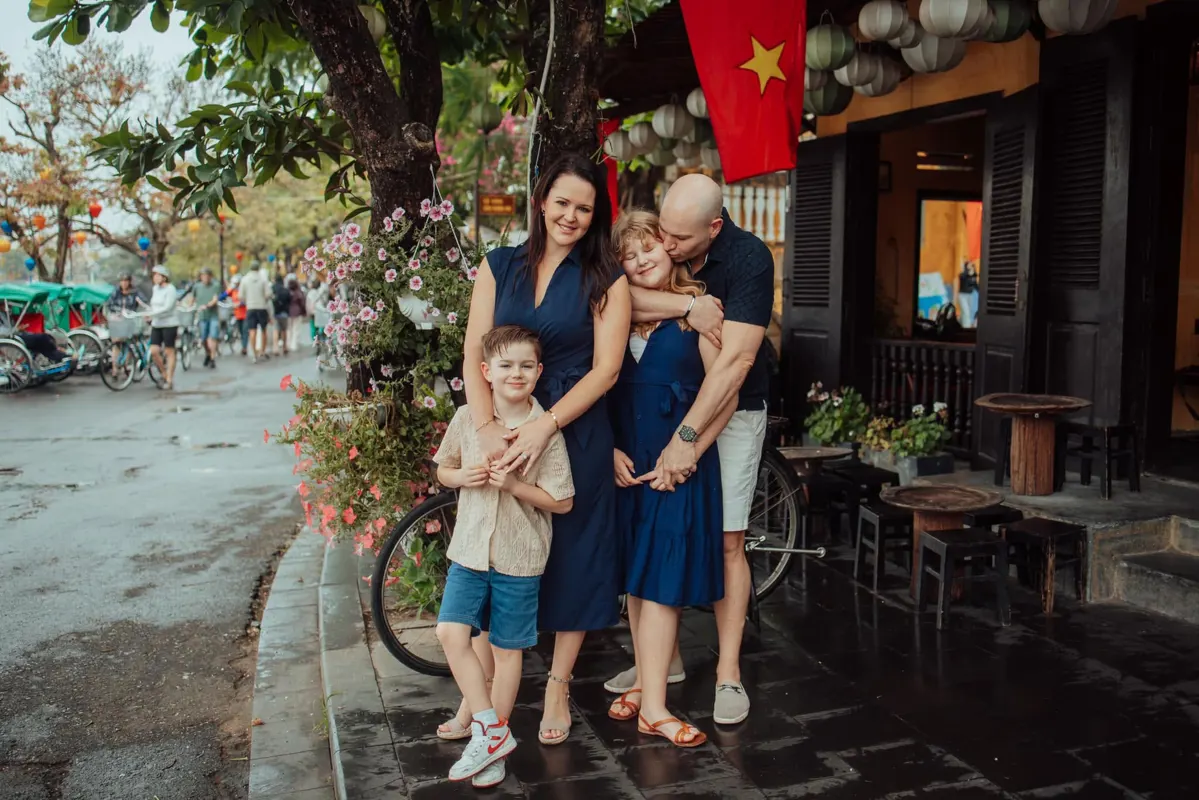
When children begin to show curiosity about the wider world, many parents consider travel an excellent way to foster their learning and development. However, organizing a trip with young ones involves specific considerations to ensure comfort and safety. This guide provides practical advice for parents looking to plan successful and memorable family excursions.
Choosing Suitable Destinations for Young Travelers
Selecting the right location is a crucial first step, especially when traveling with children under five years old. Prioritize destinations known for their safety and convenience, offering amenities that cater to families. It is advisable to avoid places where lodging options might lack basic facilities or where the environment could pose challenges for young children.
Beyond safety, consider the climate and travel duration. Opt for times of year when the weather is pleasant and predictable to prevent discomfort or health issues for children. For air travel, aim for flights that are relatively short, ideally no more than three hours, to minimize fatigue and restlessness in younger passengers.
Communicating with Travel Providers
Always inform airlines and accommodation providers about the number and ages of children accompanying you. This proactive communication can lead to several benefits. For instance, some airlines may offer reduced fares or even complimentary travel for infants under two years old, often charging only a small percentage of an adult fare.
Similarly, when hotels are aware of children's ages, they can often arrange for necessary items such as cribs, extra beds, or other child-friendly furnishings in your room, enhancing the family's comfort during their stay. This simple step ensures that your family's specific needs are anticipated and met.
Packing Essentials for Children
Developing a detailed packing list is indispensable when traveling with kids. The specific items required will vary significantly based on your children's ages and the nature of your trip. Beyond the general necessities for adults, pay close attention to what your children will need.
A helpful strategy is to fold and pack children's clothing into separate, smaller bags before placing them into the main luggage. This organization makes it much easier to locate specific outfits quickly. Do not forget to include familiar comfort items like favorite toys, small pillows, and blankets, which can help children feel more secure and settled in unfamiliar surroundings. For a comprehensive overview, consider planning your trip to Vietnam with these packing principles in mind.
| Child's Age Group | Key Packing Considerations |
|---|---|
| Infants (0-1 year) | Diapers, formula/breastfeeding supplies, baby food, bottles, pacifiers, burp cloths, multiple changes of clothes, car seat/stroller (check airline policy), comfort blanket. |
| Toddlers (1-3 years) | Diapers/pull-ups, snacks, sippy cups, favorite small toys, books, comfort item, extra changes of clothes, child-friendly toiletries, portable potty seat (optional). |
| Preschoolers (3-5 years) | Snacks, water bottle, small backpack with personal items, coloring books/crayons, favorite toys, comfortable shoes, light jacket, basic first-aid items. |
| School-age (6-12 years) | Books, age-appropriate games, headphones, device chargers, comfortable walking shoes, swimwear, sun protection, personal hygiene items, a small amount of pocket money. |
Health and Safety Considerations
A well-stocked medical kit is a non-negotiable item for family travel. Include common over-the-counter remedies for minor ailments such as colds, fevers, coughs, and allergies. Children are often more susceptible to these conditions when exposed to new environments or climates.
Additionally, insect and mosquito repellents are highly recommended, especially when visiting regions where such pests are prevalent. Protecting children from insect bites is important for their comfort and health. For those considering adventure tours in Southeast Asia, understanding local health precautions is key, and this applies whether you are planning adventure tours in Cambodia or exploring other areas.
Keeping Children Safe During Travel
Constant supervision is paramount, particularly for active children aged four and older who may explore independently. It is important to maintain a watchful eye on them at all times, especially in crowded or unfamiliar locations.
A practical safety measure involves preparing a small card or piece of paper for each child. This note should contain their name, your phone number, and the address of your accommodation. Place it securely in their pocket or a small bag they carry. Furthermore, teach children how to seek help from trusted individuals, such as security guards or police officers, if they become separated from the family. This preparation can provide peace of mind and a layer of security for everyone.
Frequently Asked Questions
How can I keep my children entertained during long journeys?
For extended travel, pack a variety of age-appropriate activities. These can include books, small puzzles, coloring supplies, portable electronic games with headphones, and favorite comfort toys. Breaks for stretching and moving around are also important if possible.
What should I do if my child gets motion sickness?
If your child is prone to motion sickness, consult your pediatrician about suitable preventative medications before your trip. During travel, ensure they have fresh air, look at the horizon, and avoid reading or looking at screens for prolonged periods. Light snacks can also help.
Is it necessary to get travel insurance for children?
While not always mandatory, obtaining travel insurance that covers medical emergencies, trip cancellations, and lost luggage for all family members, including children, is highly recommended. It provides financial protection and peace of mind in unforeseen circumstances.
How do I manage time zone changes with young children?
Gradually adjust your children's sleep schedule a few days before departure by shifting bedtime and wake-up times closer to the destination's time zone. Upon arrival, expose them to natural light during the day and maintain a consistent sleep routine to help them adapt more quickly.
What are good snack options for travel with kids?
Pack non-perishable, easy-to-eat snacks such as fruit pouches, granola bars, crackers, dried fruit, and pre-portioned nuts (if no allergies). Avoid sugary items that can lead to energy crashes. Don't forget reusable water bottles to stay hydrated.
