
Vietnam offers a diverse array of experiences suitable for families traveling with children, blending historical insights, cultural interactions, and natural exploration. This nation provides numerous opportunities for young travelers to learn and engage, ensuring a rewarding and secure holiday for all age groups. From ancient traditions to modern attractions, families can find activities that cater to varied interests and create lasting memories.
Discovering Northern Vietnam with Young Travelers
The northern regions of Vietnam present a wealth of opportunities for families seeking cultural immersion and natural beauty. From the iconic limestone karsts of Halong Bay to the terraced fields of Sapa, there are many ways for children and adults to connect with the local environment and traditions.
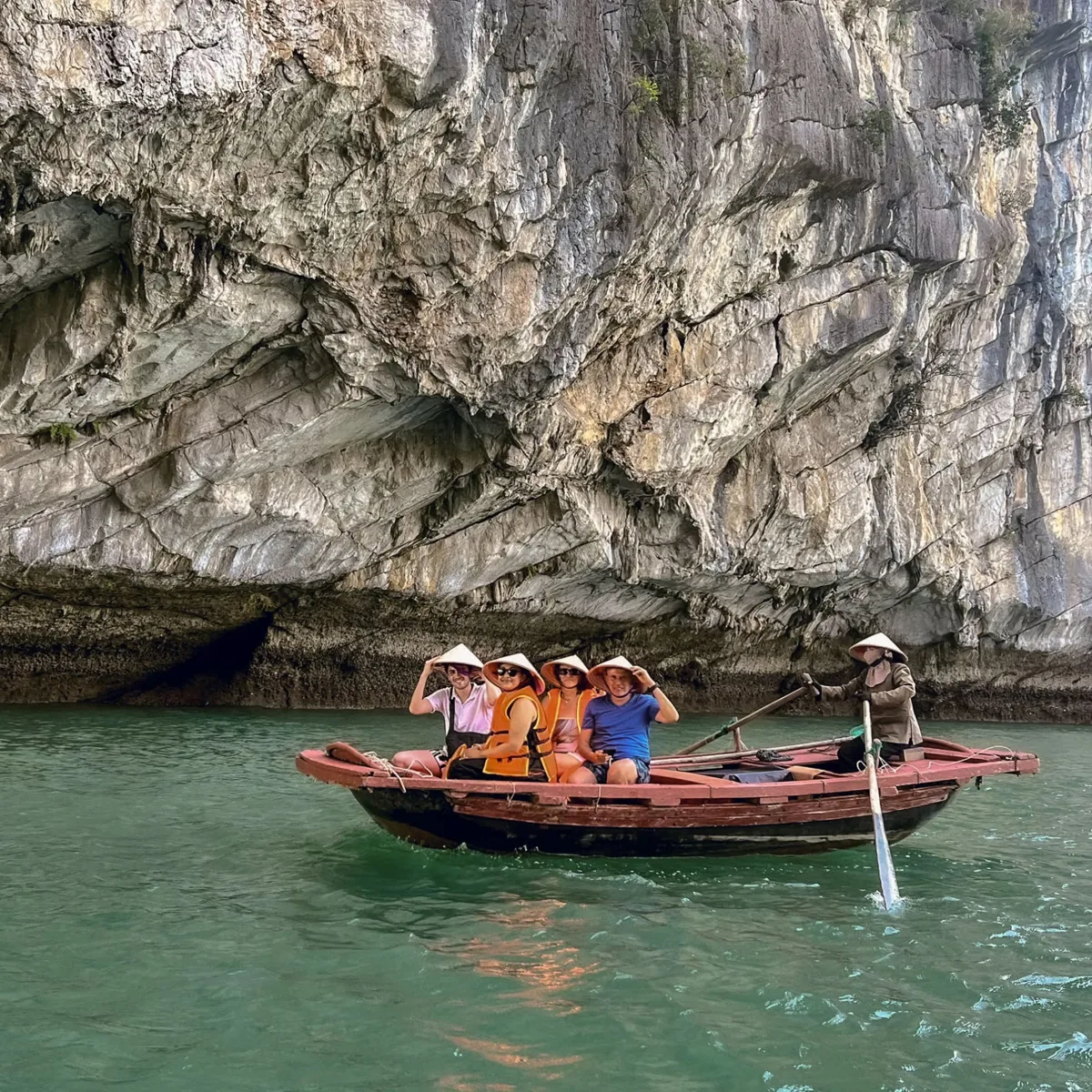
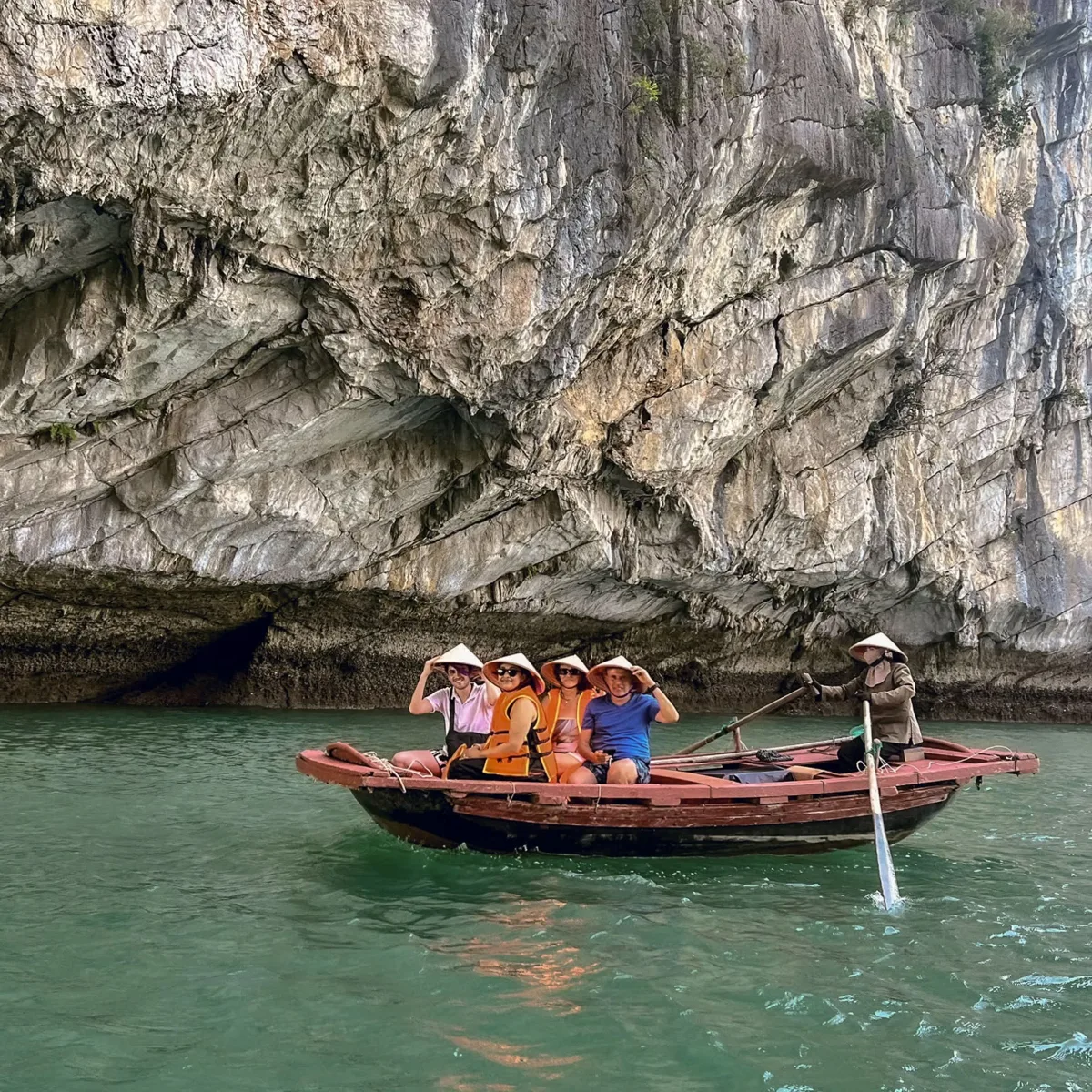
A cruise through Halong Bay offers a chance to step away from electronic devices and reconnect as a family. Activities often include kayaking among the impressive limestone formations, trying local fishing techniques, exploring ancient caves, or cycling through Cat Ba National Park. Many cruises provide onboard cooking classes that the entire family can enjoy, or opportunities to relax on the sundeck. For families with infants, complimentary cribs are frequently available, and older children may receive special discounts. Connecting rooms are also a common offering on many vessels to accommodate families. For those interested in coastal relaxation, consider exploring Halong Bay's beaches.
In Sapa, families can gain insight into the lives of ethnic hill tribe communities. With recent highway improvements, the journey from Hanoi to this northern region now takes approximately 6 hours by car or bus, a significant reduction from the previous 9 hours. Short treks from Sapa to Hmong or Red Dzao villages allow for interaction with local children, many of whom speak basic English and enjoy practicing with visitors. This cultural exchange can be a highlight for young travelers. While in the Sapa area, visiting the Bac Ha Sunday Market is highly recommended. This market is a gathering point for various ethnic groups who travel by foot, horse, or motorbike to trade goods. Children often find the traditional attire, vibrant colors, and diverse aromas of the market captivating. For more adventurous families, exploring Mount Fansipan by cable car offers impressive views.
The Bat Trang Ceramic Village, situated about 15 km from Hanoi by the Red River, is a historic pottery center dating back to the 14th century. Here, local artisans combine traditional and contemporary techniques to create porcelain artworks. Visitors can observe the crafting process and even participate in workshops to make their own ceramic pieces, providing a hands-on learning experience about the village's history and artisan methods.
Exploring Hanoi's rich history and culture is often a starting or concluding point for trips. A unique way to experience the Old Quarter of Hanoi and its 36 guild streets is by riding a cyclo, a three-wheeled cycle taxi. These vehicles navigate the narrow, busy streets and boulevards, allowing passengers to observe the city's dynamic atmosphere and capture photographs while the driver handles the traffic. Both children and adults typically enjoy this perspective of ancient Hanoi.
Located approximately 7 km from Hanoi's Old Quarter, the Vietnam Museum of Ethnology is considered one of the country's premier museums, suitable for all ages. It features numerous interactive exhibits and an immersive style of presenting Vietnamese life through the years. A particular favorite for children are the life-size houses and longhouses of various ethnic minorities, such as the Viet, Muong, Thai, H’Mong, and Khmer, which they can freely explore. Adults also find the detailed explanations of the country's diverse minority groups informative. The museum's spacious gardens offer a welcome area for children to play after navigating Hanoi's crowded streets.
A visit to Vietnam often includes experiencing a water puppet show, particularly in Hanoi, where this art form originated in the 11th century. The Thang Long Puppet Theater is a prominent venue for these performances, which uniquely depict Vietnamese history, culture, and agricultural life, accompanied by traditional music. The entrance fee was reported to be approximately 4-7 USD per person as of the source's publication date. After the show, families sometimes have the chance to meet the puppeteers.
For a truly authentic cultural experience, families can arrange a homestay in a Thai village in Mai Chau Valley. While some villages are experiencing increased tourism, specialized arrangements can provide a genuine stay with a local family. This offers children a firsthand understanding of a different culture, with dinners cooked over an open fire, traditional floor mattresses under mosquito nets, and hot showers. Morning walks through nearby villages allow for interaction with local people at their homes or farms, potentially including learning basic survival skills and local traditions.
About a 1.5-hour drive south of Hanoi lies Ninh Binh, an area known for its dramatic scenery. Near the ancient capital of Hoa Lu, the Trang An region features towering limestone karsts rising from paddy fields and rivers winding past steep cliffs. Families can take a rowboat ride, piloted by a local, through these waterways and into mysterious caves carved through the mountains over millennia. Ducking under low-hanging stalactites and observing the rower's skill in navigating narrow channels can be a fascinating experience for children, sparking curiosity about geological formations.
Central Vietnam Experiences for Families
Central Vietnam offers a blend of imperial history, modern entertainment, and charming ancient towns, providing diverse activities for families.
Hue, the former capital of Vietnam's last kings, is exceptionally rich in history, serving as the cultural and educational heart of the Nguyen Dynasty for over two centuries. Key attractions include the elaborate tombs of the emperors, situated along the Perfume River, which are often best explored by hiring a boat. These ornate structures and their accompanying stories can be quite engaging. After exploring the historical sites, families can sample local cuisine, including dishes inspired by the royal menu, with banana fritters often a popular dessert choice.
Just 25 kilometers from Danang, Ba Na Hills is a popular resort destination. It is known for its French architectural influences and a wide range of entertainment options, including the famous Golden Bridge, which appears to be held by giant stone hands. The site features a cable car ride offering extensive views. Within the mountain-top French village, families will find various attractions and dining options, providing a full day of activities for children and adults alike.
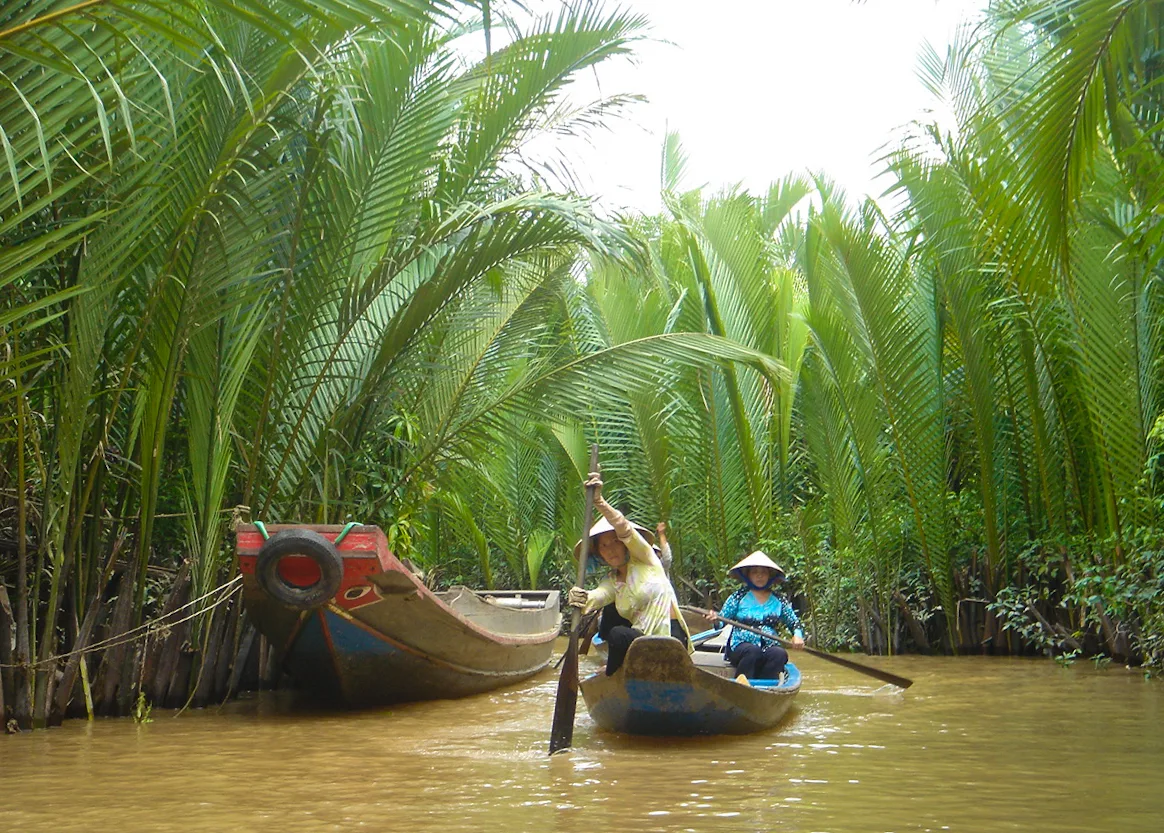
The ancient town of Hoi An, with its wooden shop fronts, lively markets, and the iconic Japanese Bridge, is a frequent stop for families. Beyond the central town, eco-tours offer a quieter pace of life. These tours often involve boat trips into the estuary and narrow channels, where participants can switch to circular basket boats to paddle through water coconut groves. Activities like Vietnamese-style crabbing or searching for purple crabs are often included. After a local lunch by the river, families can rent bicycles to explore tranquil nearby villages. This experience provides a glimpse into rural life, similar to parts of the Mekong Delta, making it a good alternative if time prevents travel to the far south. While in Hoi An, visitors might also look for unique purchases and souvenirs.
Southern Vietnam Adventures for Children
Southern Vietnam provides a mix of historical insights, coastal relaxation, and modern entertainment parks, ensuring a varied family holiday.
The Cu Chi Tunnels offer a unique historical experience, allowing visitors to understand how people lived underground during the Vietnam War. This extensive network of tunnels, reaching up to 200 km in length, was constructed with simple tools during the French occupation and expanded during the 1960s. The tunnels provided refuge and a strategic advantage. Visitors can crawl through sections of the tunnels, with the Ben Duoc site often recommended for families due to its slightly wider sections and closer proximity to Ho Chi Minh City. The site also features displays of booby traps, war artifacts, and offers tapioca tasting, a staple food during the war. While adults may find the heat and confined spaces challenging, children often enjoy navigating the tunnels.
Approximately a four-hour drive from Ho Chi Minh City, Mui Ne is a coastal town known for its beaches and distinctive sand dunes. Families can enjoy the beaches, try kitesurfing, or explore the two main sand areas: the vast sand dunes and the Fairy Spring. The Fairy Spring is a shallow creek running through the sand dunes, offering a playful experience of walking, splashing, and jumping in the cool water and soft sand.
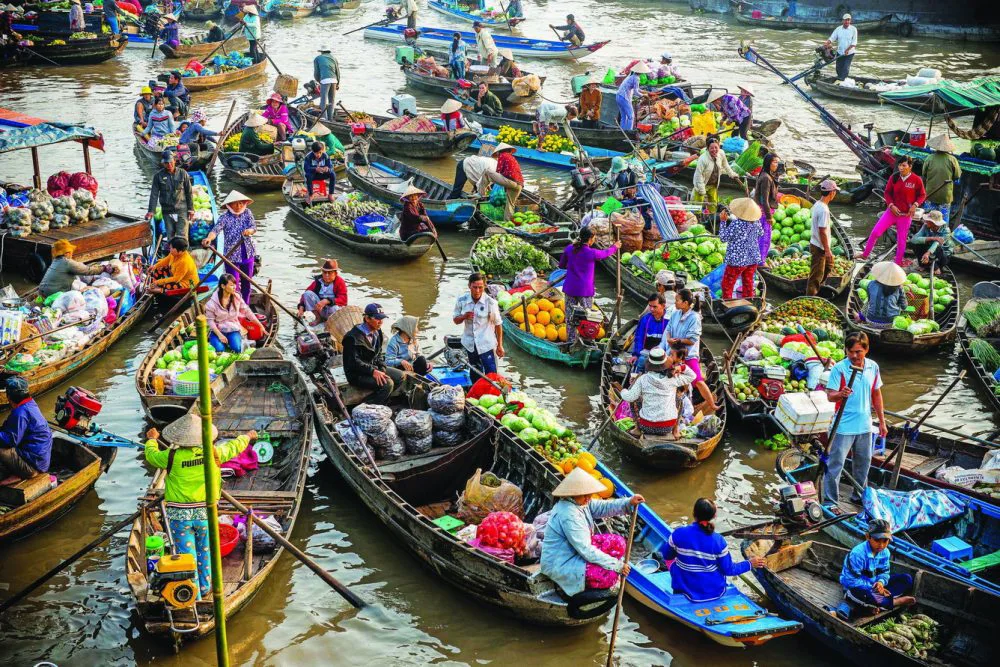
The Mekong Delta, characterized by an extensive network of channels and numerous small islands, remains a compelling destination. While the traditional floating markets have largely diminished, the area is still best explored by bicycle and sampan boat. Families can spend a day or two discovering the region's waterways and rural life. For families with older children, an overnight stay on a converted rice barge, slowly cruising along palm-fringed canals and enjoying dinner on deck, can be a memorable experience.
Phu Quoc Island is renowned for its fine white sand beaches and clear waters, attracting both honeymooners and families. Beyond beach relaxation, the island offers substantial entertainment options. VinWonders Phu Quoc is noted as Southwest Vietnam's largest and most modern amusement park, while Vinpearl Safari houses Vietnam's largest zoo, complete with shows and various water rides. Additionally, Phu Quoc is home to the world's longest cable car, providing panoramic views of the crystal-blue waters during its 15-minute journey each way.
Planning Your Family Trip to Vietnam
Preparing for a family holiday in Vietnam involves considering several practical aspects to ensure a smooth and enjoyable experience for everyone. Vietnam is generally considered a safe destination for families, with a strong emphasis on cultural immersion and outdoor activities.
When it comes to accommodation, many hotels and resorts across Vietnam are well-equipped to cater to families, offering amenities such as connecting rooms, cribs for infants, and child-friendly facilities. It is advisable to book in advance, especially during peak travel seasons, to secure suitable arrangements. For transportation between cities, domestic flights are efficient for covering longer distances. Overnight trains can offer a unique adventure for older children, while private cars with drivers provide flexibility and comfort for families. Within cities, cyclos and local boats present distinctive short-distance travel experiences.
Vietnamese cuisine is diverse and can be adapted for children. Many dishes, such as pho (noodle soup), fresh spring rolls, and grilled items, are mild and flavorful. Encouraging children to try fresh fruits and simple rice dishes can also be helpful. While street food is popular, selecting reputable vendors is recommended for health and safety. Regarding health and safety, basic precautions such as drinking bottled water, maintaining hand hygiene, and using sun protection (hats, sunscreen) are advisable. Consulting a doctor for vaccination recommendations well before travel is also an important step.
| Activity | Region | Primary Focus | Typical Duration | Age Suitability |
|---|---|---|---|---|
| Halong Bay Cruise | Northern Vietnam | Nature, Adventure, Relaxation | Overnight | All Ages |
| Sapa Hill Tribe Visit | Northern Vietnam | Culture, Trekking | Half-Day / Full-Day | Older Kids, Teens |
| Bat Trang Pottery Workshop | Northern Vietnam | Culture, Art, Hands-on | Half-Day | All Ages |
| Hue Imperial City Tour | Central Vietnam | History, Culture | Full-Day | Older Kids, Teens |
| Hoi An Eco-Tour | Central Vietnam | Nature, Culture, Hands-on | Full-Day | All Ages |
| Cu Chi Tunnels Exploration | Southern Vietnam | History, Adventure | Half-Day | Older Kids, Teens |
| Phu Quoc VinWonders/Safari | Southern Vietnam | Entertainment, Wildlife | Full-Day | All Ages |
Frequently Asked Questions
Is Vietnam a suitable destination for families with young children?
Yes, Vietnam is widely regarded as a family-friendly destination, offering a range of activities that cater to different age groups and interests, from cultural learning to outdoor adventures. The country's welcoming atmosphere and diverse offerings make it an excellent choice for families.
What are some popular regions for family travel in Vietnam?
Key regions include Northern Vietnam (Hanoi, Halong Bay, Sapa, Ninh Binh) for culture and natural landscapes, Central Vietnam (Hue, Hoi An, Danang) for history and coastal areas, and Southern Vietnam (Ho Chi Minh City, Mekong Delta, Phu Quoc, Mui Ne) for entertainment and beach relaxation.
How can we ensure our children enjoy Vietnamese food?
Vietnamese cuisine features many mild options like pho (noodle soup), fresh spring rolls, and grilled meats. Many restaurants are accommodating and can adjust spice levels. Encourage children to try fresh fruits and simple rice dishes, which are generally well-received.
What are the best ways to travel between cities with children in Vietnam?
Domestic flights are efficient for long distances. Overnight trains can offer a unique experience for older children. Private cars with drivers provide flexibility and comfort, while local buses are a budget-friendly option for shorter routes.
What essential items should we pack for a family trip to Vietnam?
Consider packing lightweight clothing, comfortable walking shoes, sun protection (hats, sunscreen), insect repellent, a basic first-aid kit, and any specific medications your family may need. Reusable water bottles are also recommended for staying hydrated.