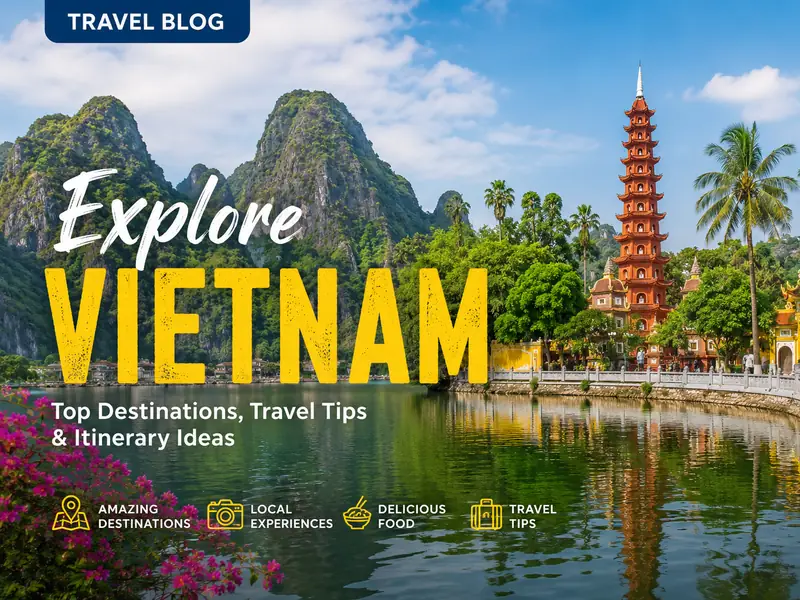
For individuals venturing out alone, Vietnam presents an appealing combination of security, ease of movement, and profound cultural engagement. Recognized by publications like Travel + Leisure among the top countries for solo adventurers, Vietnam stands out by providing an environment where independence thrives without leading to isolation. It allows visitors to explore at their own pace, connect with local life authentically, and feel secure throughout their journey, fostering a deeply satisfying travel experience.
Vietnam's Appeal for Independent Explorers
The landscape of solo travel has changed considerably, moving beyond traditional backpacking to encompass a broader demographic seeking flexibility, authenticity, and personal growth. Modern solo travelers, including remote professionals, retirees, and those on their first international trip, often prioritize destinations that offer safety without feeling overly regulated, and opportunities for social interaction without constant pressure. Vietnam aligns naturally with these preferences.
Unlike many places primarily structured for tourism, Vietnam functions first and foremost for its own population. Local markets provide daily necessities, street food stalls serve residents, and public transport systems are integral to everyday life. This means solo travelers can readily integrate into local routines rather than observing from a distance, offering a sense of belonging that is both organic and unburdened by social expectations. This characteristic allows individuals to engage with the culture when they desire connection and find quiet moments when they seek personal space.
Safety and Social Presence
A primary consideration for anyone traveling alone is personal safety, and Vietnam generally offers a secure environment. Serious crimes against visitors are uncommon, with most reported issues involving minor incidents such as petty theft in crowded areas or occasional pricing discrepancies in tourist-focused locations. The underlying sense of security in Vietnam comes from its constant social activity. Streets remain lively from early morning into the late evening, with families dining outdoors and vendors operating well past sunset. This continuous public presence contributes to a feeling of comfort, particularly for those walking alone after dark. Major areas in cities like Hanoi, Hoi An, Da Nang, and Ho Chi Minh City rarely feel empty, and even in quieter districts, people are typically nearby, living their daily lives. This creates an atmosphere where one feels part of the surroundings without being under constant scrutiny.
Navigating Vietnam's Diverse Regions Alone
Vietnam's varied geography offers distinct experiences for solo travelers, from the ancient streets of Hanoi to the serene waters of its coastal bays.
Hanoi: A City for Deliberate Discovery
Hanoi frequently appears on lists of recommended cities for solo travel, and its design encourages unhurried exploration. The Old Quarter, a highlight often mentioned, functions as a living historical area where the character of streets changes rapidly. One alley might specialize in spices, another in motorbike components, and a third in steaming noodle dishes. Solo visitors find this environment conducive to intuitive discovery, following their interests rather than a strict itinerary. Hoan Kiem Lake serves as an emotional center, attracting joggers and quiet conversations in the mornings, and providing a reflective pause from the city's energy later in the day. Sitting alone by the lake feels entirely natural. Hanoi's extensive café culture also supports solo visitors, providing spaces to linger for hours without feeling pressured. Cooler temperatures during winter months can enhance this contemplative atmosphere, making solo travel feel more reflective. Historical sites, museums, and pagodas are also well-suited for independent pacing, allowing individuals to spend as much or as little time as they wish.
Hoi An: Where Quiet Reflection Flourishes
Hoi An Ancient Town offers a different kind of solo experience, emphasizing presence over constant movement. Its compact layout and restricted vehicle access make navigating the streets easy and encourage slow walking. Cafés often overlook rivers rather than busy roads, and the pace of life feels less structured, which appeals to solo travelers seeking respite. Evenings, particularly during the full moon, transform Hoi An into a tranquil setting. Walking along the Thu Bon River under the soft glow of lanterns evokes a sense of peace rather than isolation. The town's general safety and gentle rhythm contribute to an emotionally grounding solo journey. Hoi An also provides activities that naturally suit individuals, such as cooking classes, tailoring services, and cycling excursions into the surrounding countryside, all of which can be enjoyed without a companion. Many solo travelers find Hoi An to be a place for pausing and reflecting rather than continuously moving forward.
Coastal Bays and the Value of Solitude
For those seeking quiet natural environments, Bai Tu Long Bay is often noted for its calm, clear waters. This area contrasts with the more frequented Ha Long Bay by offering smaller vessels, fewer routes, and a greater sense of quiet. Overnight cruises in Bai Tu Long Bay provide opportunities for solitude, especially during early mornings when mist rises from the water and decks are still. Even when sharing a vessel with others, the experience often feels personal, designed for individual appreciation rather than forced social interaction. This capacity to offer shared spaces without requiring constant engagement is a significant advantage for solo travelers in Vietnam. To learn more about these natural wonders, consider exploring Vietnam's notable coastal bays.
Ho Chi Minh City: Energy for Independent Exploration
Ho Chi Minh City presents a contrast to Hanoi's more introspective character, with its rapid pace and dynamic atmosphere. For solo travelers, this energy can be invigorating. District 1, with its pedestrian-friendly core, the Ben Thanh Market, and numerous cafés, offers endless possibilities for spontaneous discovery. Dining alone is common, and sitting by oneself is unremarkable. The city encourages movement without a fixed purpose. Historical sites like the War Remnants Museum or the Independence Palace offer opportunities for reflection, balancing the city's modern tempo. Additionally, the Cu Chi Tunnels provide a structured historical excursion easily accessible from the city. Ho Chi Minh City is well-suited for solo travelers who appreciate urban energy, spontaneity, and a lively rhythm, where individual pursuits blend seamlessly into daily life.
Practicalities for Independent Travel
Vietnam's infrastructure and cost of living significantly enhance the solo travel experience, making it both accessible and comfortable.
Transportation: Effortless Movement
One of the key factors making Vietnam suitable for solo travelers is the ease of independent movement. Transportation options are rarely a hindrance, even for first-time international visitors, and often become part of the travel experience itself. Domestic flights connect major cities such as Hanoi, Da Nang, Ho Chi Minh City, Hue, Nha Trang, Phu Quoc, and Can Tho frequently and affordably. This flexibility allows for itinerary adjustments or spontaneous changes. For those who prefer a slower pace, Vietnam's railway system offers scenic journeys. The Reunification Express, which runs between Hanoi and Ho Chi Minh City, traverses coastal areas, rural landscapes, and historic towns. Many solo travelers appreciate train travel for its personal space and opportunities for quiet observation. Overnight buses bridge destinations not served by rail, offering an affordable and widely available option for overnight travel without sacrificing daytime exploration. Within urban areas, ride-hailing applications like Grab simplify mobility, overcoming potential language barriers with digital destination entry and transparent pricing. This ease of transport supports the autonomy central to solo travel. For a comprehensive experience traversing the country, consider a Vietnam rail journey from Hanoi to Ho Chi Minh City.
Affordability and Extended Stays
Vietnam's economical cost of living offers more than just savings; it provides the valuable luxury of time for solo travelers. When expenses for lodging, food, transport, and daily activities are manageable, there is less pressure to rush. This allows for longer stays, more relaxed schedules, and deeper exploration. Solo travelers often find they can extend their time in Vietnam in ways that might be financially prohibitive in other destinations, enabling them to follow local recommendations or change plans without significant financial stress. Accommodation ranges from budget-friendly hostels to boutique hotels and serviced apartments, ensuring privacy options are available without excessive cost. Even private rooms remain affordable across much of the country. The affordability of food further enhances this freedom. Enjoying a satisfying meal, whether it's a bowl of pho, a plate of cơm tấm, or a fresh bánh mì, is inexpensive and offers genuine cultural immersion. This low daily cost reduces emotional stress, encouraging solo travelers to experiment, explore new areas, and extend their trips.
Eating Alone: A Cultural Norm
Unlike some cultures where dining alone can feel awkward, in Vietnam, it is a normal part of daily life. The country's street food culture, characterized by small plastic stools, communal tables, and open kitchens, creates an environment where individual diners blend in naturally. There is no expectation or questioning of why someone is eating alone, nor is there pressure to rush. Eating becomes a personal experience rather than a social obligation. This cultural acceptance removes a common source of anxiety for many solo travelers. Vietnamese cuisine also lends itself well to individual dining, as many dishes like pho or bún bò Huế are complete meals that do not require sharing. Similarly, the café culture encourages individuals to linger with drinks, notebooks, or simply their thoughts. For many, food provides a gentle daily structure without imposing rigid schedules.
Connecting with Culture and Community
Vietnam offers numerous avenues for connection and cultural understanding, tailored to the solo traveler's preference for engagement or quiet observation.
Hospitality Without Pressure
A subtle yet powerful aspect of Vietnam's appeal for solo travelers is the nature of its local hospitality. Vietnamese friendliness is often described as observant rather than intrusive. Locals typically do not initiate conversations forcefully, but when interactions occur, they feel genuine. A street vendor might inquire about a traveler's origin out of curiosity, not solely to make a sale. A café owner might suggest a local dish without any expectation of purchase. Simple smiles or gestures from local families can create moments of connection, even with limited shared language. For solo travelers, these interactions are meaningful because they offer warmth without obligation. Individuals are free to engage or politely decline without social discomfort. This balance allows independence to coexist comfortably with genuine human warmth, which is particularly important for those on longer journeys seeking emotional sustainability.
Meeting Others Organically
Vietnam provides ample opportunities for solo travelers to connect with other individuals if they choose. Hostels, cooking classes, small-group excursions, and shared transportation routes naturally facilitate social interaction. For instance, motorbike tours in regions like Ha Giang or along coastal routes near Da Nang often bring travelers together in an unforced manner. At the same time, the country respects personal space. It is entirely possible to spend days in quiet contemplation without significant social interaction and still feel content. This flexibility makes Vietnam especially attractive for those who value their independence but also appreciate the option to connect. Unlike destinations where solo travelers might feel constant pressure to join group activities, Vietnam allows relationships to develop gradually, often through repeated encounters in guesthouses, cafés, or local neighborhoods.
Cultural Depth Without Intimidation
Vietnam's rich history and cultural heritage are readily accessible to solo travelers. Museums, temples, historical sites, and war memorials provide context without requiring constant guided interpretation. Visitors can explore the Imperial City in Hue at their own pace, appreciating its scale and quiet, or spend time in the War Remnants Museum in Ho Chi Minh City without feeling rushed. It is also common to sit quietly in a pagoda, observing daily rituals without feeling intrusive. Vietnamese culture generally allows for respectful observation without demanding active participation. Curiosity is welcomed, but personal space is respected. This cultural openness encourages personal reflection rather than merely consuming experiences. For those interested in a more deliberate pace, slow travel in Vietnam can offer even richer insights into local life.
Vietnam's Unique Position Among Global Destinations
When compared to countries frequently praised for their robust infrastructure, high levels of safety, and orderly environments—such as Iceland, Germany, or New Zealand—Vietnam offers a distinct appeal. While these Western nations excel in efficiency and predictability, Vietnam provides an experience that feels more organic and deeply human. Where high-income countries often prioritize strict regulations, Vietnam embraces adaptability and a more fluid approach to daily life. For solo travelers, this means witnessing authentic daily routines rather than curated tourist spectacles. One might find themselves sitting alongside locals, hearing everyday conversations, smelling the aromas from nearby kitchens, and observing life unfold naturally. This emotional accessibility sets Vietnam apart from many other highly-ranked solo destinations, offering profound meaning without demanding constant interpretation.
| Aspect | Typical Western Solo Destinations | Vietnam for Solo Travelers |
|---|---|---|
| **Overall Vibe** | Efficient, predictable, structured | Organic, human, adaptable |
| **Cultural Engagement** | Often curated experiences, observation | Witnessing daily life, natural immersion |
| **Social Interaction** | Can be more formal, less spontaneous | Observant hospitality, genuine, unpressured |
| **Cost of Travel** | Higher, potentially limiting duration | Affordable, enabling longer, flexible stays |
| **Pacing** | Often focused on itinerary efficiency | Encourages slow, intuitive exploration |
Vietnam's consistent high ranking in solo travel surveys is not merely a passing trend. It reflects a destination that inherently supports contemporary travel preferences. The country provides independence without fostering loneliness, ensures safety without imposing rigidity, offers affordability without compromising experience quality, and presents cultural depth without intimidation. It adapts to the traveler's needs rather than demanding the traveler adapt to it. This inherent flexibility makes Vietnam welcoming for both first-time solo adventurers and seasoned explorers, accommodating short visits and extended stays, and rewarding curiosity without penalizing hesitation. For many, Vietnam becomes more than just a place to visit; it transforms into a destination where independent travel feels truly sustainable.
Frequently Asked Questions About Solo Travel in Vietnam
Is Vietnam safe for solo travelers?
Yes, Vietnam is generally considered a very safe country for individuals traveling alone, particularly within Southeast Asia. Instances of violent crime are rare, with most reported issues being minor thefts in crowded areas.
Is Vietnam suitable for first-time solo travelers?
Absolutely. Vietnam is known for being affordable, straightforward to navigate, and well-equipped for tourism, making it an excellent choice for those embarking on their first solo international trip.
Can you travel Vietnam alone without speaking Vietnamese?
Yes. English is commonly understood in tourist-heavy areas, hotels, transportation hubs, and cafés. For daily interactions outside these areas, translation applications are usually sufficient.
Is Vietnam good for solo female travelers?
Yes, Vietnam is a popular destination among solo female travelers, largely due to its perceived safety, respectful cultural norms, and visible community presence in public spaces.
How easy is transportation for solo travelers?
Transportation across Vietnam is both simple and economical. Domestic flights, an extensive train network, intercity buses, and ride-hailing applications like Grab make independent travel highly convenient and efficient.
Is Vietnam affordable for long-term solo travel?
Indeed. The low daily costs for accommodation, food, and activities position Vietnam as one of the most budget-friendly destinations for extended solo journeys.
Which cities are best for solo travelers?
Hanoi, Ho Chi Minh City, Hoi An, Da Nang, Hue, and Phu Quoc are frequently recommended as particularly welcoming and accessible cities for solo visitors.
Is it easy to meet other travelers?
Yes. Hostels, organized group tours, cooking classes, and shared travel routes provide natural and easy opportunities for solo travelers to connect with others.
Do solo travelers need travel insurance?
Yes. Obtaining travel insurance is highly advisable for all solo travelers to cover potential medical emergencies, unexpected activity disruptions, or other unforeseen circumstances.