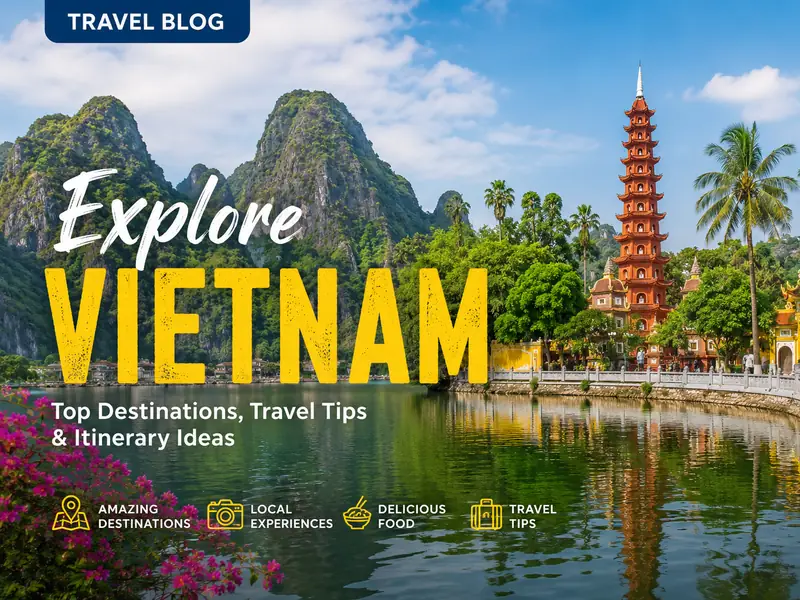
Many visitors to Vietnam often follow rapid itineraries, moving quickly between major cities and famous landmarks. While this approach allows for seeing numerous sites, it frequently overlooks the deeper connection and understanding that a more deliberate travel style can offer. Embracing a slower pace in Vietnam can transform a superficial overview into a rich, personal engagement with the country's culture and daily existence.
The Core Distinction: Observing Versus Engaging
When travel is conducted at a swift pace, individuals typically observe Vietnam's prominent features. They might visit well-known locations, capture photographs, and then proceed to the next stop on their schedule. This method provides a surface-level appreciation of the nation, focusing primarily on its attractions and highlights.
However, by reducing the speed of travel, one begins to truly engage with Vietnam. This means noticing the subtle differences between morning and evening atmospheres, lingering at a local coffee shop to watch social interactions, and recognizing recurring patterns in daily routines that remain invisible to those in constant motion. The fundamental difference lies not in the specific places visited, but in the depth of connection forged with the surroundings.
Unveiling Vietnam's Unique Rhythms
Vietnam operates on a distinct flow, rather than a rigid timetable. Life here often appears fluid, which can initially seem disorienting, particularly in busy urban centers. Streets are frequently dense with motorbikes, pedestrian pathways often serve multiple purposes, and the concept of time can feel more adaptable compared to Western norms. Yet, within this apparent lack of strict order, a discernible rhythm exists.
Mornings typically commence early, with residents gathering near lakes or enjoying breakfast from street vendors. The middle of the day often sees a reduction in activity due to the heat, while evenings bring cities back to life with food, conversations, and movement. When travelers choose to slow down, they start to perceive and comprehend these underlying rhythms. Once this understanding develops, the country's daily operations become more coherent.
The Value of Unplanned Moments and Culinary Exploration
Many of Vietnam's most profound experiences are not pre-arranged; they emerge when visitors are not constrained by time. Such moments might involve an unexpected conversation with a cafe proprietor sharing personal anecdotes, observing a local market gradually awaken in the early hours, or simply sitting by the river as the sun descends over a tranquil settlement. These spontaneous occurrences are seldom part of organized tour schedules. A tightly structured itinerary leaves little room for these interactions to unfold naturally. Adopting a slower pace intentionally creates the necessary space for these genuine encounters.
Food, a central element of Vietnamese culture, is experienced differently based on one's travel speed. Rapid travel often turns meals into mere necessities, consumed quickly between activities, prioritizing convenience over the actual dining experience. Conversely, a slower approach elevates eating into something more significant. It encourages longer sittings, observation of food preparation, and an appreciation for the nuances of flavors and ingredients. Returning to the same eatery multiple times can foster a sense of familiarity, deepening the understanding not just of the dishes themselves, but of their role within local daily life. For those interested in specific regional tastes, exploring Hanoi's essential dishes can offer a focused culinary journey.
How Extended Stays Transform Perceptions of Places
The character of Vietnamese destinations can vary significantly depending on the duration of a stay. A location like Hoi An might appear charming during a brief visit, but an extended period reveals its quieter aspects. Early morning strolls by the river, relaxed afternoons in small cafes, and evenings when tourist crowds diminish all present different facets of the same place. Even major urban areas, such as Ho Chi Minh City, gradually become more navigable with time. What initially seems overwhelming progressively becomes easier to understand. A slower approach allows destinations to evolve beyond their initial impressions.
The Mekong Delta serves as a prime illustration of the benefits of slow travel in Vietnam. Many visitors typically experience the region on a short day trip, moving between various points without fully grasping the context of what they are observing. However, the Mekong Delta is designed for unhurried exploration. Life there aligns with the river's flow, with daily routines influenced by water levels, fishing schedules, and local markets. Spending more time in this region permits an insight into how residents genuinely live, rather than merely viewing curated highlights. This shift transforms a casual visit into a far more meaningful engagement. For a deeper understanding of this region, consider exploring a Mekong Delta experiences guide. For those seeking a more immersive experience in the southern regions, a dedicated river journey, such as the Heritage Line Jayavarman Mekong Discovery, allows for a focused exploration of the delta's unique environment.
Practical Approaches to Slower Travel in Vietnam
Adopting a slower travel style does not necessarily require a complete overhaul of one's itinerary; often, it involves making deliberate choices. One effective strategy is to extend stays in fewer locations. Instead of relocating daily, dedicating two or three nights to a single place enables experiencing its varied moods and activities across different times of day. Reducing the number of planned activities is also beneficial. Rather than filling every hour with organized tours, leaving open spaces in the schedule allows for spontaneous moments to occur.
Choosing to walk instead of constantly relying on transportation can significantly alter the experience. Moving at a more leisurely pace helps in noticing small details that are easily missed when rushing. Even revisiting the same coffee shop or restaurant can cultivate a sense of familiarity, adding depth to the overall journey. When planning a trip, considering a comprehensive Vietnam trip guide can help structure a more relaxed itinerary.
Who Benefits from a Deliberate Travel Style?
A deliberate travel style is not exclusively for those undertaking long journeys. Even shorter trips can gain from a more unhurried methodology. The key lies not in the number of days available, but in how those days are utilized. Travelers who prioritize cultural understanding, genuine interactions, and a deeper appreciation of local customs often find this approach more fulfilling than fast-paced itineraries. It is particularly well-suited for individuals prepared to release the compulsion to see every possible attraction. In Vietnam, attempting to cover every site often results in a superficial understanding of very little.
A common oversight travelers make is recognizing the value of slow travel only as their trip concludes. After moving rapidly through multiple destinations, they frequently identify a place where they wished they had spent more time. By that point, their schedule is typically set, making adjustments difficult. Planning with a slower mindset from the outset can prevent this regret. Rather than concentrating on the quantity of places one can visit, it is more advantageous to consider the depth of experience desired for each location. This perspective frequently leads to more enduring memories, even if fewer destinations are included.
| Aspect of Travel | Fast Travel Experience | Slow Travel Experience |
|---|---|---|
| Pace | Rapid movement between many locations | Extended stays in fewer locations |
| Connection to Culture | Surface-level observation of landmarks | Deeper engagement with local rhythms and daily life |
| Culinary Experience | Meals as functional stops, convenience-driven | Mindful appreciation of food, local preparation, repeated visits |
| Local Interactions | Limited, often transactional | More opportunities for spontaneous, meaningful conversations |
| Understanding of Places | Initial impressions, overwhelming at times | Evolving perception, familiarity, reduced stress |
| Memories Formed | Checklist of visited sites | Personal anecdotes, sensory details, emotional resonance |
Frequently Asked Questions
What defines slow travel in Vietnam?
Slow travel in Vietnam emphasizes spending more time in fewer locations, fostering deeper connections with local culture, people, and daily life, rather than rushing through numerous tourist sites. It prioritizes quality of experience over quantity of destinations.
How does slow travel enhance the culinary experience?
By slowing down, travelers can dedicate more time to understanding Vietnamese cuisine. This includes observing food preparation, appreciating subtle flavors, and revisiting local eateries, transforming meals from functional stops into meaningful cultural engagements.
Is slow travel only for long trips?
No, slow travel is not limited to extended journeys. Even shorter trips can benefit from a deliberate approach by focusing on fewer destinations and allowing for more spontaneous experiences, rather than trying to see everything at once.
What are some practical tips for slow travel in Vietnam?
Practical tips include extending stays in individual locations (e.g., 2-3 nights minimum), reducing the number of planned activities to allow for spontaneity, walking more to observe details, and revisiting favorite local spots to build familiarity.