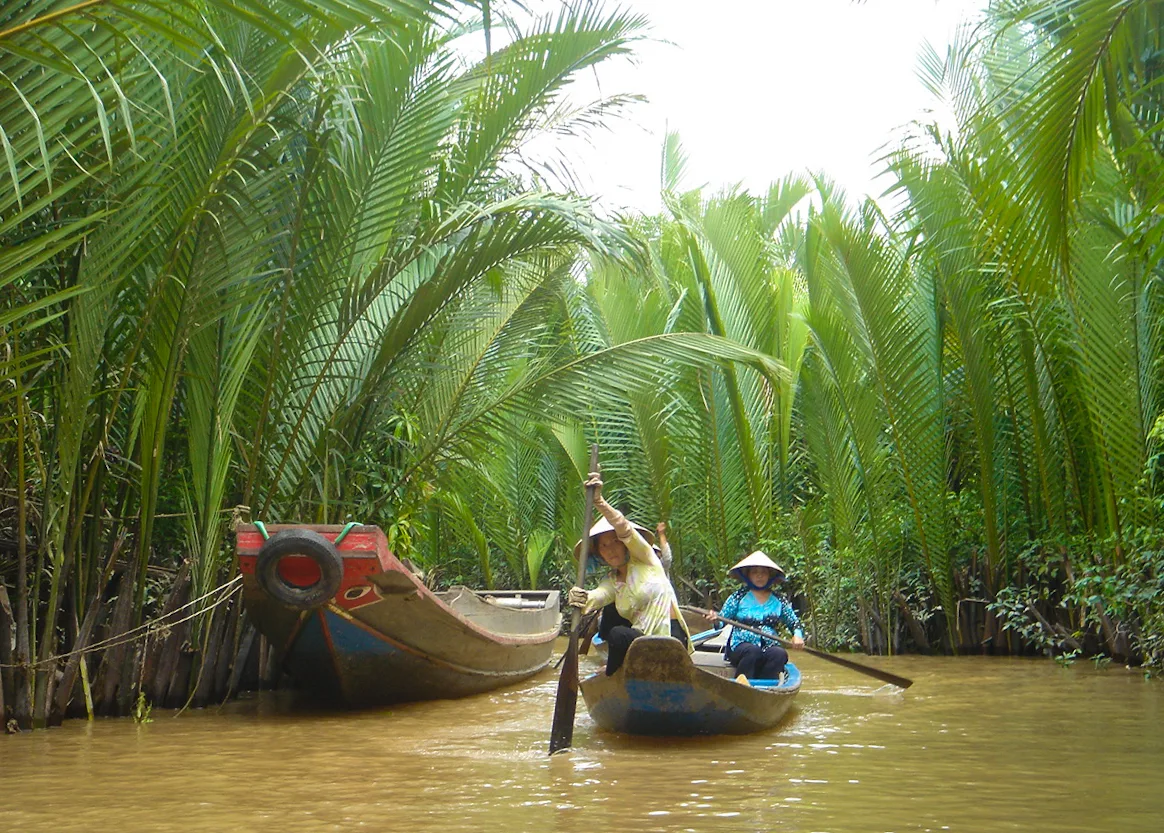

Kayaking on Phu Quoc Island offers a unique way to experience its diverse natural environment, providing opportunities to paddle both along its coastline and through its inland waterways. This activity allows visitors to observe the island's scenery from a different perspective, whether gliding over clear ocean waters or navigating tranquil rivers. For those seeking an active way to explore, kayaking presents an engaging option on this Vietnamese island.
The Appeal of Kayaking on Phu Quoc Island
Phu Quoc stands out among Vietnamese islands for its combination of accessible sea and river environments, making it particularly suitable for kayaking. This geographical feature enables two distinct paddling experiences: coastal exploration and riverine discovery. Travelers can choose to navigate the calm ocean expanses, observing marine life, or venture upstream on a river to witness local daily life and natural landscapes. This dual offering contributes to kayaking's popularity as a highlight activity for many visitors.
The island's natural beauty extends beyond its well-known beaches, with its waterways providing pathways into less-explored areas. Kayaking allows for quiet observation of the surroundings, from the underwater world of coral reefs to the dense vegetation lining riverbanks. It provides a sense of connection with the environment, appealing to those who prefer active engagement over passive sightseeing.
Prime Locations for Kayaking in Phu Quoc
Phu Quoc offers two primary destinations for kayaking enthusiasts: Khem Beach for sea-based adventures and Cua Can River for freshwater paddling. Each location provides a distinct experience, catering to different preferences for scenery and activity.
Kayaking at Khem Beach
Situated in the southern part of Phu Quoc Island, Khem Beach is recognized internationally for its natural beauty. It lies approximately 25 kilometers from Duong Dong town center, along the route to Bai Sao. A notable feature of Khem Beach is the clarity of its ocean waters, which allows for visibility of the colorful coral formations beneath the surface. Kayaking here is considered an excellent method for viewing these marine ecosystems without needing to enter the water directly. The calm conditions often found at Khem Beach make it suitable for various skill levels.
Kayaking on Cua Can River
For those interested in river exploration, the Cua Can River in the northern part of Phu Quoc provides an alternative kayaking experience. Paddlers can follow the river upstream, venturing into areas of primary forest and observing the natural surroundings. A historical point of interest along the river is the war boat associated with Nguyen Trung Truc, a Vietnamese historical figure known for his resistance efforts. The journey along Cua Can River also offers glimpses into peaceful fishing villages and the daily routines of local residents. After navigating the river, paddlers can reach the river mouth, where the Cua Can pristine beach offers a place for swimming. This river journey is often favored by individuals who enjoy active exploration and discovering local culture.
Comparing Kayaking Experiences: Khem Beach vs. Cua Can River
To help travelers decide, here is a comparison of the two main kayaking locations on Phu Quoc:
| Feature | Khem Beach Kayaking | Cua Can River Kayaking |
|---|---|---|
| Location Type | Coastal (sea) | Inland (river) |
| Primary Attraction | Viewing coral reefs through clear water | Exploring primeval forest, local life, historical boat |
| Environment | Open sea, white sand beach | Riverbanks, fishing villages, dense vegetation |
| Distance from Duong Dong | Approximately 25 km south | Northern Phu Quoc (no specific distance provided in source) |
| Activity Level | Generally calm, suitable for relaxation and observation | More exploratory, appealing to active adventurers |
| Additional Activities | Beach relaxation, swimming | Reaching a pristine beach at the river mouth for swimming |
Essential Advice for Kayaking in Phu Quoc
To ensure a safe and enjoyable kayaking experience on Phu Quoc, consider the following practical recommendations. Adhering to these guidelines can enhance your trip and help prevent potential issues.
- Avoid kayaking during periods of heavy rain. Inclement weather can create unsafe conditions on both the sea and rivers, reducing visibility and increasing currents.
- Protect yourself from the sun. Apply sunscreen generously, wear a hat, and choose comfortable clothing suitable for water activities. Waterproof footwear or flip-flops are advisable.
- Always wear a life jacket. This is crucial for safety, regardless of your swimming ability. Ensure it is properly fitted before you begin paddling.
- Inspect your equipment. Before launching, carefully check the kayak and paddles for any damage or defects.
- Consider joining an organized tour if you are new to kayaking or prefer guided assistance. Tours often include a guide who can provide instruction, monitor safety, and offer local insights throughout the journey.
Planning Your Phu Quoc Kayaking Adventure
Preparing for your kayaking trip involves more than just selecting a location; it also includes considering the best time to visit and how to arrange your activity. Phu Quoc generally experiences its dry season from November to April, which typically offers calmer waters and clearer skies, ideal for both sea and river paddling. During the wet season, from May to October, rainfall can be more frequent, potentially affecting water conditions and visibility, especially on the river.
While some visitors may choose to rent kayaks independently, particularly at more developed beaches, opting for a guided tour can offer several advantages. Tour operators often provide equipment, transportation to the kayaking sites, and experienced guides who are familiar with the local waterways and safety protocols. This can be particularly beneficial for navigating areas like the Cua Can River, where local knowledge can enhance the exploratory aspect of the trip. For those interested in exploring Vietnam's diverse offerings, remember that the country provides many unique purchases and souvenirs to commemorate your travels.
Beyond kayaking, Phu Quoc offers a variety of other water-based activities. The island's extensive coastline features numerous beaches, each with its own character. For instance, those who enjoy coastal environments might also appreciate learning about Halong Bay's best beaches for relaxation, which share a similar appeal for water enthusiasts.
Frequently Asked Questions About Kayaking in Phu Quoc
Is kayaking suitable for beginners in Phu Quoc?
Yes, kayaking in Phu Quoc can be suitable for beginners, especially at locations like Khem Beach where the waters are often calm. For those with less experience, joining a guided tour is highly recommended as instructors can provide basic training and ensure safety.
What should I bring for a kayaking trip on Phu Quoc?
It is advisable to bring sunscreen, a hat, comfortable clothing, waterproof shoes or flip-flops, and a waterproof bag for any personal items like phones or cameras. Always remember to wear a life jacket, which is typically provided by tour operators or rental services.
Can I see marine life while kayaking in Phu Quoc?
At Khem Beach, the water is notably clear, allowing kayakers to observe colorful coral reefs from their boat. While direct interaction with marine life is not the primary focus of kayaking, the transparency of the water offers good viewing opportunities.
Are there any age restrictions for kayaking?
The source material does not specify age restrictions. Generally, kayaking operators may have guidelines for children, often requiring them to be accompanied by an adult or meet certain physical criteria. It is best to inquire with specific tour providers or rental services about their policies.
What is the best time of year to kayak in Phu Quoc?
The dry season, from November to April, is generally considered the most favorable time for kayaking in Phu Quoc due to more stable weather conditions and calmer waters. The wet season (May to October) can still be suitable, but kayakers should be mindful of potential rainfall and stronger currents.