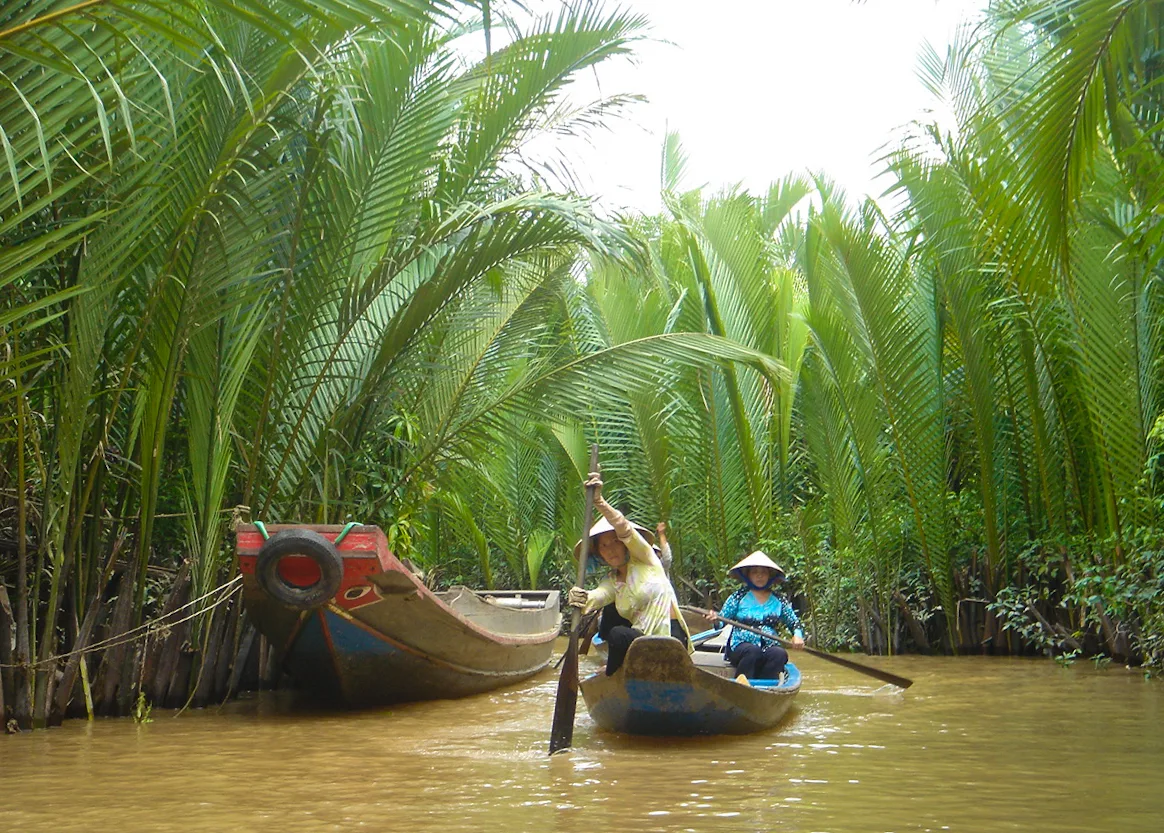
For those planning a visit to Vietnam, understanding the various entry methods is essential for a smooth travel experience. The country offers multiple ways to arrive, catering to different preferences and itineraries, whether you prefer the speed of air travel, the adventure of an overland journey, or the unique perspective of a sea voyage.
This guide provides details on the primary international airports, key land border crossings connecting with Cambodia, Laos, and China, and the main seaports that welcome international visitors.
Arriving by Air: Vietnam's International Airports
The most common and generally most straightforward method for international visitors to enter Vietnam is by air. The nation hosts several international airports that facilitate global connections.
The two largest international air hubs are Noi Bai Airport, serving the capital city of Hanoi, and Tan Son Nhat Airport, located in Ho Chi Minh City. A third significant airport, Da Nang Airport in Da Nang, also handles a selection of international flights, albeit fewer than the two primary gateways. Travelers can book flights directly with international airlines or consider local travel agencies for ticket arrangements.
Overland Travel: Border Crossings with Neighboring Countries
Vietnam shares extensive land borders with Cambodia, Laos, and China, offering numerous official crossings for those who prefer overland travel. These routes can be an appealing option for travelers exploring Southeast Asia by road.
Vietnam-Cambodia Border Crossings
Several border points connect Vietnam with Cambodia. The most frequently used crossing for international travelers is Bavet - Moc Bai. Other established borders between the two countries include Kaam Samnor - Ving Xuong, Phnom Den - Tinh Bien, Prek Chak - Xa Xia, and Le Thanh - O Yadao.
Vietnam-Laos Border Crossings
Travelers can enter Vietnam from Laos through multiple land borders. The Sop Hun - Tay Trang crossing is open to international visitors, with buses typically departing three times a day from Muang Khua on the Lao side towards Dien Bien Phu in Vietnam. Another option is Na Maew - Nam Xoi, which provides a short route from Nam Xoi in Laos to Na Maew in Thanh Hoa Province, Vietnam. The Nam Can - Nam Khan border facilitates travel to Vinh city in Vietnam, with buses available on weekdays from Phonsavan and Luang Prabang. Additional crossings include Nam Phao - Cau Treo, Dansavanh - Lao Bao, and Bo Y - Ngoc Hoi.
Vietnam-China Border Crossings
There are three primary land border crossings between Vietnam and China. These are Mong Cai - Dong Hung, Dong Dang - Ping Xian, and Lao Cai - Hekou. The Mong Cai - Dong Hung border post is situated in the northeastern part of Quang Ninh Province, approximately 176 kilometers from Halong town, accessible via Highway No. 18. For those traveling from Ping Xian to Dong Dang, onward transportation to Hanoi is available by bus or train. The Lao Cai - Hekou border is particularly convenient for reaching Sapa, a notable destination in northern Vietnam.
| Country | Main Border Crossing | Key Notes |
|---|---|---|
| Cambodia | Bavet - Moc Bai | Most popular for international travelers |
| Cambodia | Kaam Samnor - Ving Xuong | Alternative crossing point |
| Cambodia | Phnom Den - Tinh Bien | Alternative crossing point |
| Cambodia | Prek Chak - Xa Xia | Alternative crossing point |
| Cambodia | Le Thanh - O Yadao | Alternative crossing point |
| Laos | Sop Hun - Tay Trang | Buses from Muang Khua (Laos) to Dien Bien Phu (Vietnam) |
| Laos | Na Maew - Nam Xoi | Connects Nam Xoi (Laos) to Na Maew, Thanh Hoa Province (Vietnam) |
| Laos | Nam Can - Nam Khan | Buses from Phonsavan and Luang Prabang (Laos) to Vinh city (Vietnam) on weekdays |
| Laos | Nam Phao - Cau Treo | Alternative crossing point |
| Laos | Dansavanh - Lao Bao | Alternative crossing point |
| Laos | Bo Y - Ngoc Hoi | Alternative crossing point |
| China | Mong Cai - Dong Hung | Located in Quang Ninh Province, 176km from Halong town |
| China | Dong Dang - Ping Xian | Bus and train connections to Hanoi available |
| China | Lao Cai - Hekou | Closest border for reaching Sapa |
Entry by Sea: Major Ports for Cruise Travelers
For those seeking a different approach to arrival, traveling to Vietnam by cruise ship presents an appealing option. The country's coastline features several ports equipped to receive international cruise vessels and their passengers.
Notable ports that welcome foreign travelers include Nha Trang Port, Cai Lan Port, and Phu My Port. Arriving by sea offers a distinctive perspective on Vietnam's coastal landscapes before disembarking to explore inland areas.
Frequently Asked Questions
What are the primary international airports in Vietnam?
Vietnam's main international airports are Noi Bai Airport in Hanoi and Tan Son Nhat Airport in Ho Chi Minh City. Da Nang Airport also handles a smaller number of international flights.
Can I travel to Vietnam by bus from neighboring countries?
Yes, overland travel by bus is possible from Cambodia, Laos, and China through various international border crossings. Specific bus routes operate between certain border towns.
Which land border crossing is recommended for visiting Sapa?
The Lao Cai - Hekou border crossing, connecting Vietnam with China, is the most convenient entry point for travelers heading to Sapa.
Are there options for entering Vietnam via cruise ship?
Yes, several Vietnamese ports, including Nha Trang Port, Cai Lan Port, and Phu My Port, are equipped to receive international cruise ships and their passengers.
How far is the Mong Cai - Dong Hung border from Halong town?
The Mong Cai - Dong Hung border crossing, located in Quang Ninh Province, is approximately 176 kilometers from Halong town.