Engaging in green travel in Vietnam means making responsible choices that reduce negative impacts on the environment, society, and economy of the places visited. This approach to tourism has gained increasing importance globally, aligning with broader sustainable development objectives. For those planning a trip to Vietnam, understanding how to incorporate eco-friendly practices can enhance the experience while contributing positively to the local landscape and communities.
Becoming an eco-conscious traveler does not require extreme measures or sacrificing comfort. Instead, it involves a mindful approach to your actions and decisions, whether you are exploring urban centers or rural areas, staying in luxury resorts or local homestays. The core idea is to minimize your ecological footprint and support sustainability through respectful engagement with local cultures, conservation of natural resources, and contributions to the local economy.
Understanding Green Travel Principles
The concept of green travel, often referred to as ecotourism, has evolved significantly. Historically, it might have been associated with rustic experiences like sleeping in treehouses or cooking with solar power. However, modern green travel focuses on responsible actions that benefit both the traveler and the destination, without necessarily requiring a complete departure from conventional comforts.
The primary motivation for adopting a green travel approach stems from the documented impacts of the tourism industry on natural environments. For instance, coastal developments can contribute to beach erosion, increased visitor numbers can strain delicate ecosystems, and air travel generates carbon emissions. While individual travelers cannot control all aspects of the industry, collective choices regarding accommodation, transportation, and tour operators can drive innovation towards more sustainable practices.
Green Destinations Across Vietnam
Vietnam has implemented regulations to encourage sustainable tourism and mitigate the effects of its growing travel sector. This has led to the promotion of more eco-friendly locations and less frequented areas, offering opportunities to experience the country's natural splendor responsibly. Vietnam is home to numerous national parks and local communities that provide settings for environmentally conscious exploration.
- Cat Ba National Park: Located approximately 60 kilometers from Hai Phong city on Cat Ba Island, this area is a significant protected zone. It encompasses diverse ecosystems, including marine environments, forests, mangroves, and various lagoons and limestone formations. Visitors are encouraged to be mindful of their actions to help preserve the unique flora and fauna here.
- Trang An Scenic Landscape Complex: Situated in Ninh Binh province, on the southern edge of the Red River Delta, Trang An is often described as a 'Halong Bay on land.' It features impressive mountains, extensive wetland ecosystems, limestone caves, and clear streams. Boat tours offer a way to experience the area's natural beauty.
- Phong Nha-Ke Bang National Park: Found in north-central Vietnam, this park is recognized for its cultural significance and protected status. It houses the vast Son Doong Cave and Phong Nha Cave, characterized by limestone karsts, tropical forests, underground rivers, and diverse wildlife. Exploring these caves provides an opportunity to appreciate natural conservation efforts.
Please note that specific addresses, phone numbers, and operating hours for these natural attractions were not provided in the source material. Travelers should verify current details before planning their visit.
Eco-Friendly Activities and Tours
Choosing activities that minimize environmental impact is a key aspect of green travel. Many options in Vietnam allow visitors to experience local culture and natural heritage without relying heavily on fossil fuels or excessive energy consumption. These activities often provide a more intimate connection with the surroundings.
- Cyclo Tours: A cyclo, a three-wheeled bicycle taxi, offers a low-impact way to explore city areas such as Hanoi's Old Quarter and Hoi An. Hanoi also provides city tours using electric cars, which are a carbon-emission-free alternative.
- Cycling Tours: Biking tours are widely available across Vietnam, from urban settings to tranquil villages, lowlands to highlands, and coastal areas to mountains. Cycling is considered a highly eco-friendly method for enjoying the scenery and engaging in gentle physical activity.
- Trekking Tours: Northern Vietnam, in particular, offers extensive trekking and hiking trails with expansive mountain vistas. Responsible trekkers should remain on designated paths to avoid harming native plant life and carry a small bag to collect any waste encountered.
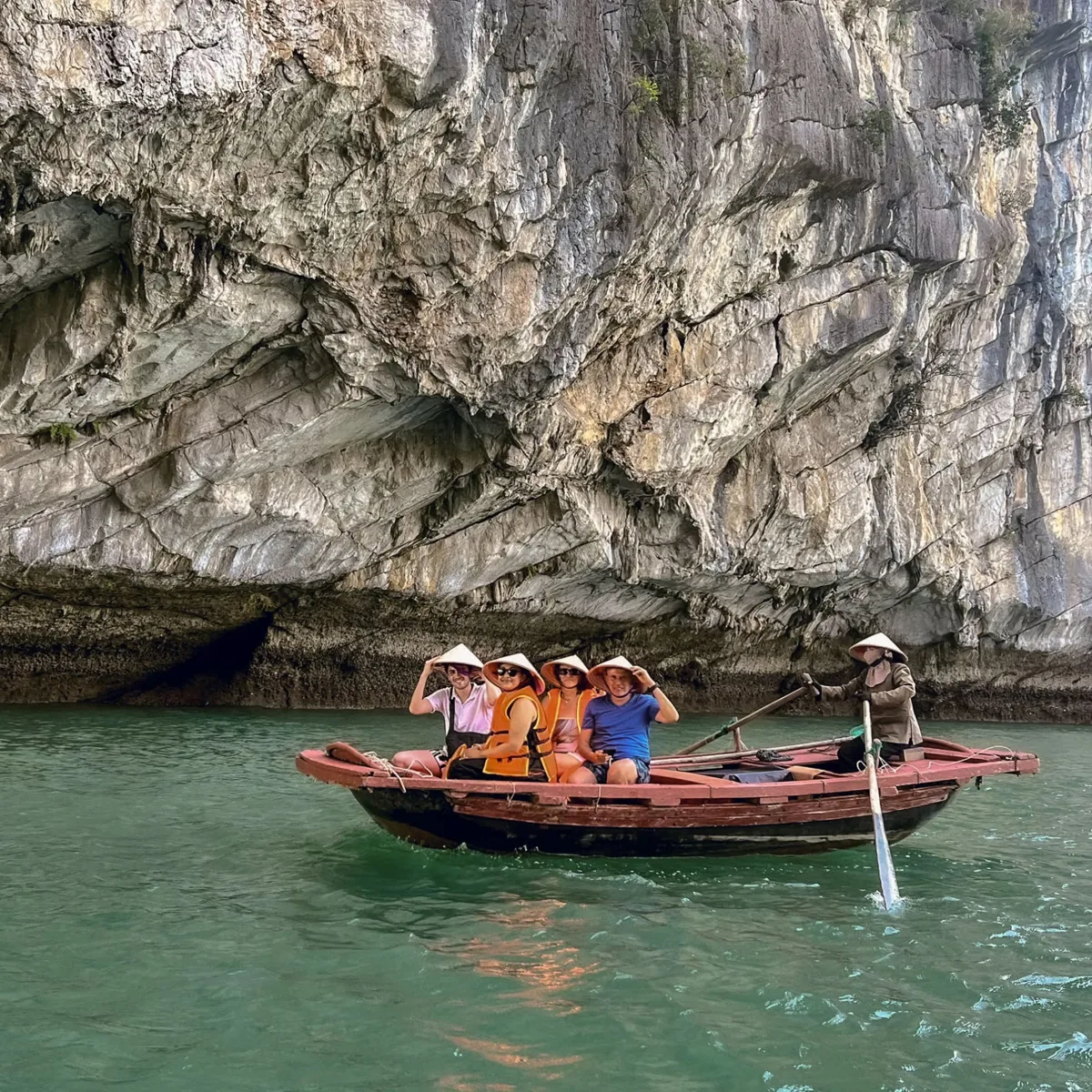
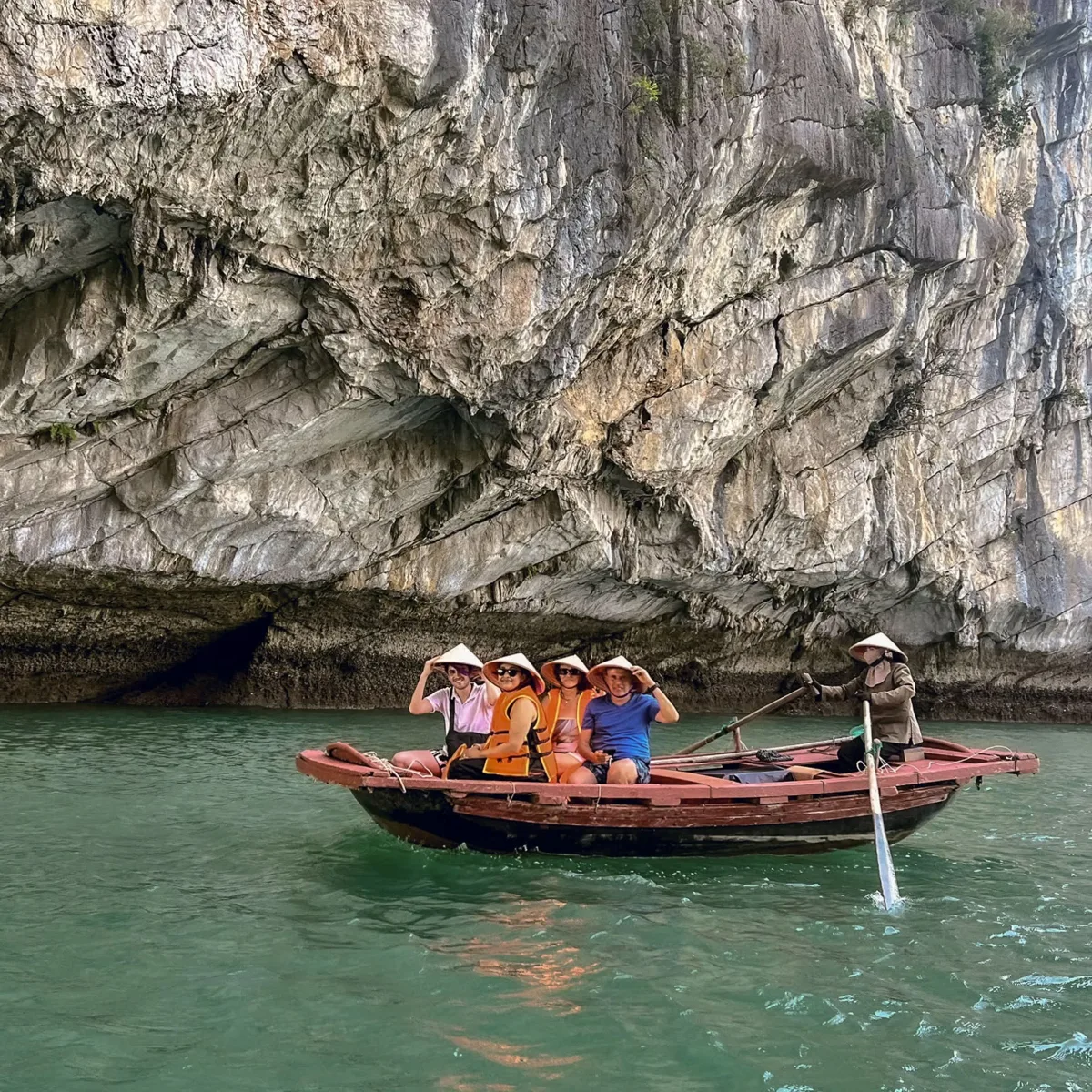
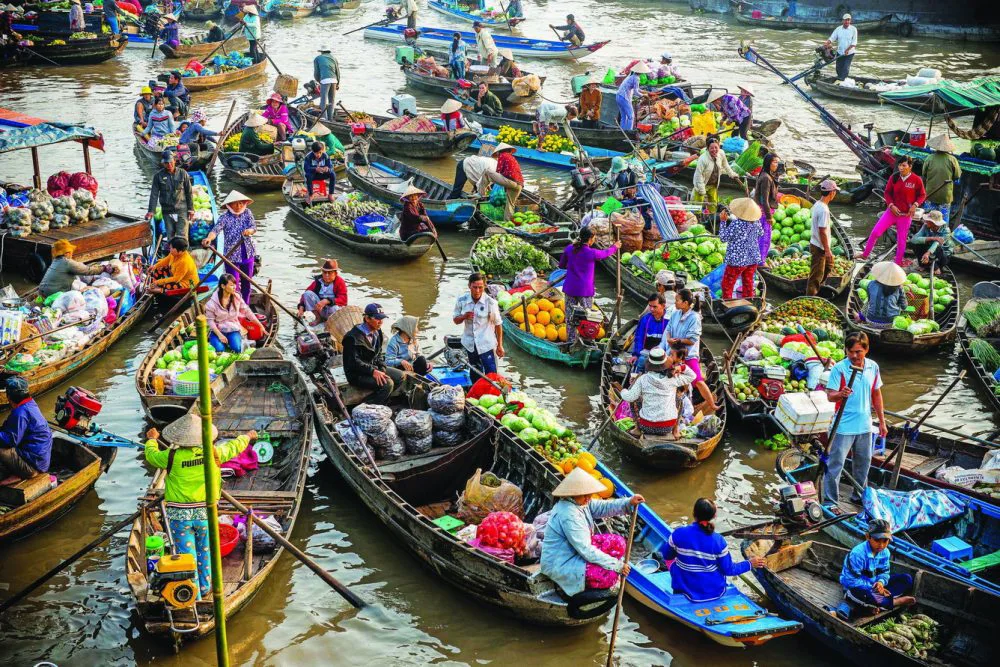
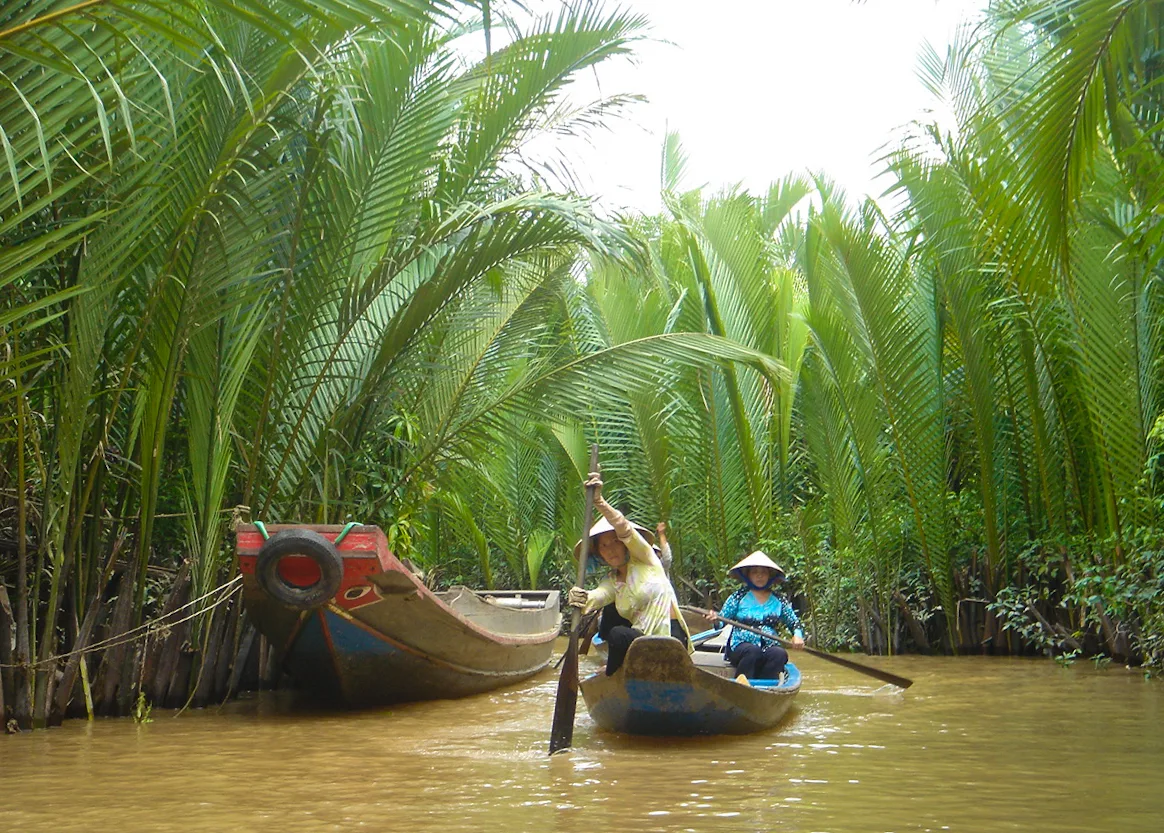
- Water-Based Activities: Engaging in activities like kayaking in Halong Bay, snorkeling or scuba diving in Nha Trang, and boating in the Mekong Delta allows for appreciation of aquatic environments. When participating, it is important to preserve the delicate ecosystems and wildlife. Consider exploring Halong Bay's beaches for relaxation after your water activities.
- Farming Tours: Given Vietnam's long agricultural traditions, farming tours are available in many regions, allowing visitors to experience local farming life. Hoi An is noted as a suitable location for such eco-tours, offering insights into community practices.
| Activity Type | Environmental Benefit | Example Locations |
|---|---|---|
| Cyclo/Electric Car Tours | Reduced carbon emissions, supports local transport | Hanoi Old Quarter, Hoi An |
| Cycling Tours | Zero emissions, physical activity, close to nature | Nationwide (cities, villages, mountains) |
| Trekking Tours | Minimal impact, supports conservation, physical activity | Northern Vietnam (mountain regions) |
| Kayaking/Snorkeling/Boating | Low impact on waterways, direct nature engagement | Halong Bay, Nha Trang, Mekong Delta |
| Farming Tours | Supports local agriculture, cultural immersion | Hoi An, various rural areas |
Sustainable Transportation Choices
Navigating Vietnam offers various transportation options, and making environmentally conscious choices can significantly reduce your travel footprint. While air travel is often the quickest for long distances, it typically has the highest carbon emissions. Travelers can consider offsetting their flight's carbon footprint or choosing airlines known for eco-friendly initiatives, and utilizing airport water dispensers to reduce plastic bottle use.
For journeys within the country, particularly for mid to long distances, train travel provides an alternative perspective and is generally more environmentally sound than flying. Overnight rail journeys in Vietnam offer a practical option for covering significant distances while minimizing environmental impact. For shorter trips, opting for public transportation, renting a hybrid or energy-efficient vehicle, or simply walking and cycling are excellent ways to reduce fuel consumption. These methods are not only beneficial for the environment but can also be economical and promote personal well-being.
Responsible Accommodation and Personal Practices
Vietnam features a range of accommodations, from locally owned homestays to hotels and resorts that prioritize sustainability. Eco-friendly establishments often demonstrate their commitment by being locally owned or operated, implementing recycling programs, reducing consumption, utilizing energy-saving equipment, employing alternative energy sources, and using water-saving systems. They may also favor green materials like paper, bamboo, and glass over plastics.
Even if a dedicated eco-lodge is not available, travelers can adopt several practices to make their stay more sustainable:
- Energy Conservation: Turn off all electrical devices when not in use or when leaving the room. Unplug chargers when devices are fully charged, as plugged-in items can still draw power.
- Water Conservation: Opt for showers instead of baths, as showers typically use significantly less water. Remember to turn off the water while lathering or shampooing.
- Personal Toiletries: Bring your own solid shampoo bars, soap, bamboo toothbrushes, and organic cotton towels. These items are environmentally friendly and often save space in luggage.
- Waste Management: Sort your trash according to local recycling guidelines. If recycling facilities are limited at your accommodation, consider taking empty bottles and other recyclable items with you to a place where they can be properly processed.
Mindful Behaviors for a Greener Trip
Your individual actions during a trip can influence the sustainability of the places you visit and inspire others. Adopting a green lifestyle while traveling involves making conscious choices in your daily activities.
- Reduce Waste: Carry a reusable water bottle and eco-friendly bags to minimize single-use plastic consumption. Opt for reusable straws or decline plastic straws altogether. Many tour operators, especially on Halong Bay cruises, are now providing glass bottles and reusable straws. Limit the use of paper tissues and takeaway cups, as plastic items pose a significant threat to marine and terrestrial wildlife.
- Leave No Trace: When visiting natural attractions, adhere to the principle of 'take nothing but photographs, leave nothing but footprints.' This means refraining from disturbing natural elements or leaving any litter behind.
- Support Local Economies: Prioritize purchasing locally made products, particularly handmade crafts. Avoid buying imported goods or items derived from endangered species. This practice helps to sustain local economies and preserve traditional cultures. For ideas on what to bring home, explore unique purchases from a trip to Vietnam.
Vietnam offers numerous opportunities for eco-friendly vacations. While global travel continues to grow, making green choices is a personal commitment that contributes to the preservation of these destinations for future generations.
Frequently Asked Questions
What defines green travel in Vietnam?
Green travel in Vietnam refers to responsible tourism practices that aim to minimize negative impacts on the environment, support local communities, and respect cultural heritage. It involves making conscious choices about transportation, accommodation, activities, and personal behaviors to promote sustainability.
How can I choose eco-friendly accommodations?
Look for accommodations that are locally owned or operated, implement recycling and waste reduction programs, use energy-saving equipment, utilize alternative energy sources, have water-saving systems, and prioritize green materials like bamboo or glass over plastic. Many establishments will highlight these efforts.
Are there specific eco-tours available?
Yes, Vietnam offers various eco-friendly tours such as cyclo tours in cities, cycling tours in diverse landscapes, trekking in national parks, and water-based activities like kayaking in Halong Bay or boating in the Mekong Delta. Farming tours in places like Hoi An also provide cultural immersion with a low environmental footprint.
What should I avoid to be a responsible traveler?
To be a responsible traveler, avoid excessive use of single-use plastics, littering, disturbing natural habitats or wildlife, purchasing products made from endangered species, and engaging in activities that exploit local communities or natural resources. Always strive to leave places as you found them.
Why is green travel important for Vietnam?
Green travel is crucial for Vietnam to protect its diverse natural landscapes, from marine ecosystems to mountainous regions, and to preserve its rich cultural heritage. It helps mitigate the environmental impact of tourism, supports the livelihoods of local people, and ensures that these destinations remain appealing and sustainable for future visitors and residents.