Vietnam, a nation stretching from northern mountains to southern islands, offers a diverse array of experiences for travelers. From ancient cities rich in history to serene coastal areas and highland retreats, the country presents numerous options for exploration. This guide outlines five prominent destinations across Vietnam, providing insights into their main attractions and practical travel considerations.
Exploring Ha Long Bay's Limestone Karsts
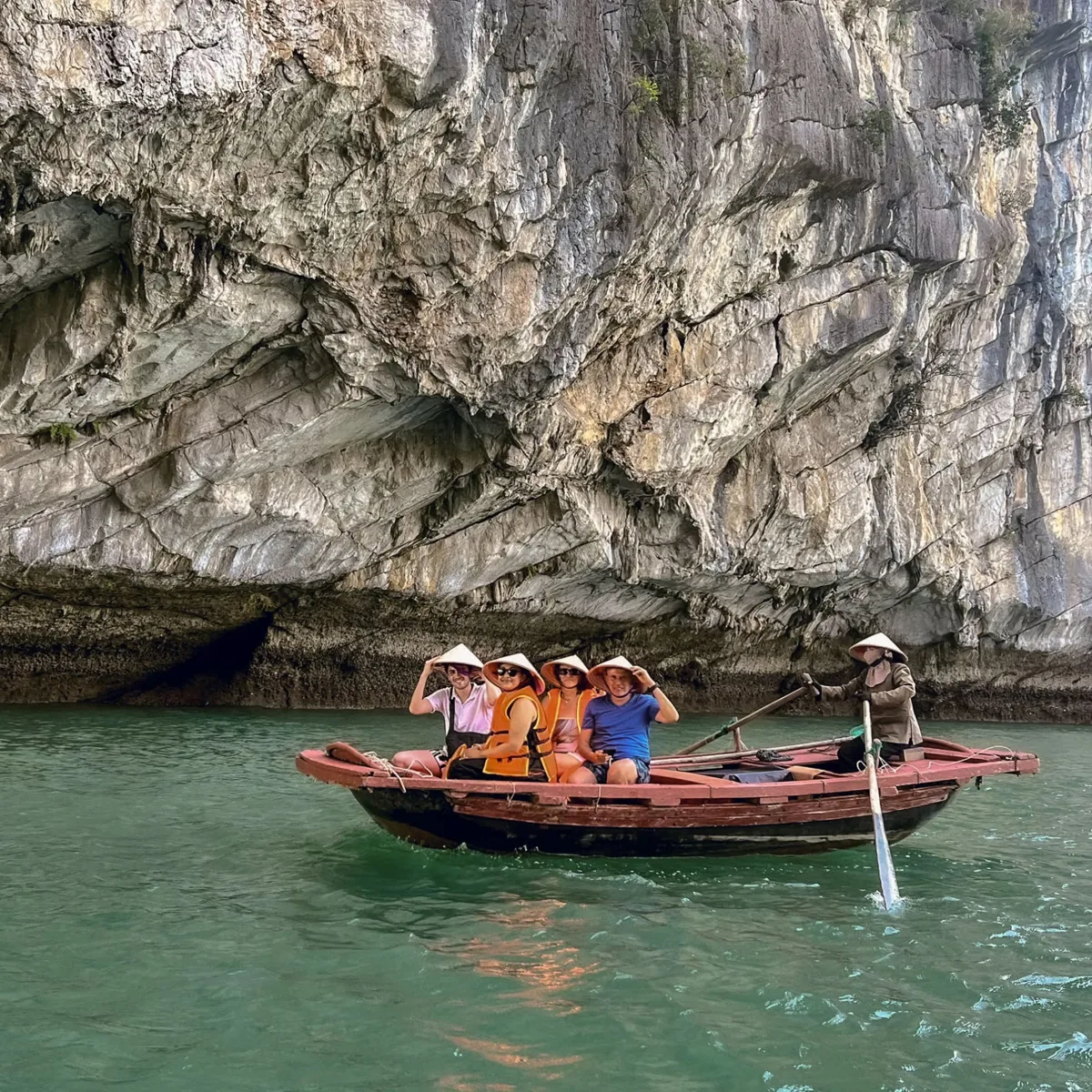
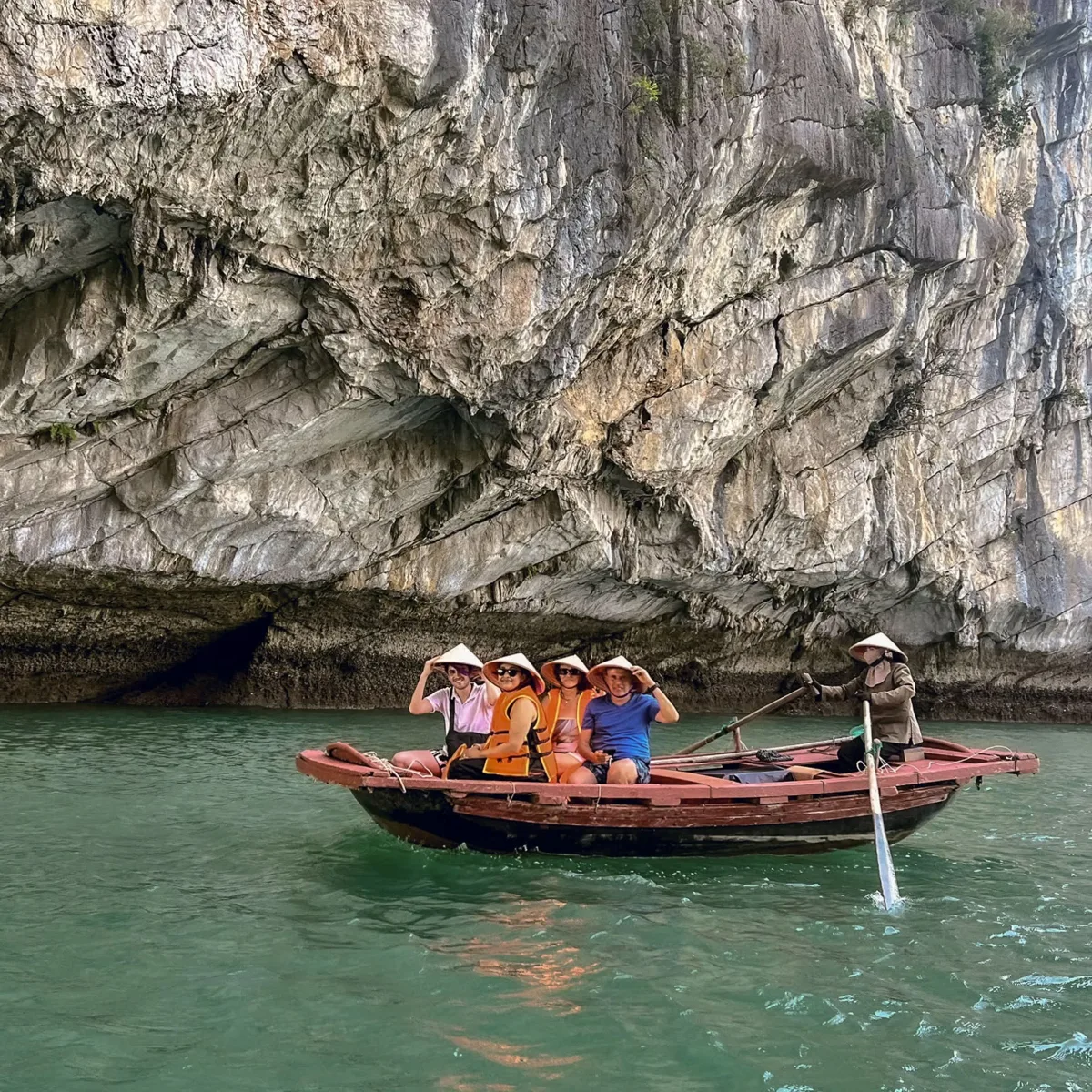
Ha Long Bay, recognized as a UNESCO World Heritage site, is a globally renowned natural landscape. Its distinctive feature is the thousands of limestone formations that rise from calm, emerald waters, often topped with green foliage. This area draws a significant number of visitors annually, eager to witness its unique geological formations.
Activities in Ha Long Bay frequently involve boat excursions that navigate among the islands. Popular points of interest include Sung Sot Cave, noted as one of the largest caverns in the bay. Titop Island offers both a sandy shore for relaxation and a viewpoint for wide vistas of the surrounding area. For those interested in water activities, Luon Cave provides an opportunity for kayaking through rock formations. Additionally, observing the daily routines in local fishing communities offers a glimpse into traditional livelihoods. For those interested in exploring the coastal environment further, more information on Halong Bay's best beaches is available.
Hanoi: A Capital of History and Culinary Delights
Hanoi, Vietnam's capital, presents a compelling mix of historical depth and modern urban life. The city's streets are characterized by colonial-era architecture, ancient religious sites, and a constant flow of motorbikes, making it a key stop for those interested in history and local food.
Significant landmarks include Hoan Kiem Lake, a central point in Hanoi, and Ngoc Son Temple, situated on an island within the lake. The Ho Chi Minh Mausoleum serves as the final resting place for a revered national leader. The Temple of Literature, Vietnam's first university, showcases traditional architecture and scholarly heritage. The Old Quarter, a network of narrow lanes, is famous for its traditional shops and street food vendors, offering a chance to sample local specialties like pho and egg coffee. Cultural performances such as the Water Puppet Show are also popular. For visitors needing to manage their finances while in the capital, a guide to banking options in Hanoi can be helpful.
Da Nang and Hoi An: Coastal Charm and Ancient Streets
The central Vietnamese region encompassing Da Nang and Hoi An provides a blend of contemporary coastal development and historical preservation. Da Nang features a modern urban landscape and expansive beaches, while nearby Hoi An is celebrated for its preserved ancient town.
Key attractions include My Khe Beach, recognized globally for its sand. The Ba Na Hills resort, accessible by cable car, features the Golden Bridge, an architectural structure supported by large stone hands. Hoi An Ancient Town, a UNESCO World Heritage site, is known for its lantern-decorated streets and traditional buildings. The Marble Mountains, a collection of limestone and marble hills, contain caves and pagodas. Visitors can enjoy boat trips on the Thu Bon River in Hoi An or attend the town's lantern festival. Local cuisine includes Banh Mi Phuong and Cao Lau noodles. Those looking to purchase local products and traditional crafts will find the markets and shops in Hoi An particularly rewarding.
Da Lat: Highland Retreat with French Colonial Influence
Situated in Vietnam's Central Highlands, Da Lat offers a cooler climate and a distinct atmosphere, characterized by pine forests and architecture influenced by French colonial styles. It serves as a refreshing escape from the country's warmer lowlands.
Points of interest include Xuan Huong Lake, a central body of water where visitors can rent swan boats. The Crazy House, an unconventional architectural structure, attracts those interested in unique design. Datanla Waterfall provides opportunities for outdoor activities such as canyoning. Linh Phuoc Pagoda is notable for its intricate mosaic artwork. The city's night market is a popular spot for local produce, including fresh strawberries and grilled corn, and visitors often explore local flower farms and coffee plantations.
Phu Quoc Island: Beaches and Entertainment
Phu Quoc, Vietnam's largest island, is recognized for its white sand beaches, clear waters, and range of resorts. It offers both relaxation and entertainment options.
Notable sites include Sao Beach, frequently cited as one of the island's most appealing shores. VinWonders and Vinpearl Safari comprise a large theme park and a wildlife conservation area, providing family-friendly activities. Ham Ninh Fishing Village offers a chance to experience local seafood, while Sunset Sanato Beach Club is a popular location for viewing the evening sky. Activities include snorkeling or scuba diving around the An Thoi Islands, visiting pepper farms, and touring fish sauce production facilities. The "Kiss of the Sea" show and the "Kiss Bridge" are also significant attractions.
Accommodation and Activity Details
This section provides specific information for various accommodations and attractions mentioned, including their locations and available pricing details. Prices are subject to change and should be verified at the time of booking. For international visitors, understanding the financial landscape in Da Nang is important for smooth transactions.
| Destination | Name | Type | Address | Price/Details (Verify Current Rates) | Notes |
|---|---|---|---|---|---|
| Ha Long Bay | Vinpearl Resort & Spa Ha Long | Resort | Not supplied | From 5,199,000 VNĐ / Guest (Combo 3N2Đ, Airfare, Breakfast, Private Beach) | Luxury option |
| Ha Long Bay | Paradise Suites Hotel | Hotel | Not supplied | Pricing not supplied in source | Mid-range option |
| Ha Long Bay | Ha Long Boutique Hotel | Hotel | Not supplied | Pricing not supplied in source | Budget option |
| Hanoi | Melia Hanoi | Hotel | Not supplied | From 2,209,516 VNĐ (originally 3,209,517 VNĐ) | |
| Hanoi | Sofitel Legend Metropole Hà Nội | Hotel | Not supplied | From 2,903,614 VNĐ | Luxury option |
| Hanoi | La Siesta Hanoi Hotel | Hotel | Not supplied | From 1,767,460 VNĐ | |
| Hanoi | La Siesta Classic Ma May | Hotel | Not supplied | Pricing not supplied in source | Mid-range option |
| Hanoi | Hanoi Pearl Hotel | Hotel | Not supplied | Pricing not supplied in source | Budget option |
| Da Nang | KOI Resort & Residence Da Nang | Resort | 11 Trường Sa, Hoà Hải, Ngũ Hành Sơn, Đà Nẵng | From 2,410,000 VNĐ | |
| Da Nang | Fusion Resort & Villas Đà Nẵng | Resort | Trường Sa, Hoà Hải, Ngũ Hành Sơn, Đà Nẵng | From 2,800,000 VNĐ | |
| Quang Nam | Shilla Monogram Quangnam Danang | Resort | Lạc Long Quân, Điện Ngọc, Điện Bàn, Quảng Nam | From 3,200,000 VNĐ | |
| Hoi An | Moire Hoi An | Hotel | Xuyen Trung Block, Cam Nam Ward Cam Nam, Hoi An | From 4,050,000 VNĐ | |
| Quang Nam | New World Hoiana Hotel | Hotel | Tay Son Tay, Duy Hai, Duy Xuyen, Quang Nam | From 2,150,000 VNĐ | |
| Da Nang | InterContinental Danang Sun Peninsula Resort | Resort | Not supplied | Pricing not supplied in source | Luxury option |
| Da Nang | Fusion Maia Da Nang | Resort | Not supplied | Pricing not supplied in source | Mid-range option |
| Hoi An | Little Riverside Hoi An | Hotel | Not supplied | Pricing not supplied in source | Budget option |
| Da Lat | Ana Mandara Villas Dalat Resort & Spa | Resort | Not supplied | Pricing not supplied in source | Luxury option |
| Da Lat | Dalat Palace Heritage Hotel | Hotel | Not supplied | Pricing not supplied in source | Mid-range option |
| Da Lat | Tigon Dalat Hostel | Hostel | Not supplied | Pricing not supplied in source | Budget option |
| Phu Quoc | JW Marriott Phu Quoc Emerald Bay | Resort | Not supplied | Pricing not supplied in source | Luxury option |
| Phu Quoc | Novotel Phu Quoc Resort | Resort | Not supplied | Pricing not supplied in source | Mid-range option |
| Phu Quoc | Lahana Resort Phu Quoc | Resort | Not supplied | Pricing not supplied in source | Budget option |
| Phu Quoc | VinWonders & Vinpearl Safari | Theme Park/Safari | VinWonders Phú Quốc, Bãi Dài, Đảo Phú Quốc | Combo 1 Day: 250,000 VNĐ adult, 150,000 VNĐ child/senior (food voucher). Combo 2 Days: 250,000 VNĐ adult, 150,000 VNĐ child/senior (food voucher + Teddy Bear Museum ticket). | Child under 1m free. Senior ID required. Food vouchers valid until 31/12/2023 (verify current rates). |
| Phu Quoc | Kiss of the Sea and Cầu Hôn | Show/Attraction | Quầy vé Kiss of the Sea, Thị trấn Hoàng Hôn, An Thới, Phú Quốc, Kiên Giang | Standard ticket for Kiss of the Sea, Kiss Bridge entry. | Show: Wed-Mon 21:00. Child 100cm+ charged as adult. |
Planning Your Trip to Vietnam
When preparing for a visit to Vietnam, considering the diverse geography and climate is helpful. The country's elongated shape means weather conditions can vary significantly between the north, central, and southern regions at any given time. Generally, the dry season (October to April) is suitable for most areas, though specific regional variations exist.
Transportation within Vietnam is varied, with options including domestic flights, trains, and buses connecting major cities and tourist areas. For shorter distances, taxis, ride-sharing apps, and local motorbikes (xe ôm) are widely available. Acquiring a local SIM card upon arrival can facilitate communication and navigation. It is also advisable to research visa requirements based on nationality before travel.
Frequently Asked Questions
What is the best time of year to visit Vietnam?
The optimal time to visit Vietnam generally spans from October to April, when the weather is cooler and drier across much of the country. However, due to Vietnam's length, regional climates differ. Northern Vietnam (Hanoi, Ha Long Bay) experiences cold winters, while southern Vietnam (Phu Quoc) remains warm year-round. Central Vietnam (Da Nang, Hoi An, Da Lat) has a dry season from February to August.
How many days are recommended for a trip to Vietnam?
For a comprehensive experience covering multiple key destinations, a trip of 10 to 14 days is often suggested. This allows sufficient time to explore cities like Hanoi, experience the natural beauty of Ha Long Bay, relax on the beaches of Da Nang, wander through Hoi An's ancient streets, and visit Phu Quoc or Da Lat. Shorter trips of 5-7 days might focus on one or two regions.
Is Vietnam a safe country for travelers?
Vietnam is generally considered a safe country for international travelers. Petty crime, such as bag snatching, can occur, particularly in crowded tourist areas and larger cities. Visitors are advised to take standard precautions, such as safeguarding valuables and being aware of their surroundings. Traffic can be chaotic, so caution is recommended when crossing streets.
What currency is used in Vietnam and how should I manage money?
The official currency of Vietnam is the Vietnamese Dong (VNĐ). While credit cards are accepted in many hotels, larger restaurants, and shops, cash is essential for smaller purchases, street food, and local markets. ATMs are widely available in urban areas. It is advisable to carry a mix of cash and cards.
What are some essential foods to try in Vietnam?
Vietnamese cuisine is renowned globally for its fresh ingredients and distinct flavors. Must-try dishes include Phở (noodle soup), Bánh Mì (Vietnamese sandwich), Gỏi Cuốn (fresh spring rolls), Bún Chả (grilled pork with noodles), and Cao Lầu (a specialty noodle dish from Hoi An). Local coffee, especially egg coffee in Hanoi, is also highly recommended.