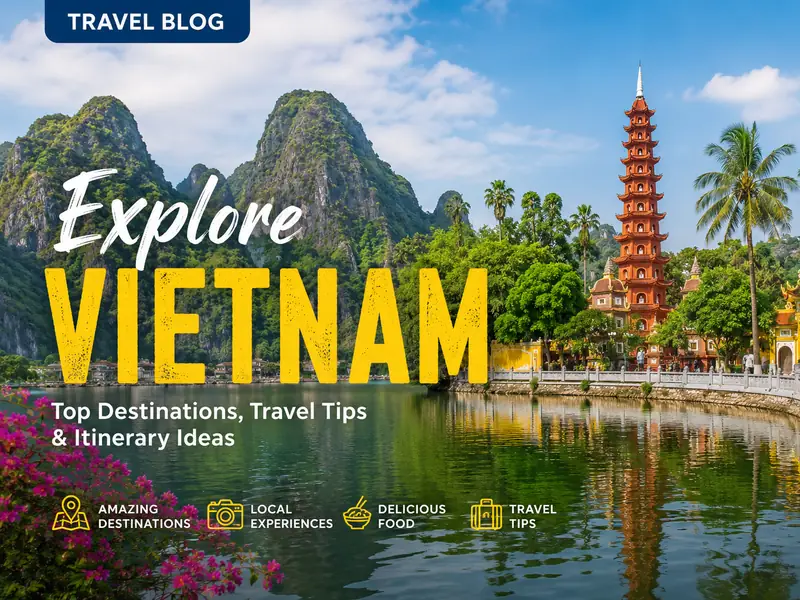
A Mekong cruise between Vietnam and Cambodia is a multi-day river voyage that moves from Ho Chi Minh City (Saigon) to Siem Reap or vice versa, stopping at riverside towns, floating markets and cultural sites along the way. These cruises concentrate sightseeing into a single trip on the river, combining urban excursions, village visits and guided stops at major Cambodian monuments.
What a Mekong cruise is and regional background
A Mekong cruise is a river-based trip that follows the river's course through southern Vietnam into Cambodia. Ships run an itinerary of daily landings and short excursions to towns, markets and historic sites; most programmes include transfers between central transport hubs and the ship's embarkation point. Cruises often travel the stretch between the Mekong Delta's channels and the Tonle Sap system before finishing near the Angkor complex.
The route covers a mix of environments: the irrigated rice plains and canal networks of the Mekong Delta, provincial towns that grew around river trade, and Cambodia's lowland river corridor that leads to Phnom Penh and the Tonle Sap basin. For a concise overview of shorter ways to see the river and how day tours compare, visitors report this is a good complement to independent excursions about the waterways: experience the Mekong River.
Key highlights and the typical day-by-day route
Most seven-night itineraries follow a sequence of ports and activities. Embarkation commonly occurs at My Tho, roughly 70 kilometres from Ho Chi Minh City, followed by upstream stops such as Cai Be, Sa Dec and Tan Chau in Vietnam. After crossing the border, the ship continues to Phnom Penh and then to smaller Cambodian riverside communities, finishing with Tonle Sap and transfer to Siem Reap.
Highlights usually include floating markets and craft workshops in the Delta, colonial-era architecture and city tours in Phnom Penh, and the final visits to Angkor Wat and Bayon near Siem Reap. Below is a representative day-by-day outline drawn from commonly offered cruise schedules:
- Day 1: Transfer to My Tho, embark, evening onboard cultural performance.
- Day 2: Cai Be floating market, rice paper and coconut sweet makers; onward to Sa Dec and local sites.
- Day 3: Tan Chau—silk weaving and boat rides; depart for Cambodian border.
- Day 4: Phnom Penh—royal sites, national museum and memorial sites.
- Day 5: Chong Koh—riverside village visits and silk workshops; return to Phnom Penh.
- Day 6: Oudong and Kampong Tralach—historic stupas and pagodas.
- Day 7: Kampong Chhnang—floating villages and local markets.
- Day 8: Cross Tonle Sap, disembark and transfer to Siem Reap for Angkor visits.
Practical tips for planning and packing
Travel logistics for a Mekong cruise often include a pre-embarkation transfer from Ho Chi Minh City to My Tho; many travellers use scheduled group transfers arranged by the cruise operator. Border formalities between Vietnam and Cambodia are completed during the voyage; policies and document requirements change, so confirm passport, visa and entry procedures with the provider before booking.
Packing should reflect a mix of warm, humid days and indoor museum visits. Lightweight clothing, sun protection, a light rain layer and comfortable flat shoes for temple and village walks are typically recommended. Bring copies of travel documents and any necessary medications; electronics and chargers are useful for the frequent photo opportunities along the river.
- Carry a small day bag for excursions and temple visits.
- Respect dress codes at religious sites—shoulders and knees covered.
- Check vaccination and health advisories for both countries before travel.
- Confirm whether luggage transfers and hotel nights are included if the cruise starts or ends in Siem Reap or Ho Chi Minh City.
Cultural and historical context along the route
The cruise passes through areas shaped by centuries of river commerce and differing historical influences. In southern Vietnam, French colonial architecture sits beside local markets and religious sites such as Cao Dai temples; Sa Dec has specific literary associations and local museums connected with early 20th-century figures. Along the Cambodian stretch, Phnom Penh retains French-era avenues as well as national monuments and contemporary memorials tied to the country's 20th-century history.
Smaller stops on the route focus on community crafts and rural life: silk weaving, mat-making and food processing are common activities visitors see during short workshops and village tours. For travellers who want more detailed background on some of the Vietnamese provinces visited by river services, regional overviews of areas like An Giang Province offer useful local context and seasonal information.
Who this cruise is best suited to and accessibility notes
Seven-night Mekong cruises suit travellers who prefer a single, paced itinerary combining cultural visits and comfortable accommodation without changing hotels every night. They work well for visitors who have limited time but want to see both Vietnamese Delta life and Cambodian river towns plus major archaeological sites near Siem Reap.
These voyages are also appropriate for people who prefer guided excursions with transfers handled for them, although travellers seeking complete independence or a very active trekking holiday will find a river cruise less suitable. Most operations provide relatively short shore walks and boat transfers; passengers with limited mobility should check specific vessel accessibility and excursion demands with the operator.
Comparisons and alternatives to a 7-night river cruise
A river cruise condenses many stops into one continuous trip; alternatives include a land-first itinerary that links Ho Chi Minh City and Siem Reap by road or air, or a combination of short day tours from major bases in the Delta or Phnom Penh. Day-trip options and shorter Delta cruises are available for those who prefer less time on the river.
The table below outlines common trade-offs to consider when choosing between a Mekong cruise, a land-based route and day tours.
| Option | Time commitment | Ease of planning | Access to rural stops | Cost tendency |
|---|---|---|---|---|
| 7-night Mekong cruise | One week | High (single booking) | Good (boat landings) | Mid–high |
| Land-based Ho Chi Minh–Siem Reap | Variable (2–4 days or more) | Medium (multiple bookings) | Limited (road-side stops) | Variable |
| Day tours from cities | Few hours–full day | Low (many operators) | Variable (selective) | Low–mid |
Frequently Asked Questions
How long does a typical Mekong cruise between Vietnam and Cambodia take?
Most scheduled itineraries are seven nights aboard the vessel with an eighth day for disembarkation and transfer; some operators offer shorter or longer alternatives. Confirm total voyage duration with the chosen provider before booking.
Do cruises include visits to Angkor Wat and Bayon?
Yes. It is common for end-of-cruise excursions to transfer passengers to Siem Reap for visits to Angkor Wat, Bayon and nearby temples. These temple visits are usually organised as guided day trips or multi-day stays after disembarkation.
Are border crossings handled onboard?
Border formalities between Vietnam and Cambodia are typically coordinated as part of the cruise itinerary. Policies and document requirements can change, so travellers should verify visa rules and passport validity with the operator prior to travel.
What types of excursions are included in a typical itinerary?
Included excursions frequently cover floating markets, craft workshops (rice paper, coconut sweets, silk weaving), religious sites, city cyclo tours and visits to museums and memorials. Additional optional activities may be offered at extra cost.
Can I extend my time in the Mekong Delta or Siem Reap after the cruise?
Extensions are commonly available. Many guests add hotel nights in Ho Chi Minh City, Siem Reap or nearby homestays to continue exploring the Delta. For recommendations on local stays that bring you closer to riverside life, see resources about Mekong Delta homestays.