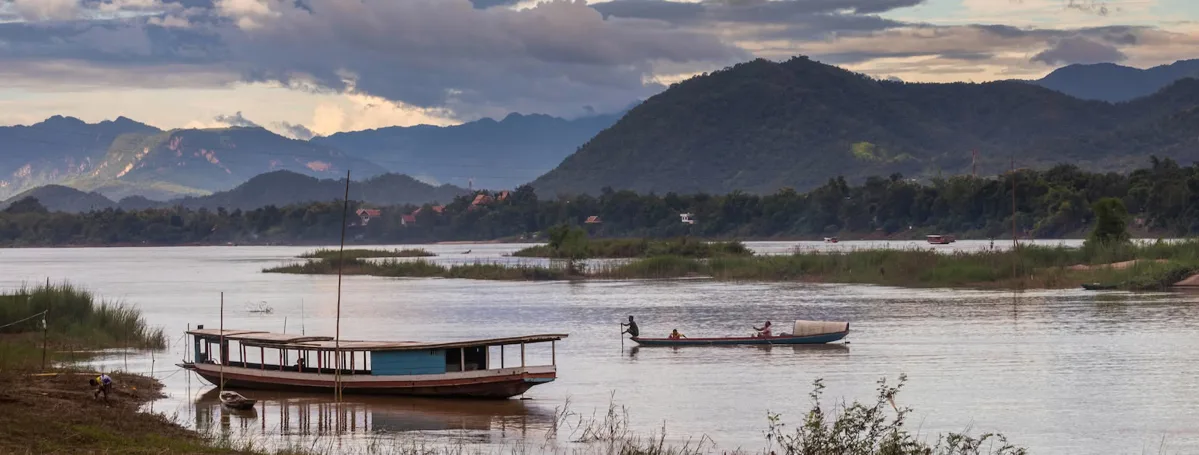
The Mekong Delta, located in southern Vietnam, is a prominent destination recognized for its extensive waterways, verdant rice paddies, and distinctive local culture. To fully appreciate its offerings, selecting the right time to visit is important, as weather conditions significantly impact travel experiences. The most favorable period for a trip to the Mekong Delta is generally during the dry season, which typically spans from November to April.
Understanding Mekong Delta's Climate Patterns
The Mekong Delta experiences a consistent tropical climate, characteristic of southern Vietnam, with two primary seasons: a dry period and a wet period. Throughout the year, the average temperature remains around 30 degrees Celsius, with minimal fluctuation between day and night. While rain occurs during the wet season, it often consists of brief showers that may not substantially disrupt travel plans. However, knowing the specific characteristics of each season can help visitors prepare for their journey.
The region's weather stability means that even outside the peak dry season, travel is often feasible. Short rainfalls typically last only 10-15 minutes, allowing activities to resume quickly. Nevertheless, certain months offer distinct advantages for specific types of exploration and enjoyment.
The Dry Season: Ideal for Exploration (November to April)
The dry season, extending from November through April, is widely considered the prime time for visiting the Mekong Delta. During these months, rainfall is minimal, accounting for only about five to ten percent of the annual total. This period allows for comfortable participation in outdoor pursuits without concern for frequent downpours.
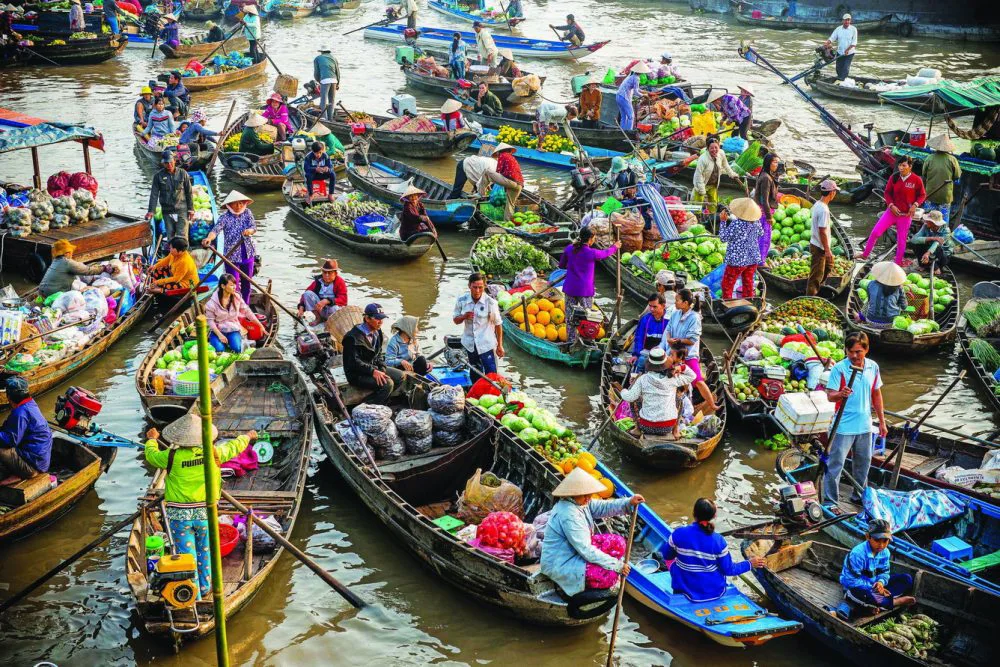
Within the dry season, the months of November to January are particularly recommended. These months often bring slightly cooler temperatures, making conditions more pleasant for those sensitive to heat. Additionally, the water levels in the rivers are typically at their highest during this time, enhancing the experience of navigating the waterways and visiting the famous floating markets. This period is also harvest season for many tropical fruits, offering visitors a chance to sample fresh produce directly from local gardens. Activities such as cycling through rural areas, observing daily life in villages, and trying local delicacies become more accessible.
The Wet Season: Experiencing the Delta's Greenery (May to October)
The wet season in the Mekong Delta runs from May to October, characterized by daily rainfall. These rains can vary from light drizzles to heavy downpours, sometimes lasting for several hours. Despite the rain, this season brings a lushness to the landscape, with paddy fields appearing particularly green and vibrant.
After a few months of consistent rain, the Mekong Delta experiences a flood season, which, while impacting some ground-based activities, is crucial for the region's agriculture. The elevated water levels replenish the rice fields with vital nutrients and can present a unique perspective for visiting the floating markets, which appear even more expansive on the higher waters. While heavy, prolonged rain might make activities like cycling challenging, lighter showers often pass quickly, allowing travelers to continue their exploration after a brief pause. Visitors should be prepared for sudden weather changes and plan accordingly.
Activities and Experiences by Season
The Mekong Delta offers a range of activities that can be enjoyed throughout the year, though some are enhanced by specific seasonal conditions.
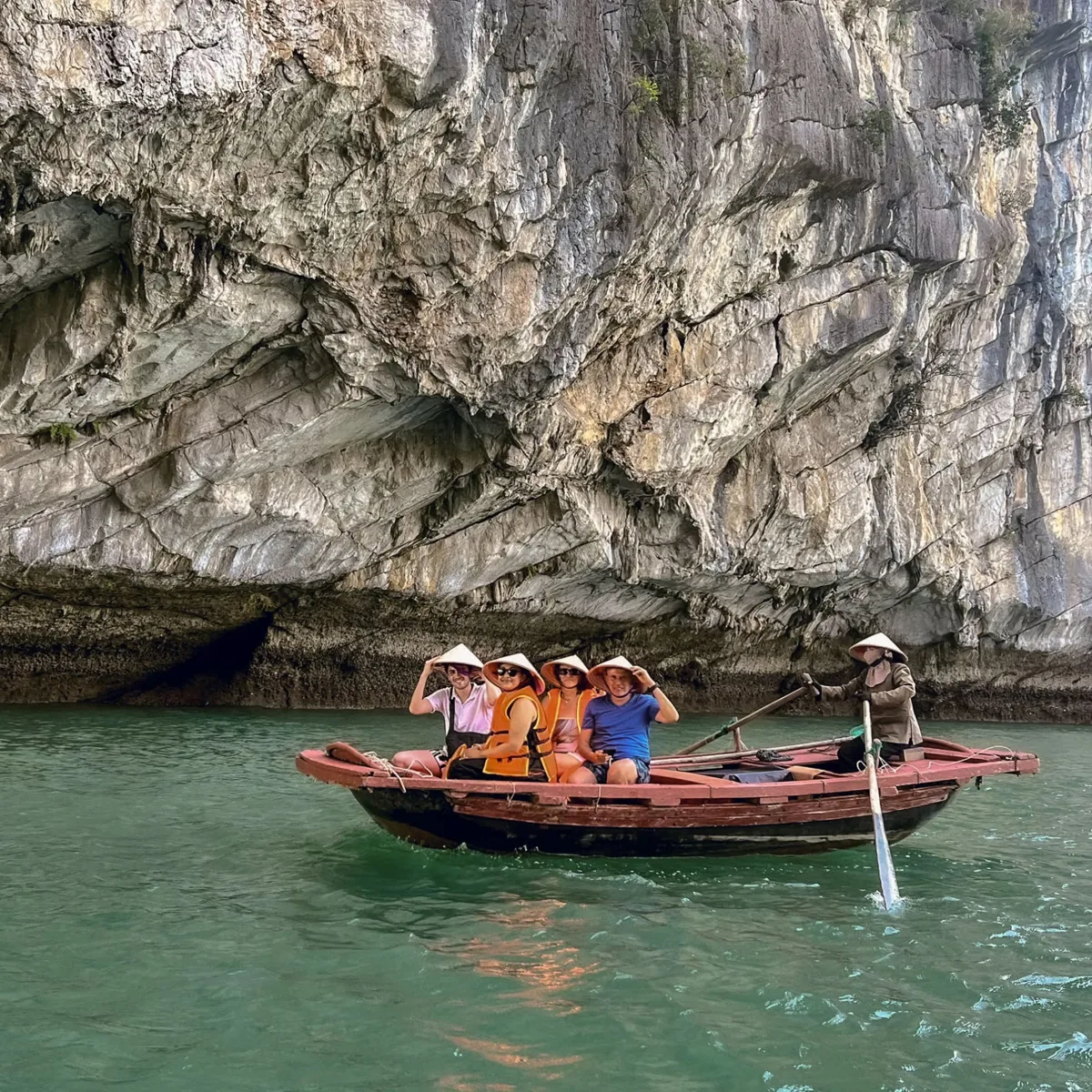
- Floating Markets: These iconic markets are a highlight of the Delta. While accessible year-round, the dry season (November to April) offers clearer skies and calmer waters for boat trips. The wet season, particularly when water levels are high, provides a different, often more expansive, visual experience of these riverine marketplaces.
- Cycling and Village Exploration: The dry season's low rainfall and comfortable temperatures are ideal for exploring the countryside by bicycle or on foot. Visitors can ride through villages, observe local life, and interact with residents without weather interruptions.
- Fruit Orchards: The dry season coincides with the harvest period for many tropical fruits, making it an excellent time to visit orchards and sample fresh produce.
- Cultural Events: If visiting in late January or early February, travelers might experience Tet, the Lunar New Year. This significant Vietnamese holiday transforms streets and markets with decorations, flowers, traditional foods like pickled mini leeks and cylindrical sticky rice cake, and a celebratory atmosphere with parties and karaoke.
Regardless of the season, the Mekong Delta provides opportunities for cultural engagement, from visiting traditional craft workshops to observing the unique riverine lifestyle. For those interested in managing their finances during their travels in the region, resources like Can Tho City banking guide can be helpful.
Essential Packing and Preparation Advice
Preparing appropriately for the Mekong Delta's climate ensures a more comfortable trip, regardless of the season.
- Clothing: Light, breathable clothing is advisable year-round due to the warm and humid conditions.
- Footwear: During the dry season, comfortable sneakers, sandals, or flip-flops are suitable for walking and exploring. In the wet season, waterproof footwear or shoes that dry quickly are beneficial.
- Sun Protection: A hat and sunscreen are essential in both seasons. Even on cloudy or rainy days, UV radiation can be strong when the sun emerges.
- Rain Gear: For the wet season, a lightweight raincoat or an umbrella is a necessity for unexpected showers.
- Insect Repellent: Mosquitoes are more prevalent during the rainy season, so repellent is highly recommended.
- Hydration: The warm and humid climate necessitates staying hydrated. Carrying a water bottle is wise, and local options like sugarcane juice or fresh fruit smoothies are refreshing alternatives. It is also advisable to avoid strenuous activities during the hottest part of the day, typically around noon, or to take frequent breaks.
When planning your itinerary, consider that the dry season offers more consistent weather for outdoor activities, while the wet season showcases the Delta's agricultural vitality and unique charm with higher water levels. For those traveling through major urban centers before or after their Delta visit, information on banking services in Ho Chi Minh City can be useful.
Key Considerations for Planning Your Visit
Beyond weather, several factors can influence the timing of your Mekong Delta trip.
The dry season's stable weather makes it easier to navigate the smaller canals and explore the extensive network of rivers. This period is also popular with visitors, which means attractions might be more crowded. Conversely, the wet season, while wetter, often sees fewer tourists, potentially offering a more tranquil experience. The elevated water levels can also provide unique photographic opportunities of the flooded landscapes and active floating markets.
Travelers interested in local festivals should research specific dates, as these often coincide with agricultural cycles or national holidays. For instance, experiencing Tet (Lunar New Year) provides a deep insight into Vietnamese culture, with its widespread decorations, special foods, and festive atmosphere. This holiday typically falls in late January or early February, varying each year.
Seasonal Overview for Mekong Delta Travel
| Season | Months | Key Characteristics | Recommended Activities | Considerations |
|---|---|---|---|---|
| Dry Season | November - April | Low rainfall, clear skies, comfortable temperatures (cooler in Dec-Jan) | Floating market cruises, cycling, village tours, fruit orchard visits, Tet celebrations (late Jan/early Feb) | Higher tourist numbers, generally warmer afternoons |
| Wet Season | May - October | Daily rain (short showers to heavy downpours), high humidity, lush landscapes | Floating market visits (higher water levels), observing rice cultivation, cultural experiences | Potential for rain disruptions, increased mosquito activity |
No matter when you choose to visit, the Mekong Delta offers a rich cultural experience. Consider what aspects of the region you most wish to explore to determine the best time for your personal travel preferences. For those looking to purchase local items, understanding essential souvenirs and unique purchases from a trip to Vietnam can help.
Frequently Asked Questions
When is the absolute best time to visit the Mekong Delta for pleasant weather?
The period from November to April, which is the dry season, generally offers the most pleasant weather for visiting the Mekong Delta. Specifically, December and January are often cited as ideal due to slightly cooler temperatures and lower humidity, making outdoor activities more comfortable.
Does the rainy season make visiting the Mekong Delta impossible?
No, the rainy season (May to October) does not make visiting the Mekong Delta impossible. While daily rain is common, showers are often brief, allowing for continued exploration. The higher water levels during this time can also enhance the experience of floating markets and showcase the region's agricultural vitality.
What are the main differences between visiting in the dry versus the wet season?
The dry season offers consistent clear weather, ideal for extensive outdoor activities like cycling and river cruises, with lower humidity. The wet season brings lush green landscapes and higher river levels, which can offer a unique perspective on floating markets and agricultural life, though with more frequent, albeit often short, rain showers.
What special events might I experience if I visit during the dry season?
If you visit the Mekong Delta in late January or early February during the dry season, you might experience Tet, the Vietnamese Lunar New Year. This national holiday is marked by widespread decorations, special traditional foods, and a festive atmosphere throughout the region.
What should I pack for a trip to the Mekong Delta?
Regardless of the season, pack light, breathable clothing, a hat, sunscreen, and mosquito repellent. During the dry season, comfortable walking shoes are sufficient. For the wet season, add a raincoat or umbrella and consider waterproof footwear.