Vietnamese festivals are integral to the nation's spiritual and cultural identity, having been observed for many centuries. These events provide a profound look into the country's heritage, honoring historical figures and legendary heroes who contributed to the nation's foundation. Throughout the year, various celebrations take place, reflecting the deep-rooted traditions and communal values of the Vietnamese people.
The Enduring Role of Festivals in Vietnamese Society
Traditional festivals have long formed a core component of Vietnam's spiritual and cultural fabric, evolving and being preserved across numerous generations. They are considered an essential element of daily life, embodying the national ethos encapsulated by the saying, "When drinking water, think of its source." These gatherings serve as platforms to venerate revered figures, often referred to as "gods," who represent either historical individuals or legendary characters celebrated for their contributions to the nation.
Life in Vietnam frequently features a succession of both major and minor festivals, ensuring that the calendar rarely lacks a celebratory event. The cultural importance of these occasions is significantly amplified during the festive periods. Historically, a diverse array of festivals and events exist, ranging from straightforward observances to more intricate and meaningful operations. While some are dedicated to showing reverence for national heroes and founders, others aim to provide entertainment for the entire community and commemorate significant historical moments.
Understanding Festival Structure and Participation
Vietnamese festivals generally follow a structured progression, typically encompassing three main stages: preparation, the main festive days, and the conclusion. The initial phase involves careful planning, where specific tasks are delegated to various groups within the community. Before the festival commences, participants meticulously inspect and arrange worshipping objects, traditional attire, decorations, and ensure the cleanliness of the sacred spaces and statues.
The central period of a festival can extend over several days, featuring a range of activities. These commonly include ceremonial processions, offerings of incense, and a variety of recreational games. These events draw participation from diverse segments of society, all eager to engage with the celebratory atmosphere. Upon the festival's conclusion, the organizing body typically expresses gratitude to all participants and formally closes the worshipping area, marking the end of the communal observance.
Key National Festivals to Experience
Several major festivals stand out for their cultural significance and widespread observance across Vietnam. These events offer travelers a unique opportunity to witness traditional customs and community spirit firsthand.
Tet Nguyen Dan (Lunar New Year)
Tet Nguyen Dan, commonly known as Lunar New Year, is the most significant and widely celebrated festival in Vietnam. Central to Vietnamese customs, Tet is fundamentally a family-oriented occasion. This deep-seated tradition motivates individuals, regardless of how far they live or work, to return to their ancestral homes to reunite with parents, siblings, and extended relatives. Even ancestors who have passed away are symbolically "invited" to partake in the Tet festivities with the living family members. During the Tet holiday, people exchange wishes for good fortune, health, and prosperity in the coming year. Children traditionally receive "Li Xi," or lucky money, from adults. Traveling during major festival periods, especially Tet, often involves significant internal migration, as people return to their hometowns. This can impact overnight rail journeys and other forms of transportation, so advance planning is advisable.
Mid-Autumn Festival (Tet Trung Thu)
Tet Trung Thu, or the Mid-Autumn Moon Festival, is an ancient celebration primarily centered around children. It is believed that this festival originated as a special occasion for parents to spend quality time with and celebrate their children after the demanding harvest season. The festival is observed under the full moon, a symbol of completeness and life's abundance. Children are traditionally given Trung Thu cakes, and parents often assist their children in crafting lanterns and costumes. To experience the lively atmosphere of the Mid-Autumn Festival, visitors often head to Ma Street in Hanoi, known for its display of colorful lanterns during this time.
Hung King Temple Festival
The Hung Kings Temple Festival, also known as Hung Kings' Commemoration Day, is an annual event held on the 10th day of the third lunar month. This festival honors the 18 Hung Kings, who are revered as the founders of Vietnam. The main celebrations take place in Viet Tri City, Phu Tho Province, where the Hung King Temple is situated. This observance has evolved into a traditional national festival, serving as a time for Vietnamese people to express their respect and remembrance for their ancestors. The anniversary typically features a palanquin procession and ceremonial incense offerings.
Regional and Local Celebrations
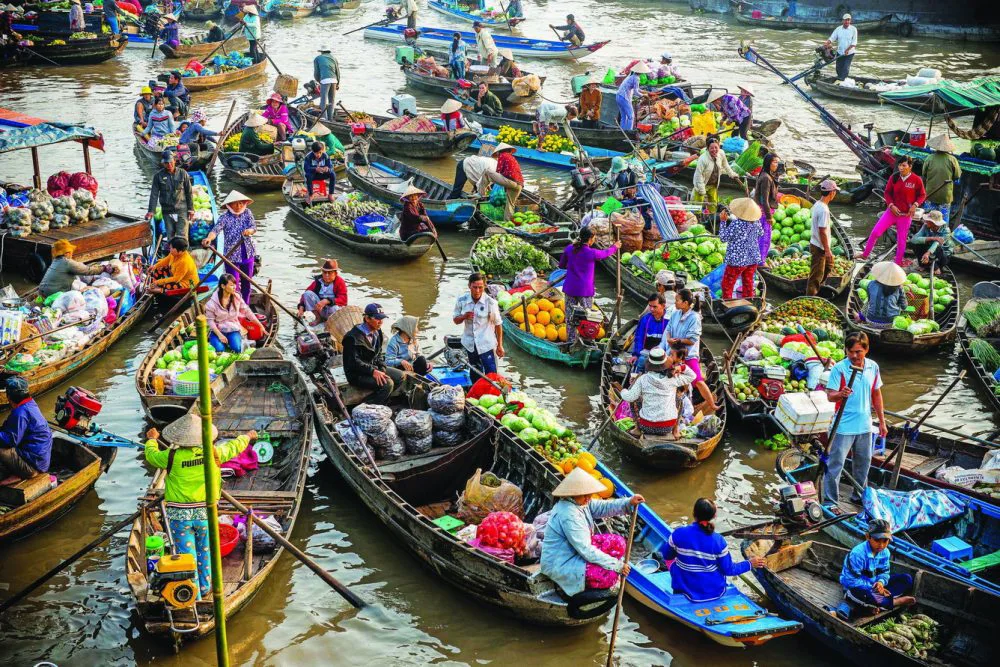
Beyond the major national festivals, nearly every province, region, and even individual village across Vietnam hosts its own distinct festivals or celebratory events. Local communities maintain a profound respect for their specific traditions, which are often showcased during these gatherings. For travelers visiting Vietnam during one of these local festival periods, it presents an excellent opportunity to gain a deeper understanding of the country's diverse cultural practices, customs, and heritage. During Tet, families often prepare special foods and decorate their homes, and children receive lucky money. For those interested in local crafts and goods, exploring markets during festival times can also reveal unique purchases and souvenirs.
Planning Your Trip Around Vietnamese Festivals
Experiencing a Vietnamese festival can be a highlight of any trip, offering profound cultural insights. However, it requires careful planning, especially for major events like Tet. Accommodation and transportation can become scarce and more expensive due to increased domestic travel. It is advisable to book flights, trains, and hotels well in advance if your travel dates coincide with a significant festival.
While festivals offer a chance to witness traditional ceremonies and communal joy, visitors should also be mindful of local customs and etiquette. Dressing modestly, especially when visiting temples or sacred sites, and showing respect for local rituals are important. Engaging with the local community during these times can lead to memorable interactions and a deeper appreciation for Vietnamese culture.
Comparison of Major Vietnamese Festivals
| Festival Name | Primary Focus | Typical Timing (Lunar Calendar) | Key Activities |
|---|---|---|---|
| Tet Nguyen Dan | Family reunion, ancestral respect, new beginnings | Late January/Early February (1st day of 1st lunar month) | Family gatherings, lucky money, ancestral offerings, home decorations |
| Mid-Autumn Festival | Children, harvest, prosperity | Mid-September/Early October (15th day of 8th lunar month) | Lantern parades, mooncakes, children's performances, full moon viewing |
| Hung King Temple Festival | Commemoration of founding kings | Mid-April (10th day of 3rd lunar month) | Palanquin procession, incense offerings, traditional rituals, cultural performances |
Frequently Asked Questions
What is the most significant festival in Vietnam?
Tet Nguyen Dan, or Lunar New Year, is widely considered the most important and largest festival in Vietnam. It is a time for family reunions, ancestral veneration, and celebrating new beginnings.
What is the purpose of the Mid-Autumn Festival?
The Mid-Autumn Festival, or Tet Trung Thu, is primarily a children-focused festival that also celebrates the harvest and symbolizes fullness and prosperity through the full moon. It involves activities like lantern parades and enjoying mooncakes.
Where is the Hung King Temple Festival held?
The Hung King Temple Festival is held annually in Viet Tri City, Phu Tho Province, which is the location of the Hung King Temple.
How long do Vietnamese festivals typically last?
The duration of Vietnamese festivals varies. While some main festive days may last for a few days, the preparation period can extend longer, and the celebratory atmosphere often lingers.
Is it advisable to travel during major festivals in Vietnam?
Traveling during major festivals offers a unique cultural experience, but it requires careful planning. Expect increased crowds, higher demand for transportation and accommodation, and potential closures of some businesses. Booking in advance is highly recommended.