Planning a journey across Vietnam, Cambodia, and Laos offers an opportunity to experience the rich history, diverse cultures, and natural beauty of Southeast Asia. To maximize your travel experience, selecting an itinerary that matches your available time and interests is key. This guide presents various trip durations, from compact 10-day tours to comprehensive 22-day expeditions, providing structured plans and essential travel advice to help you prepare for an enriching adventure.
Planning Your Indochina Adventure: How Long to Travel?
The ideal duration for a trip covering Vietnam, Cambodia, and Laos depends significantly on your travel style and the depth of exploration you desire. While a minimum of 10 days allows for a quick overview of primary attractions, extending your stay to two or three weeks provides a more thorough cultural engagement and the chance to visit less frequented locations.
Consider the pace you prefer: a shorter trip will involve more travel time between destinations, focusing on well-known sites. Longer itineraries permit leisure days, deeper cultural interactions, and the opportunity to venture into regional communities, savor local cuisine, and understand traditional practices.
The 10-Day Overview: A Swift Introduction
A 10-day itinerary for Vietnam, Cambodia, and Laos is a condensed option, suitable for individuals with limited time or those seeking a rapid overview of the region's most iconic locations. This timeframe typically allows for visiting approximately seven to eight key destinations across the three nations. Travelers should anticipate a fast-paced schedule, often appealing to backpackers or those on a strict budget who wish to glimpse Indochina's prominent sights.
The 15-Day Itinerary: A Balanced Exploration
Opting for a 15-day journey through Vietnam, Cambodia, and Laos provides a more relaxed pace, allowing approximately four to six days in each country. This duration facilitates a broader discovery of each destination's cultural, historical, and natural attributes. It is often recommended for couples, families, or anyone desiring a more profound understanding of the region without feeling rushed. This itinerary typically includes more free time for personal activities and exploring smaller, nearby areas.
The 22-Day Itinerary: An In-Depth Cultural Journey
For travelers with ample time and a desire for extensive exploration, a 22-day itinerary for Vietnam, Cambodia, and Laos offers the most comprehensive experience. This extended plan allows for exploring destinations beyond the usual tourist routes, providing unique insights into local cultures and lesser-known areas. It is particularly suited for those who wish to gain an authentic perspective on the diverse landscapes, traditions, and daily lives that characterize each country.
Recommended Itineraries for Vietnam, Cambodia, and Laos
Below is a comparative overview of suggested itineraries for Vietnam, Cambodia, and Laos, designed to assist you in selecting a plan that best aligns with your travel preferences and interests.
| Itinerary Duration | Countries and Key Regions | Primary Highlights |
|---|---|---|
| 10 Days | Cambodia: Siem Reap Vietnam: Ho Chi Minh City, Da Nang, Hoi An, Hue, Hanoi Laos: Luang Prabang, Vientiane | Angkor Wat, Ho Chi Minh City landmarks, Hoi An Ancient Town, Imperial City of Hue, Hanoi Old Quarter, Luang Prabang temples, Vientiane monuments |
| 15 Days | Laos: Luang Prabang, Vientiane Vietnam: Hanoi, Halong Bay, Da Nang, Hoi An, Hue, Ho Chi Minh City Cambodia: Siem Reap | Pak Ou Caves, Kuang Si Waterfall, Halong Bay cruise, Hoi An Ancient Town, Imperial City of Hue, Cu Chi Tunnels, Angkor Wat complex |
| 22 Days | Cambodia: Siem Reap, Phnom Penh Vietnam: Chau Doc, Can Tho, Ho Chi Minh City, Da Nang, Hoi An, Hue, Hanoi, Mai Chau, Halong Bay Laos: Vientiane, Vang Vieng, Luang Prabang | Angkor Wat, Royal Palace Phnom Penh, Mekong Delta exploration, Ho Chi Minh City museums, Central Vietnam heritage, Mai Chau villages, Halong Bay, Vang Vieng outdoor activities, Luang Prabang cultural sites |
Detailed 15-Day Itinerary: A Journey Through Laos, Vietnam, and Cambodia
This 15-day itinerary provides a balanced approach to exploring the prominent cities and natural wonders of Laos, Vietnam, and Cambodia, allowing for both guided excursions and personal leisure time.
Days 1-4: Laos - Luang Prabang and Vientiane
Your journey begins with arrival in Luang Prabang, a city celebrated for its historic charm. On your first day, visit Wat Xieng Thong, a UNESCO World Heritage site showcasing Lao Buddhist artistry, followed by the Royal Palace Museum to learn about the country's past. Spend the evening at the Night Market, sampling local dishes and browsing handcrafted items.
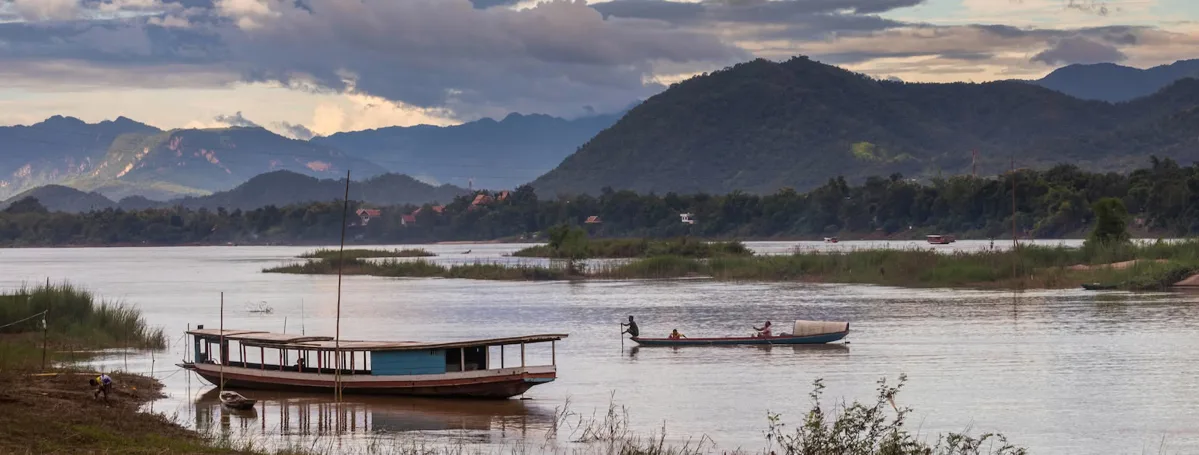
Day two in Luang Prabang includes participating in the traditional almsgiving ceremony early in the morning, then exploring the local market. In the afternoon, visit Wat Sen and experience life along the upper Mekong River. A visit to the Pak Ou Caves, home to thousands of Buddha statues, is also scheduled. Conclude the day by exploring the rice wine village of Ban Muang Keo, the temples of Wat Mai and Wat Visoun, and the Traditional Art and Ethnology Center.
On day three, travel to Kuang Si Falls, known for its tiered turquoise pools. Nearby, the Bear Rescue Center offers a sanctuary for rescued Asiatic black bears. Later, fly to Vientiane, the capital city. Upon arrival, you might choose to relax or take an evening stroll along the Mekong River to observe the sunset.
Day four in Vientiane features a visit to Buddha Park, an outdoor sculpture garden filled with Buddhist and Hindu figures. Afterward, return to the city center to see Pha That Luang, a gold-covered stupa symbolizing Lao national identity. In the afternoon, ascend Patuxai, the Victory Monument, for city views, and later explore Vientiane's Night Market for souvenirs and local food.
Days 5-11: Vietnam - Hanoi, Halong Bay, Central, and Southern Highlights
Your final morning in Vientiane offers free time to visit sites like Wat Si Saket, the COPE Visitor Center, or Haw Phra Kaew before flying to Hanoi. Arriving in Hanoi, you can choose to rest or explore the Old Quarter at night, perhaps enjoying a drink on Ta Hien Street, ice cream at Trang Tien, or visiting Dong Xuan Market on weekends.
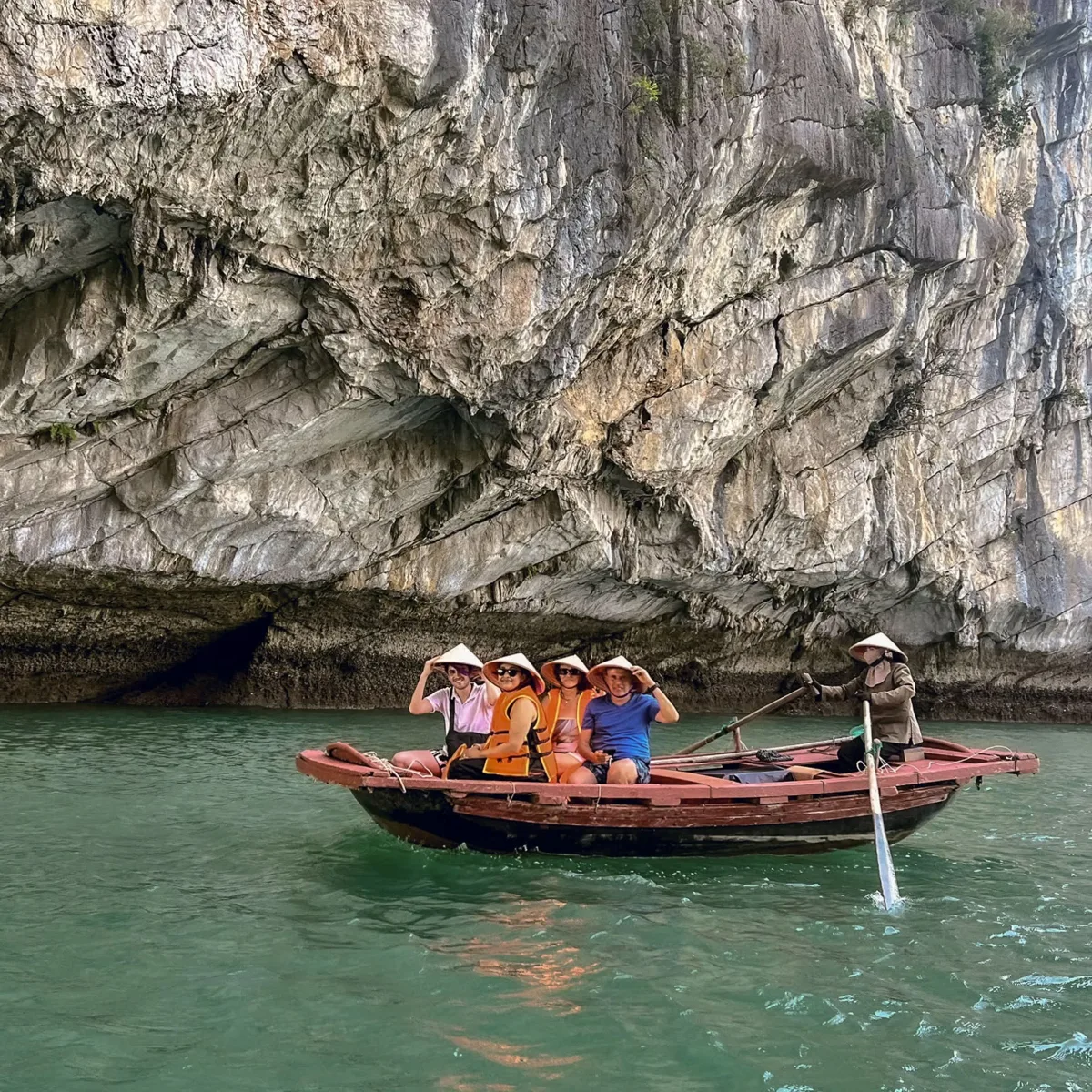
Day six involves departing Hanoi for Halong Bay, a natural wonder. From Tuan Chau Harbour, board a cruise to explore iconic locations such as Sung Sot Cave, Luon Cave, and Titop Island. Activities like kayaking, swimming, and trekking are available. The evening may include a cooking class, a sunset gathering, or dinner onboard.
On day seven, begin with a Tai Chi session on the sundeck before breakfast. The cruise continues to Tung Sau Pearl Farm and Thien Cung Cave. After lunch onboard, you will return to Hanoi. The rest of the day is free to explore the Old Quarter, visit landmarks like Hanoi Cathedral and Hoa Lo Prison, or find local handicrafts on Hang Gai and Hang Trong streets. Conclude the day by sampling Hanoi's famous street food, such as Pho at 10 Ly Quoc Su Street or Bun Cha on Hang Manh Road.
Day eight starts with a Hanoi City Tour, visiting One Pillar Pagoda, Temple of Literature, and Ho Chi Minh Mausoleum. Afterward, take a domestic flight from Hanoi to Da Nang, then transfer by car to Hoi An. In the evening, walk through Hoi An's lantern-lit streets, taste local dishes like Mi Quang, Com Ga, and Cao Lau, and shop for souvenirs on Tran Phu Street.
On day nine, a half-day tour of Hoi An Ancient Town focuses on old temples, pagodas, and specialty shops within walking distance. Key sites include Cau Pagoda, Tan Ky Old House, and Phuc Kien Assembly Hall. After lunch, transfer by bus to Hue, Vietnam's former imperial capital. The evening in Hue is free for relaxation or exploring local cuisine.
Day ten in Hue allows for visits to historical sites such as the Imperial City of Hue and Thien Mu Pagoda. Afterward, fly from Phu Bai Airport to Ho Chi Minh City. Upon arrival, explore areas like Bach Dang Wharf, Bui Vien, and Nguyen Hue Walking Streets. For managing finances, banking services in Ho Chi Minh City are readily available.
Day eleven begins with an excursion to the Cu Chi Tunnels, an underground system used during the Vietnam War, offering insight into historical resilience. Return to Ho Chi Minh City to visit landmarks like Independence Palace, Notre Dame Cathedral, and the Central Post Office. In the afternoon, Ben Thanh Market is ideal for shopping and trying authentic street food like Banh Beo, Bun Rieu, and Banh Canh Cua.
Days 12-15: Cambodia - Siem Reap's Ancient Wonders
On day twelve, enjoy a free morning in Ho Chi Minh City before your flight to Siem Reap, Cambodia. Upon arrival, you can explore the city's nightlife on Pub Street or browse the Night Market stalls, where bargaining is common.
Day thirteen is dedicated to temple exploration. Start with Ta Prohm, known for ancient trees intertwined with its ruins. Next, visit Bayon Temple in Angkor Thom, famous for its carved smiling faces. The afternoon is reserved for Angkor Wat, the world's largest religious monument, celebrated for its intricate bas-reliefs and towering spires that reflect the Khmer Empire's history and craftsmanship.
Days fourteen and fifteen are free days in Siem Reap. Travelers interested in culture might consider a half-day tour to the Chong Kneas Floating Village. Adventure seekers could experience ziplining through the jungle. Your final day can be used for a relaxed breakfast or last-minute souvenir shopping before your departure flight. This 15-day plan is designed to be customizable, allowing for a comfortable pace with logically arranged destinations and efficient travel between cities.
Exploring Beyond: Unique Destinations in a 22-Day Trip
An extended 22-day itinerary for Vietnam, Cambodia, and Laos allows for a deeper exploration, often involving travel by car or motorbike, making it suitable for backpackers and those on a budget. This longer duration introduces several unique destinations not typically included in shorter trips, offering a richer cultural experience.
- Chau Doc: Situated amidst natural landscapes, including mountains and the Mekong River, Chau Doc offers boat trips, floating markets, and proximity to Sam Mountain.
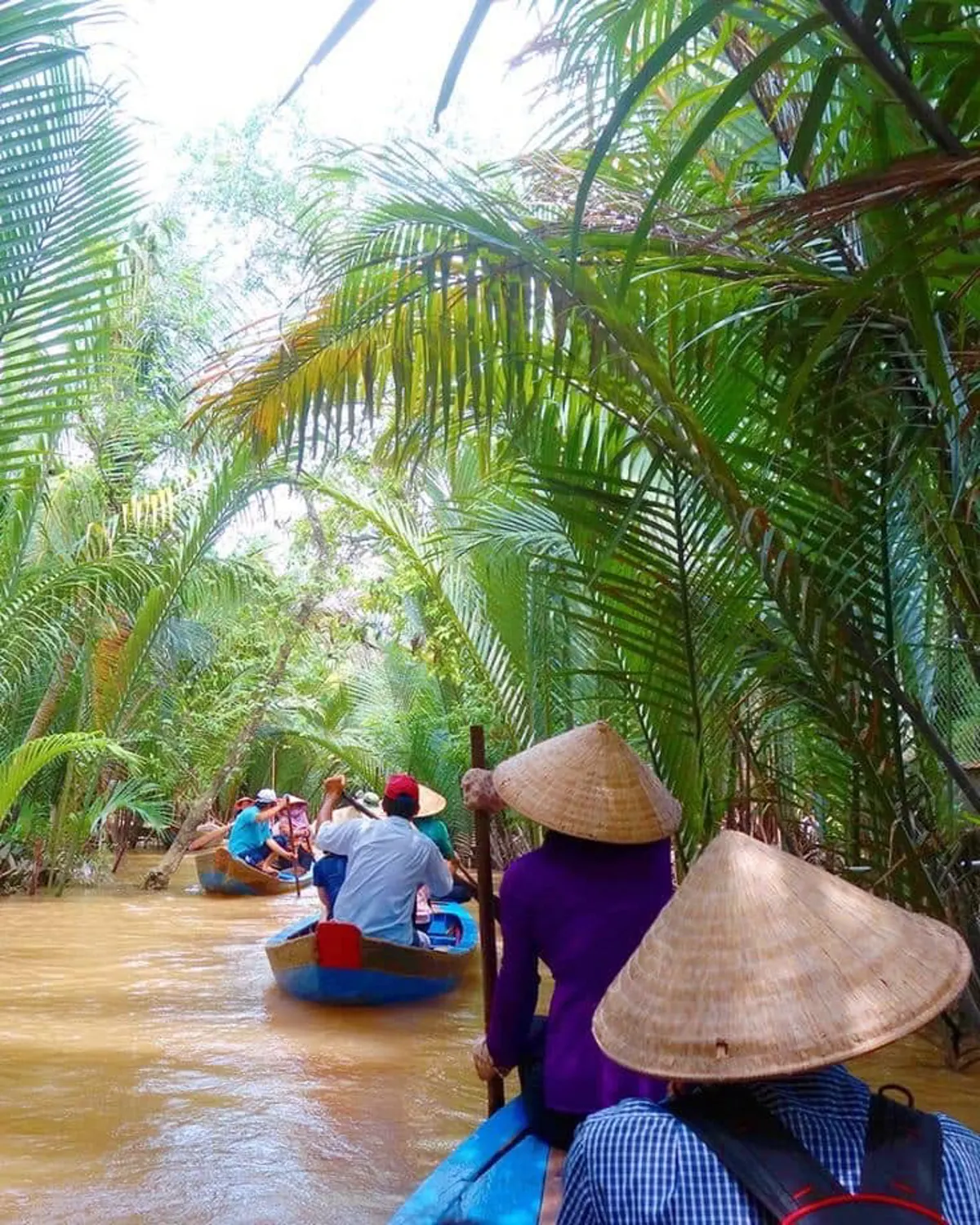
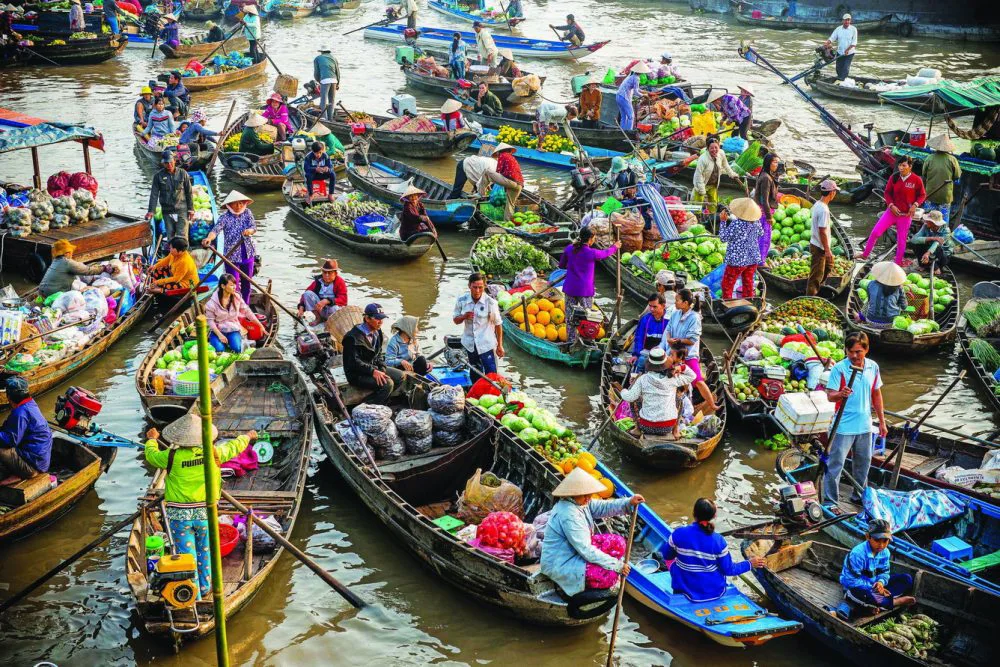
- Can Tho: Known for its rice fields and waterways, Can Tho provides insight into the Mekong Delta. A visit to Cai Rang Floating Market is a popular activity, where visitors can enjoy breakfast on a boat and observe local life.
- Mai Chau: This valley is characterized by rice terraces and limestone mountains. Activities include trekking through the terraces, visiting local villages, and experiencing the hospitality of the Thai people.
- Vang Vieng: A destination recognized for its karst mountains, green rivers, and tranquil environment. Popular activities include tubing on the Nam Song River, exploring nearby caves, and kayaking.
This comprehensive itinerary also includes an overnight river cruise on the Mekong Eyes from Phnom Penh to Saigon, providing an immersive experience of the Mekong Delta's waterways and opportunities to engage with minority communities in both Vietnam and Laos.
Essential Travel Information for Vietnam, Cambodia, and Laos
Before traveling to Vietnam, Cambodia, and Laos, understanding key entry requirements, transportation options, and communication practices is important for a smooth journey.
Visa and Entry Procedures
Visa requirements vary by nationality and are subject to change, so verifying current regulations before your trip is essential.
- Vietnam: Many nationalities can obtain electronic visas (eVisas), and some are exempt from visa requirements. An e-Visa typically costs around $25 (verify current fee).
- Cambodia: Tourist visas are generally straightforward to obtain, either upon arrival or through an online application. Citizens of ASEAN countries often enjoy visa-free entry. A visa on arrival typically costs around $30 (verify current fee).
- Laos: Travelers from many countries can acquire a visa upon arrival (VOA). An eVisa option is also available. A visa on arrival typically costs between $30 and $42 (verify current fee).
For cross-border travel between Laos, Vietnam, and Cambodia, a passport with at least six months of validity beyond your intended departure date is required, along with the necessary visas. When crossing land borders, it is advisable to carry passport photos and cash, as card payments are generally not accepted.
Getting Around: Transportation Options
Each country offers various modes of transport to suit different preferences and budgets.
- Vietnam: Options include shuttle and regular buses connecting provinces, domestic flights for quicker travel between major cities like Hanoi, Ho Chi Minh City, and Da Nang, and motorbike rentals for independent exploration. Overnight rail journeys in Vietnam also provide a scenic way to travel across the countryside.
- Cambodia: Taxis and tuk-tuks are widely available in cities such as Phnom Penh and Siem Reap, offering convenient local transport. Domestic flights facilitate travel between key tourist destinations.
- Laos: A small but reliable network of domestic flights connects major cities like Vientiane and Luang Prabang. Motorbike rentals are a popular choice for exploring rural areas at a personal pace.
For travel between the three countries, bus services are a common and economical choice, though journeys can be long. Flights offer a faster alternative for transitioning between these nations.
Communication Tips
English is commonly understood in major cities and tourist areas throughout Vietnam, Cambodia, and Laos. However, in more rural or less populated regions, English proficiency may be limited. To enhance your travel experience, learning a few basic phrases in the local languages and utilizing translation applications can be beneficial for smoother interactions.
Frequently Asked Questions
Is a 10-day itinerary sufficient for Vietnam, Cambodia, and Laos?
A 10-day itinerary for Vietnam, Cambodia, and Laos is feasible for seeing major highlights but will be fast-paced. It involves significant travel time between destinations, offering a brief introduction rather than an in-depth cultural experience. For a more relaxed and immersive trip, a longer duration is generally recommended.
What are the primary visa requirements for traveling between these three countries?
For cross-border travel, you will need a passport valid for at least six months and the appropriate visas for each country. Vietnam, Cambodia, and Laos all offer e-Visa or Visa on Arrival options for many nationalities, though fees vary (e.g., Vietnam ~$25, Cambodia ~$30, Laos ~$30-42). Always carry passport photos and cash for land border crossings, as card payments are typically not accepted.
What transportation methods are available for multi-country travel in Indochina?
Within each country, options include domestic flights, buses, and motorbike rentals. Vietnam also offers train services. For cross-border travel, bus services are an economical choice, connecting major cities. Flights provide a quicker transition between the countries for those with less time.
Are there opportunities to experience local culture beyond major tourist sites?
Yes, especially with longer itineraries such as the 22-day option. These extended trips often include destinations like Mai Chau in Vietnam or Vang Vieng in Laos, which offer experiences with local communities, trekking through rural landscapes, and participation in traditional activities, providing a deeper cultural insight.