Visiting Nha Trang in January provides an excellent opportunity to experience this Vietnamese coastal city under pleasant weather conditions. As the dry season commences, travelers can anticipate mild temperatures, minimal rainfall, and generally calm seas, creating an inviting environment for various outdoor pursuits and cultural explorations. This month is particularly suited for those seeking a relaxed beach holiday combined with opportunities for adventure and local insights.
Climate Overview for Nha Trang in January
January ushers in a favorable climate for Nha Trang, characterized by comfortable temperatures and reduced precipitation. Daytime temperatures typically range from 26 to 27°C (79–81°F), providing warmth suitable for beach activities and sightseeing. As evening approaches, temperatures cool to approximately 20 to 22°C (68–72°F), offering a refreshing change after a sunny day and allowing for comfortable outdoor evenings.
Rainfall is notably low during January, averaging around 20 millimeters (0.8 inches) for the entire month. This means dry, sunny days are common, making it an optimal time for exploring the city and engaging in water sports. Humidity levels hover around 75%, which feels quite agreeable due to the moderate temperatures and consistent coastal breezes. The air quality is generally very good, benefiting from the seaside location and prevailing northeast monsoon winds. The ultraviolet (UV) index is typically moderate, ranging from 5 to 6, so sun protection like sunscreen and hats is advisable, especially between 10 a.m. and 3 p.m.
The typical weather patterns in January are stable, featuring clear skies and abundant sunshine. The sea usually remains tranquil, supporting activities such as swimming, snorkeling, and boat excursions to nearby islands. While occasional northeast monsoon winds can bring cooler air and slightly choppier sea conditions, these periods are generally brief and do not significantly disrupt travel plans, making January a highly recommended time for a visit.
Key Festivals and Cultural Events in January
January in Nha Trang can coincide with significant cultural celebrations, particularly if the Lunar New Year (Tết Nguyên Đán) falls within the month. This period transforms the city with festive decorations, including colorful flowers and lanterns. Spring markets become active, and traditional art performances add to the celebratory atmosphere, often culminating in spectacular fireworks displays. Experiencing Tết offers a profound insight into authentic Vietnamese New Year traditions.
Early in the year, locals frequently visit spiritual sites such as Long Sơn Pagoda and Ponagar Tower to offer prayers for good fortune and health. Visitors are welcome to observe or participate in incense offerings, appreciate the serene ambiance, and admire the ancient architecture of these important cultural landmarks. This practice provides a peaceful and meaningful glimpse into local customs for welcoming the new year. Additionally, some coastal fishing communities near Nha Trang might host the Cầu Ngư Festival during the early Lunar New Year period, though specific dates vary annually. This festival venerates the whale, known as Cá Ông, through boat processions, lion dances, and traditional folk singing, expressing gratitude for successful sea harvests and offering a unique perspective on maritime culture and spiritual beliefs.
Recommended Activities in Nha Trang During January
Nha Trang offers a diverse range of activities that are particularly enjoyable in January's mild climate. From exploring the surrounding islands to relaxing on city beaches and delving into historical sites, there are options for every interest.
Exploring Islands and Beaches
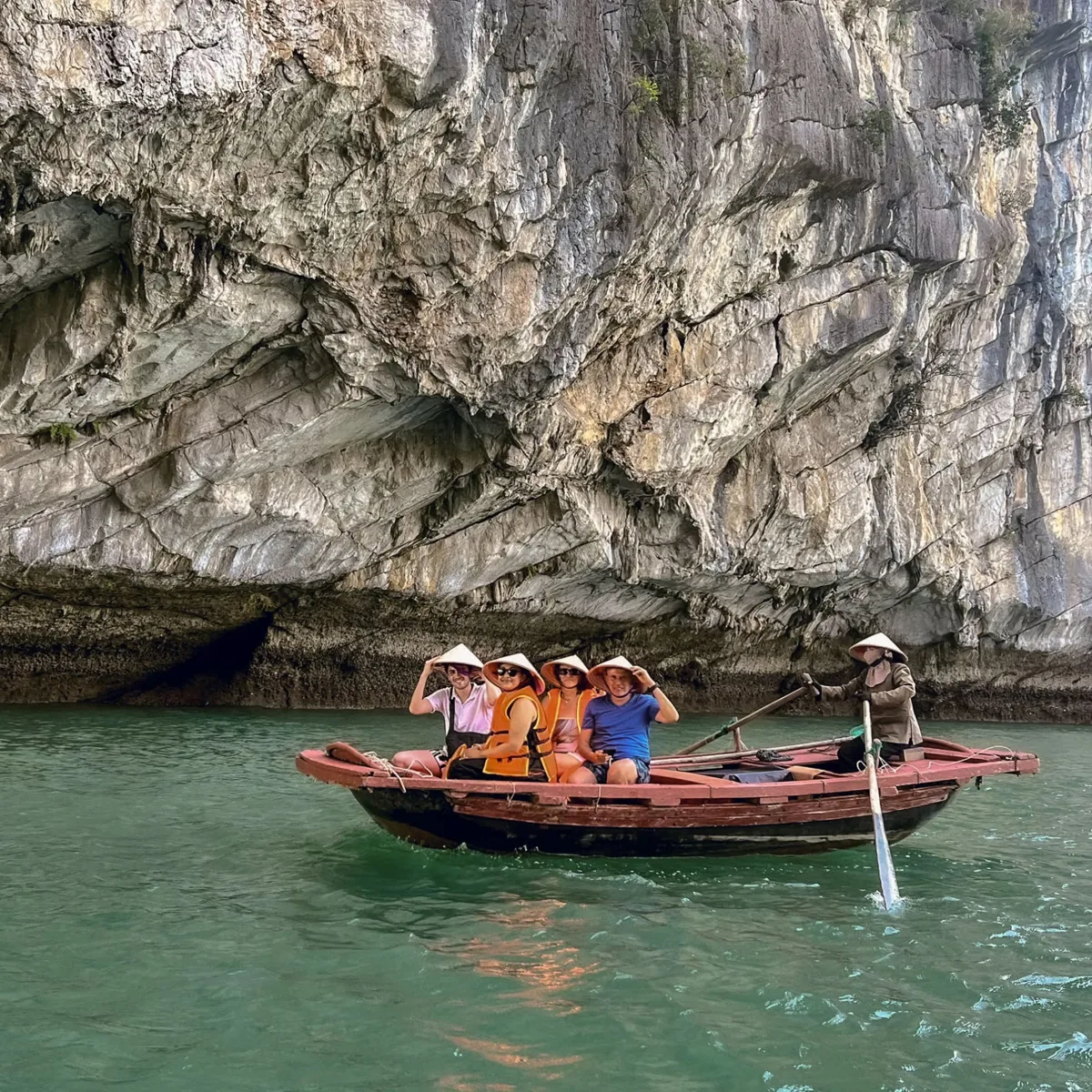
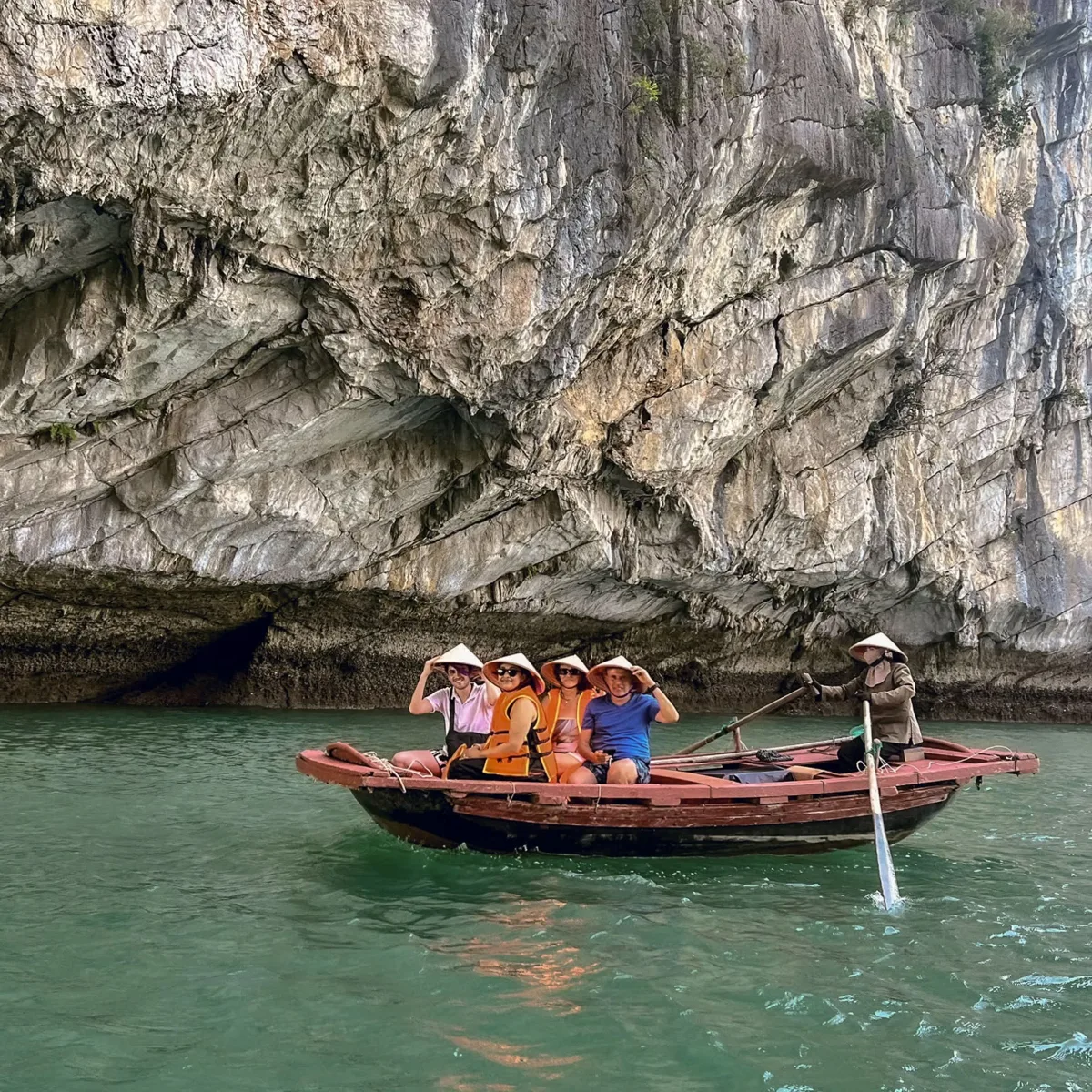
Island hopping tours are a popular choice, allowing visitors to explore Nha Trang's well-known islands or take a speedboat trip to destinations like Hòn Mun and Hòn Tằm. These excursions provide opportunities for snorkeling in clear waters, enjoying glass-bottom boat rides, and unwinding on tranquil beaches. The calm seas and pleasant weather of January enhance these maritime adventures.
For those preferring to stay closer to the city, Trần Phú Beach presents soft sands and calm waters, ideal for swimming or sunbathing. The beach tends to be less crowded in January, fostering a peaceful environment. A relaxed walk along the palm-lined promenade, with refreshing sea breezes, is a simple pleasure.
Cultural and Historical Sites
A visit to the Po Nagar Cham Towers offers a chance to observe remarkable Cham architecture and learn about the region's rich cultural heritage. The cooler January temperatures make exploring the temple complex comfortable, and the peaceful grounds are excellent for photography and quiet contemplation.
Long Sơn Pagoda, known for its prominent white Buddha statue and serene temple gardens, is another significant cultural attraction. The mild climate in January makes it comfortable to explore the peaceful grounds and engage with local Buddhist traditions, while also providing panoramic views of the city.
Culinary Experiences
Sampling Nha Trang's fresh seafood is a culinary highlight. Many beachfront restaurants serve dishes such as grilled squid, steamed clams, and fish hotpot. The mild January weather enhances the experience of dining outdoors while enjoying ocean vistas, providing a delicious way to savor local flavors.
| Activity | Location | Approximate Cost (Current as of 2025) |
|---|---|---|
| Island Hopping Tours | Departure from Nha Trang Harbor | 350,000 - 700,000 VND per person ($15 – $30) |
| Relax on Trần Phú Beach | Central Nha Trang | Free access |
| Visit Po Nagar Cham Towers | Nha Trang outskirts | 22,000 VND entrance fee (~$1) |
| Try Local Seafood | Nha Trang city center | 100,000 – 300,000 VND per meal ($4 – $12) |
| Visit Long Sơn Pagoda | Nha Trang city center | Free access |
A Suggested Four-Day Itinerary for Nha Trang in January
January's favorable conditions make it an ideal month for a balanced trip to Nha Trang, combining relaxation, exploration, and cultural immersion. Here is a possible four-day plan:
Day 1: Arrival and Initial Exploration
Upon arrival, settle into a hotel or resort situated near the beach to fully appreciate the coastal setting. Spend the initial hours relaxing at Trần Phú Beach, enjoying the sea breeze and ocean views. In the afternoon, take a leisurely walk through Đầm Market, a renowned local market, where you can sample various local snacks and light meals. Conclude your day with dinner at a seafood restaurant offering sea views, savoring fresh catches in a tranquil evening atmosphere.
Day 2: Island Adventures
Begin your second day with an island tour, either a four-island excursion or a speedboat trip to Hòn Mun and Hòn Tằm. During the tour, engage in activities such as snorkeling, taking a glass-bottom boat ride, swimming in clear waters, and simply relaxing by the sea. Lunch will typically feature fresh seafood served directly on one of the islands. After returning to your hotel in the afternoon, consider unwinding with a spa treatment or a refreshing swim. In the evening, stroll along the seaside promenade and enjoy a drink at a rooftop bar while admiring the city lights.
Day 3: Culture and Wellness Excursion
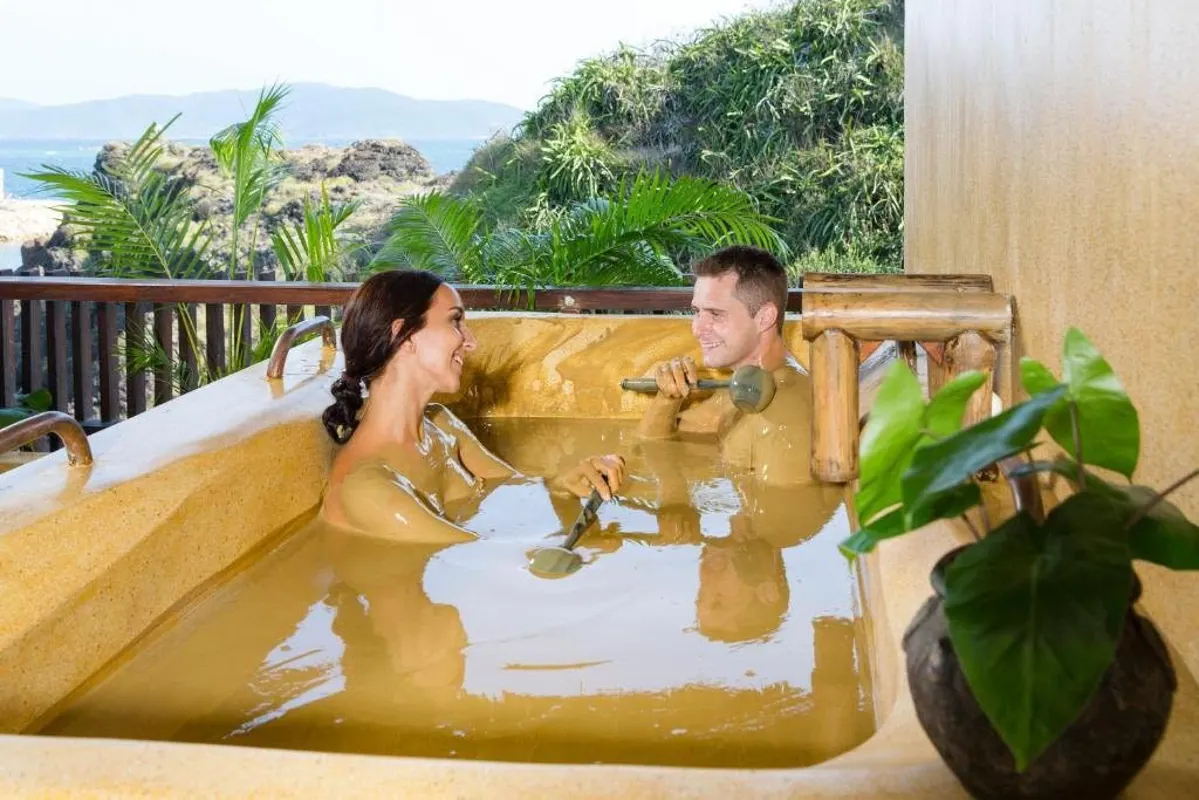
Dedicate your morning to cultural sites, starting with the Po Nagar Cham Towers to explore ancient Cham culture and architecture. Continue to Long Sơn Pagoda, a significant Buddhist temple known for its large white Buddha statue. For lunch, enjoy a meal at a local restaurant, experiencing authentic Vietnamese flavors. The afternoon can be spent relaxing and rejuvenating at the I-Resort mineral hot springs or indulging in a traditional mud bath. In the evening, explore Nha Trang's night market and lively streets independently, or consider a Vietnamese cooking class to learn how to prepare local dishes.
Day 4: Shopping and Departure
Enjoy a relaxed morning coffee by the seaside, taking in the fresh ocean air. Spend some time shopping for souvenirs such as sand paintings, dried seafood, and bird’s nest beauty products, which make for thoughtful gifts. Finally, check out from your accommodation and depart, concluding your memorable visit to Nha Trang.
Practical Advice for Visiting Nha Trang in January
To ensure a comfortable and enjoyable trip to Nha Trang in January, consider these practical tips:
- Weather Preparedness: The weather is generally cool and pleasant, with temperatures typically between 20°C and 26°C. It is advisable to pack a light jacket or sweater for cooler evenings.
- Morning Activities: Mornings are usually sunny and calm, making them ideal for water-based activities like diving, speedboat rides, snorkeling, and island tours.
- Evening Plans: Evenings and late afternoons can bring slightly chilly or breezy conditions. Opt for gentle activities such as walking along the beach or enjoying dinner by the sea.
- Lunar New Year Impact: If the Lunar New Year (Tết) occurs in late January, be aware that special festivals and events will be taking place. However, this period can also experience increased crowds and potentially higher service prices.
- Local Cuisine: Do not miss the opportunity to try local dishes such as fish noodle soup (Bún Cá), fish cake noodle soup (Bánh Canh Chả Cá), and grilled pork skewers (Nem Nướng), which are particularly comforting in the mild January weather. For those interested in unique purchases and souvenirs in Vietnam, the local markets offer a wide array of options.
- Healthcare Access: Familiarize yourself with local medical facilities. Information on healthcare services in Nha Trang and Khanh Hoa Province can be helpful for any unexpected needs.
Frequently Asked Questions
Is it rainy in Nha Trang in January?
Rainfall is very low in January, typically less than 20mm for the entire month, so the weather is predominantly dry. This makes it an excellent time for outdoor activities and beach excursions.
How cold does it get at night?
Nighttime temperatures usually range from 20 to 22°C. While generally mild, it can occasionally feel cooler, so bringing a light jacket is recommended for comfort.
Is the sea warm enough for swimming?
Yes, the sea is generally calm and warm during January. However, intermittent winds might cause the water to feel slightly cooler at certain times.
What should I pack for January?
Pack light clothing suitable for daytime activities, along with a jacket or sweater for the cooler evenings. Essential items also include swimwear, sunscreen, and comfortable shoes for walking and exploring.